WeChat 코드를 스캔하여 문의하세요
WeChat 코드를 스캔하여 문의하세요
이메일을 보내주시면 최대한 빨리 답변해 드리겠습니다..
마음과 영혼을 다해 미래를 창조하다


The gauge tie rod is a component that connects two 울타리 at the bottom of the track with a single rod to enhance the lateral stability of the rails and improve the track’s ability to maintain the gauge. Some lines have track circuits, and the gauge tie rods are separated by insulating parts within them.

The gauge tie rod is an important component of railway tracks. If the gauge tie rods are severely missing, the track gauge will deviate. When a train passes through this section, it may either derail or even overturn, with unimaginable consequences. Model number
18×870 gauge tie rod
20×870 gauge tie rod
22×880 gauge tie rod
22×1050 gauge tie rod
24×1050 gauge tie rod
24×1250 gauge tie rod
28×1810 gauge tie rod
28×1850 gauge tie rod
32×1810 gauge tie rod
32×1850 gauge tie rod
36×1850 gauge tie rod Technical Specifications
무게: 16kg
지름: 32mm
길이: 1750mm
Adjustable part: Head rail clamp
적용 가능한 레일 유형: 38 또는 43
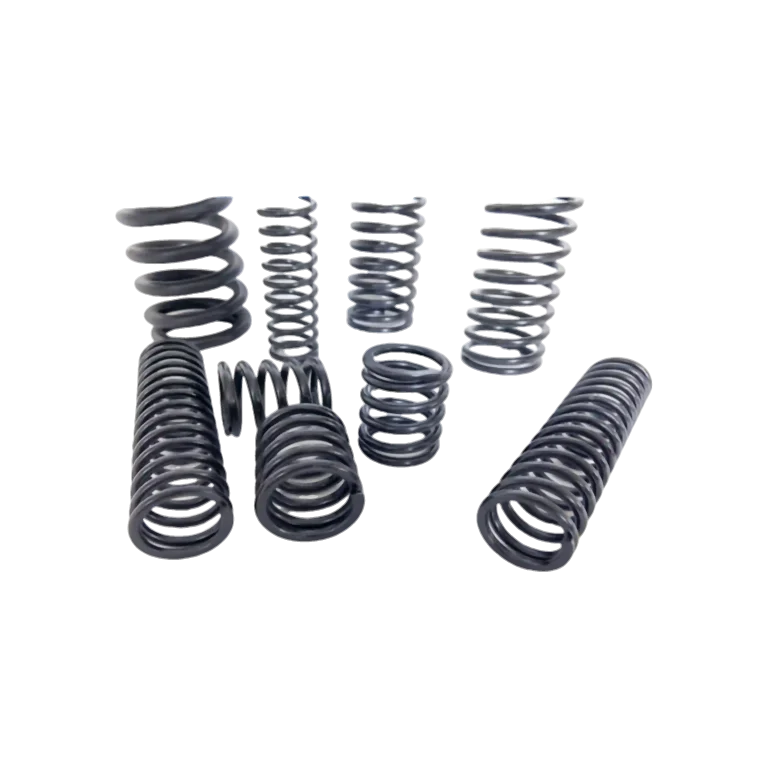
Matching parts: 4 rail clamps, 4 screws, 4 circular pads, 4 스프링 와셔. 기능
The turnout has the characteristics of complex structure, short lifespan, low driving safety, and large maintenance workload. It is one of the three weakest links in the track structure. Frequent maintenance, repair, and replacement of turnouts seriously affect the normal operation of heavy-haul railways.
Based on the method of rigid-flexible coupling, a refined dynamic analysis model of vehicles and turnouts was established. The reliability of the model was verified using the measured results, and the influence laws of passing-through turnout methods and driving speed on the dynamic characteristics of the vehicle-turnout system were studied. Three strengthening measures that can be adopted on-site were evaluated, and the following conclusions were drawn:
(1) 언제 20 sets of gauge rods are set on the side track, the lateral force and vertical force between the wheel and rail can be reduced by up to 43.0% 그리고 5.1% 각기. And as the number of gauge rods increases, each indicator also decreases. Considering all factors comprehensively, it is recommended to set 10-14 sets of gauge rods on the side track of the turnout area.
(2) 사용하여 1:20 rail bottom slope in the turnout area has a significant effect on reducing the wheel-rail force. The lateral force and vertical force between the wheel and rail can be reduced by 14.8% 그리고 16.7% 각기.
(3) When the section width increases by 2mm, the increase in wheel-rail force and contact stress is the largest at 8.3%. The maximum decrease in the dynamic bending stress of the steel rail corresponding to the section is 18.8%. 그러므로, it is recommended to optimize the bearing section of the switch and heart rail by adding 2mm.
When a train runs on a small radius curve (R=250m), the rail is subjected to various forces. In the direction of these forces, some elastic supports must be strengthened to prevent the rail from moving, tipping, and widening the gauge. These elastic supports usually adopt gauge rods and rail supports.
To strengthen the lateral stiffness of the track in the small radius curve section, six technical conditions of strengthening components are set. They are described as follows:
3.1Condition one: Standard strengthening condition, 즉, 18-gauge rods and 18 pairs of rail supports are laid between 25-meter rails.
3.2Condition two: One gauge rod fails continuously, 즉, 9 gauge rods and 18 pairs of rail supports are laid between 25-meter rails.
3.3Condition three: Two gauge rods fail continuously, 즉, 6 gauge rods and 18 pairs of rail supports are laid between 25-meter rails.
3.4Condition four: Three gauge connectors fail continuously, 즉, 5 gauge rods and 18 pairs of rail supports are laid between 25-meter rails.
3.5Condition five: One pair of rail supports fails continuously, 즉, 18-gauge rods and 9 pairs of rail supports are laid between 25-meter rails.
3.6Condition six: One pair of rail supports fails continuously, and one gauge rod fails; 즉, 9 gauge rods and 9 pairs of rail supports are laid between 25-meter rails.
To ensure the stability and reliability of the track structure in the small radius curve section, strengthening is necessary. From a safety perspective, when the safety factor reaches condition one, it can reach 1.5, ensuring the safety of driving. 하지만, as the strengthening components fail, the safety of the tipping coefficient of the rail is decreasing, reaching a minimum of 1.06. To ensure driving safety, it is recommended to set the safety factor at 1.15. If condition one is taken as the standard strengthening condition, the maintenance and repair standards are recommended as follows:
4.1 The number of consecutive failures of rail supports shall not exceed 1 pair.
4.2 The number of consecutive failures of gauge rods shall not exceed 2.
4.3 The failure of rail supports and gauge rods shall not occur simultaneously within 6 울타리. The above are proposed maintenance standards for curve strengthening equipment by setting different strengthening technical conditions under the premise of calculating and analyzing the stability coefficient of rail tipping in the small radius curve section.
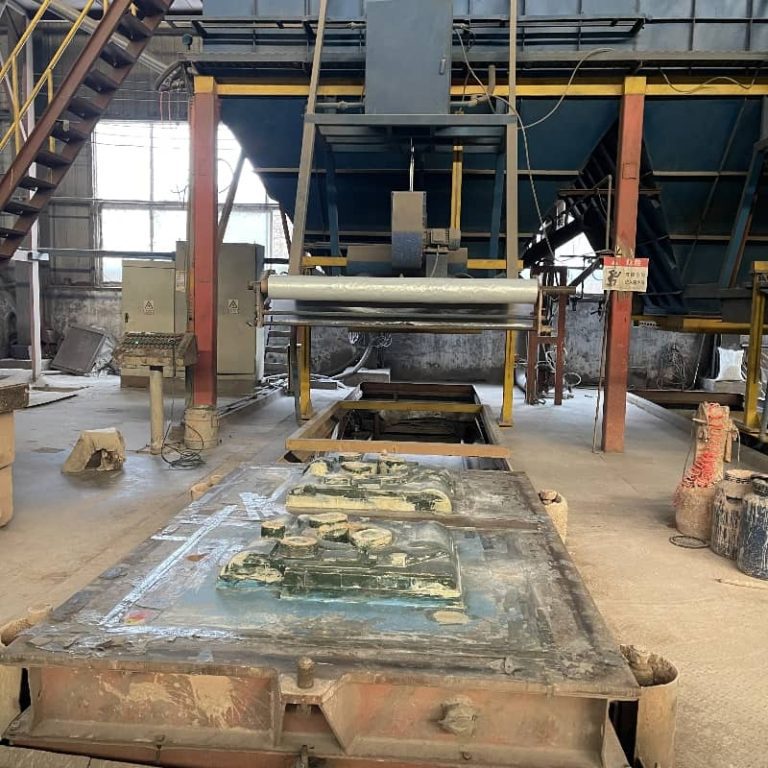
뤄양포뇨중공업(Luoyang Fonyo Heavy Industries), 주식회사,1998년에 설립된 철도 주조 부품 제조업체입니다. 저희 공장 부지는 72,600㎡입니다., 이상으로 300 직원, 32 기술자, 포함 5 수석 엔지니어, 11 보조 엔지니어, 그리고 16 기술자. 우리의 생산 능력은 30,000 연간 톤. 현재, 우리는 주로 주조물을 생산하고 있습니다, 가공, 기관차 조립 및 조립,철도 차량,고속 열차, 광산 장비,풍력,등.
우리는 CRRC에 철도 부품을 공급하고 있습니다.(이상 포함 20 CRRC의 지사 및 자회사),Gemac 엔지니어링 기계,삼니그룹, 중공업,등. 우리의 제품은 러시아로 수출되었습니다, 미국, 독일, 아르헨티나, 일본, 프랑스, 남아프리카,이탈리아와 전 세계의 다른 나라들.
연락처 정보:
이메일:[email protected]
이동하는:008615515321683