Scan the WeChat code to contact us
Scan the WeChat code to contact us
Feel free to send us a email and we will reply to you as soon as possible.
Creating the future with heart and soul


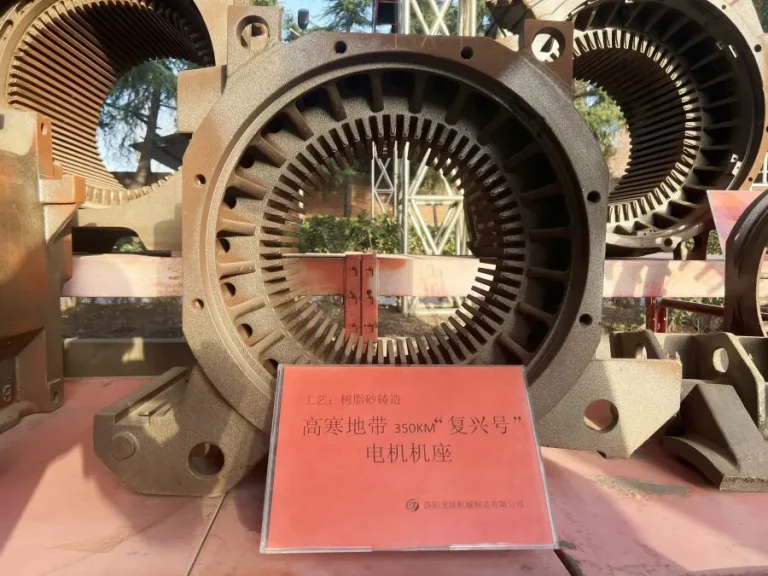
When people see a traction motor installed under a locomotive or metro train, most of the focus goes to the electrical system. But from a manufacturing perspective, many of the critical challenges are actually hidden inside the structural components around the motor itself.
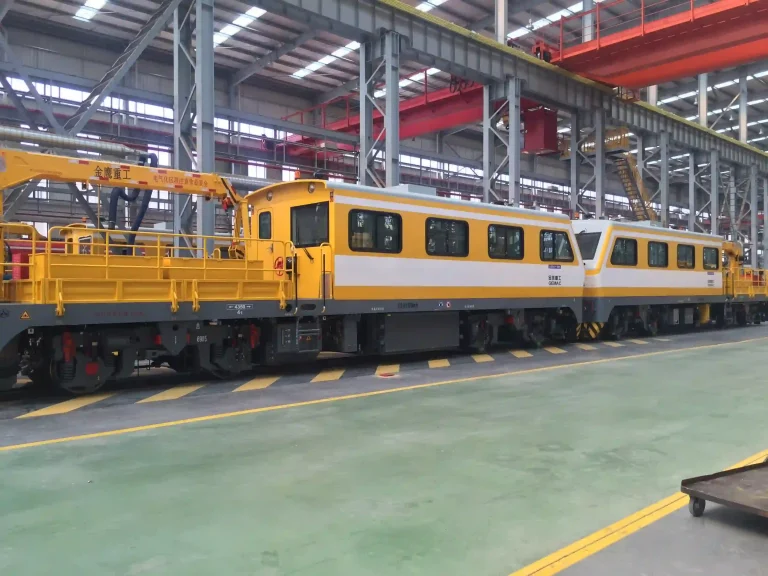
Over the past several years, our team has participated in the manufacturing of various traction motor components used in railway projects exported to Malaysia, Russia, India, South Africa, Brazil, the United States, and several European markets.
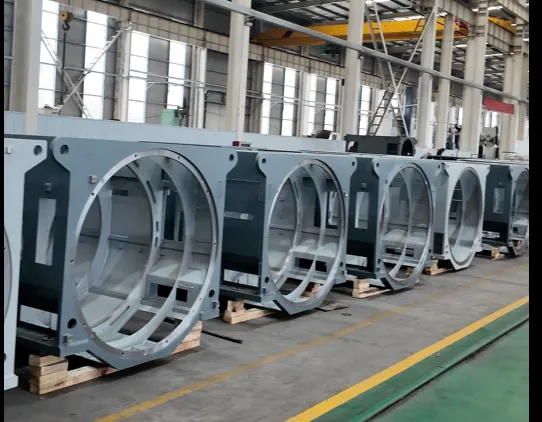
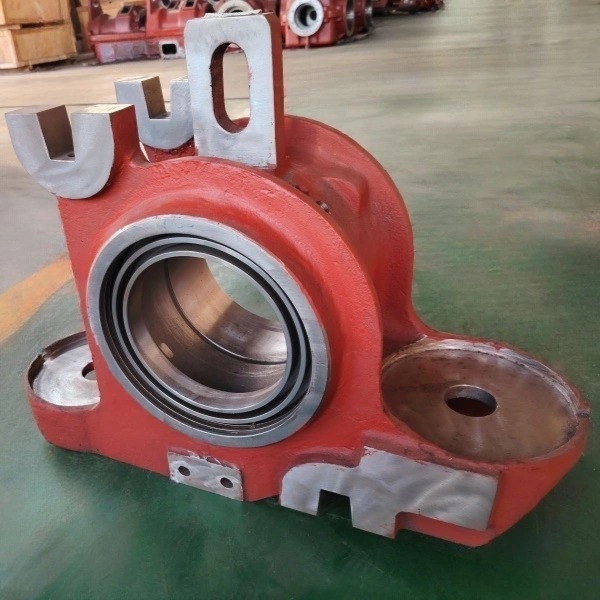
These components include motor end covers, retaining rings, suspension supports, structural mounting parts, and other cast and machined assemblies used in railway traction systems.
For us, this type of project is not simply about producing parts according to drawings. The real challenge is making sure the components can remain stable under continuous vibration, heavy loads, and long-term railway operation.
Many railway motor components begin with steel castings.
Compared with ordinary industrial castings, railway applications usually require better dimensional stability and more reliable structural performance. Some parts may look simple externally, but internally they involve strict requirements for machining allowance, assembly positioning, and long-term fatigue resistance.
During production, our engineering team pays close attention to several stages:
For certain structural parts, even small dimensional deviations can affect the alignment of bearings or mounting interfaces during final assembly.
That is why machining is just as important as casting itself.
One thing we often discuss internally is that railway components are not decorative products. Surface appearance is important, but assembly accuracy is even more critical.
Some traction motor components require multiple machining operations on different surfaces and reference positions. Maintaining consistency throughout the process is one of the main manufacturing difficulties.
Our machining work for railway components typically includes:
For larger components, controlling deformation during machining is also an important part of the process.
Engineering Challenges Behind Railway Components
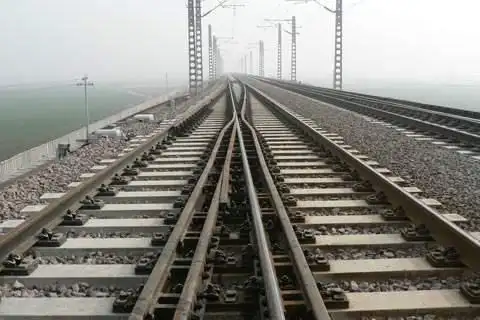
Railway operating conditions are demanding.
Unlike static industrial equipment, traction motor systems are continuously exposed to vibration, shock loads, changing temperatures, and long operating cycles.
Because of this, we pay particular attention to several engineering factors during manufacturing.
Some supporting components not only carry weight, but also absorb vibration generated during operation.
This means the casting quality, welding reliability, and machining accuracy all need to work together to maintain structural stability over time.
Many railway motor parts are connected to bearing systems, housings, or mounting structures.
If dimensional consistency is not properly controlled, assembly difficulties may occur later during installation.
For this reason, inspection is carried out throughout production instead of only after machining is finished.
Another practical challenge is export transportation.
Heavy railway components often travel long distances by sea before reaching the final customer or assembly plant. Proper packaging, corrosion protection, and loading methods are therefore part of the manufacturing process as well.
Over the years, we have supplied railway-related components to customers across Asia, Europe, Africa, North America, and South America.
Projects like these also reflect our broader manufacturing capabilities in railway and heavy industrial components.
In addition to traction motor parts, our factory also produces:
For our engineering team, every railway project is ultimately about one thing: making components that can operate reliably in real working conditions, not only on drawings.