हमसे संपर्क करने के लिए WeChat कोड को स्कैन करें
हमसे संपर्क करने के लिए WeChat कोड को स्कैन करें
बेझिझक हमें एक ईमेल भेजें और हम यथाशीघ्र आपको उत्तर देंगे.
दिल और आत्मा से भविष्य का निर्माण करें

जब लोग किसी लोकोमोटिव या मेट्रो ट्रेन के नीचे ट्रैक्शन मोटर लगा हुआ देखते हैं, most of the focus goes to the electrical system. But from a manufacturing perspective, many of the critical challenges are actually hidden inside the structural components around the motor itself.
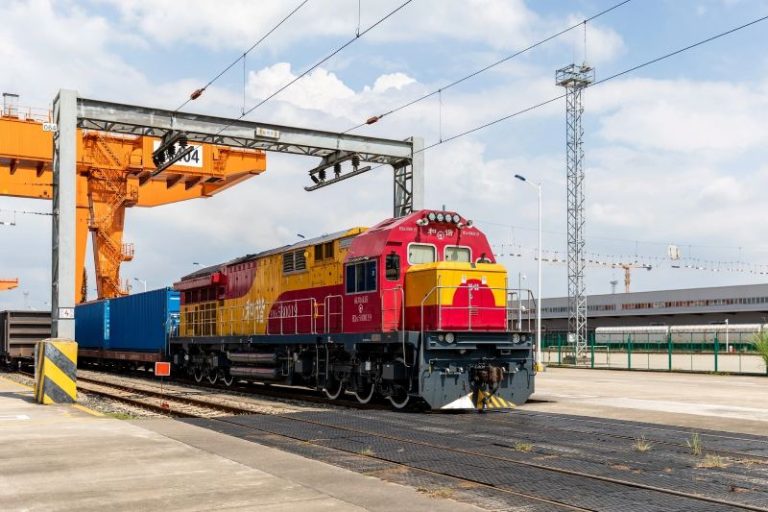
पिछले कई वर्षों से, our team has participated in the manufacturing of various traction motor components used in railway projects exported to Malaysia, रूस, भारत, दक्षिण अफ़्रीका, ब्राज़िल, संयुक्त राज्य, and several European markets.
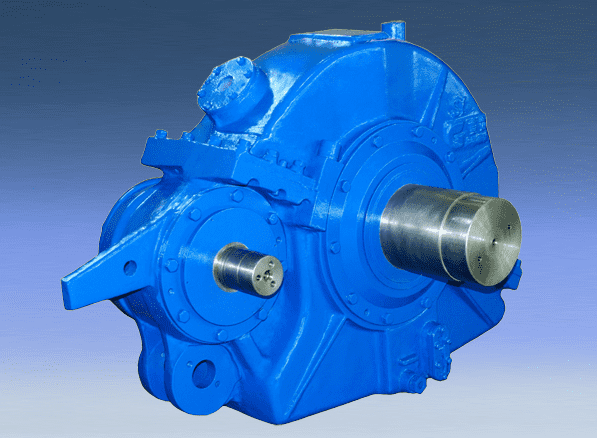
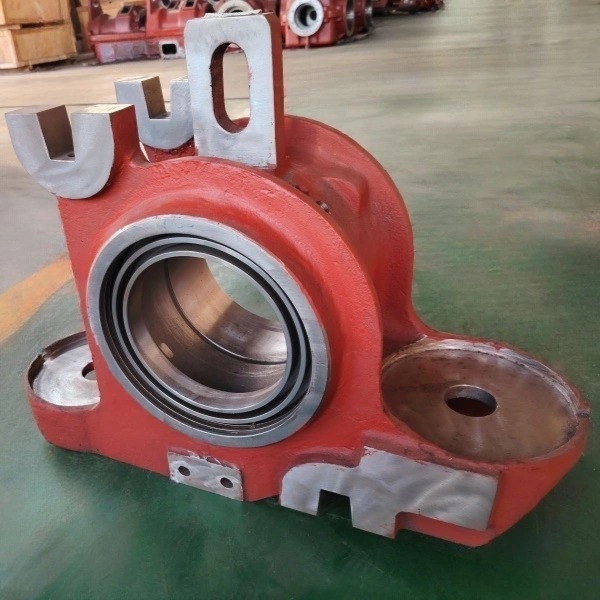
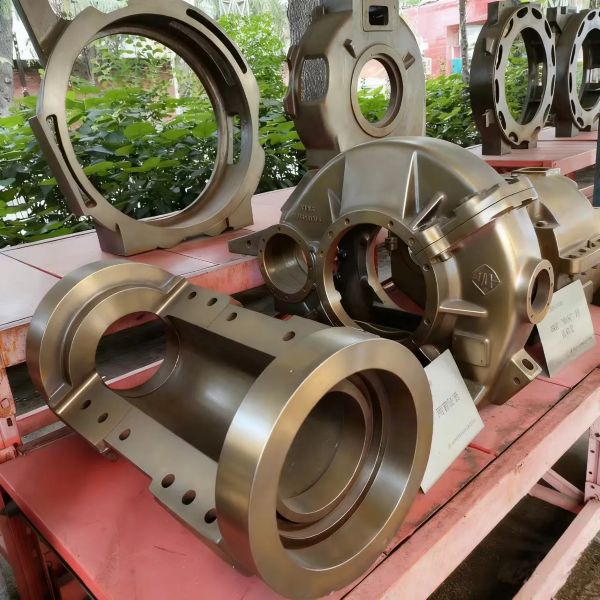
These components include motor end covers, अंगूठियां बनाए रखना, निलंबन का समर्थन करता है, संरचनात्मक बढ़ते हिस्से, और रेलवे ट्रैक्शन सिस्टम में उपयोग की जाने वाली अन्य कास्ट और मशीनी असेंबलियाँ.
हमारे लिए, इस प्रकार की परियोजना केवल चित्रों के अनुसार भागों का निर्माण करने के बारे में नहीं है. The real challenge is making sure the components can remain stable under continuous vibration, भारी वजन, और दीर्घकालिक रेलवे परिचालन.
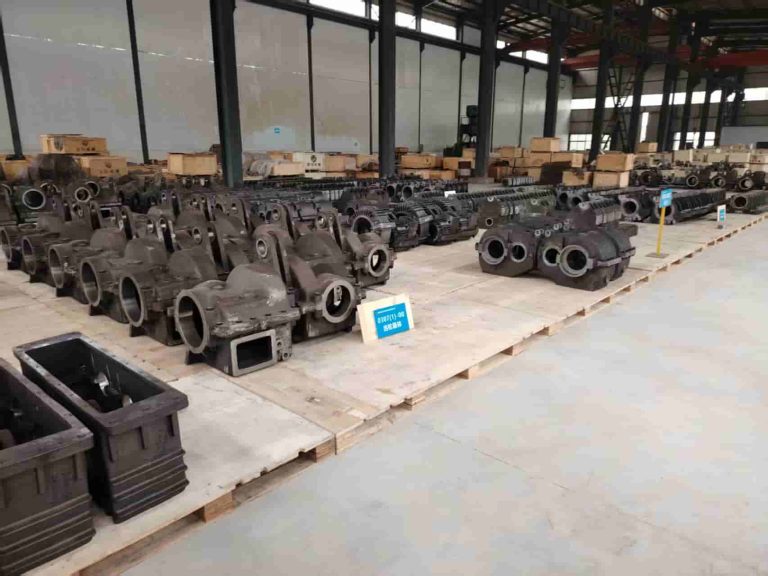
Many railway motor components begin with steel castings.
सामान्य औद्योगिक कास्टिंग की तुलना में, railway applications usually require better dimensional stability and more reliable structural performance. Some parts may look simple externally, लेकिन आंतरिक रूप से उनमें मशीनिंग भत्ते की सख्त आवश्यकताएं शामिल हैं, असेंबली पोजिशनिंग, और दीर्घकालिक थकान प्रतिरोध.
उत्पादन के दौरान, our engineering team pays close attention to several stages:
For certain structural parts, even small dimensional deviations can affect the alignment of bearings or mounting interfaces during final assembly.
इसीलिए मशीनिंग उतनी ही महत्वपूर्ण है जितनी कि कास्टिंग.
एक बात जो हम अक्सर आंतरिक रूप से चर्चा करते हैं वह यह है कि रेलवे के घटक सजावटी उत्पाद नहीं हैं. सतही दिखावट महत्वपूर्ण है, लेकिन असेंबली सटीकता और भी अधिक महत्वपूर्ण है.
कुछ कर्षण मोटर घटकों को विभिन्न सतहों और संदर्भ स्थितियों पर कई मशीनिंग संचालन की आवश्यकता होती है. Maintaining consistency throughout the process is one of the main manufacturing difficulties.
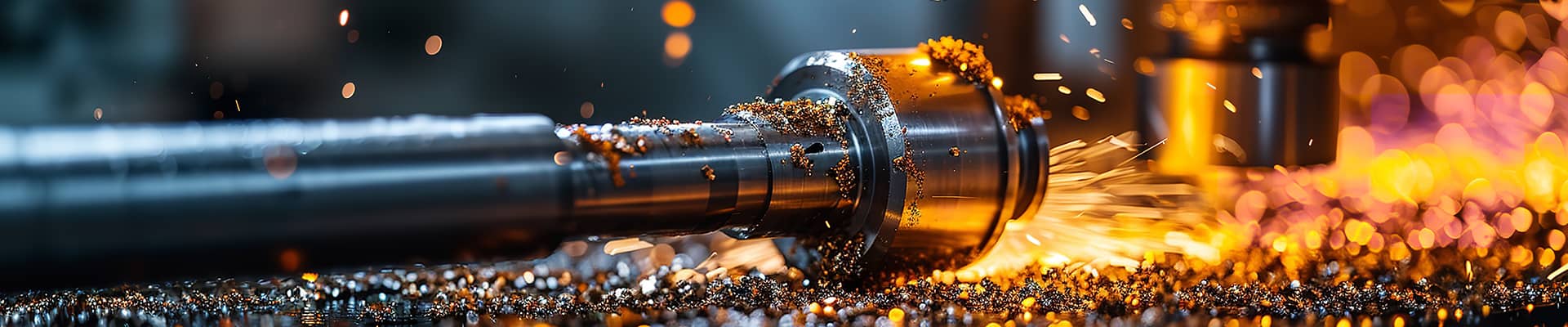
Our machining work for railway components typically includes:
For larger components, मशीनिंग के दौरान विरूपण को नियंत्रित करना भी प्रक्रिया का एक महत्वपूर्ण हिस्सा है.
Engineering Challenges Behind Railway Components
रेलवे की परिचालन स्थितियाँ मांग कर रही हैं.
स्थैतिक औद्योगिक उपकरणों के विपरीत, ट्रैक्शन मोटर सिस्टम लगातार कंपन के संपर्क में रहते हैं, आघात भार, तापमान बदल रहा है, और लंबे परिचालन चक्र.
इसके कारण, हम विनिर्माण के दौरान कई इंजीनियरिंग कारकों पर विशेष ध्यान देते हैं.
Some supporting components not only carry weight, but also absorb vibration generated during operation.
This means the casting quality, welding reliability, and machining accuracy all need to work together to maintain structural stability over time.
Many railway motor parts are connected to bearing systems, आवास, या बढ़ते ढांचे.
यदि आयामी स्थिरता को ठीक से नियंत्रित नहीं किया जाता है, स्थापना के दौरान बाद में असेंबली कठिनाइयाँ उत्पन्न हो सकती हैं.
इस कारण से, inspection is carried out throughout production instead of only after machining is finished.
एक अन्य व्यावहारिक चुनौती निर्यात परिवहन है.
Heavy railway components often travel long distances by sea before reaching the final customer or assembly plant. उचित पैकेजिंग, संक्षारण संरक्षण, and loading methods are therefore part of the manufacturing process as well.
पिछले कुछ वर्षों में, we have supplied railway-related components to customers across Asia, यूरोप, अफ़्रीका, उत्तरी अमेरिका, और दक्षिण अमेरिका.
इस तरह की परियोजनाएं रेलवे और भारी औद्योगिक घटकों में हमारी व्यापक विनिर्माण क्षमताओं को भी दर्शाती हैं.
In addition to traction motor parts, our factory also produces:
हमारी इंजीनियरिंग टीम के लिए, every railway project is ultimately about one thing: making components that can operate reliably in real working conditions, not only on drawings.