סרוק את קוד WeChat כדי ליצור איתנו קשר
סרוק את קוד WeChat כדי ליצור איתנו קשר
אתם מוזמנים לשלוח לנו מייל ואנו נענה לכם בהקדם האפשרי.
יצירת העתיד בלב ובנשמה


כאשר אנשים רואים מנוע מתיחה מותקן מתחת לקטר או רכבת מטרו, most of the focus goes to the electrical system. But from a manufacturing perspective, many of the critical challenges are actually hidden inside the structural components around the motor itself.
במהלך השנים האחרונות, our team has participated in the manufacturing of various traction motor components used in railway projects exported to Malaysia, רוּסִיָה, הוֹדוּ, דרום אפריקה, בְּרָזִיל, ארצות הברית, and several European markets.
These components include motor end covers, טבעות שמירה, תומך מתלה, חלקי הרכבה מבניים, ומכלולים יצוקים ומעובדים אחרים המשמשים במערכות מתיחה של רכבת.
בשבילנו, סוג זה של פרויקט אינו רק ייצור חלקים לפי שרטוטים. The real challenge is making sure the components can remain stable under continuous vibration, עומסים כבדים, והפעלת רכבת לטווח ארוך.
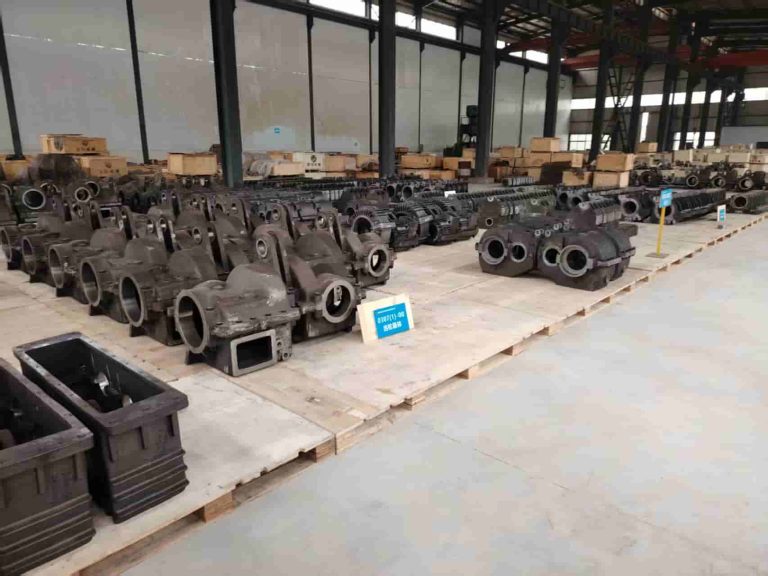
Many railway motor components begin with steel castings.
בהשוואה ליציקות תעשייתיות רגילות, railway applications usually require better dimensional stability and more reliable structural performance. Some parts may look simple externally, אך מבחינה פנימית הם כרוכים בדרישות קפדניות לקצבת עיבוד שבבי, מיקום הרכבה, והתנגדות לעייפות ארוכת טווח.
במהלך הייצור, our engineering team pays close attention to several stages:
For certain structural parts, even small dimensional deviations can affect the alignment of bearings or mounting interfaces during final assembly.
לכן עיבוד עיבוד חשוב לא פחות מהיציקה עצמה.
דבר אחד שאנו דנים בו לעיתים קרובות הוא שרכיבי רכבת אינם מוצרים דקורטיביים. מראה פני השטח חשוב, אבל דיוק ההרכבה הוא אפילו יותר קריטי.
חלק ממרכיבי מנוע המתיחה דורשים פעולות עיבוד מרובות על משטחים ומצבי ייחוס שונים. Maintaining consistency throughout the process is one of the main manufacturing difficulties.
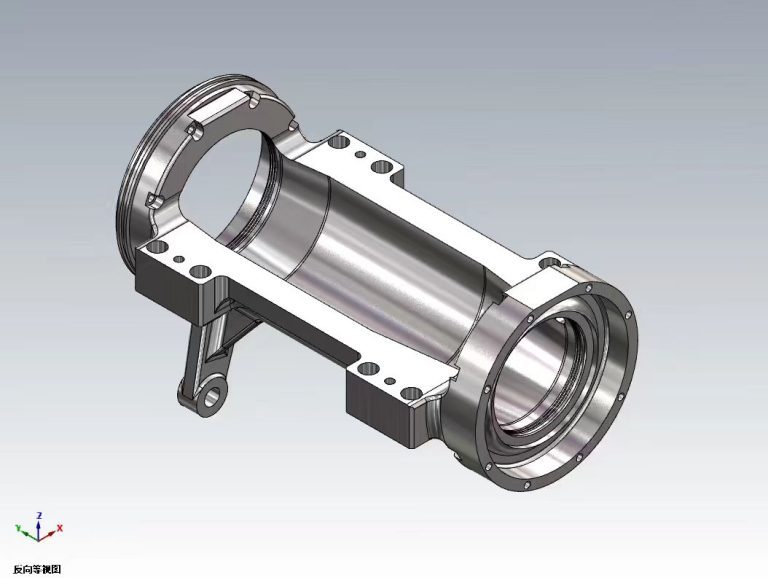
Our machining work for railway components typically includes:
For larger components, שליטה על דפורמציה במהלך העיבוד היא גם חלק חשוב בתהליך.
Engineering Challenges Behind Railway Components
תנאי תפעול הרכבת תובעניים.
בניגוד לציוד תעשייתי סטטי, מערכות מנועי מתיחה חשופות ללא הרף לרטט, עומסי הלם, טמפרטורות משתנות, ומחזורי פעולה ארוכים.
בגלל זה, אנו שמים לב במיוחד למספר גורמים הנדסיים במהלך הייצור.
Some supporting components not only carry weight, but also absorb vibration generated during operation.
This means the casting quality, welding reliability, and machining accuracy all need to work together to maintain structural stability over time.
Many railway motor parts are connected to bearing systems, בתים, או מבני הרכבה.
אם העקביות הממדית אינה נשלטת כראוי, קשיי הרכבה עשויים להתרחש מאוחר יותר במהלך ההתקנה.
מסיבה זו, inspection is carried out throughout production instead of only after machining is finished.
אתגר מעשי נוסף הוא תחבורה יצואנית.
Heavy railway components often travel long distances by sea before reaching the final customer or assembly plant. אריזה נכונה, הגנה מפני קורוזיה, and loading methods are therefore part of the manufacturing process as well.
במשך השנים, we have supplied railway-related components to customers across Asia, אֵירוֹפָּה, אַפְרִיקָה, צפון אמריקה, ודרום אמריקה.
פרויקטים כמו אלה משקפים גם את יכולות הייצור הרחבות יותר שלנו ברכיבי רכבת ותעשייה כבדה.
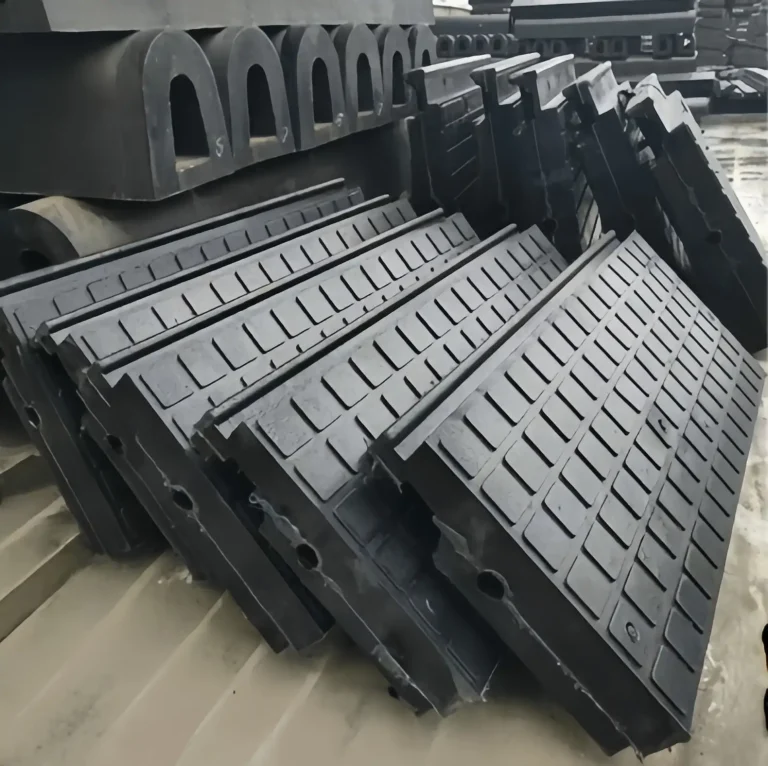
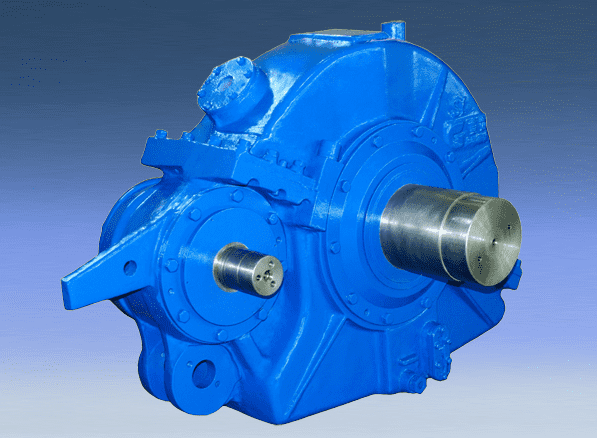
In addition to traction motor parts, our factory also produces:
לצוות ההנדסה שלנו, every railway project is ultimately about one thing: making components that can operate reliably in real working conditions, not only on drawings.