WeChat 코드를 스캔하여 문의하세요
WeChat 코드를 스캔하여 문의하세요
이메일을 보내주시면 최대한 빨리 답변해 드리겠습니다..
마음과 영혼을 다해 미래를 창조하다


코팅사 주조는 주조 분야에서 오랜 역사를 가지고 있으며 다수의 주조 부품을 생산합니다.; 하지만, when producing precision 주강 부품 using castable sand casting, many problems arise: sticking (scabbing), cold separation, and air holes. How to solve these problems remains to be further explored.
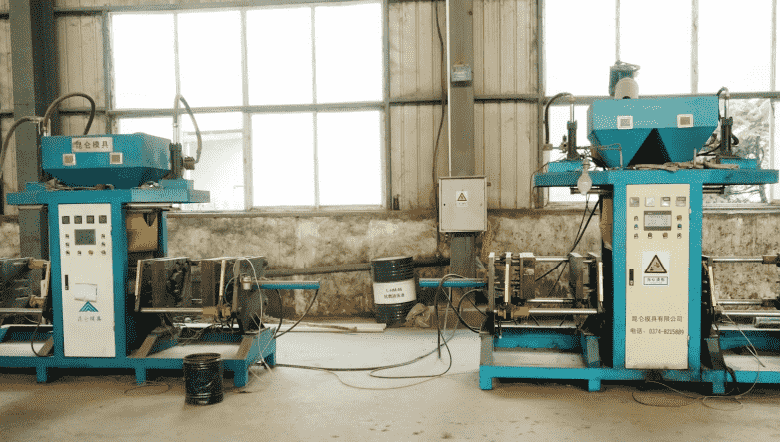
1.1 Characteristics of castable sand: It has suitable strength performance; 좋은 유동성, resulting in clear contours of the sand mold and core, dense structure, capable of manufacturing complex cores; the surface quality of the sand mold (핵심) is good, with surface roughness reaching Ra = 6.3 – 12.5 μm, dimensional accuracy reaching CT7 – CT9 grade; 좋은 접힘성, and the castings are easy to clean.
1.2 Application scope: Castable sand can be used to make both molds and cores; the mold or core made of castable sand can be used either in combination or in conjunction with other molds (cores); it can be used not only for gravity casting or low-pressure casting of metals, but also for iron mold castable sand casting, and for hot centrifugal casting; it can be used not only for the production of cast iron and non-ferrous alloy castings, but also for the production of cast steel parts.
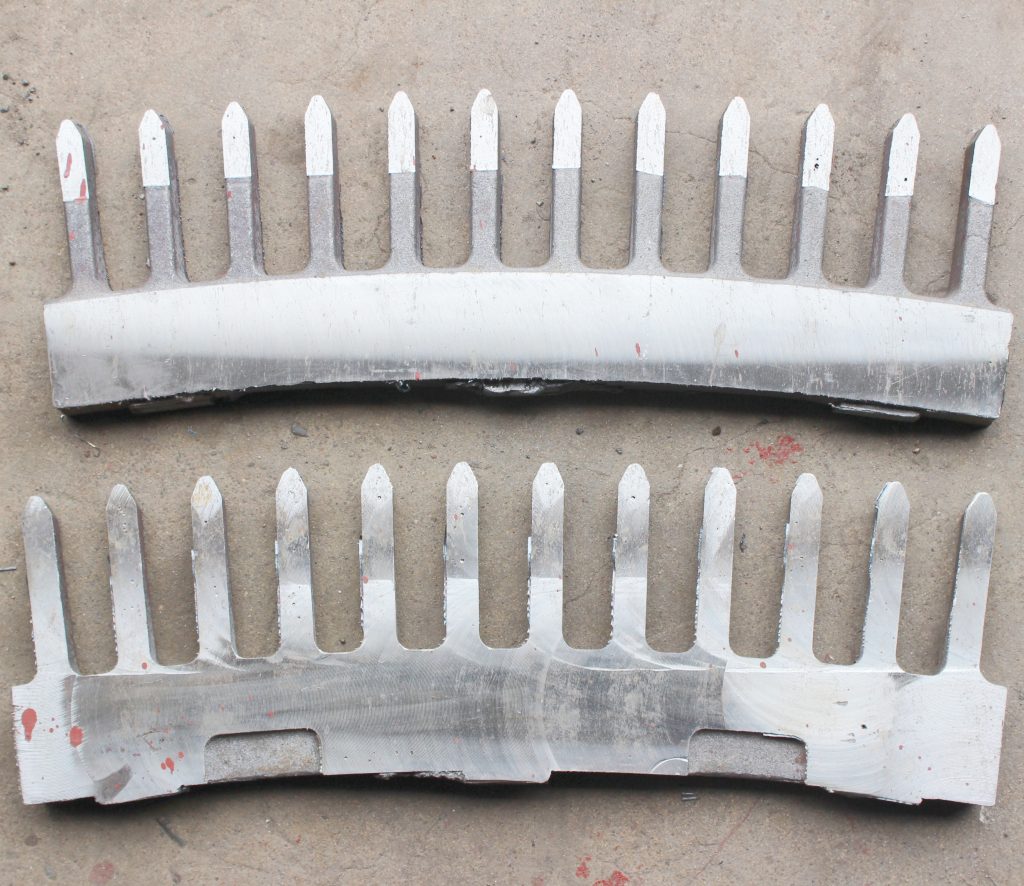
2.1. Castable sand is generally composed of refractory materials, 바인더, curing agents, lubricants, and special additives.
(1) Refractory materials are the main component of castable sand. The requirements for refractory materials are: high refractoriness, low volatiles, relatively round particles, and solid. 일반적으로, natural washed silica sand is selected. The requirements for silica sand are: high SiO2 content (for cast iron and non-ferrous alloy castings, it should be greater than 90%, for cast steel parts, it should be greater than 97%); the clay content should not exceed 0.3% (it is washed sand); [the clay content of water-washed sand is stipulated to be less than; the particle size 1: is distributed among 3 – 5 sieve sizes; the particle shape is round, the angular factor should not be greater than 1.3; the acid consumption value is not less than 5 ml.] (2) Binders are generally phenolic resin.
(3) Curing agents are usually urotropine; lubricants are generally calcium stearate, which functions to prevent the castable sand from caking and increase fluidity. The main role of additives is to improve the performance of castable sand.
(4) Basic composition and ratio of castable sand: Component Ratio (mass fraction, %) Explanation: Raw sand 100 Washed sand, phenolic resin 1.0 – 3.0 accounting for the weight of raw sand, urotropine (2% aqueous solution) 10 – 15 accounting for the weight of resin, calcium stearate 5 – 7 accounting for the weight of resin, additives 0.1 – 0.5 accounting for the weight of raw sand. 1: 2) 10 – 15 accounting for the weight of resin, calcium stearate 5 – 7 accounting for the weight of resin, additives 0.1 – 0.5 accounting for the weight of raw sand.
2.2. Production process of castable sand
The production process of castable sand mainly includes cold casting, warm casting, and hot casting. 현재, the production of castable sand almost all adopts the hot casting method. The hot casting process is to heat the raw sand to a certain temperature, then mix and stir with resin, urotropine aqueous solution, and calcium stearate, 각기, and then cool, crush, and sieve. Due to differences in the formula, the mixing process is also different. 현재, there are many types of castable sand production lines in China, with about 2000 – 2300 semi-automatic lines using manual feeding and about 50 fully automatic lines using computer control, which have effectively improved production efficiency and product stability. 예를 들어, the automated visual production line of the casting company, its feeding time is controlled precisely to 0.1 초, the heating temperature is controlled precisely 에게 1/10 ℃, and it can observe the mixing state of the sand at any time through video, with a production efficiency of 6 tons per hour.
3.1 Ordinary castable sand Common coated sand, also known as traditional coated sand, is usually composed of quartz sand, thermoplastic phenolic resin, urotropine, and calcium stearate. It does not contain any additives. The resin content is usually relatively high under certain strength requirements, and it does not possess the characteristics of high temperature resistance, low expansion, and low gas generation. It is suitable for the production of castings with low requirements.
3.2 High-strength Low-gas Release Coated Sand
형질: 고강도, low expansion, low gas generation, slow gas generation, 내산화성. 소개: 고강도 저가스 배출 코팅사는 일반 코팅사를 업데이트한 제품입니다.. 관련 특성을 추가하여, “additives,” 새로운 제형 기술 채택, 수지 복용량이 크게 감소합니다.. 그 힘은 그 이상이다. 30% 일반 코팅사보다 높음; 가스 발생량이 현저히 감소합니다., 가스 발생 속도가 느려질 수 있습니다., 주조 생산의 요구 사항을 더 잘 충족할 수 있는. 이러한 유형의 코팅 모래는 주로 주철 부품 생산에 적합합니다., 중소형 주강, 및 합금 주철 부품. 현재, 이 유형의 코팅 모래에는 세 가지 시리즈가 있습니다.: GD-1 고강도 저가스방출 코팅사; GD-2 고강도 저팽창 및 저가스 방출 코팅사; GD-3 고강도 저팽창 및 저가스 방출 내산화성 코팅 모래.
3.3 고온 내성 (수업) 코팅된 모래 (ND형)
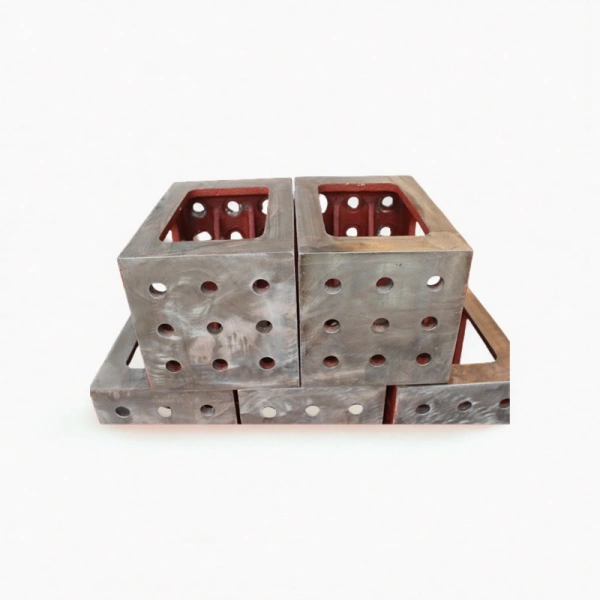
형질: 고온 저항, 고강도, low expansion, low gas generation, slow gas generation, 쉬운 분해, 내산화성. 소개: 내열성 코팅사는 우수한 고온 성능을 지닌 새로운 유형의 코팅사입니다. (고온에서 높은 강도, 긴 내열 시간, 작은 열팽창, low gas generation) 종합적인 주조 성능. 이러한 유형의 코팅 모래는 복잡한 얇은 벽의 정밀 주철 부품 생산에 특히 적합합니다. (자동차 엔진 블록과 같은, 실린더 헤드, 등.) 고품질의 주강 부품 (컨테이너 모서리와 같은, 기차 브레이크 버퍼, 중간 쉘 부품, 등.), 고착과 같은 주조 결함을 효과적으로 제거할 수 있는 제품입니다., 흉한 모습, 열 균열, 그리고 기공. 현재, 이 코팅된 모래에는 네 가지 시리즈가 있습니다.: VND-1 고온 방지 코팅 모래; ND-2 고온 저항성 저팽창 및 저가스 방출 코팅 모래; ND-3 고온 저항성 저팽창 및 저가스 방출 내산화성 코팅 모래; ND-4 고온 저항성 고강도 저팽창 및 저가스 방출 코팅 모래.
3.4 코팅된 모래가 쉽게 분해됨
강도가 좋고 저온붕괴 성능이 우수합니다., 주물 생산에 적합.
3.5 기타 특수 요구 사항 코팅 모래
다양한 제품의 요구를 충족시키기 위해, 일련의 특수 코팅 모래가 개발되었습니다., 원심 주조 코팅 모래와 같은, 급속 냉각 코팅 모래,젖은 모래, 들러붙지 않는 모래,펄스 방지 라인,벗겨짐 방지 코팅 모래, 등.
뤄양포뇨중공업(Luoyang Fonyo Heavy Industries), 주식회사,1998년에 설립된 철도 주조 부품 제조업체입니다. 저희 공장 부지는 72,600㎡입니다., 이상으로 300 직원, 32 기술자, 포함 5 수석 엔지니어, 11 보조 엔지니어, 그리고 16 기술자. 우리의 생산 능력은 30,000 연간 톤. 현재, 우리는 주로 주조물을 생산하고 있습니다, 가공, 기관차 조립 및 조립, 철도 차량, 고속 열차, 광산 장비,풍력,등.
우리는 CRRC에 철도 부품을 공급하고 있습니다.(이상 포함 20 CRRC의 지사 및 자회사),Gemac 엔지니어링 기계,삼니그룹, 중공업,등. 우리의 제품은 러시아로 수출되었습니다, 미국, 독일, 아르헨티나, 일본, 프랑스, 남아프리카,이탈리아와 전 세계의 다른 나라들.