WeChat コードをスキャンしてご連絡ください
WeChat コードをスキャンしてご連絡ください
お気軽にメールをお送りください。できるだけ早くご返信させていただきます.
心と魂で未来を創る


購入するとき 鉄道フィッシュボルト またはその他の高強度ファスナー, のようなマークがよく見られます。 8.8, 10.9, または 12.9 図面上で, 引用, または検査証明書. 一見して, 選択は簡単そうに見える: 数値が大きいほどボルトが強力であることを意味します. 実際に, 鉄道ファスナーの選択はそれほど単純ではありません. これらの数字は、 ISO プロパティ クラス 炭素鋼および合金鋼のボルトの機械的特性を説明するために使用される鉄道ボルトのグレード, ネジ, とスタッド. ISO 898-1:2013 これらのプロパティ クラスの要件を定義します. 鉄道アプリケーション, しかし, UIC によって管理される場合もあります, で, ASTM, アレマ, 国家基準, またはプロジェクト固有の仕様.
その区別が重要だ. ボルトは、材料証明書で必要な強度を備えていても、寸法が次のとおりである場合、特定のレールジョイントには不適切である可能性があります。, コーティング, プリロード, スレッドシステム, または該当する鉄道規格が間違っています.
では、どのように比較すればよいのでしょうか 8.8, 10.9 そして 12.9 鉄道ボルト?
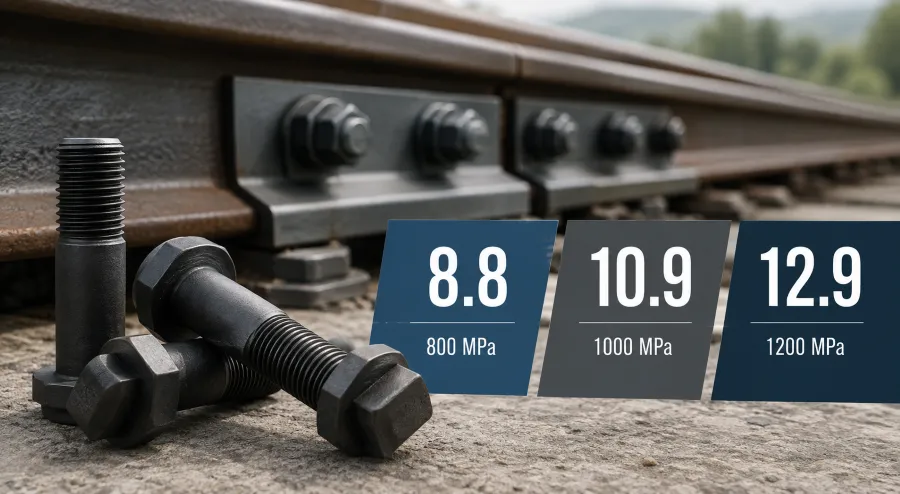
プロパティ クラス内の 2 つの数字は製品モデル番号ではありません.
例えば, ISO プロパティクラス システム内:
これにより、最初の比較に役立ちます:
| プロパティクラス | 公称引張強さ | 公称降伏強度* |
| 8.8 | 800 MPa | 640 MPa |
| 10.9 | 1,000 MPa | 900 MPa |
| 12.9 | 1,200 MPa | 1,080 MPa |
*この表は、プロパティ クラスの指定を簡略化して説明したものです。. 実際に指定された機械的特性は、該当する規格によって異なります。, 直径範囲, およびテスト要件.
重要な点は、 8.8, 10.9 そして 12.9 機械的強度クラスを説明する. 彼らはそうではありません, 自分たちで, ボルトがフィッシュプレートに適しているかどうかを教えてください, レール固定システム, 橋梁構造物, または別の鉄道接続.
その決断は後から来る.
鉄道ボルトグレード 8.8 汎用高力ボルト締めに広く使用されています。. 強度間の有用なバランスを提供します, 延性, 入手可能性と製造コスト.
鉄道用途向け, の 8.8 従来の締結システムではボルトが考慮される可能性があります, トラックコンポーネント, 構造接続およびプロジェクト仕様でこのプロパティ クラスが必要なその他のアプリケーション.
の利点 8.8 単にそのだけではありません 800 引張強さMPa.
また、高強度のクラスと比較して比較的寛容です. 鉄道ボルトは必ずしも理想的ではない環境に設置されます. 糸が汚れる場合があります. コンポーネントにはわずかな寸法のばらつきがある場合があります. メンテナンス作業は屋外で行われる場合があります, 夜に, または狭い窓の下で.
それは、インストールの品質が重要ではないという意味ではありません. これは、ファスナーの全体的なエンジニアリングバランスが、より高い強度クラスを必要としない用途にとって魅力的であることを意味します。.
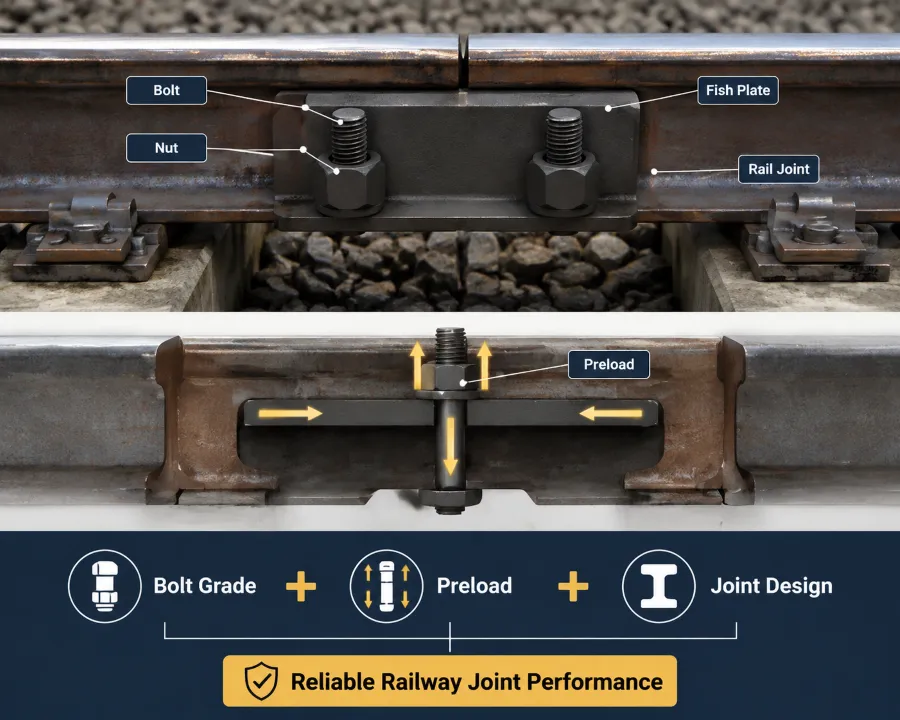
フィッシュボルトの場合, しかし, プロパティ クラスは、ボルトの直径や他の鉄道が使用しているものだけから選択してはなりません。. レールプロファイル, 魚皿のデザイン, 必要な予圧, ジョイントの配置と適用される規格をすべて考慮する必要があります.
からの移動 8.8 に 10.9 引張強度と降伏強度が大幅に向上します.
これは、接続に高いプリロードが必要な場合や、使用可能なボルト サイズがジョイントの設計によって制限されている場合に役立ちます。.
鉄道用途で, 負荷の大きいジョイントには、より高強度の締結具が考慮される場合があります, プロジェクト仕様でより高いプロパティ クラスが必要な構造接続およびアプリケーションが要求される.
しかし、時々見落とされる重要なポイントがあります:
ジョイントはやはり糸の品質に依存します, 接触面, ナットとワッシャー, ボルトのプリロード, コンポーネントの位置合わせと接続の設計.
同じジョイントに 2 つのボルトが取り付けられていると想像してください。. 一つは鉄道ボルトグレード 10.9 しかし、プリロード制御が不十分な状態で取り付けられている. もう一つは鉄道ボルトグレードです 8.8 プロジェクト仕様に従って正しくインストールされている.
高強度ボルトが自動的に勝つわけではない.
輪荷重の繰り返しにより周期的な荷重が発生するため、これは鉄道線路のジョイントでは特に重要です。. 目的は単にボルトの破損を防ぐことではありません. ジョイントは、使用中に必要なクランプ力を維持する必要もあります。.
鉄道ボルトグレード 12.9 よりも強度の高いプロパティ クラスです。 10.9, しかし、それが鉄道ファスナーの普遍的な選択肢になるわけではありません。.
一般に、高強度のファスナーでは、材料の状態をより慎重に制御する必要があります。, 熱処理, 表面処理と取り付け.
また、低強度クラスに比べて塑性変形の余地が少ない. アライメント不良に関連して, 破損したスレッド, 不適切な予圧またはその他の応力集中, より高い強度クラスを選択するだけでは、根本的な問題は解決されません。.
だからこそ、私は次のような仕様には注意したいのです。:
「鉄道ボルトグレードを使用」 12.9 その方が安全だからです。」
それは実際にはエンジニアリング仕様ではありません.
もっと良い質問は:
ジョイントはどのような荷重に耐える必要がありますか, どのようなプリロードが必要か, および該当する標準または工学計算でどのプロパティ クラスが指定されているか?
学年 12.9 設計が必要とする特殊な用途では意味をなす. But it should be selected because the connection requires that level of performance—not simply because 12.9 is the highest number on the shelf.
When discussing railway bolt grades, it is tempting to focus on tensile strength and ignore installation.
That is a mistake.
Bolt torque is used as a practical method of achieving the required preload, but torque is not a universal number for a particular railway bolt grade.
The relationship between torque and preload is affected by factors such as:
そのため, a generic statement such as “an M24 Grade 8.8 bolt should always be tightened to X Nm” can be misleading.
The correct torque or installation method should come from the relevant railway specification, fastener supplier’s technical data, or the joint design.
This is also why a calibrated torque tool matters. If installation teams use different tools, lubricants or tightening procedures without accounting for friction changes, the same torque reading may not produce the same preload.
For railway fish bolts, maintaining preload is often more important than simply choosing the strongest available bolt.
If you are dealing with recurring joint loosening, it is worth investigating the installation process before automatically changing from 8.8 に 10.9 または 12.9.
You may find that the problem is actually related to preload, joint movement, component wear, thread condition or installation procedure.
ファスナーの強度が高まるにつれて、表面処理の重要性が増します.
高張力鋼製ファスナーは、特定の加工および使用条件下では水素脆化の影響を受けやすい可能性があります。. 一部の洗浄中に水素が導入される可能性があります, 酸洗い, メッキまたはコーティング工程. スチールの場合, 加工経路や応力条件が好ましくない, 遅れて脆性破壊が発生する可能性がある.
これが、コーティングを見た目の選択として扱ってはいけない理由の 1 つです.
鉄道用ボルトグレード 10.9 特に鉄道ボルトのグレード 12.9 ファスナー, the coating system should be selected together with the fastener material and the applicable standard. The supplier should be able to explain the surface-treatment process and the controls used to manage hydrogen-embrittlement risk where applicable.
The correct solution may vary depending on the coating system and project requirements.
For railway applications exposed to rain, 湿度, coastal air, tunnels or de-icing environments, corrosion protection also needs to be considered. A bolt that has excellent mechanical properties but loses its section through corrosion is not a reliable fastener.
はい.
A high-strength bolt should not be evaluated by itself.
The nut, ワッシャー, threads and mating components form a joint. If one component has inadequate strength or the wrong geometry, upgrading the bolt alone may provide little benefit.
例えば, using a railway bolt Grade 10.9 bolt with an unsuitable nut does not create a Grade 10.9 connection.
The same principle applies to washers and anti-loosening arrangements. A spring washer, locking nut or other device should not be selected simply because it was used on another railway project.
The connection should be designed around the actual vibration, load and maintenance conditions.
This is where railway fasteners differ from a simple hardware-store comparison.
A drawing may specify a bolt property class such as 8.8 または 10.9, but it may also specify:
言い換えると, 8.8 is not a complete bolt specification.
The same applies to 10.9 そして 12.9.
North American projects may use ASTM specifications for structural fasteners, while other railway systems may reference EN, UIC, national or project-specific requirements. ASTM F3125/F3125M, 例えば, consolidates several previous structural-bolt specifications including A325 and A490. It should not be treated as a simple one-to-one conversion table with ISO 898 property classes.
If your drawing says ASTM, follow the ASTM requirement. If it specifies ISO 898-1 property class 10.9, follow that requirement. If the railway project specifies a particular UIC, EN or national standard, that standard takes priority.
Do not select a substitute just because the tensile strength appears similar.
There is no single railway bolt grade that is correct for every railway application.
A practical selection process looks more like this:
| 質問 | なぜそれが重要なのか |
| What is the joint carrying? | Determines the required load capacity |
| What preload is required? | Influences bolt size and property class |
| Which railway standard applies? | 技術的要件を定義します |
| 環境条件は何ですか? | 腐食とコーティングの選択に影響します |
| ボルトはどのように取り付けられるのでしょうか? | 達成可能な予圧に影響を与える |
| 必要なナットとワッシャーは何ですか? | 完全なジョイントが連携して機能する必要があります |
| どのような検査が必要か? | 製造と設置の品質を確認します |
例えば, 従来の線路接続ではグレードを使用できます 8.8 それが該当する設計と規格で要求されている場合.
より負荷の高い接続にはグレードが必要になる場合があります 10.9.
特殊なアプリケーションにはグレードが必要な場合があります 12.9.
重要な部分は、決定の背後にあるエンジニアリング プロセスです.
| プロパティクラス | 強度レベル | 一般的な考慮事項 |
| 8.8 | 一般高強度クラス | 強さのバランスが良い, 延性と可用性 |
| 10.9 | より高強度クラス | より高い予圧または強度が必要な場合に役立ちます |
| 12.9 | 非常に高強度なクラス | Special applications requiring careful engineering and process control |
This is a starting point, not a universal railway specification.
The final selection should always be checked against the actual joint design and applicable standard.
When buying railway fish bolts or other railway fasteners, I would not stop at asking:
“What railway bolt grade is it?」
Ask for the complete specification.
A reliable supplier should be able to provide information such as:
For larger railway projects, トレーサビリティは特に重要です. The bolts delivered to the site should be linked back to the relevant production batch and inspection records.
That makes it much easier to investigate a problem if a joint later shows abnormal loosening, corrosion or damage.
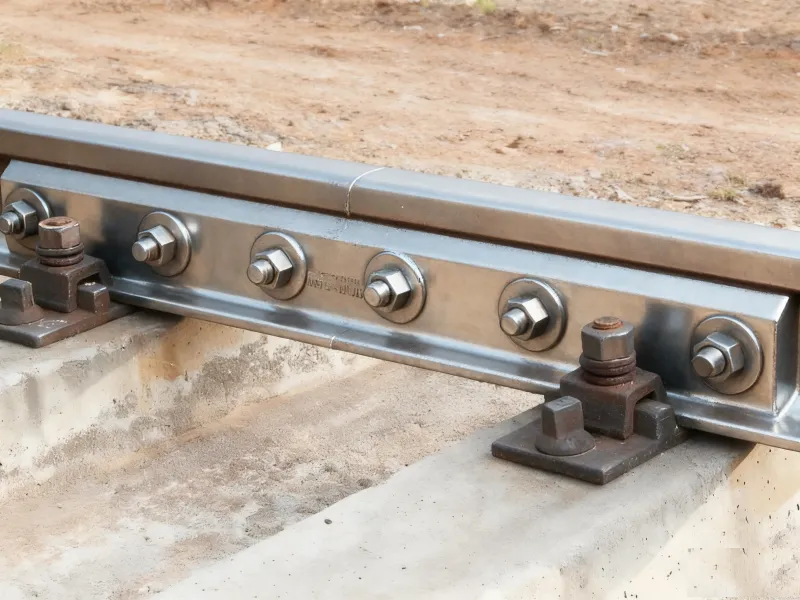
The numbers 8.8, 10.9 そして 12.9 are useful because they give engineers a common way to describe bolt mechanical properties.
But a railway bolt is more than a strength number.
A reliable rail joint depends on the complete system: ボルト, ナット, ワッシャー, threads, mating components, プリロード, コーティング, installation and maintenance.
That is why I would not recommend choosing 12.9 simply because it is stronger than 10.9, or choosing 10.9 simply because another railway uses it.
Start with the joint.
Then check the applicable standard.
Then determine the required property class.
ついに, make sure the manufacturing and installation processes can consistently achieve the required performance.
で 洛陽豊洋重工業株式会社, 株式会社., 当社は以下を含む鉄道ファスナーを製造しています。 フィッシュボルト, 魚のプレート, 弾性レールクリップ そして レールパッド, 顧客の図面によると, 適用される規格とプロジェクト要件. 鉄道ファスナー用, 必要な材料グレードを確認できます, 寸法, 熱処理, 生産前のコーティングと検査の要件.
図面があれば, 仕様または既存のボルトサンプル, 詳細をお送りください. 当社のエンジニアリングチームは、必要な鉄道ボルトのグレードの確認をお手伝いします。, 見積前に適用される規格および生産要件.
これらは、炭素鋼および合金鋼のファスナーの機械的特性を記述するために使用される ISO 特性クラスです。. 簡単に言うと, 8.8 公称値に相当する 800 引張強さMPa, 10.9 に 1,000 MPa, そして 12.9 に 1,200 MPa.
完全な要件は、該当する規格のエディションとボルト直径の範囲によって異なります。.
単一の「最高」グレードはありません.
学年 8.8 設計で一般的な高強度ファスナーが必要な場合に適している場合があります。. 学年 10.9 より大きな強度または予圧が必要な場合に選択できます。. 学年 12.9 is generally reserved for applications where the engineering specification requires its higher strength level.
The applicable railway standard and joint design should determine the final choice.
いいえ.
A higher property class provides greater strength, but it does not automatically improve the performance of the complete joint. インストール, プリロード, コーティング, 腐食, thread condition and component compatibility are also important.
自動的ではありません.
Changing the property class can affect preload, tightening requirements, 表面処理, nut selection and joint behavior. Any substitution should be approved against the applicable engineering specification.
They belong to different specification systems and should not be treated as direct equivalents.
ASTM A325 and A490 were incorporated into the ASTM F3125/F3125M structural bolt specification system. The relevant ASTM specification should be followed when a project calls for ASTM fasteners.
Start with the rail and fish plate system, applicable railway standard, bolt dimensions, required joint preload and service conditions.
Do not choose the grade based only on axle load or bolt diameter. The complete joint needs to be considered.
Loosening can result from insufficient or inconsistent preload, joint movement, 振動, worn components, incorrect tightening procedures, thread or contact-surface conditions, and other factors.
Changing to a higher-strength bolt may not solve the problem if the underlying joint condition has not been addressed.