WeChat コードをスキャンしてご連絡ください
WeChat コードをスキャンしてご連絡ください
お気軽にメールをお送りください。できるだけ早くご返信させていただきます.
心と魂で未来を創る


鉄道枕木 単純な構造コンポーネントのように見えるかもしれません, しかし、鉄道工学に携わる者なら誰でも、鉄道が線路の性能に重大な影響を与えることを知っています。. 彼らはレールを支えます, 正しいゲージを維持する, 車輪荷重をバラストまたはスラブに伝達する, レール固定システムと連携して、繰り返しの動的荷重下でも線路を安定に保ちます。.
適切な鉄道枕木を選択することは、単に強度の高い材料を選択することだけではありません。. 重量物貨物線で良好なパフォーマンスを発揮する枕木は、地下鉄システムには最適な選択ではない可能性があります, 一方、初期コストが最も低い材料でも、耐用年数にわたってはるかに多くのメンテナンスが必要になる場合があります。.
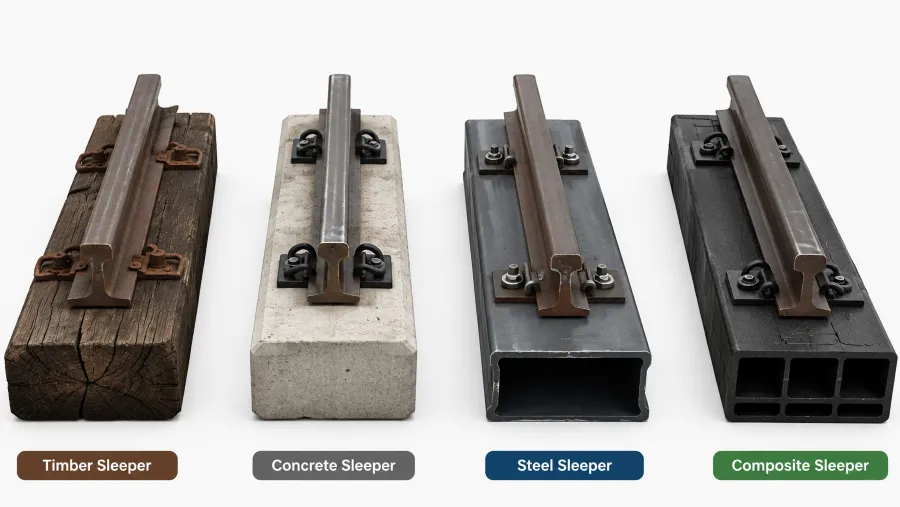
今日, 4種類の鉄道枕木が世界中で広く使用されています:
それぞれに独自の強みがあります, 制限事項, 理想的なアプリケーション. 最適なオプションは軸荷重などの要因によって異なります, 電車の速度, 気候, メンテナンス戦略, 環境条件, そしてプロジェクトの予算.
このガイドでは, コンクリートを比較してみます, 木材, 鋼鉄, エンジニアリングの観点から見た複合枕木と. 単純にメリットとデメリットを列挙するのではなく、, 各材料の性能が異なる理由と、最大の価値を発揮する場所について説明します。. 新しい鉄道を設計している場合でも、, 既存のラインをアップグレードする, または鉄道部品の調達, これらの違いを理解すると、より多くの情報に基づいた意思決定ができるようになります.
人々が鉄道インフラについて考えるとき, 彼らは通常、鉄道や電車に焦点を当てます. 実際には, トラック構造全体の安定性は、いくつかのコンポーネント間の相互作用に依存します。, 鉄道の枕木はその中でも最も重要なものの 1 つです.
あ 鉄道枕木 いくつかの重要な機能を実行します:
枕木が適切に選択されていない場合, 高品質のレールや留め具であっても、線路の形状を長期間維持することはできません。.
このため, 鉄道エンジニアが枕木を単独で評価することはほとんどありません. その代わり, 彼らはトラックシステム全体を考慮します, レールも含めて, レールクリップ, レールパッド, 締結アセンブリ, バラストの状態, および想定される動作環境.
あ 鉄道枕木 ある締結システムでうまく機能しても、別の締結システムには適さない可能性があります. 同じく, 高速旅客線用に設計された枕木は、高い軸重を運ぶ重量貨物輸送路に必要な耐久性を備えていない可能性があります。.
適切なまくらぎ素材により線路の安定性だけでなくメンテナンス効率も向上, 乗り心地, 鉄道の全体的なライフサイクルコスト.
特殊な枕木設計が多数存在しますが、, 現代の鉄道には主に4つの材料が使用されています.
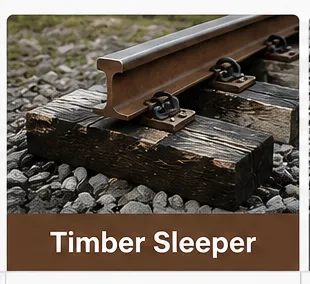
木材枕木は鉄道枕木の中で最も古いタイプであり、鉄道建設の初期の頃から使用されています。. 今日も, 北米では依然として一般的です, オーストラリア, および多くの既存の鉄道網.
木材枕木が長く生き残ってきた理由の 1 つは、その柔軟性にあります。. 木材は振動や衝撃荷重を自然に吸収します, ある程度の弾力性が必要な場所に適しています.
木製枕木も比較的簡単に穴あけできます, カット, または現場で修正する. この柔軟性により、特にスイッチに役立ちます。, 交差点, 橋, カスタマイズされたインストールが必要となることが多いメンテナンス作業.
しかし, 木材は有機材料です, 耐久性は湿気に大きく影響されます, 昆虫, 菌類, そして気象条件. たとえ防腐剤で処理されていても、, 木製まくらぎは一般に、コンクリートや鋼製のまくらぎよりも耐用年数が短いです。.
メンテナンスの観点から, より頻繁な検査と交換が必要です, 特に交通量の多い鉄道路線では.
今日, 木製枕木は最も一般的に使用されます:
木材枕木は、ほとんどの新しい高速鉄道や重量物鉄道ではもはや好ましい選択肢ではありませんが、, 最大耐用年数よりも柔軟性とメンテナンスの容易さが重要な用途において、実用的な利点を提供し続けます。.
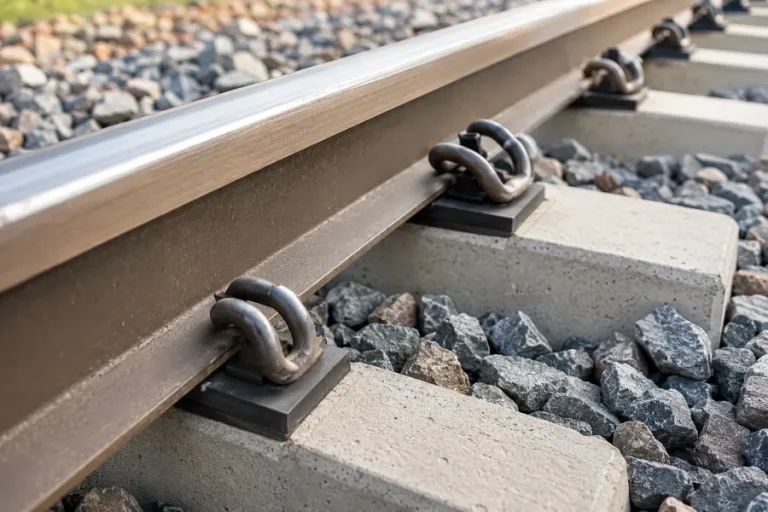
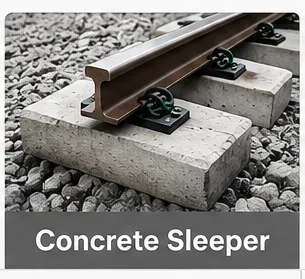
新しく建設された高速鉄道を訪れたら, 地下鉄線, または世界中のほぼどこにでもある重量物貨物輸送路, コンクリートの枕木が見つかる可能性が高いです.
広く使用されているのは偶然ではありません. コンクリート枕木は強度の優れたバランスを提供します, 耐久性, 寸法安定性, 長期にわたるメンテナンス性能, 最新の鉄道インフラに最適な選択肢となっています。.
ほとんどのコンクリート枕木はプレストレストコンクリート枕木として製造されています。. 生産中, 高張力鋼の緊張材はコンクリートを注入する前に張られます。. コンクリートが必要な強度に達したら, 緊張が解放される, 枕木内部に永続的な圧縮応力を生み出す. これにより耐亀裂性が大幅に向上し、まくらぎは耐用年数を通じて何百万回もの繰り返しの輪荷重に耐えることができます。.
木製枕木との比較, コンクリート枕木ははるかに重いです. これにより輸送コストと設置コストが増加しますが、, 追加の重量は、高速交通や重い軸重の下でもトラックの安定性を維持するのにも役立ちます。. 質量の増加により、寝台車の動きが軽減されます。, 横方向の力に対する耐性を向上させます, 時間の経過とともにより良いトラックジオメトリに貢献します.
もう一つの利点は一貫性です. コンクリートまくらぎは規格化された型枠と厳格な品質管理を用いて製造されているため、, どの枕木もほぼ同じ寸法です. これにより、レールの設置がより正確になり、鉄道の耐用年数全体にわたって設計された軌道ゲージを維持するのに役立ちます。.
コンクリート枕木は特に次の用途に適しています。:
もちろん, コンクリート枕木は完璧ではありません. 重量が大きいため、設置時に吊り上げ装置が必要になります, 損傷した枕木の修理は、木製の枕木を交換するよりも困難です. 加えて, バラスト基礎のメンテナンスが不十分な場合, コンクリートは木材よりも柔軟性が低いため、衝撃力が増加する可能性があります.
ほとんどの最新の鉄道プロジェクトに対応, しかし, これらの欠点は、メンテナンス要件の軽減と耐用年数の大幅な長さによって補われます。. これが、コンクリート枕木が新しい鉄道建設の世界標準となっている理由です。.
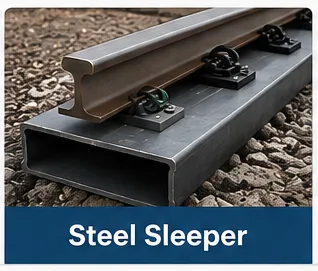
鋼製鉄道枕木は 1 世紀以上使用されています, とはいえ、その用途は常にコンクリートや木材よりも特殊なものでした。.
コンクリート枕木とは異なります, 鋼製まくらぎは、鋼板を所定の断面形状に成形、プレス加工して製造されます。. これにより、全体の重量をコンクリートよりも低く抑えながら、高い強度が得られます。.
エンジニアが評価する特徴の 1 つは、優れた寸法精度です。. 鋼製枕木は厳しい公差で製造されています, 正確なトラックジオメトリが不可欠なプロジェクトに適しています。.
鋼材は木材が急速に劣化する環境でも優れた性能を発揮します. シロアリの影響を受けない, 真菌の腐敗, または木材と同じように湿気, 生物学的劣化が懸念される熱帯気候や地域では魅力的な選択肢となります。.
もう一つの利点はリサイクル可能です. 耐用年数の終わりに, 鋼製枕木はほぼ完全にリサイクル可能, 材料の無駄を削減し、持続可能性の目標をサポート.
しかし, 鋼製枕木にもいくつかの工学的課題があります.
鋼は導電性が高く、比較的硬いため, 振動と騒音の伝達が木製枕木よりも大きくなる可能性がある. 腐食保護も重要な考慮事項です, 特に攻撃的な化学物質が存在する沿岸環境や地域では. したがって、長期にわたる性能を維持するには、保護コーティングと定期的な検査が不可欠です。.
鋼製枕木は一般的に使用されます:
世界の鉄道枕木市場のほんの一部にすぎませんが、, 鋼製枕木は、特定の環境要件または運用要件を持つプロジェクトにとって依然として効果的なソリューションです.
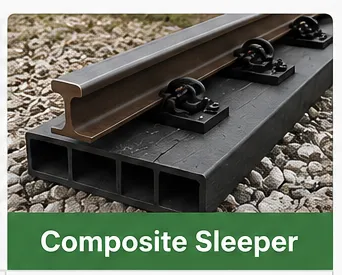
複合鉄道枕木は鉄道枕木の最新の主要カテゴリーであり、鉄道事業者がより持続可能なインフラソリューションを模索する中、注目を集め続けています。.
天然木材や鉄筋コンクリートの代わりに, 複合枕木は再生プラスチックを使用して製造されています, グラスファイバー, 合成樹脂, または他の人工複合材料. メーカーが異なれば使用する配合も異なります, しかし全体的な目的は同じです: 現代の素材の耐久性と伝統的に木材に関連付けられていた柔軟性を組み合わせる.
エンジニアリングの観点から, 複合枕木は特性の興味深いバランスを提供します.
腐らない, 水を吸収する, または枕木などの虫害を受ける. また、コンクリート枕木よりもはるかに軽いです。, 重量物を持ち上げる機器が使用できない場所での輸送と設置が容易になります。.
鉄道保守チームがよく評価する機能の 1 つは、複合枕木は通常、穴あけが可能であることです。, カット, 木材に使用されるものと同様のツールを使用して現場で機械加工されます。. そのため、橋の更新に特に適しています。, トンネルのメンテナンス, カスタマイズされたインストールが必要な場合のアップグレードを追跡します.
複合枕木は優れた電気絶縁性と優れた振動減衰性も備えています。, 特定の鉄道システムにおける迷走電流の問題を軽減し、乗り心地を向上させるのに役立ちます。.
主な制限はコストです. 初期購入価格は通常、木材やコンクリートの枕木よりも高くなります. Because composite technology is still evolving, long-term field data covering 40 に 50 years of service is also less extensive than for traditional materials.
それにもかかわらず, when maintenance costs, environmental resistance, and expected service life are considered together, composite sleepers often deliver competitive life-cycle value.
Today they are increasingly used in:
There is no single railway sleeper that performs best in every situation. The right choice depends on the operating conditions, メンテナンス戦略, environmental factors, and life-cycle cost of the railway.
The table below summarizes the key differences between the four major railway sleeper materials.
| 特徴 | 木材枕木 | Concrete Sleepers | Steel Sleepers | Composite Sleepers |
| 初期費用 | 低い | 中くらい | 中くらい | 高い |
| 耐用年数 | 20–30 years* | 40–60 years* | 30–50 years* | 40–50+ years* |
| 重さ | Light | 重い | 中くらい | 中くらい |
| Track Stability | Good | Excellent | Very Good | Very Good |
| メンテナンス | 高い | 低い | 中くらい | 低い |
| 耐食性 | Excellent | Excellent | Requires protection | Excellent |
| Rot & Insect Resistance | Poor | Excellent | Excellent | Excellent |
| Noise & 振動減衰 | Excellent | Good | Fair | Very Good |
| インストール | Easy | Heavy lifting required | 適度 | Easy |
| Recyclability | 適度 | 適度 | Excellent | Good |
| 代表的な用途 | 投票率, 橋, secondary lines | 高速, 貨物, 地下鉄 | マイニング, 工業用, desert railways | Bridges, トンネル, wet environments |
*Actual service life depends on axle load, 交通密度, 気候, メンテナンスの実践, and local operating conditions.
Although comparison tables provide a useful overview, they should never be the only basis for selecting railway sleepers. エンジニアリング上の決定では、単一のコンポーネントに焦点を当てるのではなく、常に鉄道システム全体を考慮する必要があります。.
例えば, 32.5 トンの軸重を運ぶ重量物鉄道は、軽工業鉄道とは非常に異なる要求を線路に課します。. 同じく, 塩飛沫にさらされる沿岸鉄道は、乾燥した内陸貨物輸送回廊とは異なる耐久性の課題に直面する.
これが、経験豊富な鉄道エンジニアが枕木とレールセクションを評価する理由です。, バラストの品質, 締結システム, 排水条件, メンテナンス能力, 最終的な決定を下す前に、予想される交通量を考慮してください.
お客様から最もよく聞かれる質問の 1 つは次のとおりです。:
“どの枕木が最高ですか?”
答えは驚くほど簡単です:
普遍的なものはない “最高” railway sleeper—only the sleeper that best matches your operating conditions.
Below are some typical recommendations based on common railway applications.
Concrete railway sleepers are the preferred choice for high-speed lines because they provide excellent stiffness, dimensional consistency, and long-term track stability.
At speeds exceeding 250 km/h, maintaining precise track geometry becomes critical. The heavier weight of concrete sleepers helps resist track movement, while prestressed construction minimizes cracking under repeated dynamic loading.
このため, nearly all newly constructed high-speed railways use prestressed concrete sleepers.
Heavy-haul railways carrying high axle loads require sleepers capable of resisting enormous vertical and lateral forces over millions of loading cycles.
強度の点から、一般的にコンクリート枕木が第一選択となります。, 耐久性, メンテナンスの必要性が低い.
しかし, 線路レイアウトが頻繁に変更される鉱山鉄道または産業運営において, 鋼製枕木は回復が容易であるため、実用的な利点もある可能性があります。, 移転する, そしてリサイクルする.
都市鉄道システムは異なる優先順位の下で運用されています.
構造性能だけでなく, オペレーターは乗り心地を重視することが多い, 振動制御, メンテナンスの効率化.
コンクリート枕木は、安定した形状と長い耐用年数を提供するため、地下鉄システムにとって依然として最も一般的な選択肢です。. 振動や迷走電流に対する厳しい要件がある場所, 線路の特定のセクションでは複合枕木も考慮される場合があります.
Bridges, スイッチ, また、踏切では多くの場合、設置またはメンテナンス中に変更できる枕木が必要になります。.
これが、木材枕木がこれらの場所で広く使用され続ける理由の 1 つです.
複合枕木も木材の設置上の利点の多くと耐湿性の大幅な向上を兼ね備えているため、ますます人気が高まっています。, 昆虫, そして風化.
湿気は鉄道インフラにとって最大の課題の 1 つです.
木製枕木は湿気に継続的にさらされるとより早く劣化する可能性があります, 一方、保護されていない鋼製枕木は慎重な腐食管理が必要です.
コンクリートおよび複合枕木は、生物学的分解および吸水に対する優れた耐性により、一般に湿った環境でより優れた性能を発揮します。.
産業施設, 建設用鉄道, 一時的なトラックは多くの場合、柔軟性と初期投資の削減を優先します。.
使用条件による, 木材または鋼製の枕木が最も経済的な解決策となる可能性があります, 特に、プロジェクトの存続期間中にトラックのレイアウトが変更されることが予想される場合.
結局のところ, 適切な鉄道枕木を選択するには、初期投資と長期的な運用コストのバランスが重要です.
購入価格が最も低い枕木では、より頻繁な交換とより高いメンテナンス費用が必要になる可能性があります。, 一方、より耐久性のあるオプションではトラックの占有量を減らすことができます, メンテナンスの手間, 数十年にわたるライフサイクル支出.
このため, 多くの鉄道当局は現在、購入価格だけではなく、総ライフサイクルコストに基づいて鉄道枕木プロジェクトを評価しています。.
Choosing the right railway sleeper is only part of the engineering decision. Equally important is selecting a rail fastening system that is compatible with the sleeper material.
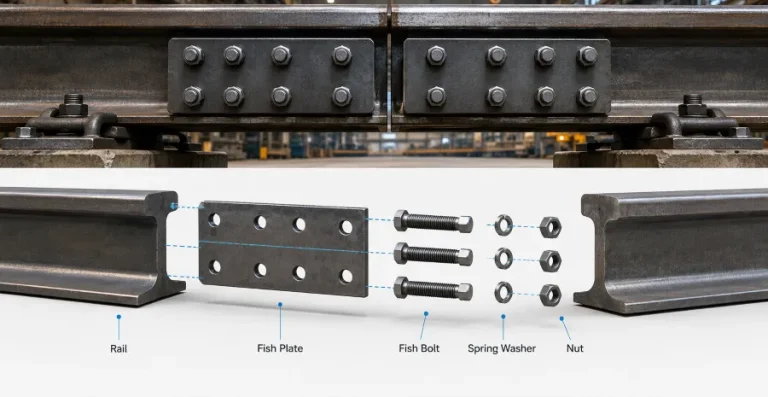
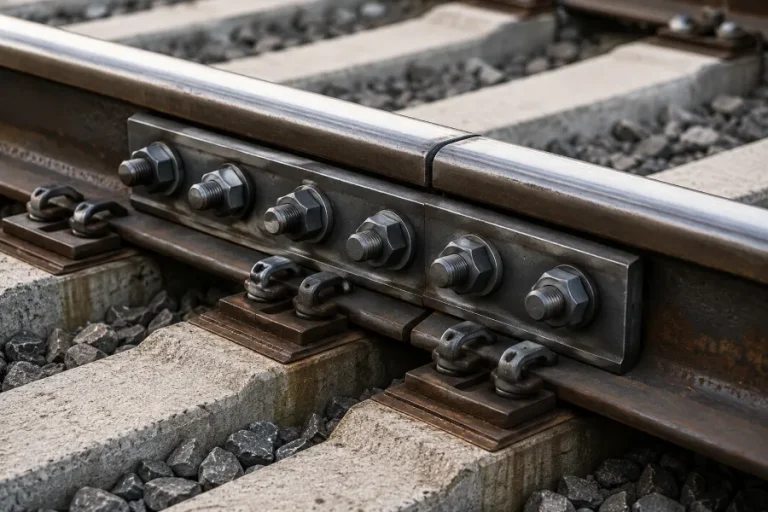
レール, 枕木, レールクリップ, レールパッド, 魚のプレート, そして fastening fish bolts work together as one system. Changing the sleeper material often means changing the fastening arrangement as well.
This is why railway engineers evaluate the complete track structure instead of selecting each component independently.
Concrete sleepers are typically designed with cast-in shoulders or embedded inserts during manufacturing. These components provide secure anchoring points for elastic rail clips.
A typical concrete sleeper fastening assembly may include:
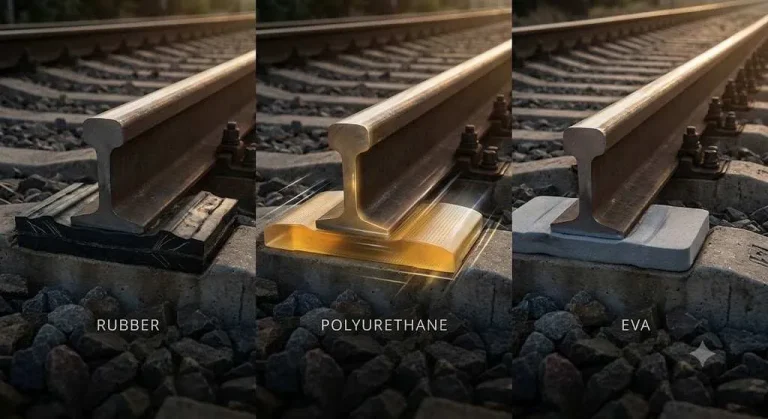
Because concrete is rigid, 弾性レールクリップとレールパッドは特に重要な役割を果たします. 衝撃荷重を吸収し、レールから枕木に伝わる振動を軽減しながら、必要なクランプ力を提供します。.
この組み合わせにより、コンクリートまくらぎは優れた線路形状を維持しながら、現代の鉄道運営に必要な弾力性を実現できます。.
木製枕木は、留め具を木材に直接取り付けることができるため、取り付け時の柔軟性が高くなります。.
鉄道規格による, 一般的に使用される木製枕木:
木製枕木の利点の 1 つは、損傷した固定箇所を現場で修理または修正できることが多いことです。. This flexibility makes timber sleepers particularly suitable for turnouts, 橋, and maintenance work where customized installation is frequently required.
しかし, repeated loading may gradually reduce the holding strength of fasteners if the timber deteriorates with age or moisture exposure.
Steel sleepers require specially designed fastening systems because the sleeper itself is manufactured from formed steel sections.
Unlike timber, fasteners cannot simply be driven into the sleeper, and unlike concrete, there are no cast-in inserts. その代わり, fastening components are designed specifically to match the geometry of the steel sleeper.
Electrical insulation is another important consideration. Since steel is conductive, insulating components are required to prevent unwanted electrical current from passing through the track structure in electrified railway systems.
Composite sleepers are generally designed to be compatible with fastening methods already used for timber sleepers, making them a practical replacement in many track renewal projects.
Because composite materials can usually be drilled and machined on site, installation procedures are often familiar to maintenance crews.
それにもかかわらず, engineers must still verify that the fastening system is compatible with the mechanical properties of the composite material. Factors such as screw pull-out resistance, fastening torque, and long-term load distribution should all be considered during system design.
Selecting high-quality sleepers alone does not guarantee reliable track performance.
A concrete sleeper paired with an unsuitable rail clip, or a composite sleeper fitted with an incompatible fastening arrangement, can lead to premature component wear, クランプ力の低下, メンテナンス要件の増加, and even deterioration of track geometry over time.
このため, railway infrastructure projects are increasingly specified as complete fastening systems rather than individual components.
When evaluating a railway project, engineers typically consider:
Only when these elements work together can the track achieve the durability, 安全性, and reliability expected throughout its service life.
コンクリート, 木材, 鋼鉄, and composite railway sleepers all have important roles in today’s railway industry. None of them is universally better than the others, because each material has been developed to solve different engineering challenges.
Concrete sleepers have become the preferred choice for most new mainline, 地下鉄, and high-speed railway projects thanks to their strength, 安定性, そして長寿命.
Timber sleepers remain valuable for bridges, 投票率, and maintenance applications where flexibility and ease of modification are essential.
Steel sleepers continue to provide reliable performance in mining railways, industrial lines, and environments where durability and recyclability are priorities.
Composite sleepers represent an increasingly attractive alternative for bridge renewals, wet environments, and projects seeking longer service life with reduced maintenance.
The key is to evaluate the railway as a complete system rather than selecting components individually. The right sleeper, combined with a properly designed rail fastening system, helps improve track stability, メンテナンスコストを削減する, and extend the service life of the entire railway infrastructure.
で 洛陽豊洋重工業株式会社, 株式会社., we manufacture a wide range of railway fastening components that are compatible with concrete, 木材, 鋼鉄, and composite sleeper systems. Our product portfolio includes レールクリップ, レールパッド, 魚皿, フィッシュボルト, and other railway fastening components manufactured to international standards for freight, 乗客, 地下鉄, and heavy-haul railway projects worldwide.
If you’re selecting railway sleepers for a new project or upgrading an existing railway line, our engineering team can help you identify fastening solutions that match your track design and operating requirements.
There is no single best railway sleeper material for every project. Concrete sleepers are generally preferred for high-speed and heavy-haul railways because of their durability and stability. Timber sleepers remain suitable for bridges and turnouts, while steel and composite sleepers are often selected for specific environmental or operational requirements.
Concrete railway sleepers offer a long service life, 優れた寸法安定性, and lower maintenance requirements than timber sleepers. Their strength and resistance to repeated dynamic loading make them the preferred choice for most modern railway infrastructure.
はい. Although concrete sleepers dominate new railway construction, timber sleepers are still widely used for railway bridges, スイッチ, 交差点, 歴史的鉄道, and maintenance projects where on-site modification is important.
Composite railway sleepers resist moisture, 昆虫, and rot while providing good vibration damping and electrical insulation. They are increasingly used in bridges, トンネル, coastal railways, and environmentally sensitive areas where long service life is required.
Service life depends on material, traffic conditions, メンテナンス, and climate.
Typical service lives are:
Actual performance varies depending on axle loads and operating conditions.
Prestressed concrete sleepers are generally the preferred choice for heavy-haul railways because they provide excellent load capacity, トラックの安定性, and resistance to repeated fatigue loading.
常にではありません. Different sleeper materials require different fastening arrangements. Concrete sleepers commonly use elastic rail clips with cast-in shoulders or inserts, while timber, 鋼鉄, and composite sleepers require fastening systems specifically designed for their structural characteristics.
Neither material is universally better. Concrete sleepers are generally preferred for high-speed and mainline railways, while steel sleepers perform well in mining railways, 産業用トラック, desert environments, and projects where recyclability is important.
Important factors include axle load, 電車の速度, 交通密度, 気候, メンテナンス戦略, バラストの状態, environmental exposure, fastening system compatibility, and total life-cycle cost rather than purchase price alone.
Railway sleepers and fastening components work together as a complete track system. Selecting compatible rail clips, レールパッド, 絶縁体, and fastening hardware helps maintain track geometry, improve vibration control, reduce maintenance, and extend the service life of the railway.