WeChat コードをスキャンしてご連絡ください
WeChat コードをスキャンしてご連絡ください
お気軽にメールをお送りください。できるだけ早くご返信させていただきます.
心と魂で未来を創る


In many fields, such as machinery manufacturing and railway engineering, cast iron parts are widely used due to their good casting performance, shock absorption and wear resistance. Different countries and regions have formulated their standards for cast iron parts, among which the European standard (で 1563) and the American standard (ASTM A536) are the more common ones. それで, what are the differences between cast iron parts under these two standards?
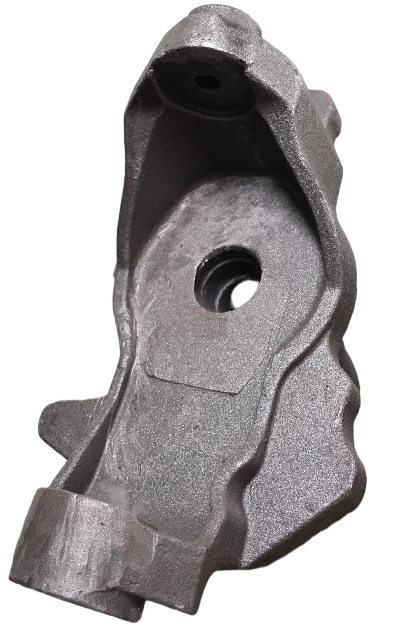
で 1563 divides ductile iron parts into multiple grades, represented by grades composed of letters and numbers, such as EN-GJS-400-18. その中で, “で” represents European standards, “GJS” represents ductile iron, “400” represents the minimum tensile strength (in MPa), そして “18” represents the minimum elongation (%). This grading system intuitively reflects the key mechanical performance indicators of cast iron parts, making it easy for users to choose according to actual needs.
ASTM A536 also classifies ductile iron castings with grades such as 60-40-18. Here, “60” represents the minimum tensile strength (in ksi, 1 ksi≈6.895 MPa, which is approximately 414 MPa after conversion), “40” represents the minimum yield strength (in ksi, which is approximately 276 MPa after conversion), そして “18” represents the minimum elongation (%). Compared with EN 1563, the grades of ASTM A536 focus more on reflecting both tensile strength and yield strength.
In terms of chemical composition, で 1563 specifies the content range of elements such as carbon, シリコン, マンガン, sulfur, and phosphorus for different grades of cast iron. 例えば, for some grades, the carbon content is required to be between 3.5% そして 3.9%, and the silicon content is required to be between 2.2% そして 2.8%. Reasonable chemical composition control helps to ensure the organization and performance of cast iron parts.
ASTM A536 also has clear requirements for chemical composition, but the specific values are different from EN 1563. 例えば, its carbon content may range from 3.2% に 3.9%, and the silicon content may range from 2.0% に 2.8%. These differences reflect the different emphasis of different standard setters on the performance requirements of cast iron parts and are also related to the raw material supply and process characteristics of their respective regions.
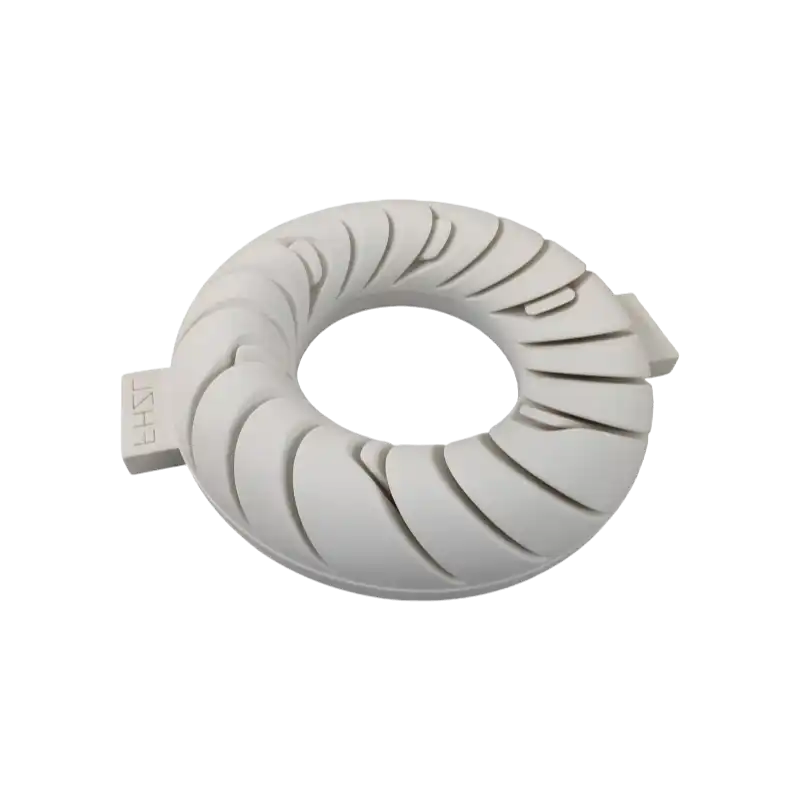
The mechanical performance indicators specified by EN 1563 include tensile strength, 降伏強さ, elongation and hardness. Different grades of cast iron parts have different requirements on these indicators to meet the needs of different application scenarios. 例えば, some high-strength grade cast iron parts require a tensile strength of more than 600 MPa and an elongation of not less than 10%.
ASTM A536 also focuses on these mechanical performance indicators, but due to the different ways of expressing its grade, the specific requirements for strength and elongation are different from EN 1563. 例えば, some ASTM A536 grade cast iron parts may have higher requirements in tensile strength and yield strength to meet the demand of the US market for high-strength cast iron parts.
で 1563 specifies detailed inspection and acceptance rules, including sampling methods, test items and qualified judgment criteria. 例えば, each batch of cast iron parts is required to be tested for mechanical properties such as tensile strength and elongation, and the chemical composition is tested at the same time. Only when all indicators meet the standard requirements can the batch of cast iron parts be judged to be qualified.
ASTM A536 also has similar inspection and acceptance regulations, but there may be differences with EN 1563 in specific operational details. 例えば, the number and location of sampling, the specific method of testing, 等, may be different.
There are certain differences between EN 1563 and ASTM A536 in classification and grade system, chemical composition requirements, mechanical performance indicators, and inspection and acceptance rules. In actual applications, users should select cast iron parts that meet the corresponding standards according to the specific use environment and performance requirements to ensure the quality and reliability of the product.
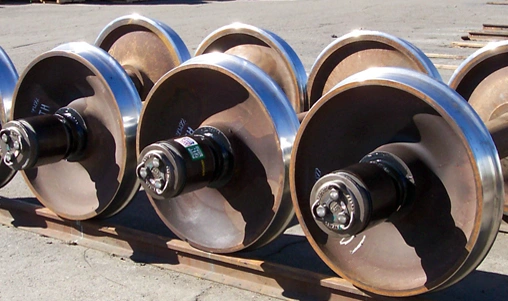
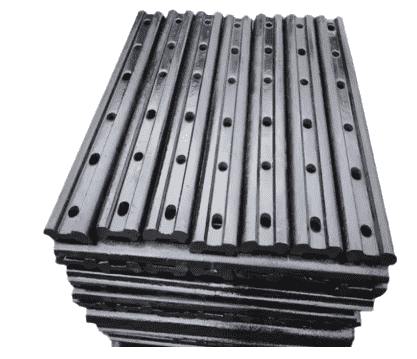
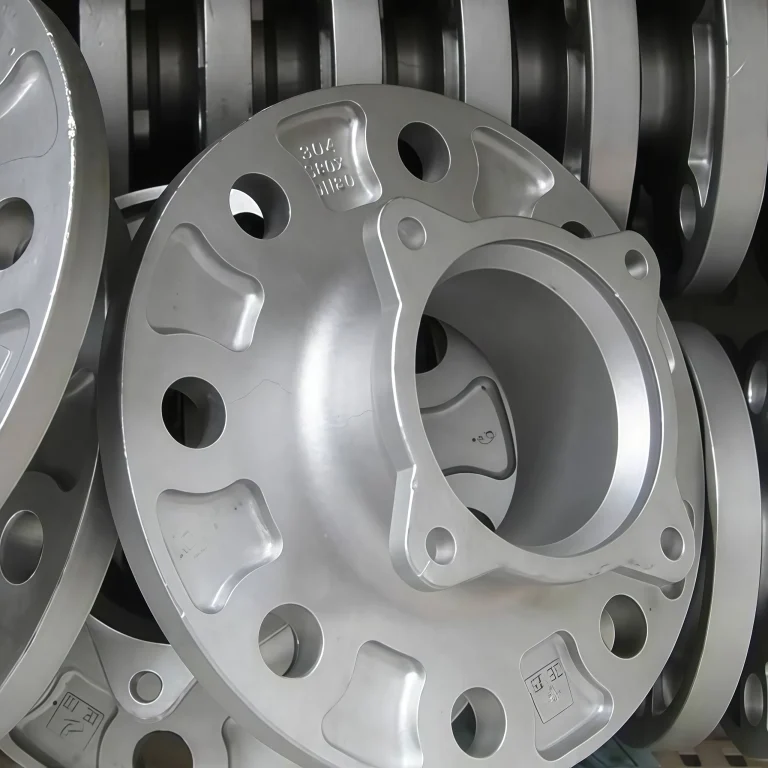
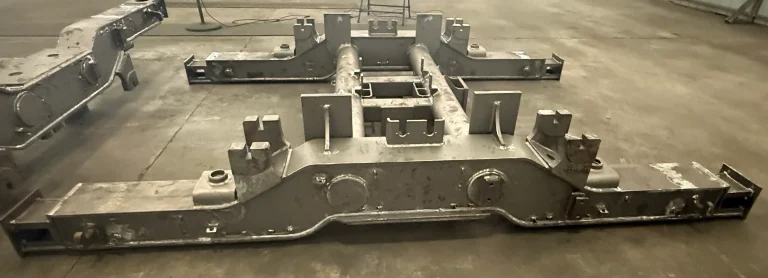
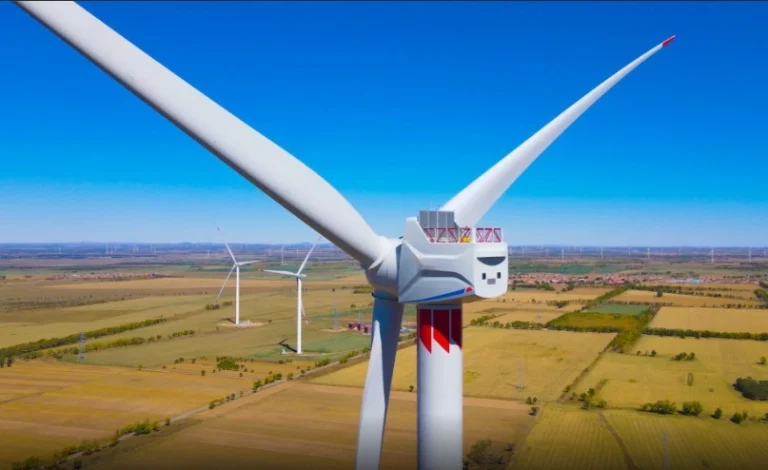
洛陽豊洋重工業株式会社, 株式会社,1998年に設立された鉄道鋳造部品のメーカーです。当社の工場面積は72,600㎡です。, 以上の 300 従業員, 32 技術者, 含む 5 シニアエンジニア, 11 アシスタントエンジニア, そして 16 当社の生産能力は 30,000 年間トン. 現在, 私たちは主に鋳物を生産しています, 機械加工, 機関車の組立て,鉄道車両,高速鉄道, 鉱山機械,風力,etc.当社の製品はロシアに輸出されています, 米国, ドイツ, アルゼンチン, 日本, フランス, 南アフリカ,イタリアとその他の国.
接触: ステラ・リュー
電子メール:[email protected]
携帯:+8615515351287