قم بمسح رمز WeChat للاتصال بنا
قم بمسح رمز WeChat للاتصال بنا
لا تتردد في مراسلتنا عبر البريد الإلكتروني وسوف نقوم بالرد عليك في أقرب وقت ممكن.
صنع المستقبل بالقلب والروح


In many fields, such as machinery manufacturing and railway engineering, cast iron parts are widely used due to their good casting performance, shock absorption and wear resistance. Different countries and regions have formulated their standards for cast iron parts, among which the European standard (في 1563) and the American standard (ASTM A536) are the more common ones. لذا, what are the differences between cast iron parts under these two standards?
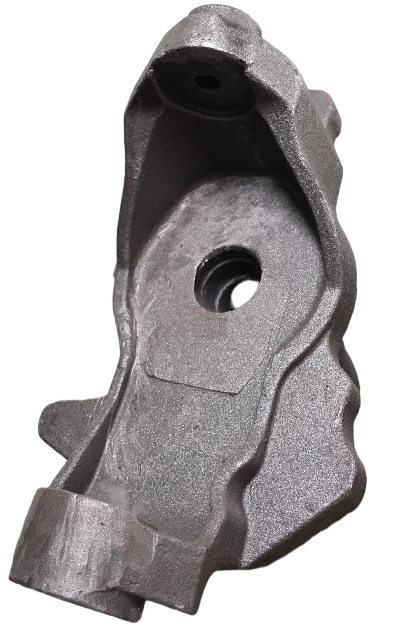
في 1563 divides ductile iron parts into multiple grades, represented by grades composed of letters and numbers, such as EN-GJS-400-18. فيما بينها, “في” represents European standards, “GJS” represents ductile iron, “400” represents the minimum tensile strength (in MPa), و “18” represents the minimum elongation (%). This grading system intuitively reflects the key mechanical performance indicators of cast iron parts, making it easy for users to choose according to actual needs.
ASTM A536 also classifies ductile iron castings with grades such as 60-40-18. Here, “60” represents the minimum tensile strength (in ksi, 1 ksi≈6.895 MPa, which is approximately 414 MPa after conversion), “40” represents the minimum yield strength (in ksi, which is approximately 276 MPa after conversion), و “18” represents the minimum elongation (%). Compared with EN 1563, the grades of ASTM A536 focus more on reflecting both tensile strength and yield strength.
In terms of chemical composition, في 1563 specifies the content range of elements such as carbon, السيليكون, المنغنيز, الكبريت, and phosphorus for different grades of cast iron. على سبيل المثال, for some grades, the carbon content is required to be between 3.5% و 3.9%, and the silicon content is required to be between 2.2% و 2.8%. Reasonable chemical composition control helps to ensure the organization and performance of cast iron parts.
ASTM A536 also has clear requirements for chemical composition, but the specific values are different from EN 1563. على سبيل المثال, its carbon content may range from 3.2% ل 3.9%, and the silicon content may range from 2.0% ل 2.8%. These differences reflect the different emphasis of different standard setters on the performance requirements of cast iron parts and are also related to the raw material supply and process characteristics of their respective regions.
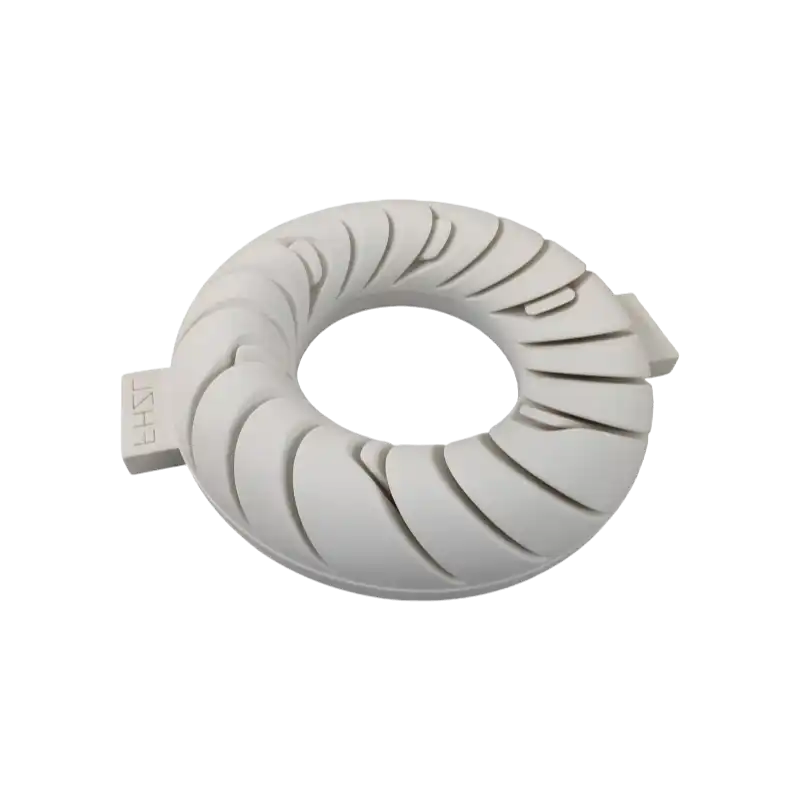
The mechanical performance indicators specified by EN 1563 include tensile strength, قوة الخضوع, elongation and hardness. Different grades of cast iron parts have different requirements on these indicators to meet the needs of different application scenarios. على سبيل المثال, some high-strength grade cast iron parts require a tensile strength of more than 600 MPa and an elongation of not less than 10%.
ASTM A536 also focuses on these mechanical performance indicators, but due to the different ways of expressing its grade, the specific requirements for strength and elongation are different from EN 1563. على سبيل المثال, some ASTM A536 grade cast iron parts may have higher requirements in tensile strength and yield strength to meet the demand of the US market for high-strength cast iron parts.
في 1563 specifies detailed inspection and acceptance rules, including sampling methods, test items and qualified judgment criteria. على سبيل المثال, each batch of cast iron parts is required to be tested for mechanical properties such as tensile strength and elongation, and the chemical composition is tested at the same time. Only when all indicators meet the standard requirements can the batch of cast iron parts be judged to be qualified.
ASTM A536 also has similar inspection and acceptance regulations, but there may be differences with EN 1563 in specific operational details. على سبيل المثال, the number and location of sampling, the specific method of testing, إلخ., may be different.
There are certain differences between EN 1563 and ASTM A536 in classification and grade system, chemical composition requirements, mechanical performance indicators, and inspection and acceptance rules. In actual applications, users should select cast iron parts that meet the corresponding standards according to the specific use environment and performance requirements to ensure the quality and reliability of the product.
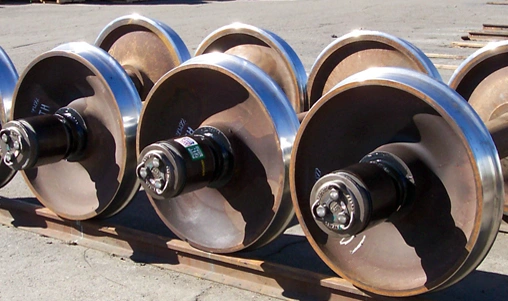
شركة لويانغ فونيو للصناعات الثقيلة, المحدودة,تأسست في عام 1998، وهي شركة مصنعة لأجزاء السكك الحديدية المصبوبة. مصنعنا يغطي مساحة 72,600㎡, مع اكثر من 300 موظفين, 32 الفنيين, مشتمل 5 كبار المهندسين, 11 المهندسين المساعدين, و 16 الفنيين.قدرتنا الإنتاجية 30,000 طن سنويا. حالياً, نحن ننتج بشكل رئيسي الصب, بالقطع, والتجمع للقاطرة,عربة السكك الحديدية,القطارات عالية السرعة, معدات التعدين,طاقة الرياح,إلخ. وقد تم تصدير منتجاتنا إلى روسيا, الولايات المتحدة, ألمانيا, الأرجنتين, اليابان, فرنسا, جنوب أفريقيا,إيطاليا ودول أخرى.
اتصال: ستيلا ليو
بريد إلكتروني:[email protected]
متحرك:+8615515351287