WeChat 코드를 스캔하여 문의하세요
WeChat 코드를 스캔하여 문의하세요
이메일을 보내주시면 최대한 빨리 답변해 드리겠습니다..
마음과 영혼을 다해 미래를 창조하다


In many fields, such as machinery manufacturing and railway engineering, cast iron parts are widely used due to their good casting performance, shock absorption and wear resistance. Different countries and regions have formulated their standards for cast iron parts, among which the European standard (안에 1563) and the American standard (ASTM A536) are the more common ones. 그래서, what are the differences between cast iron parts under these two standards?
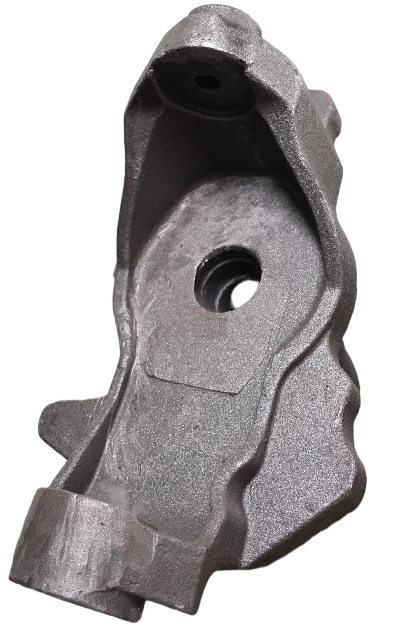
안에 1563 divides ductile iron parts into multiple grades, represented by grades composed of letters and numbers, such as EN-GJS-400-18. 그 중, “안에” represents European standards, “GJS” represents ductile iron, “400” represents the minimum tensile strength (in MPa), 그리고 “18” represents the minimum elongation (%). This grading system intuitively reflects the key mechanical performance indicators of cast iron parts, making it easy for users to choose according to actual needs.
ASTM A536 also classifies ductile iron castings with grades such as 60-40-18. Here, “60” represents the minimum tensile strength (in ksi, 1 ksi≈6.895 MPa, which is approximately 414 MPa after conversion), “40” represents the minimum yield strength (in ksi, which is approximately 276 MPa after conversion), 그리고 “18” represents the minimum elongation (%). Compared with EN 1563, the grades of ASTM A536 focus more on reflecting both tensile strength and yield strength.
In terms of chemical composition, 안에 1563 specifies the content range of elements such as carbon, silicon, 망간, sulfur, and phosphorus for different grades of cast iron. 예를 들어, for some grades, the carbon content is required to be between 3.5% 그리고 3.9%, and the silicon content is required to be between 2.2% 그리고 2.8%. Reasonable chemical composition control helps to ensure the organization and performance of cast iron parts.
ASTM A536 also has clear requirements for chemical composition, but the specific values are different from EN 1563. 예를 들어, its carbon content may range from 3.2% 에게 3.9%, and the silicon content may range from 2.0% 에게 2.8%. These differences reflect the different emphasis of different standard setters on the performance requirements of cast iron parts and are also related to the raw material supply and process characteristics of their respective regions.
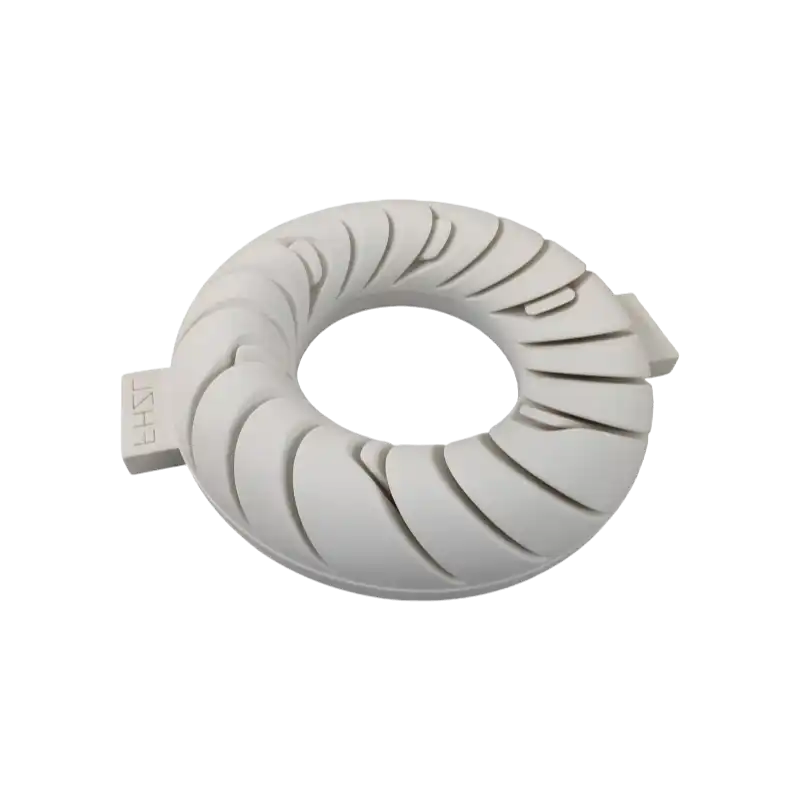
The mechanical performance indicators specified by EN 1563 include tensile strength, 항복강도, elongation and hardness. Different grades of cast iron parts have different requirements on these indicators to meet the needs of different application scenarios. 예를 들어, some high-strength grade cast iron parts require a tensile strength of more than 600 MPa and an elongation of not less than 10%.
ASTM A536 also focuses on these mechanical performance indicators, but due to the different ways of expressing its grade, the specific requirements for strength and elongation are different from EN 1563. 예를 들어, some ASTM A536 grade cast iron parts may have higher requirements in tensile strength and yield strength to meet the demand of the US market for high-strength cast iron parts.
안에 1563 specifies detailed inspection and acceptance rules, including sampling methods, test items and qualified judgment criteria. 예를 들어, each batch of cast iron parts is required to be tested for mechanical properties such as tensile strength and elongation, and the chemical composition is tested at the same time. Only when all indicators meet the standard requirements can the batch of cast iron parts be judged to be qualified.
ASTM A536 also has similar inspection and acceptance regulations, but there may be differences with EN 1563 in specific operational details. 예를 들어, the number and location of sampling, the specific method of testing, 등., may be different.
There are certain differences between EN 1563 and ASTM A536 in classification and grade system, chemical composition requirements, mechanical performance indicators, and inspection and acceptance rules. In actual applications, users should select cast iron parts that meet the corresponding standards according to the specific use environment and performance requirements to ensure the quality and reliability of the product.
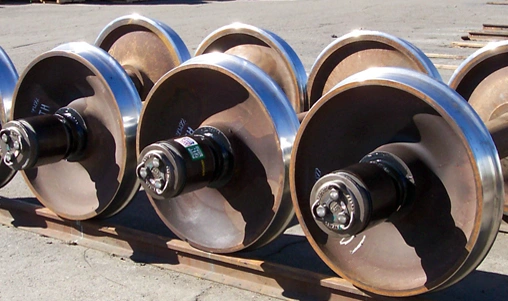
뤄양포뇨중공업(Luoyang Fonyo Heavy Industries), 주식회사,1998년에 설립된 캐스트 철도 부품 제조업체입니다. 저희 공장 부지는 72,600㎡입니다., 이상으로 300 직원, 32 기술자, 포함 5 수석 엔지니어, 11 보조 엔지니어, 그리고 16 기술자. 우리의 생산 능력은 30,000 연간 톤. 현재, 우리는 주로 주조물을 생산하고 있습니다, 가공, 기관차 조립 및 조립,철도 차량,고속 열차, 광산 장비,풍력,etc.Our 제품은 러시아에 수출되었습니다, 미국, 독일, 아르헨티나, 일본, 프랑스, 남아프리카,이탈리아 및 기타 국가.
연락하다: 스텔라 리우
이메일:[email protected]
이동하는:+8615515351287