हमसे संपर्क करने के लिए WeChat कोड को स्कैन करें
हमसे संपर्क करने के लिए WeChat कोड को स्कैन करें
बेझिझक हमें एक ईमेल भेजें और हम यथाशीघ्र आपको उत्तर देंगे.
दिल और आत्मा से भविष्य का निर्माण करें


रेलवे परिवहन परिवहन का एक भूमि-आधारित तरीका है जिसमें लोकोमोटिव दो समानांतर रेलों पर ट्रेनों को खींचते हैं. तथापि, व्यापक अर्थ में, रेलवे परिवहन में मैग्लेव ट्रेनों जैसे गैर-पहिया-ऑन-रेल तरीके भी शामिल हैं, केबल कारें, और रोपवे, या जिसे ट्रैक परिवहन कहा जाता है. रेलवे वाहन वे हैं जो रेलवे पर इंजनों द्वारा खींचे जाते हैं.
1.प्रकार:
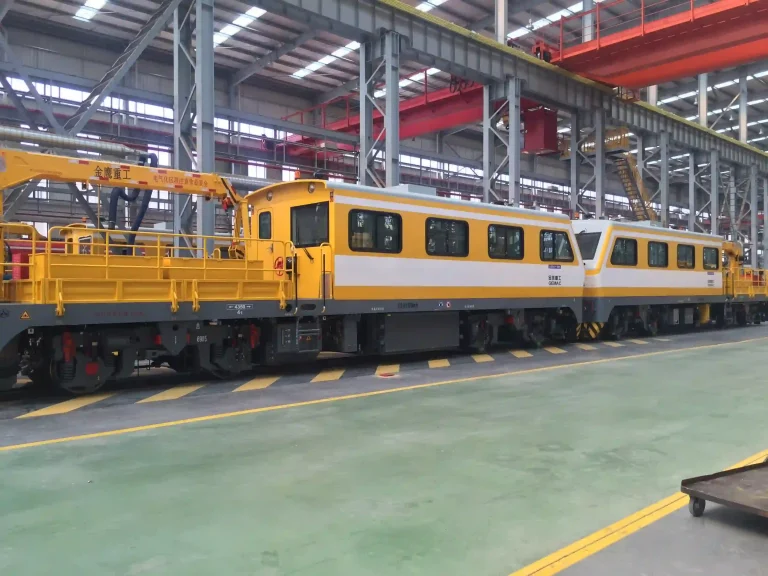
रेलवे वाहनों को उनके उद्देश्यों के आधार पर तीन प्रमुख श्रेणियों में वर्गीकृत किया जा सकता है: रेलवे यात्री कारें, रेलवे माल गाड़ियाँ, और रेलवे विशेष प्रयोजन वाहन. यात्री कारों का उपयोग यात्रियों को परिवहन करने और उनके लिए सेवाएँ प्रदान करने के लिए किया जाता है, जैसे बैठने वाली कारें, सोई हुई गाड़ियाँ, खाने की गाड़ियाँ, और सामान गाड़ियाँ; माल परिवहन के लिए मालवाहक कारों का उपयोग किया जाता है, जैसे कि खुली छत वाली कारें, बॉक्सकार, फ़्लैटकार्स, टैंक गाड़ियाँ, और इंसुलेटेड कारें; रेलवे उद्यम अपने व्यावसायिक उद्देश्यों के लिए विशेष प्रयोजन वाहनों का उपयोग करते हैं, जैसे कारों का वजन करना, बर्फ हटाने वाली गाड़ियाँ, और कारों का परीक्षण करें.
1.1 मालवाहक कारों को उनके द्वारा ले जाने वाले सामान की विविधता के आधार पर सामान्य प्रयोजन कारों और विशेष कारों में वर्गीकृत किया जा सकता है. खुली छत वाली गाड़ियाँ, बॉक्सकार, फ़्लैटकार्स, टैंक गाड़ियाँ, और इंसुलेटेड कारें जो विभिन्न वस्तुओं की परिवहन आवश्यकताओं को पूरा कर सकती हैं, सामान्य प्रयोजन वाली कारें कहलाती हैं; जबकि वे जो केवल एक या कुछ प्रकार के समान सामान ले जाने के लिए उपयुक्त हैं, जैसे हॉपर कारें, सीमेंट गाड़ियाँ, लंबी और बड़ी मालवाहक गाड़ियाँ, कंटेनर फ़्लैटकार्स, और उच्च दबाव वाली टैंक कारें, विशेषीकृत कारें कहलाती हैं.
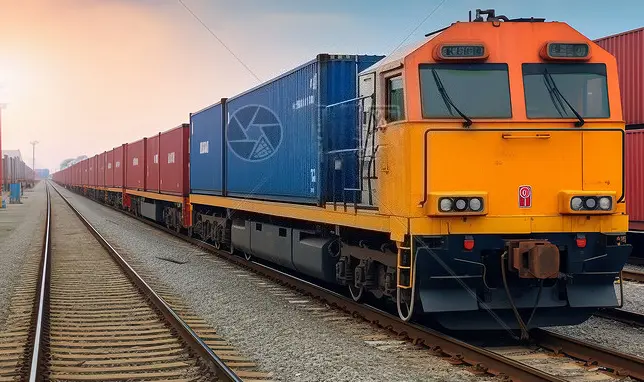
1.2 सामान्य प्रयोजन की कारों में खाली चलने का नुकसान कम होता है, लेकिन उनकी प्रभावी भार क्षमता की उपयोग दर वस्तुओं के साथ भिन्न होती है और कभी-कभी कम होती है. उनके पास अलग-अलग लोडिंग और अनलोडिंग उपकरणों के लिए अलग-अलग अनुकूलनशीलता भी है. Specialized cars have a higher empty car rate, but their parameters can be selected based on the characteristics of specific goods, thus achieving higher utilization rates of load capacity and volume. Their structures can be matched with selected loading and unloading equipment, thereby shortening loading and unloading operation time and accelerating vehicle turnover.
Railway vehicles can also be classified by gauge into standard gauge cars, broad gauge cars, and narrow gauge cars; and by ownership into railway-owned cars and factory and mine-owned cars, वगैरह.
2. Development overview: Early railway vehicles were all two-axle, with simple equipment.
Passenger cars first developed into multi-axle ones, with three-axle, four-axle, and six-axle passenger cars appearing. उनमें से, चार-एक्सल बोगी-प्रकार की यात्री कारों में बेहतर चलने की गुणवत्ता और कर्व पासिंग प्रदर्शन होता है, इस प्रकार यात्री कारों का मूल रूप बन गया.
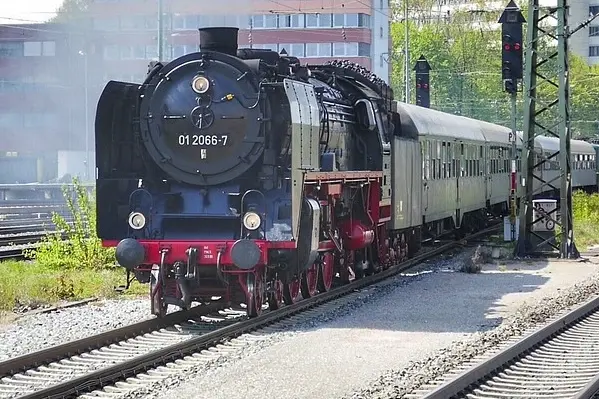
हल्के पदार्थों के विकास के साथ, कार बॉडी का वजन काफी कम हो गया है, और कुछ व्यक्त वाहन उभरे हैं. दो निकटवर्ती कार खंडों के निकटवर्ती छोरों को दो-एक्सल बोगी पर रखा गया है, जबकि गैर-आर्टिकुलेटेड सिरे दो-एक्सल या का उपयोग करते हैं सिंगल-एक्सल बोगियाँ. ऐसे वाहनों का उपयोग अक्सर कई इकाइयों में किया जाता है.
आधुनिक यात्री गाड़ियाँ, यात्री सुरक्षा और आराम में सुधार करने के लिए, ज्यादातर ऑल-मेटल इंटीग्रल लोड-बेयरिंग कार बॉडी अपनाते हैं, साथ ही स्वतंत्र गर्म पानी या विद्युत तापन, मजबूर वेंटिलेशन, विद्युत प्रकाश व्यवस्था, एयर कंडीशनिंग, गरम पानी, और ठंडा पेयजल उपकरण. कुछ देश’ रेलवे अब ट्रेनों की स्पीड बढ़ाने पर फोकस कर रहा है. उदाहरण के लिए, जापान की शिंकानसेन एक्सप्रेस यात्री ट्रेनों की अधिकतम परिचालन गति पहुंच गई है 300 किलोमीटर प्रति घंटा, और पेरिस और ल्योन के बीच फ्रांस की एक्सप्रेस यात्री ट्रेनें पहुंच गई हैं 260 किलोमीटर प्रति घंटा. इतनी तेज़ गति ने ताकत के लिए उच्च आवश्यकताओं को सामने रखा है, गतिशील प्रदर्शन, और यात्री कारों की परिचालन विश्वसनीयता.
3.थोक कार्गो परिवहन के विकास के लिए मालवाहक कार भार क्षमता में निरंतर वृद्धि की आवश्यकता होती है. इस कोने तक, दो उपाय किये गये हैं.
3.1 एक तो अधिकतम स्वीकार्य सीमा को बढ़ाना है धुरा हेवी-ड्यूटी रेल को अपनाने के साथ-साथ मालवाहक कारों का भार, जिससे धुरों की मूल संख्या को बनाए रखते हुए मालवाहक कारों की भार क्षमता में वृद्धि होती है. उदाहरण के लिए, अमेरिकी रेलवे पर चार-एक्सल मालवाहक कारों की भार क्षमता धीरे-धीरे लगभग बढ़ गई है 30 टन से 45 टन, 63 टन, और 90.7 टन (के एक्सल भार के अनुरूप 11.7, 16.1, 25.0, और 29.8 टन), और कुछ गाड़ियाँ पहुँच गई हैं 113 टन (का एक्सल लोड 35.7 टन).
3.2 दूसरा है एक्सल की संख्या बढ़ाना, जिससे मूल रूप से स्वीकार्य एक्सल लोड को बनाए रखते हुए मालवाहक कारों की भार क्षमता में वृद्धि होती है. उदाहरण के लिए, सोवियत रेलवे पर आठ-एक्सल टैंक कारों और ओपन-टॉप कारों की भार क्षमता पहुंच गई है 120 टन और 125 टन (अधिकतम स्वीकार्य एक्सल लोड 23.25 टन), क्रमश:.
3.3 विशेष वस्तुओं के परिवहन के लिए उपयोग की जाने वाली लंबी और बड़ी मालवाहक गाड़ियाँ तक हो सकती हैं 32 एक्सल और भार क्षमता तक 500 टन. वर्तमान में, की भार क्षमता वाली दो-एक्सल मालवाहक कारों की एक बड़ी संख्या को छोड़कर 18 को 40 टन अभी भी यूरोपीय देशों में उपयोग में हैं, अन्य देशों में मालवाहक गाड़ियाँ’ रेलवे मुख्यतः चार धुरी वाली होती है, with a load capacity of around 60 को 70 टन. Many countries have completely phased out two-axle cars.
The continuous increase in train weight not only requires vehicles to have sufficient strength but also demands the use of high-strength couplers, large-capacity buffers, and highly sensitive and reliable train braking systems. Many unit trains transporting coal or ore adopt rotary couplers in their coupler and buffer systems to enhance the unloading efficiency of the tipplers.
Before the founding of the People’s Republic of China, China’s passenger and freight vehicles were mainly imported, with complex types, simple equipment, and small load capacity. After the founding of the People’s Republic of China, China began to design and manufacture its vehicles.
से 1949 को 1983, the number of passenger cars in the country increased from about 4,000 to about 18,700, and the number of freight cars increased from about 46,000 to about 285,000, growing by 3.7 times and 5.1 टाइम्स, क्रमश:. New passenger cars adopted all-steel welded structures, with improved construction speeds and enhanced ride smoothness and comfort.
Two-axle freight cars were phased out. The average rated load capacity of freight cars increased from 26.6 tons in 1949 को 52.7 tons in 1983.
4. संरचना: Vehicles are generally composed of five parts: the body, running gear, coupler and buffer device, braking system, and vehicle equipment. The body is the part of the vehicle that accommodates passengers or goods, usually a closed space, and sometimes with an open top.
The structure of the body varies depending on the type of vehicle. Many loads on the vehicle act directly on the body, so the body must have sufficient strength and rigidity.
The body is supported by the running gear at the bottom and equipped with coupler and buffer devices at both ends. अंदर, various equipment is arranged as needed. The running gear is the part of the vehicle that runs on the rails, consisting of wheel sets, axle box devices, springs and shock absorbers, the frame or side frame of the bogie, and other beams and rods.
In four-axle and above vehicles, these components are assembled into two bogies at the front and rear. इसलिए, for these vehicles, the running gear is the bogie. The running gear should ensure the safety and balance of the vehicle’s operation.
The coupler and buffer device is the component on the vehicle that connects with other vehicles or locomotives and transmits and mitigates tensile and compressive forces during train operation and formation. It consists of couplers, buffers, और अन्य घटक, installed in the traction beams at both ends of the vehicle underframe.
The braking system is the equipment on the vehicle that reduces the speed or stops the train during operation to ensure the safe operation of the train. It consists of components such as the brake main pipe, air distribution valve, and brake cylinder installed under the vehicle, and the basic braking device (brake beam, ब्रेक शू, वगैरह।) installed in the running gear.
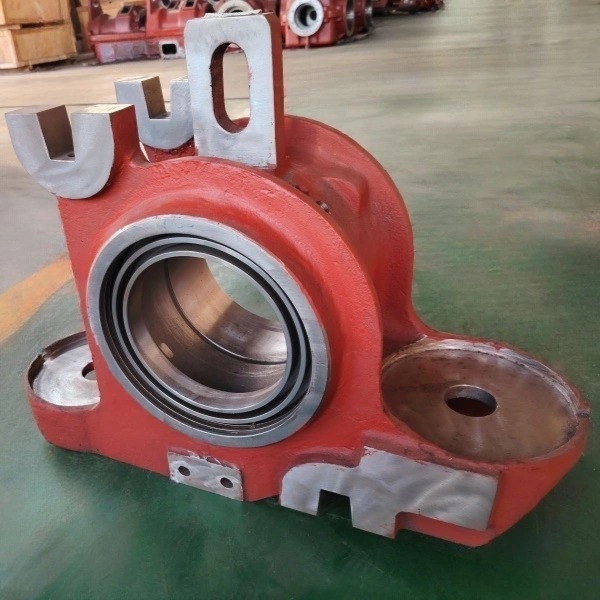
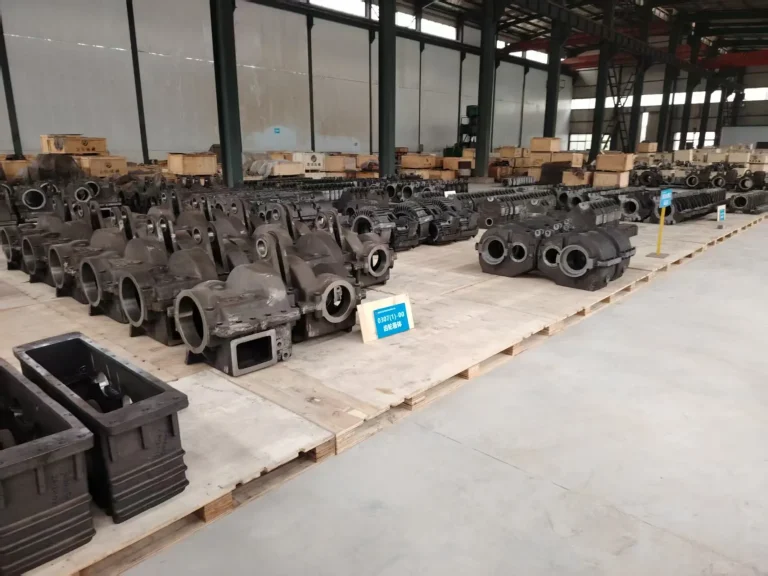
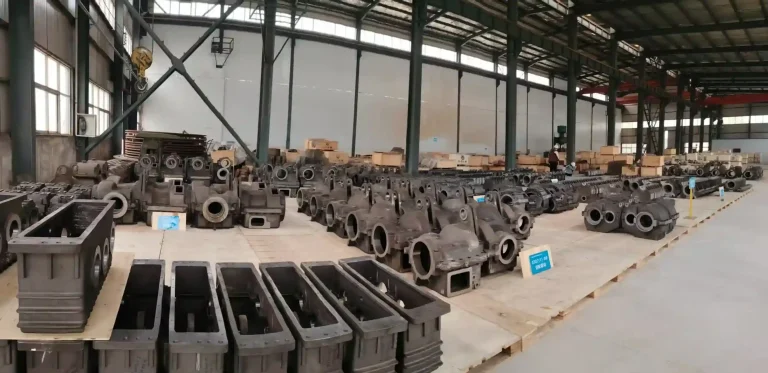
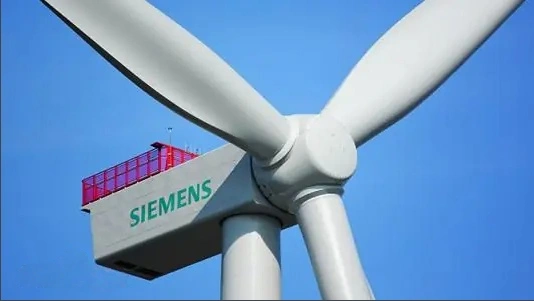
लुओयांग फ़ोन्यो हेवी इंडस्ट्रीज कंपनी, लिमिटेड, 1998 में स्थापित, रेलवे कास्टिंग पार्ट्स का निर्माता है. हमारा कारखाना 72,600㎡ क्षेत्र को कवर करता है, से अधिक के साथ 300 कर्मचारी, 32 तकनीशियनों, शामिल 5 वरिष्ठ इंजीनियर, 11 सहायक अभियंता, और 16 तकनीशियनों. हमारी उत्पादन क्षमता है 30,000 प्रति वर्ष टन. वर्तमान में, हम मुख्य रूप से कास्टिंग का उत्पादन करते हैं, मशीनिंग, और लोकोमोटिव के लिए असेंबली, रेलकार, हाई-स्पीड ट्रेनें, खनन उपकरण, पवन ऊर्जा, वगैरह.
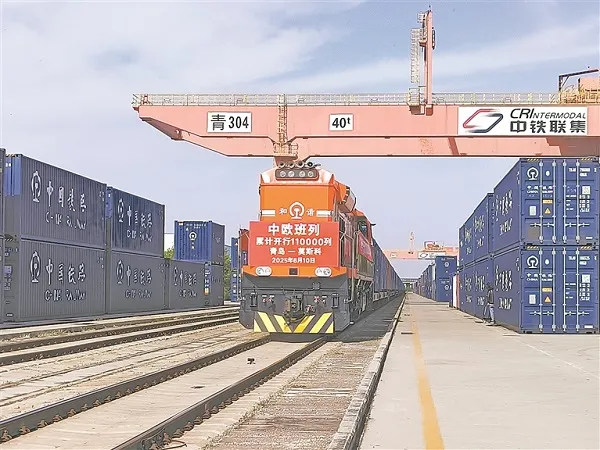
हम सीआरआरसी को रेलवे पार्ट्स की आपूर्ति करते हैं(से अधिक भी शामिल है 20 सीआरआरसी की शाखा कंपनियाँ और सहायक कंपनियाँ), जेमैक इंजीनियरिंग मशीनरी, Sanygroup, सिटिक हेवी इंडस्ट्रीज, वगैरह. हमारे उत्पादों को रूस को निर्यात किया गया है, संयुक्त राज्य, जर्मनी, अर्जेंटीना, जापान, फ्रांस, दक्षिण अफ़्रीका, इटली और दुनिया भर के अन्य देश.
संपर्क जानकारी: