



Scan the WeChat code to contact us
Scan the WeChat code to contact us
Feel free to send us a email and we will reply to you as soon as possible.
Creating the future with heart and soul


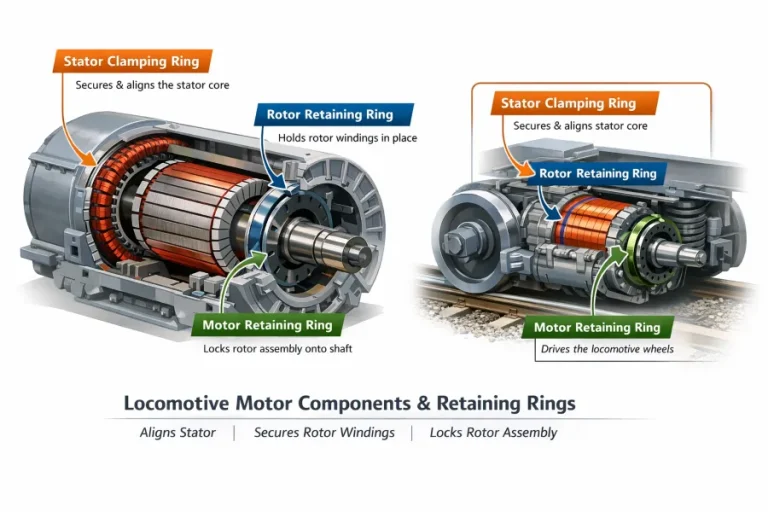
When a train accelerates smoothly down the track, most passengers naturally think about the raw power of the traction motor. But if you ask a railway engineer what really matters for long-term…
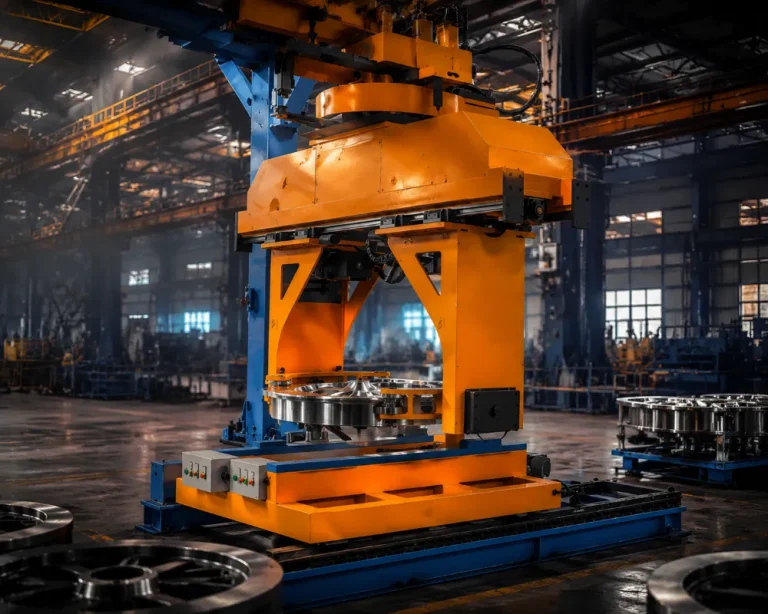
If you look at a train, the railway wheels may seem like one of the simplest components on the vehicle. In reality, they are among the most important. Every train movement depends…
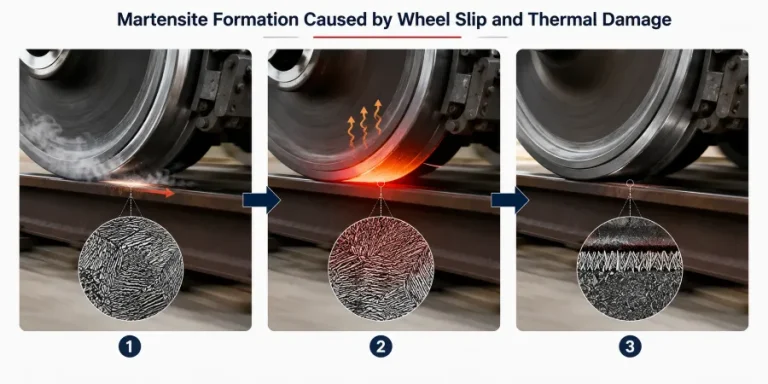
Most people assume that railway wheels quality depends mainly on hardness. In reality, experienced wheel manufacturers pay just as much attention to microstructure. Two railway wheels can have the same dimensions, similar…
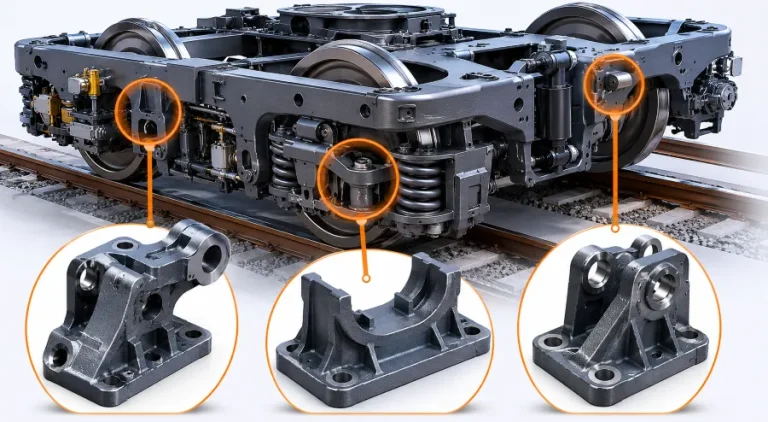
Ductile iron has become one of the most important materials in modern heavy industry. From mining machinery and construction equipment to agricultural machines, industrial gearboxes, pumps, valves, and railway components, ductile iron…
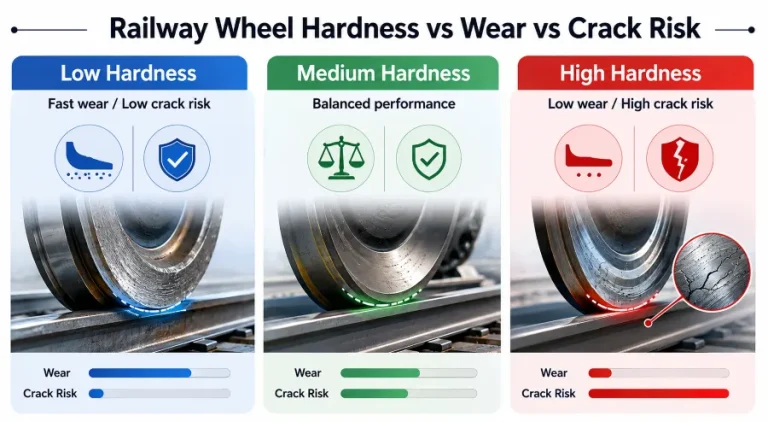
In railway manufacturing, hardness is often associated with durability. Harder railway wheels usually offers better wear resistance and longer service life under heavy loads. Because of this, many people assume that increasing…
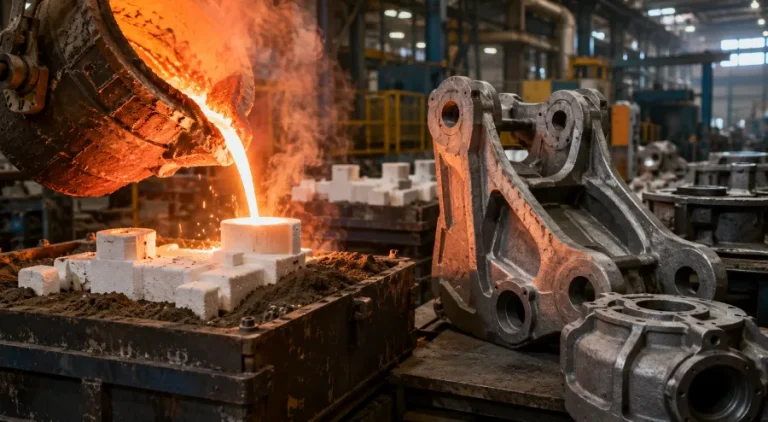
In modern heavy industries, manufacturers are constantly balancing three factors: complex geometry, production efficiency, and structural reliability. Among various casting methods, Lost Foam Casting (LFC) has become an important process for producing…
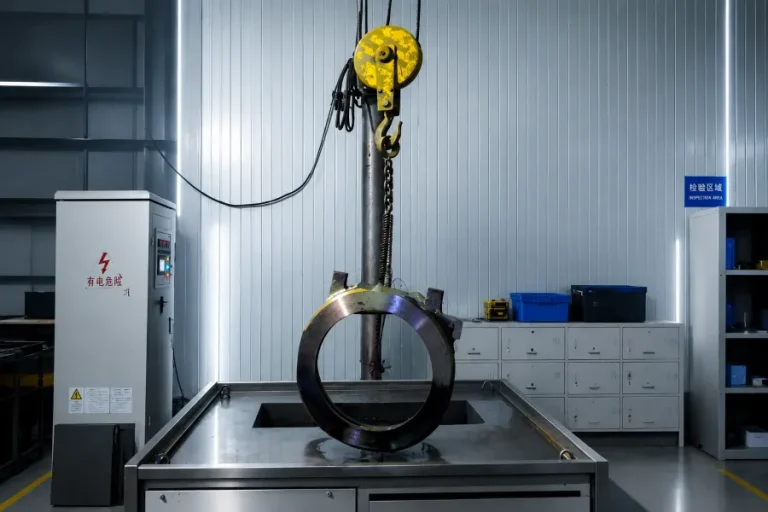
In railway manufacturing, different types of defects require different inspection methods. Some discontinuities develop inside the material during casting, forging, or heat treatment, while others appear on the surface after machining or…

In railway wheel manufacturing, long-term wheel reliability depends on far more than chemical composition or hardness values alone. One of the most critical factors is the internal railway wheel microstructure of the…
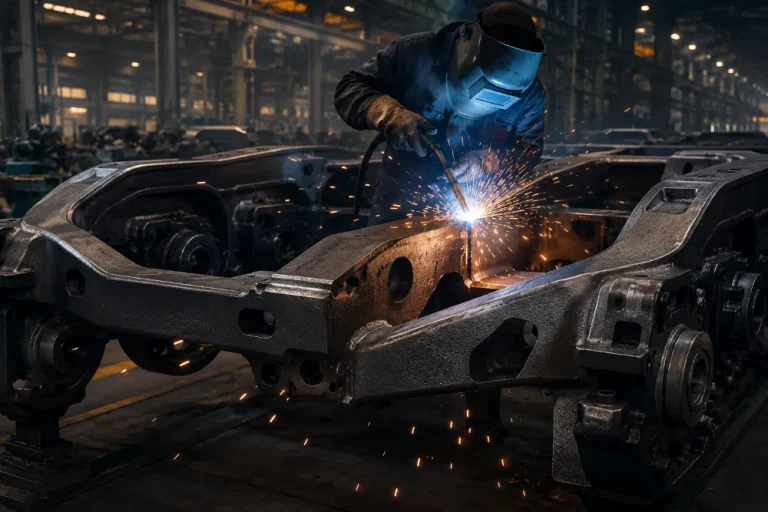
In heavy railway structures, welding problems rarely start at the welding machine itself. In many cases, the real issue begins much earlier — with the material selection. When large cast steel components…
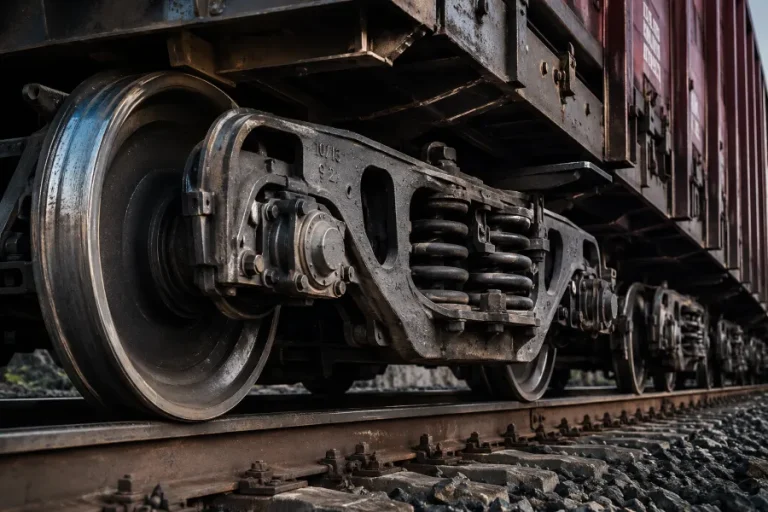
A fully loaded freight train can weigh hundreds or even thousands of tons. Yet beneath every wagon, a relatively compact steel structure continues to absorb vibration, distribute impact, and survive years of…

In railway and heavy industrial applications, product quality is not determined only by machining accuracy or material strength. What matters even more is whether hidden defects can be detected before the component…
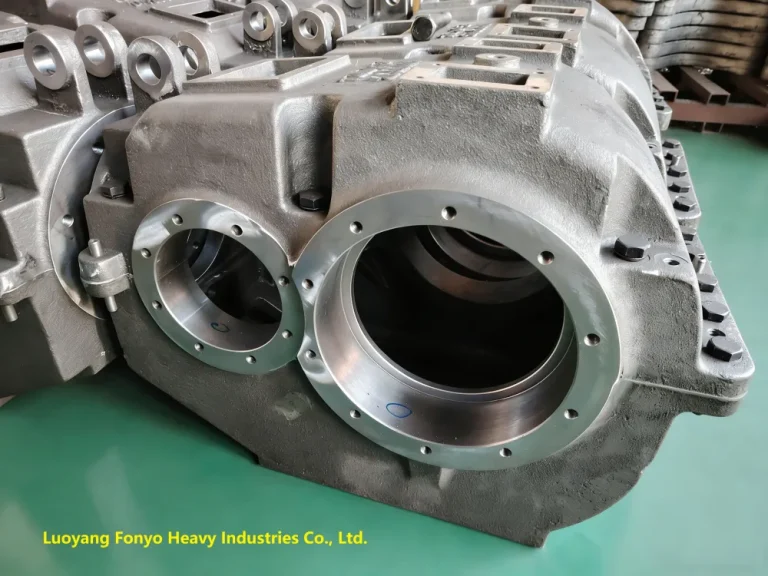
In railway and heavy equipment manufacturing, material selection is always a balance between mechanical performance, manufacturability, and cost. In many structural casting applications, medium carbon cast steel remains one of the most…