Scan the WeChat code to contact us
Scan the WeChat code to contact us
Feel free to send us a email and we will reply to you as soon as possible.
Creating the future with heart and soul

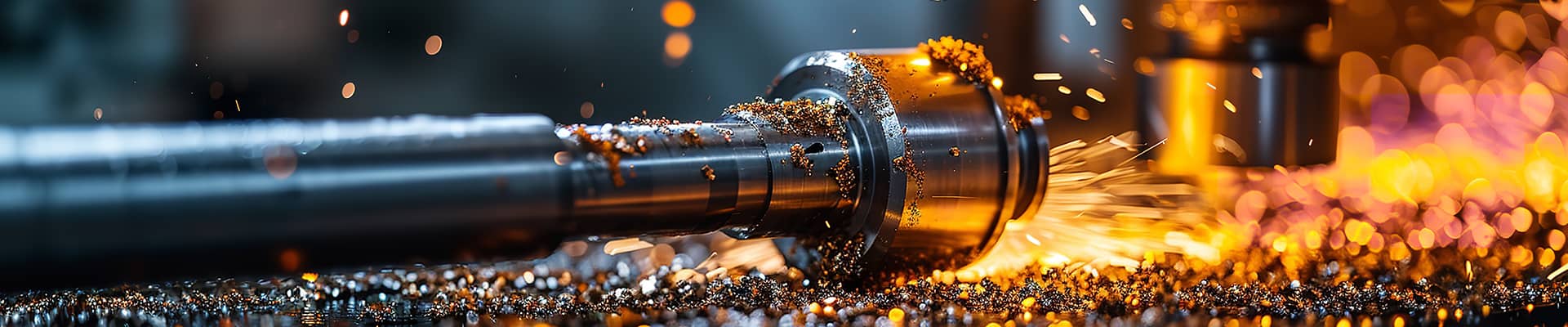
High manganese steel castings are the workhorse material behind crusher liners, jaw plates, and mill liners that keep a mine running. If you are buying wear parts for a jaw crusher, cone crusher, or grinding mill, there is a good chance the part you are replacing started life as a high manganese steel casting. That is not an accident. It is the only material that gets harder the more rock you hit it with.
Most steel parts soften or wear down under repeated impact. High manganese steel does the opposite. The first time a jaw plate takes a direct hit from a granite boulder, its surface starts to harden. After enough impacts, that surface layer can climb from roughly 200 HB to over 500 HB, while the core stays tough and ductile underneath. That combination, a hard skin over a tough heart, is what keeps a casting from cracking under loads that would shatter a harder but more brittle material.
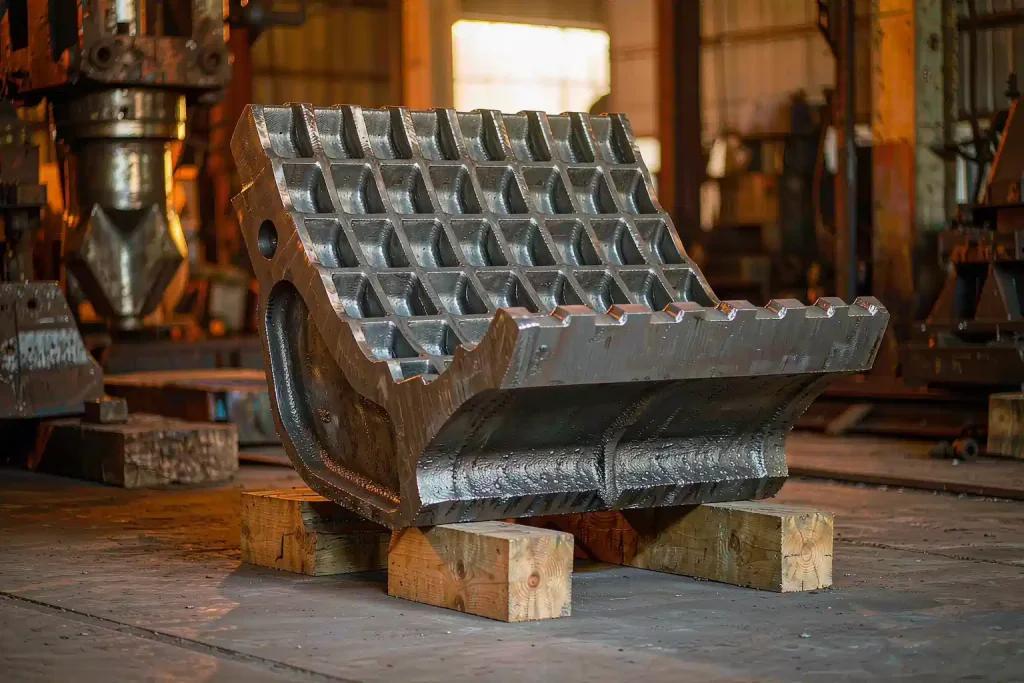
The work hardening behaviour of high manganese steel castings is the single most important thing to understand before you place an order, because it breaks a lot of the rules buyers assume about wear materials.
A conventional wear part is at its best on day one and only gets worse. A high manganese steel part is the reverse: it arrives relatively soft and reaches its full wear resistance only after it has been working for a while. This means you cannot judge quality by hardness alone, especially not by the hardness stamped on a new casting sitting in your warehouse.
There is a second consequence, and it catches people off guard. Work hardening only activates when the impact is hard enough. Put a high manganese steel liner in a low-impact, high-sliding application, and it will wear fast because the surface never gets the pounding it needs to harden. I have seen this exact mismatch: a buyer spec’d manganese steel for a chute liner that saw mostly sliding abrasion, and it wore out quickly. The material was fine. The application was wrong.
So the first question is not “is high manganese steel good?” It is “what is actually wearing the part down, impact or sliding?” If the answer is impact, you are in the right place. If it is sliding, you may want high chromium cast iron instead, which is a different conversation.
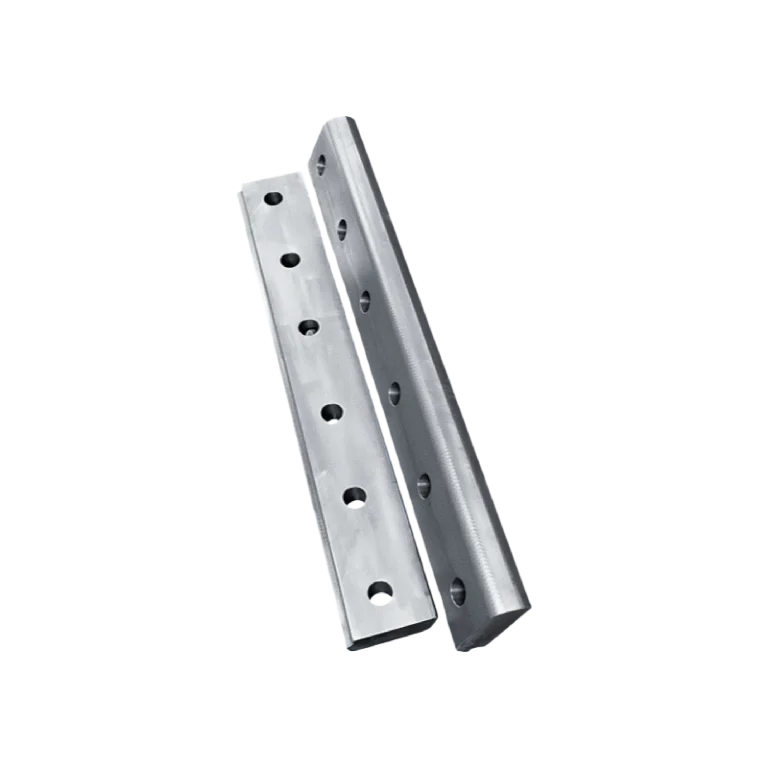
You will find high manganese steel castings anywhere a rock slams into metal. The most common parts, in roughly the order a mine encounters them:
This is a working list, not a rigid rule. The same crusher can use manganese steel in one position and a harder material in another.
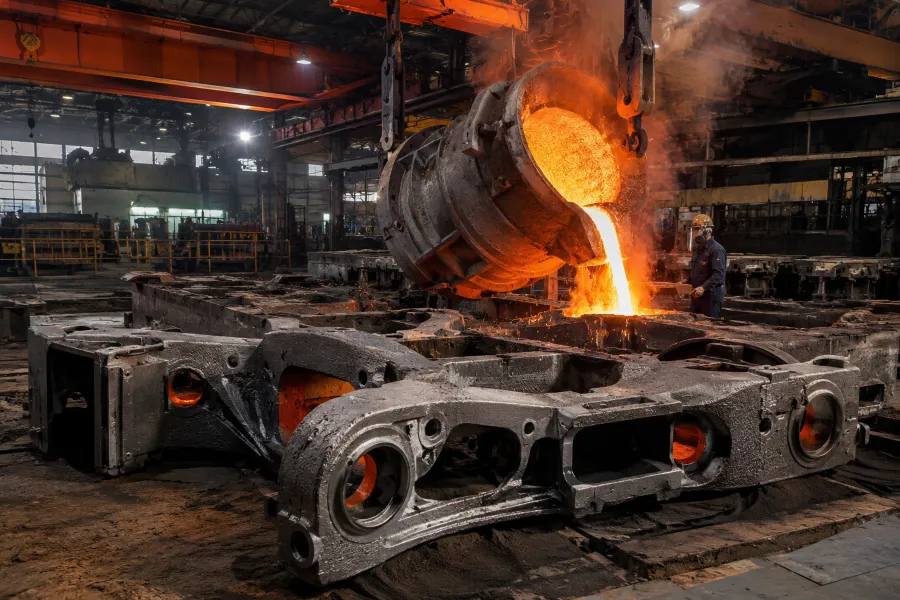
When people say “manganese steel,” they usually mean Mn13, the standard Hadfield grade. But there are a handful of grades worth knowing, because the right one changes with ore hardness and impact severity.
| Grade | Typical use | Notes |
| Mn13 / ZGMn13 | General crusher wear parts | The baseline Hadfield grade, balances cost and toughness |
| Mn13Cr2 / ZGMn13-2 | Heavier abrasive ore | Chromium-modified for extra wear resistance |
| Mn18Cr2 | Ultra-heavy impact, large parts | Higher manganese for the toughest duty |
This is a starting point, not a universal specification. The exact chemistry, especially carbon, manganese, and chromium, is tuned to the part and the feed material, and a good foundry adjusts it rather than pouring every job from one recipe.
Two high manganese steel castings can look identical and behave very differently in service. The difference is almost never visible. It lives in the process.
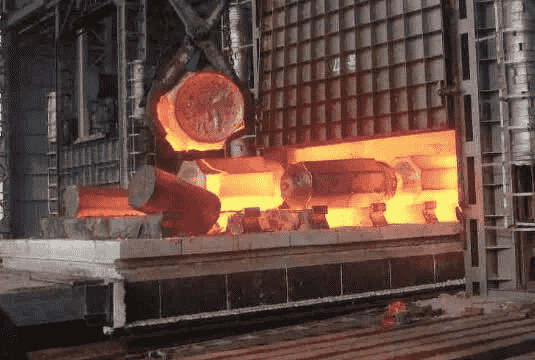
The first thing that matters is water toughening, the heat treatment that turns the casting fully austenitic. Get this wrong and you do not get a tough, work-hardening part; you get a brittle one that can fail early. This is not a step anyone can skip. The casting is heated to a high temperature and quenched in water to lock in the austenitic structure.
The second is chemistry control. Manganese and carbon have to sit in a narrow window. Phosphorus and sulfur have to stay low, because they promote cracking. A foundry that does not control these elements is not really making Hadfield steel, whatever it stamps on the casting.
The third is inspection. When I review a supplier, I do not look at the tensile strength first. I check whether the chemical certificate matches the heat number on the casting, and whether they actually ran the metallographic check to confirm the austenitic structure. If a supplier cannot show me the microstructure, I do not care how good the brochure looks.
If you are the person placing the order, a few questions will sort a serious foundry from the rest before you spend a cent.
These are not trick questions. They are the difference between a casting that survives years of rock impact and one that fails in the first season.
One warning before you decide. Some buyers chase the highest hardness number they can find, assuming harder always means longer life. With high manganese steel that logic breaks.
A new high manganese steel casting is deliberately soft, around 200 HB, because it is supposed to harden in service. If a supplier offers you a “harder” manganese steel casting right out of the gate, ask how they got there. The hardness you want is the hardness the part develops under your actual impact conditions, not the number on a certificate. Hardness is a result here, not a feature you order off a shelf.
A high manganese steel casting looks like one of the simplest parts in a mine, just a shaped lump of steel bolted into a crusher. It is not. Its value comes from a specific chemistry and a specific heat treatment working together, so the part hardens where rock hits it and stays tough where it has to hold together.
Whether you are designing a new crushing circuit or replacing worn liners, the decision should start with what is actually wearing the part down. Match the material to that, and the casting will do its job for a long time. Get it wrong, and no amount of hardness on a certificate will save it.
At Luoyang Fonyo Heavy Industries Co., Ltd., we manufacture high manganese steel castings and high chromium cast iron wear parts for mining, engineering machinery, and railway applications. If you have a drawing or a worn sample, send it over before you quote. We will check the grade against your feed material and impact conditions, and tell you honestly whether manganese steel or high chrome iron is the right call.
Is high manganese steel the same as Hadfield steel?
Yes. Hadfield steel is the original name for the alloy, after its inventor, and high manganese steel is the same family of austenitic manganese steel. Mn13 is the standard grade.
Why is a new high manganese steel casting so soft?
It is supposed to be. The material is designed to harden under impact in service, so it leaves the foundry relatively soft, around 200 HB, and work-hardens to over 500 HB on the surface as rock hits it. Softness on arrival is a feature, not a defect.
Does higher hardness always mean a longer-lasting wear part?
Not with manganese steel. If a part hardens in service, the relevant number is the hardness it reaches under your impact conditions, not the hardness on the certificate. Chasing a higher as-cast hardness can even mean the part was not water-toughened correctly.
Can high manganese steel be used where there is no impact?
Generally no. The work hardening mechanism needs impact to activate. In a low-impact, high-sliding application like some chute liners, manganese steel will wear quickly because the surface never hardens. High chromium cast iron is usually the better choice there.
How do I know if a casting was water-toughened properly?
Ask for the metallographic report showing a fully austenitic structure, and the quenching records. A supplier who cannot produce both is not one you want pouring wear parts that take rock impact.
Which parts are almost always high manganese steel?
Jaw crusher plates and cheek plates are the clearest cases, because they take direct, repeated impact. Cone mantles and bowl liners, impact blow bars, and hammer heads are also common manganese steel applications.
What is the difference between Mn13 and Mn18Cr2?
Mn13 is the standard Hadfield grade for general crusher wear parts. Mn18Cr2 has higher manganese for ultra-heavy impact duty, typically on large parts, and Mn13Cr2 sits between them with added chromium for extra wear resistance in abrasive ore.