WeChat コードをスキャンしてご連絡ください
WeChat コードをスキャンしてご連絡ください
お気軽にメールをお送りください。できるだけ早くご返信させていただきます.
心と魂で未来を創る


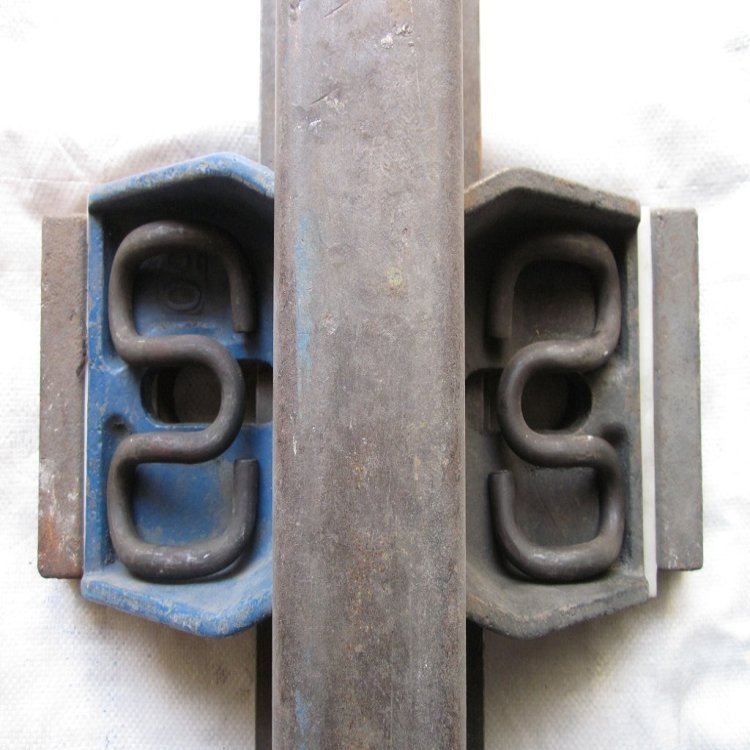
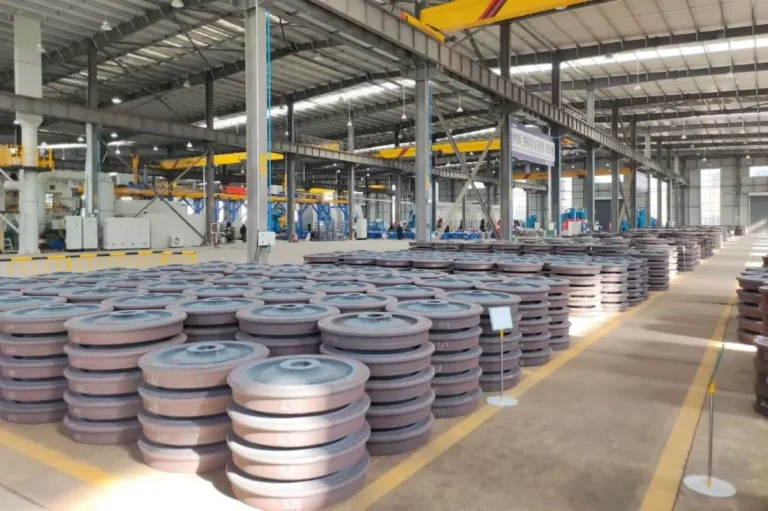
鉄道鋳物は機関車に使用される重要な構造部品です, 貨車, 旅客列車, および鉄道インフラシステム. 一般的な工業用鋳物とは異なります。, railway cast steel parts must operate under continuous dynamic loads, high impact forces, long fatigue cycles, and extreme safety requirements.
In real railway engineering practice, a single casting failure can affect not only equipment performance but also operational safety and maintenance cost. このため, railway castings are designed, 製造された, and inspected under strict international standards such as EN, AAR, TB/T, and customer-specific technical specifications.
At Luoyang Fonyo Heavy Industry Co., 株式会社, we have been involved in the production of railway castings for bogie systems, braking structures, and heavy-duty steel components using processes such as 樹脂砂型鋳造, water glass casting, V-process casting, そして lost foam casting. Based on real manufacturing experience, this guide explains how railway castings are designed, produced, and qualified for service.
Railway castings refer to metal components formed by pouring molten steel into a specially designed mold, which solidifies into the required geometry. After casting, the components undergo heat treatment, 機械加工, and inspection before being assembled into railway systems.
Compared with forging and fabrication, casting is especially suitable for complex structural parts with large dimensions, where both strength and shape complexity are required.
鉄道用途で, cast steel is widely used because it provides:
Typical railway casting weights range from several kilograms to several tons, depending on whether the part is a bracket or a full bogie structure.
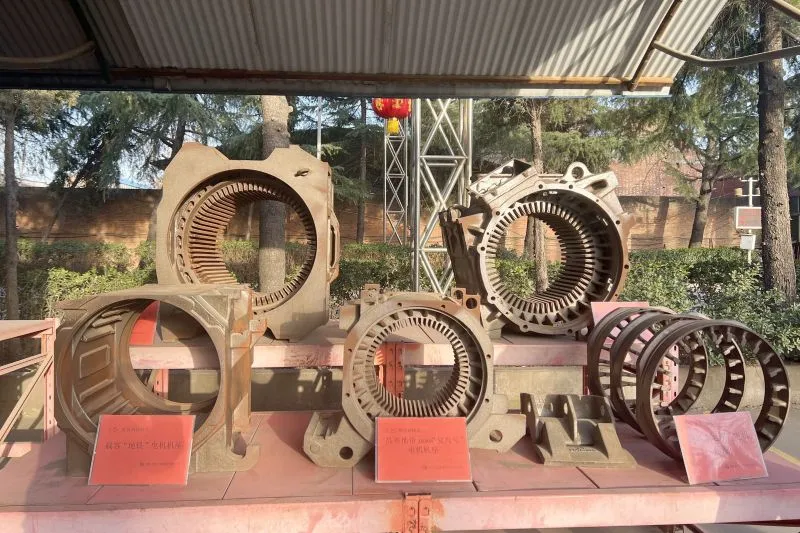
エンジニアリングの観点から, railway castings are not just “parts”—they are load-bearing structural safety components.
例えば:
Because these loads are repetitive and long-term, railway castings must be designed with fatigue life in mind rather than only static strength.
Railway castings can be divided into four main categories based on their functional application.
Bogie systems are the most casting-intensive part of railway rolling stock.
Typical castings include:
These components form the structural backbone of freight and passenger bogies. Their design must ensure load distribution, 振動減衰, 耐疲労性.
In real engineering practice, bogie castings are often optimized using finite element analysis (FEA) to reduce stress concentration zones.
軸箱ハウジング protect wheel bearings and maintain alignment between the ホイールセット and bogie frame.
Key requirements include:
Even small casting defects in axle box housings can lead to premature bearing failure, making quality control extremely critical.
Railway braking systems operate under extreme frictional heat and mechanical stress.
Common cast parts include:
These components must maintain structural integrity even at elevated temperatures generated during repeated braking cycles.
Couplers are among the most safety-critical railway components.
Cast parts include:
These components must withstand sudden impact loads and tensile forces, especially during train coupling and emergency braking events.
Material toughness and internal defect control are essential here.
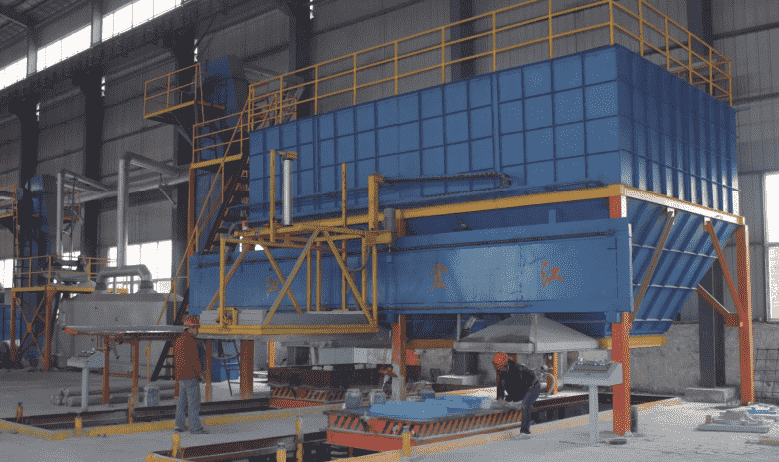
The performance of railway castings depends heavily on the manufacturing process. Different processes are selected based on size, complexity, and performance requirements.
Furan resin sand casting is widely used for large railway components.
Advantages include:
This process is commonly used for bogie frames, ボルスター, and structural housings.
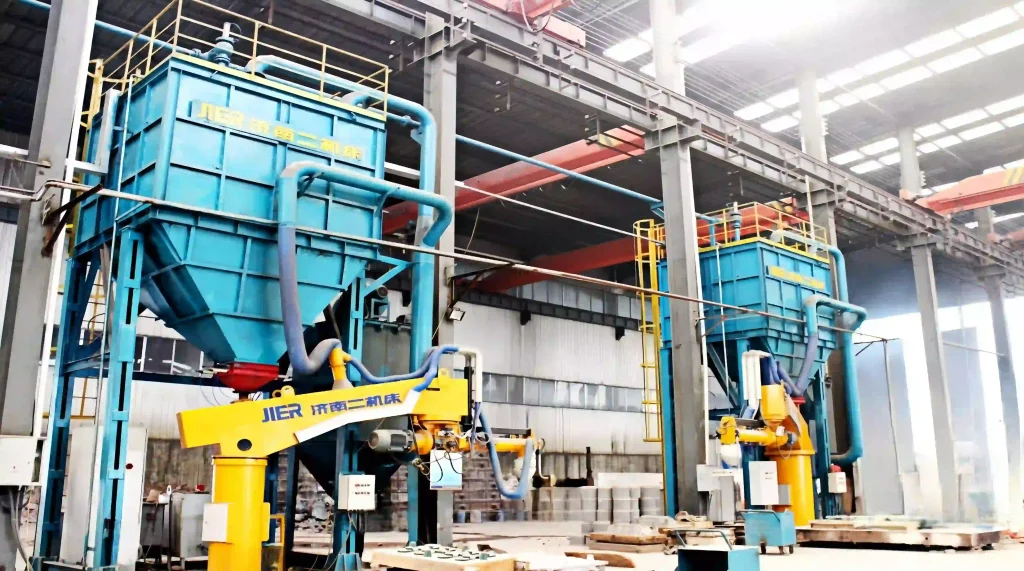
Water glass casting is widely used for medium-sized railway components.
Key advantages:
しかし, surface finish and dimensional accuracy are slightly lower than resin sand casting.
Lost foam casting is suitable for complex geometries.
It allows:
It is often used in custom-designed railway components.
Vacuum molding (V-process) is used for large and precision castings.
Benefits include:
This method is suitable for high-end railway structural components.
Material selection determines the long-term performance of railway components.
Carbon steel is widely used due to its balance of cost and performance.
It is suitable for:
Typical grades include medium and high carbon steel variants.
Alloy steels are used when higher performance is required.
Benefits include:
These materials are often used in couplers and heavily loaded components.
High manganese steel is used in impact and wear-resistant applications.
Its key property is work hardening, meaning the surface becomes harder under impact.
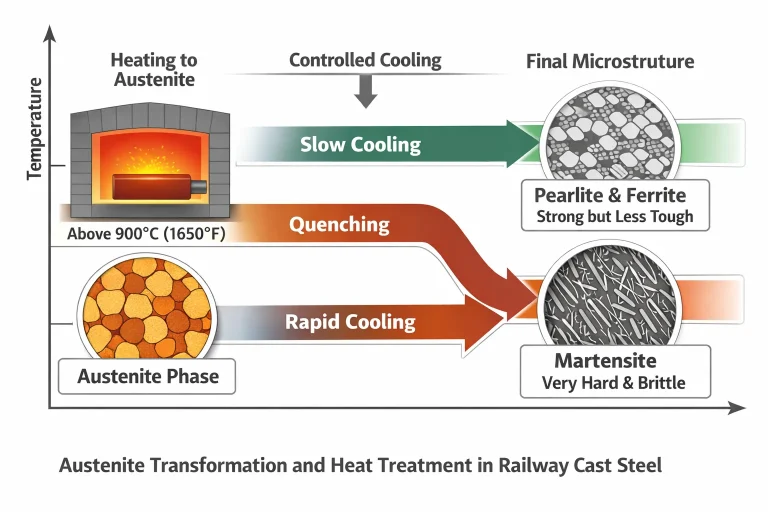
Heat treatment is a critical step that directly affects mechanical performance.
Common processes include:
These processes improve:
Without proper heat treatment, even well-cast components may fail prematurely under cyclic loading conditions.
After casting and heat treatment, most railway components require CNC machining.
Typical machining operations include:
鉄道工学では, machining accuracy is critical because misalignment can cause:
Modern manufacturers integrate casting and machining into a complete production system to ensure dimensional consistency.
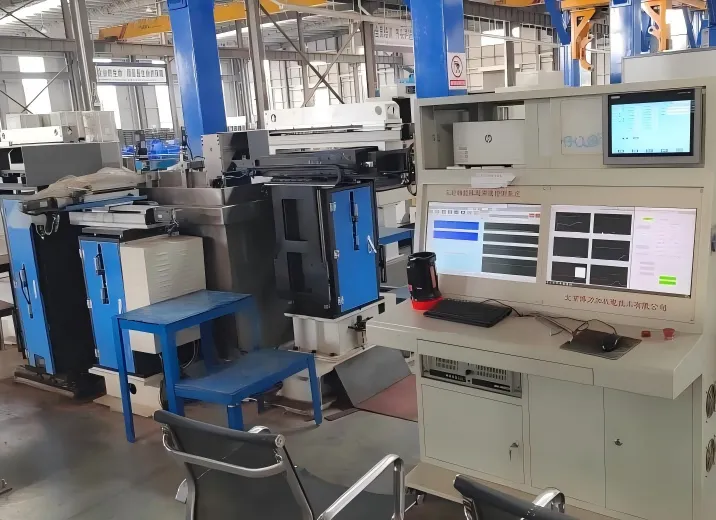
Railway castings are safety-critical components, so quality assurance is strictly controlled.
Spectrometric analysis ensures correct chemical composition of molten steel before casting.
Mechanical properties are verified through:
These tests confirm whether the material meets design requirements.
NDT is essential for detecting internal defects:
These methods ensure there are no hidden cracks, 収縮, or porosity.
Coordinate measuring machines (CMM) are used to verify critical dimensions and tolerances.
Even small deviations can affect assembly performance in bogie systems.
Choosing the right supplier directly affects product reliability and project success.
1. Manufacturing Capability
A qualified supplier should have:
2. エンジニアリングサポート
Strong suppliers provide:
3. Quality System
International railway projects typically require:
4. Industry Experience
Experience in railway applications is critical because:
洛陽豊洋重工業株式会社, 株式会社. specializes in railway cast steel components and heavy industrial castings. Our production covers bogie components, structural railway castings, and precision-machined parts.
We support multiple casting processes including resin sand casting, water glass casting, lost foam casting, and V-process casting, combined with full machining and inspection capabilities.
If you are looking for a reliable railway casting supplier, we can support both OEM production and customized engineering requirements based on drawings or technical specifications.