WeChat コードをスキャンしてご連絡ください
WeChat コードをスキャンしてご連絡ください
お気軽にメールをお送りください。できるだけ早くご返信させていただきます.
心と魂で未来を創る


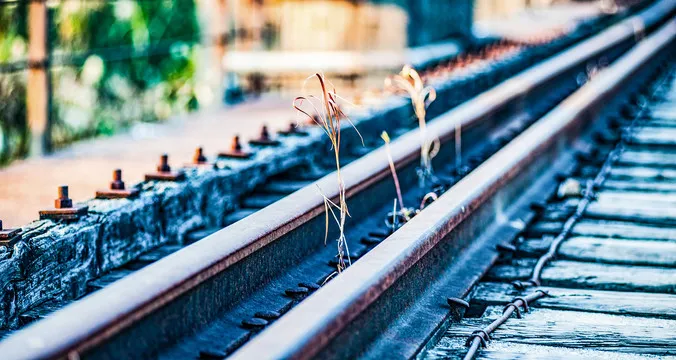
Wooden sleepers and other railway track sleepers both play important roles in railway construction, but many people tend to confuse them. Sleepers generally refer to the wooden components at the bottom of the rails, which were widely used in the early stages of railway construction. While sleepers are a broader concept, they not only include wooden sleepers but also various other materials such as reinforced concrete sleepers and steel sleepers.
2.1 Wooden sleepers traditionally used wood as the main material, such as the sleepers, bridge sleepers,turnout sleepers,anti-corrosion sleepers, oil-soaked sleepers, 等, all use high-quality wood. They are strictly following the GB9221 – 88 (the same as TB/T3172 – 2007) standards for production. The produced oil-soaked ordinary sleepers, oil-soaked turnout sleepers, oil-soaked bridge sleepers, mining sleepers and various un-impregnated plain sleepers have guaranteed quality.

2.2 The materials of sleepers are more diverse. Besides wood, reinforced concrete sleepers are increasingly widely used in modern railways due to their high strength and long service life. 鋼製枕木 have higher toughness and impact resistance.
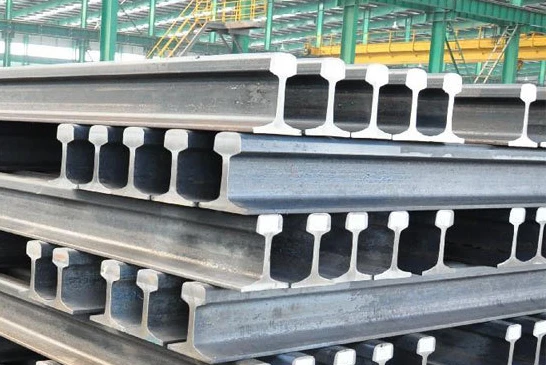
3.1 Wooden sleepers have good elasticity and can buffer the vibrations and impacts generated by train movement, having a certain effect on maintaining the geometric shape of the track. しかし, they also have disadvantages, such as being prone to decay and requiring regular replacement. Through advanced anti-corrosion techniques, anti-corrosion sleepers and oil-soaked sleepers were produced, significantly improving the anti-corrosion ability of wood, with an annual wood anti-corrosion production capacity of 58,000 cubic meters and a supply guarantee capacity of 100,000 cubic meters, capable of meeting the needs of various audiences, such as decoration companies and wood manufacturers. Reinforced concrete sleepers have strong durability and are not affected by climate and decay; steel sleepers have the characteristics of light weight and easy laying.
3.2 From a mechanical performance perspective, sleepers show good elastic recovery ability under vertical loads. So they are effectively distributing the axle load of the train, especially suitable for low-speed, heavy-load or non-electrified lines. しかし, their lateral stability is poor, prone to displacement in high-speed or curved sections.
3.3 Concrete sleepers, due to their heavy weight and stable structure, can provide stronger longitudinal and lateral resistance for the track. They are suitable for high-speed railways, heavy-load trunk lines and electrified lines. 加えて, concrete sleepers have a standardized shape and unified dimensions, which are conducive to maintaining the track gauge and the long-term stability of the track geometry.
In terms of environmental adaptability, wooden sleepers are more sensitive to climate and geological conditions. In humid and rainy areas, they need to undergo anti-corrosion treatment. Concrete sleepers are almost unaffected by natural environments, but in extremely low-temperature areas, they need to guard against freeze-thaw damage.
4.1 Sleepers are still widely used in traditional railways, dedicated lines at stations, mining railways and some urban tram systems. Their construction is simple, and the cost is relatively low, especially suitable for temporary tracks or railway construction in resource-constrained areas. In some tourist railways or landscape railways that value historical style, wooden sleepers are also favored due to their natural appearance.
4.2 Concrete sleepers are the preferred choice for modern high-speed railways, passenger-dedicated lines and heavy-load freight lines. They have high mechanical strength and long service life, able to meet the requirements of high-speed and high-density train operation. Especially in the ballastless track system, the integrated design of concrete sleepers and track plates further improves the stability and smoothness of the track. 鋼製枕木 and composite material sleepers are mostly used in special sections such as bridges and tunnels, or in electrified sections with strict insulation requirements.
The fundamental difference between sleepers and other railway sleepers lies in their materials and the performance they bring. The sleepers are based on natural wood, emphasizing flexibility and shock absorption, and are suitable for certain traditional or low-load scenarios; while the sleepers (especially those made of concrete) represent the material progress in modern railway engineering, focusing on strength, durability and stability, and are the cornerstone of modern high-performance railway networks. With the continuous development of composite materials and structural optimization technologies, the functional form of sleepers is still evolving, further meeting the comprehensive demands of the railway system for safety, economy and environmental protection.
When choosing, a comprehensive analysis should be conducted based on factors such as the design speed of the line, 負荷要件, environmental conditions and the total life cycle cost, in order to achieve the optimal balance of technology and economy.
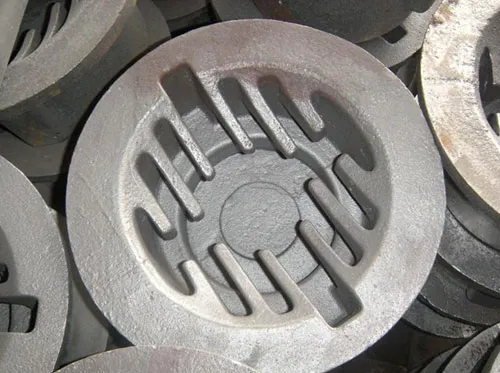
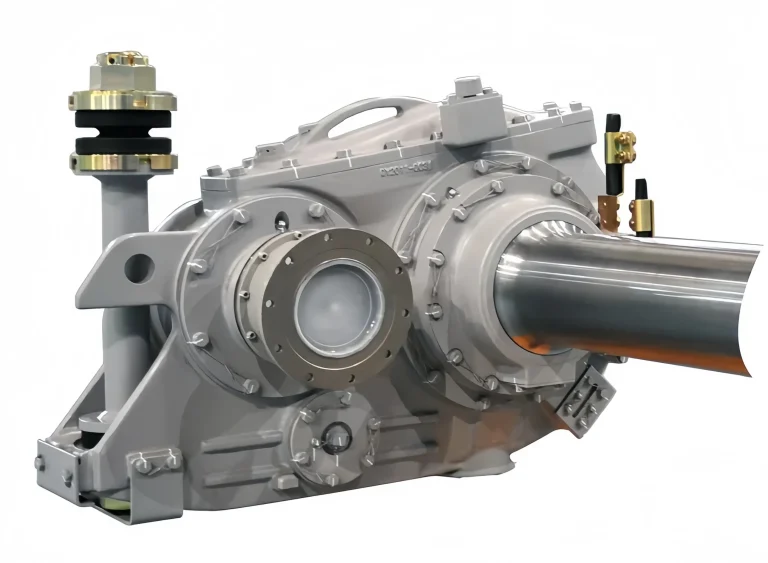
洛陽豊洋重工業株式会社, 株式会社,1998年に設立された鉄道鋳造部品のメーカーです。当社の工場面積は72,600㎡です。, 以上の 300 従業員, 32 技術者, 含む 5 シニアエンジニア, 11 アシスタントエンジニア, そして 16 当社の生産能力は 30,000 年間トン. 現在, 私たちは主に鋳物を生産しています, 機械加工, 機関車の組立て, 鉄道車両, 高速鉄道, 鉱山機械,風力,等.
当社はCRRCに鉄道部品を供給しています。(以上を含む 20 CRRCの支店および子会社),Gemacエンジニアリングマシナリー,サニーグループ, 中信重工業,等. 当社の製品はロシアに輸出されています, 米国, ドイツ, アルゼンチン, 日本, フランス, 南アフリカ,イタリアをはじめとする世界中の国.