סרוק את קוד WeChat כדי ליצור איתנו קשר
סרוק את קוד WeChat כדי ליצור איתנו קשר
אתם מוזמנים לשלוח לנו מייל ואנו נענה לכם בהקדם האפשרי.
יצירת העתיד בלב ובנשמה


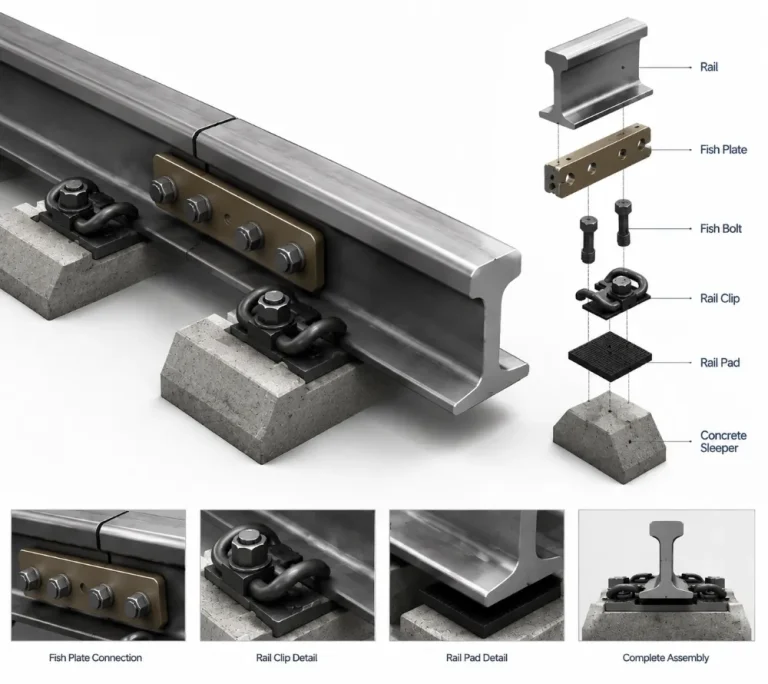
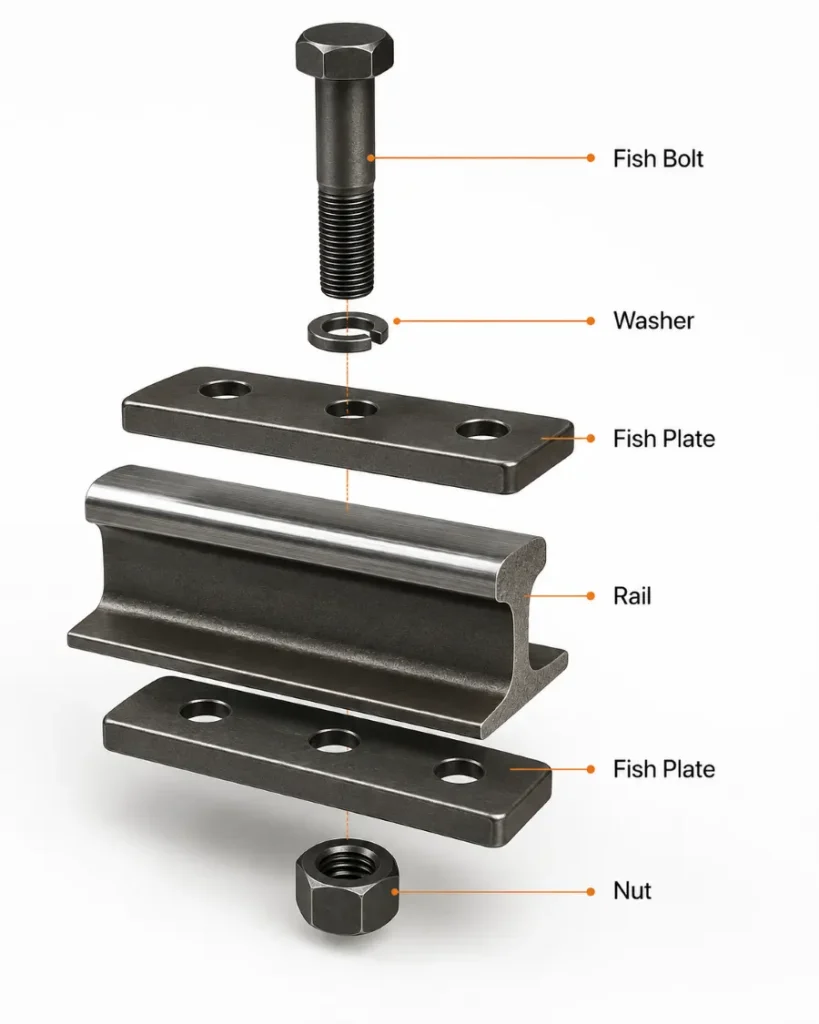
מסילות רכבת עשוי להיראות דומה במבט ראשון, אבל הם רחוקים מלהחליף אותם. מסילת UIC60 המשמשת ברכבת אירופית מהירה לא ניתנת להחלפה פשוט במסילת 136RE המשמשת בקו משא בצפון אמריקה. כְּמוֹ כֵן, א צלחת דגים, קליפ מסילה, אוֹ כרית מסילה מיועד לפרופיל מסילה אחד לא יתאים לאחר.
זו הסיבה שהבנת סוגי מסילות חיונית למהנדסי רכבת, קבלנים, צוותי תחזוקה, ואנשי מקצוע בתחום הרכש. לפני בחירת רכיב מסלול כלשהו, השלב הראשון הוא זיהוי פרופיל המסילה המותקן על המסילה.
מסביב לעולם, מסילות רכבת מיוצרות על פי תקנים לאומיים ובינלאומיים שונים. אירופה משתמשת בעיקר בפרופילי רכבת EN כגון UIC54 ו-60E1. צפון אמריקה עוקבת אחר תקני AREMA עם פרופילים כמו 115RE ו-136RE. רוסיה ומדינות שכנות משתמשות בדרך כלל בפרופילי GOST כגון R50 ו-R65, בעוד לסין יש תקן GB/T משלה עם 50 ק"ג/מ"ר ו 60 מסילות ק"ג/מ"ר בשימוש נרחב ברחבי רשת הרכבות הלאומית.
למרות שהמסילות הללו מבצעות לעתים קרובות פונקציות דומות, הם שונים בממדים, מִשׁקָל, גיאומטריית חתך, ומערכות הידוק תואמות. בחירה בפרופיל מסילה שגוי עלולה להוביל לבעיות התקנה, בלאי מואץ, או אפילו סיכונים בטיחותיים.
במדריך זה, נסביר כיצד מסווגים מסילות רכבת, השווה את פרופילי המסילה הנפוצים ביותר בשימוש ברחבי העולם, ולהראות כיצד לבחור את המסילה הנכונה עבור פרויקטי רכבת שונים. אנו גם נסביר כיצד פרופילי מסילה קובעים את הבחירה של צלחות דגים, תפסי מסילה, רפידות מסילה, ורכיבי הידוק אחרים.
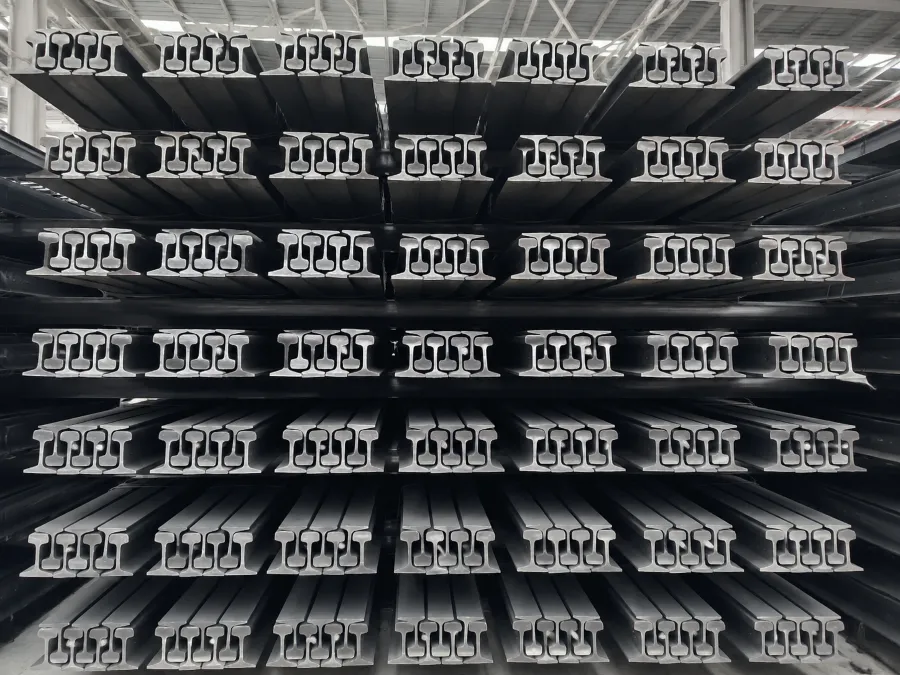
כאשר אנשים מתייחסים לא “סוג מסילה,” יכול להיות שהם מדברים על כמה דברים שונים.
יש המתארים מסילות לפי משקלן, כְּגוֹן 50 ק"ג/מ"ר אוֹ 60 ק"ג/מ"ר. אחרים מתייחסים לסטנדרטים לאומיים כמו ארמה, IN, אוֹ GOST. מהנדסים רבים מזהים מסילות ישירות לפי ייעוד הפרופיל שלהן, כְּגוֹן UIC60, 136מִחָדָשׁ, אוֹ R65.
שיטות מתן שמות אלו מתארות היבטים שונים של אותו מוצר, וזו הסיבה שהם מבולבלים לעתים קרובות.
ליצרני רכבת ומהנדסי תחזוקה, אוּלָם, פרופיל המסילה הוא המזהה החשוב ביותר מכיוון שהוא קובע כמעט כל רכיב המחובר למסילה.
פרופיל מסילה משפיע ישירות:
לְדוּגמָה, א צלחת דגים UIC60 לא ניתן להתקין על a 136מסילת RE, למרות ששתי המסילות שוקל בערך 60 ק"ג למטר. רוחב הראש שלהם, עובי רשת, וממדי כף הרגל שונים, מה שהופך אותם לבלתי תואמים מבחינה מכנית.
באופן דומה, תפס מסילה אלסטי המיועד למושב מסילה 60E1 עשוי שלא לספק את כוח ההידוק הנכון על מסילה 115RE.
זו הסיבה שפרויקטי רכבת מתחילים תמיד בזיהוי פרופיל המסילה לפני בחירת רכיבי הידוק כלשהם.
קריאה קשורה
אין דרך אחת לסווג את מסילות הרכבת. תלוי בפרויקט, מהנדסים יכולים לסווג אותם לפי משקל, פּרוֹפִיל, תקן ייצור, או יישום.
הבנת שיטות הסיווג הללו מקלה בהרבה על זיהוי המסילה הנכונה ולהימנע מבחירת רכיבי הידוק לא תואמים.
זוהי שיטת הסיווג הנפוצה ביותר בהנדסת רכבת בינלאומית.
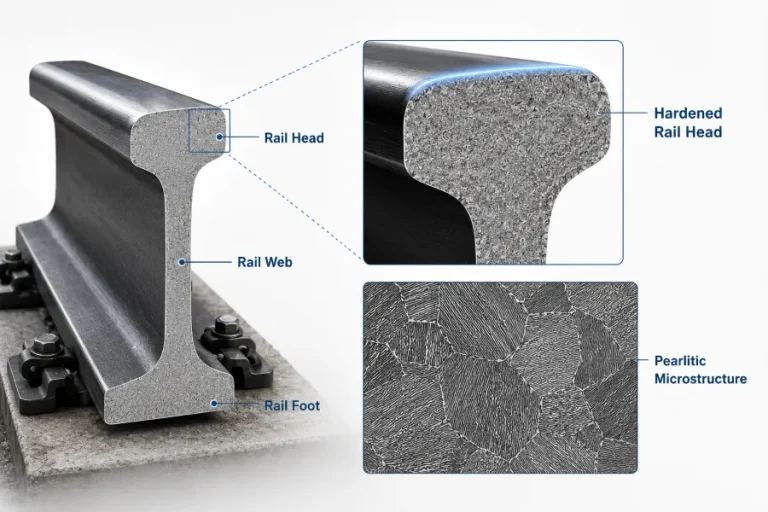
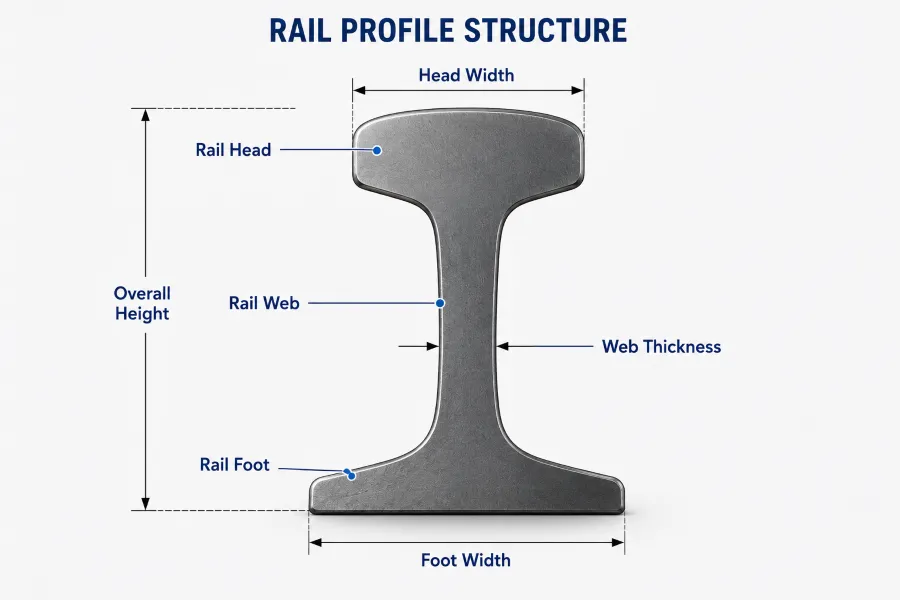
פרופיל מסילה מגדיר את צורת החתך המלאה של המסילה, לְרַבּוֹת:
כי כל רכיב הידוק מתוכנן סביב מידות אלו, פרופיל המסילה משמש כאסמכתא העיקרית במהלך התכנון והרכש.
כמה מפרופילי הרכבת הנפוצים בעולם כוללים:
| פרופיל רכבת | תֶקֶן | אזור טיפוסי |
| UIC54 (54E1) | IN 13674 | אֵירוֹפָּה, מזרח תיכון, אַפְרִיקָה |
| UIC60 (60E1) | IN 13674 | אֵירוֹפָּה, רכבת מהירה |
| 115מִחָדָשׁ | ארמה | צפון אמריקה |
| 132מִחָדָשׁ | ארמה | צפון אמריקה |
| 136מִחָדָשׁ | ארמה | רכבות הובלה כבדה |
| R50 | GOST | רוּסִיָה, מרכז אסיה |
| R65 | GOST | רוּסִיָה, קווי הובלה כבדים |
| 50 ק"ג/מ"ר | GB/T | סִין |
| 60 ק"ג/מ"ר | GB/T | סין מהירות גבוהה & הובלה כבדה |
לפרופילים אלה עשויים להיות משקלים דומים אך גיאומטריות שונות. כתוצאה מכך, הם דורשים צלחות דגים שונות, תפסי מסילה, רפידות מסילה, ומכלולי הידוק.
שיטה נפוצה נוספת היא לסווג מסילות לפי משקלן הליניארי.
משקל המסילה מתבטא בדרך כלל ב:
באופן כללי, מסילות כבדות יותר מספקות חוזק כיפוף גדול יותר ומתאימות יותר לעומסי סרן גבוהים ולתנועה כבדה.
דוגמאות אופייניות כוללות:
| משקל מסילה | יישום טיפוסי |
| 30-43 ק"ג/מ"ר | רכבות תעשייתיות קלות |
| 50 ק"ג/מ"ר | רכבות נוסעים ומשא קונבנציונליות |
| 54 ק"ג/מ"ר | מסילות רכבת מרכזיות |
| 60 ק"ג/מ"ר | רכבות מהירות וכבדות |
| 68-75 ק"ג/מ"ר | יישומים כבדים במיוחד |
בצפון אמריקה, משקל המסילה מזוהה בצורה שונה.
במקום קילוגרמים למטר, מהנדסים משתמשים בפאונד לכל יארד, וכתוצאה מכך ייעודים כגון 115מִחָדָשׁ, 132מִחָדָשׁ, ו 136מִחָדָשׁ.
למרות שמשקל המסילה מספק אינדיקציה שימושית ליכולת נשיאת עומס, לעולם אין להשתמש בו כקריטריון הבחירה היחיד. שתי מסילות עם משקלים כמעט זהים עדיין עשויות להיות בעלות ממדי חתך שונים ודורשות מערכות הידוק שונות לחלוטין.
מדינות ואזורים שונים פיתחו תקני רכבת משלהם במשך עשרות שנים של בניית רכבת.
התקנים הנפוצים ביותר כוללים:
| תֶקֶן | אזורים ראשוניים | פרופילי רכבת קומון |
| IN 13674 | אֵירוֹפָּה | 54E1, 60E1 |
| ארמה | אַרצוֹת הַבְּרִית, קנדה | 115מִחָדָשׁ, 132מִחָדָשׁ, 136מִחָדָשׁ |
| GB/T | סִין | 50 ק"ג/מ"ר, 60 ק"ג/מ"ר |
| GOST | רוּסִיָה, מרכז אסיה | R50, R65 |
| הוּא | יַפָּן | 50נ, 60 ק"ג |
| מַס הַכנָסָה | הוֹדוּ | 52 ק"ג, 60 ק"ג |
למרות שתקנים אלה חולקים עקרונות הנדסיים רבים, הם מגדירים ממדי מסילה שונים, סובלנות, ציוני פלדה, ודרישות הבדיקה.
לפרויקטי רכבת בינלאומיים, בחירת התקן הנכון חשובה לא פחות מבחירת פרופיל המסילה הנכון.
גם פרופילי מסילה נבחרים בהתאם לתנאי ההפעלה של הרכבת.
יישומים אופייניים כוללים:
| סוג רכבת | פרופילי רכבת קומון |
| רכבת מהירה | 60E1, UIC60, 60 ק"ג |
| רכבת הובלה כבדה | 136מִחָדָשׁ, R65, 75 ק"ג |
| רכבת נוסעים | UIC54, UIC60 |
| רכבת משא | 115מִחָדָשׁ, 132מִחָדָשׁ, R50 |
| רַכֶּבֶת תַחְתִית & רַכֶּבֶת תַחְתִית | 50 ק"ג, 54E1 |
| רכבת מנוף | QU70, QU80, QU100 |
| רכבת תעשייתית | P38, P43, סדרת QU |
כל יישום מציב דרישות שונות על המסילה מבחינת עומס הסרן, מהירות הרכבת, התנגדות לעייפות, ללבוש ביצועים, ודרישות תחזוקה.
בחירת פרופיל המסילה הנכון מבטיחה לא רק אמינות מבנית אלא גם תאימות למערכת הידוק השלמה של הרכבת, עוזר להפחית את עלויות התחזוקה ולהאריך את חיי השירות של המסלול.
למרות שפותחו מאות פרופילי מסילה במהלך המאה האחרונה, רק מספר קטן יחסית נמצא בשימוש נרחב ברשתות הרכבת של ימינו. Most modern railways are built according to one of several major standards, לְרַבּוֹת IN, ארמה, GB/T, GOST, הוּא, ו מַס הַכנָסָה.
If you’re involved in an international railway project, understanding these standards can help you select compatible rails and fastening components while avoiding costly specification errors.
The table below summarizes the most common railway rail profiles used around the world.
| פרופיל רכבת | תֶקֶן | מִשׁקָל | אזורים ראשוניים | יישומים אופייניים |
| UIC54 (54E1) | IN 13674 | 54.43 ק"ג/מ"ר | אֵירוֹפָּה, מזרח תיכון, אַפְרִיקָה | נוֹסֵעַ & רכבות משא |
| UIC60 (60E1) | IN 13674 | 60.21 ק"ג/מ"ר | אֵירוֹפָּה, רכבת מהירה | High-Speed & Heavy Traffic |
| 115מִחָדָשׁ | ארמה | 56.9 ק"ג/מ"ר | צפון אמריקה | רכבות משא |
| 132מִחָדָשׁ | ארמה | 65.5 ק"ג/מ"ר | צפון אמריקה | Mainline Freight |
| 136מִחָדָשׁ | ארמה | 67.5 ק"ג/מ"ר | צפון אמריקה | רכבות כבדות |
| R50 | GOST | 51.7 ק"ג/מ"ר | רוּסִיָה & מרכז אסיה | Conventional Railways |
| R65 | GOST | 64.9 ק"ג/מ"ר | רוּסִיָה & Heavy-Haul Lines | Heavy Freight |
| 50 ק"ג/מ"ר | GB/T | 50 ק"ג/מ"ר | סִין | Conventional Railway |
| 60 ק"ג/מ"ר | GB/T | 60 ק"ג/מ"ר | סִין | High-Speed & Heavy-Haul |
| JIS 50N | הוּא | 50.4 ק"ג/מ"ר | יַפָּן | Conventional Railway |
While some of these rails have similar weights, their dimensions are different. A rail profile is defined not only by its weight but also by its head width, עובי רשת, רוחב כף הרגל, and overall height. These differences determine which fish plates, תפסי מסילה, רפידות מסילה, and sleepers can be used.
European railways have gradually standardized around the IN 13674 specification. הַיוֹם, two profiles dominate most new railway construction projects.
UIC54, also known as 54E1, is widely used on conventional passenger and freight railways throughout Europe, המזרח התיכון, אַפְרִיקָה, and many developing railway networks.
Compared with heavier rail sections, UIC54 offers an excellent balance between structural strength and construction cost, making it suitable for medium axle loads and mixed traffic.
יישומים אופייניים כוללים:
Because UIC54 has been used for decades, compatible fish plates, clips, and fastening systems are readily available worldwide.
UIC60, officially designated 60E1 under EN 13674, has become one of the most widely used rail profiles in the world.
Designed for higher axle loads and higher operating speeds, UIC60 is commonly installed on:
Its larger cross-section provides greater bending stiffness, improved fatigue resistance, and longer service life under intensive traffic.
For many international railway projects, UIC60 has become the preferred rail profile because it combines high performance with global availability.
Unlike Europe, North America follows ארמה תקנים, where rails are identified by their weight in pounds per yard rather than kilograms per meter.
The most common profiles include 115RE, 132מִחָדָשׁ, and 136RE.
115RE is commonly used on conventional freight lines, branch railways, and industrial tracks.
Although lighter than modern heavy-haul rails, it continues to provide reliable performance for moderate traffic volumes.
132RE offers greater structural capacity than 115RE and is frequently selected for busy freight corridors with higher axle loads.
Many Class I railroads continue to use this profile across extensive sections of their networks.
136RE is considered the standard heavy-haul rail profile across North America.
It is widely installed on railways carrying heavy bulk commodities such as coal, iron ore, grain, and containers.
Compared with lighter AREMA profiles, 136RE offers:
Because of its different cross-sectional geometry, א 136בר משותף RE cannot be replaced with a UIC60 fish plate, even though their weights are relatively close.
China has developed its own series of railway rail standards, primarily based on rail weight.
הַיוֹם, two profiles dominate the national railway system.
ה 50 kg rail is commonly used on conventional passenger and freight railways, מסילות ברזל תעשייתיות, and branch lines.
למרות שמסילות ברזל חדשות יותר מאמצות יותר ויותר קטעי רכבת כבדים יותר, את 50 פרופיל ק"ג נותר חלק חשוב מתשתית הרכבת הקיימת.
ה 60 ק"ג מסילה הפך לפרופיל הרכבות העיקרי של סין לבניית רכבות מודרניות.
זה נמצא בשימוש נרחב עבור:
כי רשת הרכבות המהירות של סין היא מהגדולות בעולם, את 60 מסילת ק"ג הפכה לאחד מפרופילי המסילה בנפח הגבוה ביותר שנמצאים כיום בייצור.
רכבות ברוסיה ובמדינות שכנות רבות עוקבות אחר GOST תֶקֶן.
שני הפרופילים הנפוצים ביותר הם R50 ו R65.
R50 מותקן בדרך כלל על מסילות ברזל קונבנציונליות עם צפיפות תנועה מתונה.
הוא נשאר פופולרי ברשתות רכבת קיימות ברחבי מזרח אירופה ומרכז אסיה.
R65 הוא פרופיל המסילה הדומיננטי כבד תחת מערכת GOST.
משקלו הגבוה יותר וחתך הרוחב החזק יותר הופכים אותו למתאים:
פרויקטי רכבת בינלאומיים רבים המספקים לרוסיה, קזחסטן, מונגוליה, והשווקים השכנים ממשיכים לציין מסילות R65 יחד עם מערכות הידוק תואמות.
אין תקן עולמי אחד, אך מספר פרופילי רכבת שולטים בבניית מסילות ברזל בינלאומיות.
באופן כללי:
For manufacturers and procurement engineers, identifying the rail profile should always be the first step before selecting fish plates, תפסי מסילה, רפידות מסילה, ישנים, or other railway fastening components.
Although railway rails around the world may appear similar in function, their geometry and mechanical behavior can be quite different. Even small variations in head width, עובי רשת, or rail foot dimensions can make two rail profiles completely incompatible.
For engineers and procurement teams, understanding these differences is critical when designing track systems or selecting replacement components.
Below is a practical comparison of the most commonly confused rail profiles.
במבט ראשון, UIC60 (60E1) ו 60 kg rail may seem almost identical because both are close in weight and widely used on high-speed railways.
אוּלָם, they are not interchangeable without confirmation of detailed dimensions.
In many international projects, 60 kg rail and UIC60 are sometimes treated as “equivalent in load capacity,” but from a manufacturing perspective, הם not fully interchangeable without engineering verification.
בִּפְרָט:
This is one of the most common misunderstandings in international railway procurement.
Both profiles are widely used in heavy rail applications, but they belong to completely different design systems.
Even though their weights are similar, UIC60 fish plates cannot be used on 136RE rails.
The consequences of mismatch include:
מסיבה זו, railway operators always specify rail profile and joint bar type together.
R65 (GOST) and UIC60 are often compared in heavy freight applications, especially in Eastern Europe and international mining projects.
Although both can handle high loads, their design philosophy is different:
R65 prioritizes strength and durability, while UIC60 balances speed and load efficiency.
Selecting the correct rail profile is not only a structural decision, but also a system-level engineering decision. It affects the entire railway track structure, including fastening systems, ישנים, and maintenance cycles.
In real engineering projects, rail selection is usually based on the following key factors:
Axle load is one of the most important parameters.
| Axle Load Level | Recommended Rail Profile |
| Light (<16 ט) | 50 ק"ג, UIC54 |
| בֵּינוֹנִי (16–22 t) | UIC54, 115מִחָדָשׁ |
| כָּבֵד (22–25 t) | UIC60, 132מִחָדָשׁ |
| Very Heavy (>25 ט) | 136מִחָדָשׁ, R65, 60 kg reinforced |
Higher axle loads require deeper rail sections with better fatigue resistance.
Speed affects dynamic impact and vibration.
Higher speed requires better surface quality and tighter manufacturing tolerances.
Different railways require different performance priorities:
In most real projects, rail profile selection is not optional—it is defined by national standards.
Switching between systems requires full redesign of fastening components.
One of the most critical engineering principles in railway track design is this:
Rail profiles and fastening systems must be designed as a complete system, not as independent components.
A mismatch between rail profile and fastening components can lead to serious operational problems.
תפסי מסילה must match rail seat geometry and clamping force requirements.
לְדוּגמָה:
Incorrect clip selection may lead to:
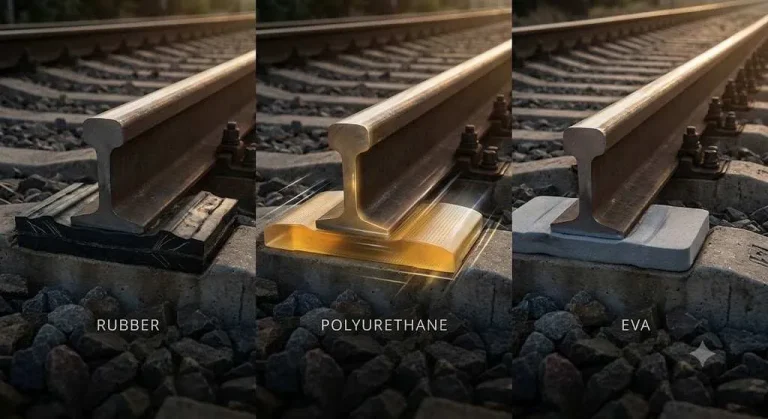
רפידות מסילה act as the elastic interface between rail and sleeper.
Different rail profiles require different pad stiffness and geometry:
As explained in our detailed guide:
חומרי רפידת מסילה בהשוואה: גומי מול EVA מול פוליאוריטן
צלחות דגים (סורגים מפרקים) are one of the most profile-sensitive components in railway systems.
Each rail profile requires a perfectly matched joint bar:
Even small differences in rail head geometry will prevent proper bolt alignment.
ישנים must be designed according to rail load and fastening system:
Sleeper design determines rail seat geometry, which directly affects clip selection.
The most widely used rail profile globally is UIC60 (also known as 60E1). It is commonly used in Europe, high-speed rail systems, and many international railway projects because it offers a good balance between strength, speed capability, and global standardization.
UIC60 (60E1) follows the European EN 13674 תֶקֶן, בְּעוֹד 60 kg rail follows the Chinese GB/T standard.
Although they are similar in weight, they are not fully interchangeable because:
In engineering practice, substitution requires full technical verification.
136RE is an AREMA rail profile used mainly in North America.
It is widely used in heavy-haul freight railways such as coal, ore, and container transport corridors.
לֹא. UIC60 and 136RE belong to different railway design systems:
They differ in geometry, fastening design, and joint systems. Direct substitution is not recommended.
Heavy-haul railways typically use:
Selection depends on axle load, צפיפות התנועה, ואסטרטגיית תחזוקה.
Rail profiles are usually marked on the rail web. You can identify them by:
For accurate identification, engineers often use rail profile gauges.
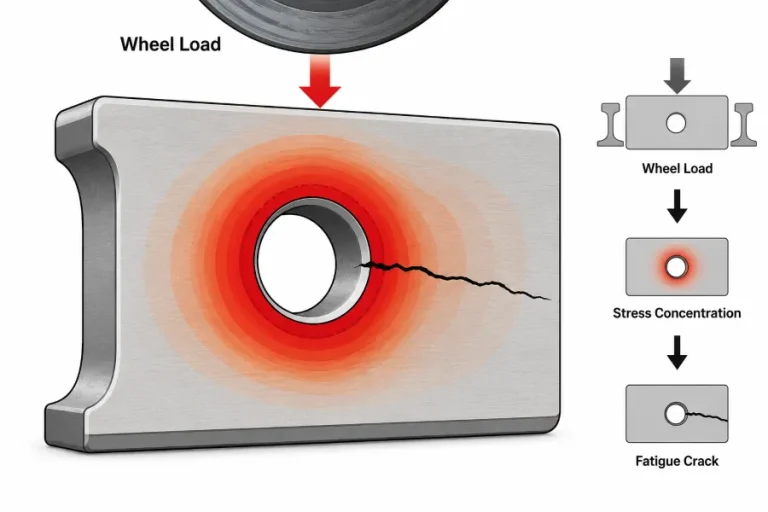
Fish plates must match rail profiles because they connect two rail ends and transfer load across the joint.
If the profile does not match:
This is why each rail type has a dedicated fish plate design.
בְּ Luoyang Fonyo Heavy Industries Co., בע"מ., we supply a full range of railway track components, לְרַבּוֹת:
With decades of manufacturing experience and international supply capability, we support railway projects in Europe, צפון אמריקה, דרום אמריקה, אַפְרִיקָה, and Asia.
If you are planning a railway project or need assistance in selecting compatible rail fastening components, our engineering team can help you match the correct system based on your rail profile and application requirements.