Отсканируйте код WeChat, чтобы связаться с нами.
Отсканируйте код WeChat, чтобы связаться с нами.
Не стесняйтесь, отправьте нам электронное письмо, и мы ответим вам как можно скорее.
Создаем будущее сердцем и душой


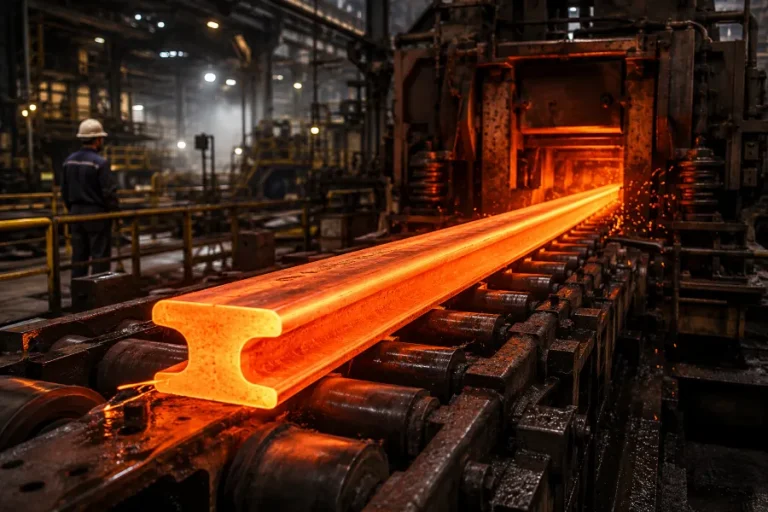
Железнодорожные рельсы может быть похоже на первый взгляд, но они далеко не взаимозаменяемы. Рельс UIC60, используемый на европейской высокоскоростной железной дороге, нельзя просто заменить рельсом 136RE, используемым на грузовой линии в Северной Америке.. Так же, а рыбная тарелка, рельсовый зажим, или железнодорожная площадка предназначенный для одного профиля рельса, не подойдет к другому.
Вот почему понимание типов рельсов важно для инженеров железнодорожного транспорта., подрядчики, бригады технического обслуживания, и специалисты по закупкам. Перед выбором любого компонента пути, первым шагом является определение профиля рельса, установленного на пути.
По всему миру, железнодорожные рельсы изготавливаются по различным национальным и международным стандартам.. В Европе в основном используются профили рельсов EN, такие как UIC54 и 60E1.. Северная Америка следует стандартам AREMA с такими профилями, как 115RE и 136RE.. В России и соседних странах обычно используются профили ГОСТ, такие как R50 и R65., в то время как в Китае существует собственный стандарт GB/T с 50 кг/м и 60 Рельсы кг/м широко используются на национальной железнодорожной сети..
Хотя эти рельсы зачастую выполняют схожие функции, они отличаются размерами, масса, геометрия поперечного сечения, и совместимые системы крепления. Выбор неправильного профиля направляющей может привести к проблемам при установке., ускоренный износ, или даже риски безопасности.
В этом руководстве, мы объясним, как классифицируются железнодорожные рельсы, сравнить наиболее распространенные профили рельсов, используемые во всем мире, и покажем, как правильно выбрать рельс для различных железнодорожных проектов.. Мы также объясним, как профили рельсов определяют выбор рыбные тарелки, рельсовые зажимы, железнодорожные колодки, и другие крепежные детали.
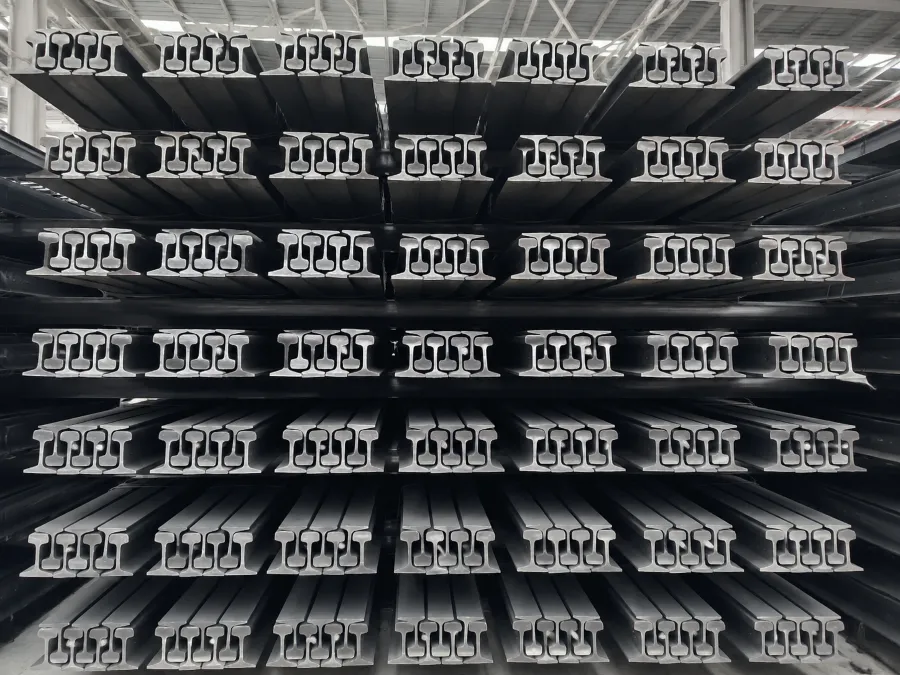
Когда люди обращаются к “тип рельса,” на самом деле они могут говорить о разных вещах.
Некоторые описывают рельсы по их весу., такой как 50 кг/м или 60 кг/м. Другие ссылаются на национальные стандарты, такие как АРЕМА, В, или ГОСТ. Многие инженеры идентифицируют рельсы непосредственно по обозначению профиля., такой как МСЖД60, 136РЭ, или 65 рэндов.
Эти методы наименования описывают разные аспекты одного и того же продукта., поэтому их часто путают.
Для производителей железных дорог и инженеров по техническому обслуживанию, однако, профиль рельса является наиболее важным идентификатором, поскольку он определяет почти каждый компонент, подключенный к рельсу.
Профиль рельса напрямую влияет:
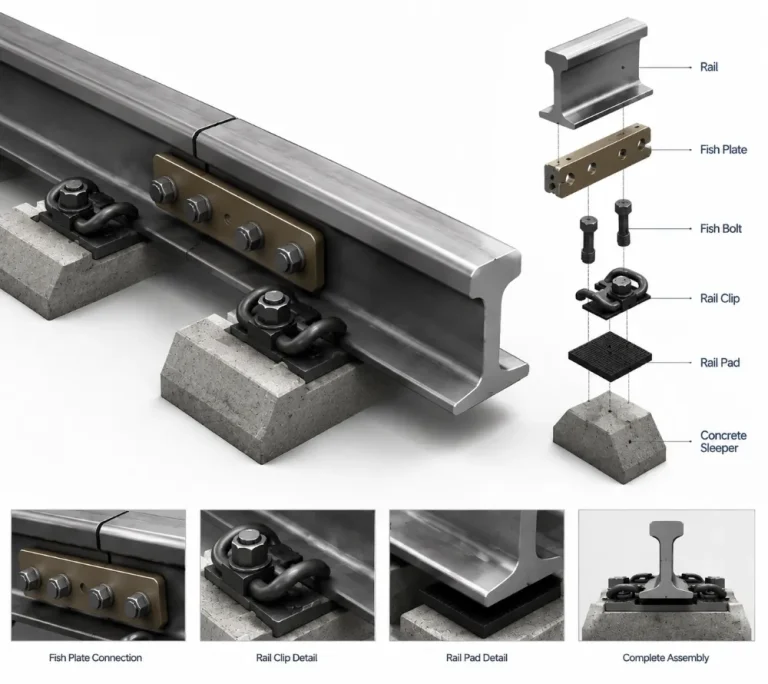
Например, а Рыбная тарелка UIC60 не может быть установлен на 136Рельс RE, хотя оба рельса весят примерно 60 кг на метр. Ширина их головы, толщина полотна, и размеры стопы разные, делая их механически несовместимыми.
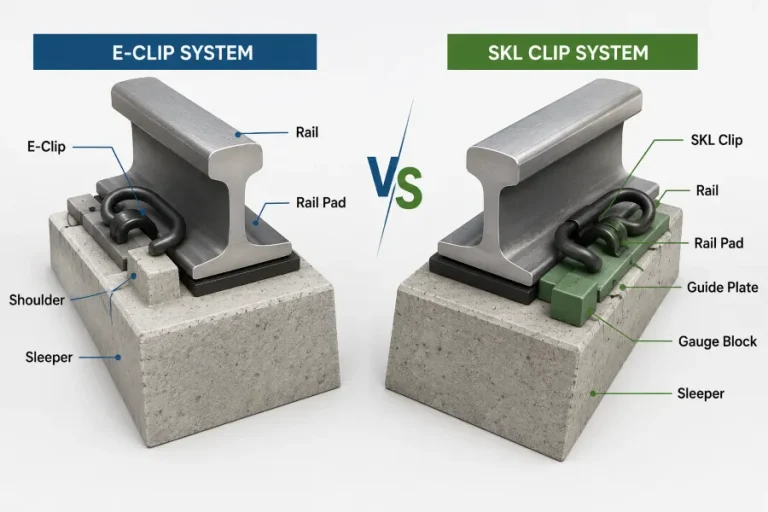
Сходным образом, эластичный зажим рельса, предназначенный для посадочного места рельса 60E1, может не обеспечить правильную силу зажима на рельсе 115RE..
Вот почему железнодорожные проекты всегда начинаются с определения профиля рельса, прежде чем выбирать какие-либо элементы крепления..
Связанное чтение
Единой классификации железнодорожных рельсов не существует.. В зависимости от проекта, инженеры могут классифицировать их по весу, профиль, производственный стандарт, или приложение.
Понимание этих методов классификации значительно упрощает идентификацию правильной направляющей и позволяет избежать выбора несовместимых компонентов крепления..
Это наиболее широко используемый метод классификации в международном железнодорожном машиностроении..
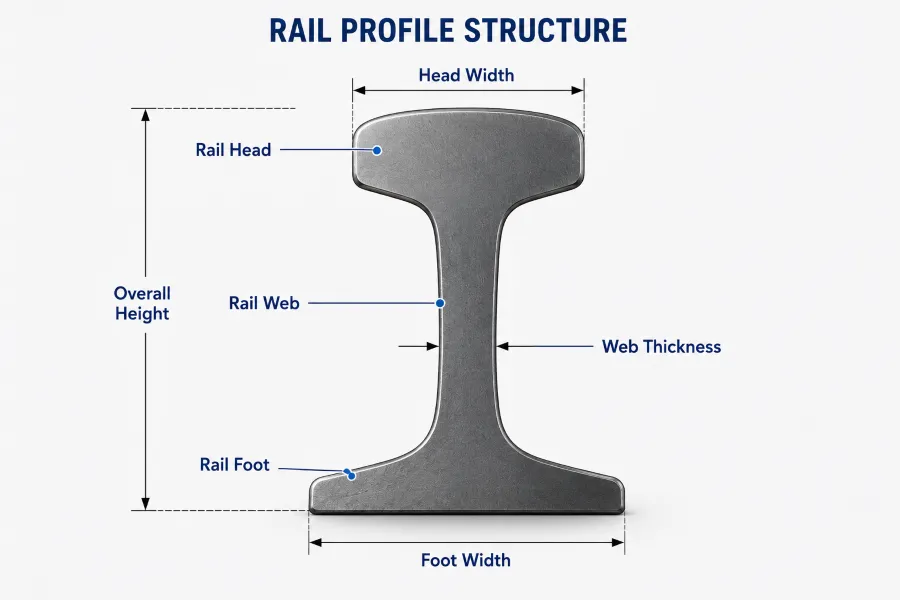
Профиль рельса определяет полную форму поперечного сечения рельса., включая:
Потому что каждый крепежный компонент спроектирован с учетом этих размеров., профиль рельса служит основным ориентиром при проектировании и закупках.
Некоторые из наиболее распространенных в мире профилей рельсов включают::
| Рельсовый профиль | Стандартный | Типичный регион |
| МСЖД54 (54Е1) | В 13674 | Европа, Средний Восток, Африка |
| МСЖД60 (60Е1) | В 13674 | Европа, Высокоскоростная железная дорога |
| 115РЭ | АРЕМА | Северная Америка |
| 132РЭ | АРЕМА | Северная Америка |
| 136РЭ | АРЕМА | Тяжелые железные дороги |
| 50 рандов | ГОСТ | Россия, Центральная Азия |
| 65 рэндов | ГОСТ | Россия, Тяжелые перевозки |
| 50 кг/м | ГБ/Т | Китай |
| 60 кг/м | ГБ/Т | Китай Высокоскоростной & Тяжелые перевозки |
Эти профили могут иметь одинаковый вес, но разную геометрию.. Как результат, им нужны разные рыбные тарелки, рельсовые зажимы, железнодорожные колодки, и крепежные узлы.
Другой распространенный метод — классификация рельсов по их линейному весу..
Вес рельса обычно выражается в:
Вообще говоря, более тяжелые рельсы обеспечивают большую прочность на изгиб и лучше подходят для высоких осевых нагрузок и интенсивного движения..
Типичные примеры включают в себя:
| Вес рельса | Типичное применение |
| 30–43 кг/м | Легкие промышленные железные дороги |
| 50 кг/м | Обычные пассажирские и грузовые железные дороги |
| 54 кг/м | Магистральные железные дороги |
| 60 кг/м | Высокоскоростные и тяжеловесные железные дороги |
| 68–75 кг/м | Чрезвычайно тяжелые перевозки |
В Северной Америке, вес рельса определяется по-другому.
Вместо килограммов на метр, инженеры используют фунты на ярд, что приводит к таким обозначениям, как 115РЭ, 132РЭ, и 136РЭ.
Хотя вес рельса является полезным показателем грузоподъемности., его никогда не следует использовать в качестве единственного критерия выбора.. Two rails with nearly identical weights may still have different cross-sectional dimensions and require completely different fastening systems.
Different countries and regions have developed their own railway standards over decades of railway construction.
The most common standards include:
| Стандартный | Primary Regions | Common Rail Profiles |
| В 13674 | Европа | 54Е1, 60Е1 |
| АРЕМА | Соединенные Штаты, Канада | 115РЭ, 132РЭ, 136РЭ |
| ГБ/Т | Китай | 50 кг/м, 60 кг/м |
| ГОСТ | Россия, Центральная Азия | 50 рандов, 65 рэндов |
| ОН | Япония | 50Н, 60 кг |
| Налоговое управление США | Индия | 52 кг, 60 кг |
Although these standards share many engineering principles, they define different rail dimensions, допуски, марки стали, and inspection requirements.
Для международных железнодорожных проектов, selecting the correct standard is just as important as choosing the correct rail profile.
Rail profiles are also selected according to the operating conditions of the railway.
Типичные области применения включают в себя:
| Railway Type | Common Rail Profiles |
| Высокоскоростная железная дорога | 60Е1, МСЖД60, 60 кг |
| Тяжеловесная железная дорога | 136РЭ, 65 рэндов, 75 кг |
| Passenger Railway | МСЖД54, МСЖД60 |
| Грузовая железная дорога | 115РЭ, 132РЭ, 50 рандов |
| Метро & Subway | 50 кг, 54Е1 |
| Крановый рельс | QU70, QU80, КУ100 |
| Промышленная железная дорога | P38, P43, QU Series |
Each application places different demands on the rail in terms of axle load, скорость поезда, сопротивление усталости, износостойкость, и требования к техническому обслуживанию.
Выбор правильного профиля рельса обеспечивает не только надежность конструкции, но и совместимость со всей системой железнодорожных скреплений., помогает снизить затраты на техническое обслуживание и продлить срок службы гусениц.
Хотя за последнее столетие были разработаны сотни профилей рельсов., лишь относительно небольшое их количество широко используется в сегодняшних железнодорожных сетях.. Большинство современных железных дорог строятся в соответствии с одним из нескольких основных стандартов., включая В, АРЕМА, ГБ/Т, ГОСТ, ОН, и Налоговое управление США.
Если вы участвуете в международном железнодорожном проекте, понимание этих стандартов может помочь вам выбрать совместимые направляющие и крепежные компоненты, избегая при этом дорогостоящих ошибок в спецификациях..
В таблице ниже приведены наиболее распространенные профили железнодорожных рельсов, используемые во всем мире..
| Рельсовый профиль | Стандартный | Масса | Primary Regions | Типичные применения |
| МСЖД54 (54Е1) | В 13674 | 54.43 кг/м | Европа, Средний Восток, Африка | Пассажир & Грузовые железные дороги |
| МСЖД60 (60Е1) | В 13674 | 60.21 кг/м | Европа, Высокоскоростная железная дорога | Высокоскоростной & Интенсивное движение |
| 115РЭ | АРЕМА | 56.9 кг/м | Северная Америка | Грузовые железные дороги |
| 132РЭ | АРЕМА | 65.5 кг/м | Северная Америка | Mainline Freight |
| 136РЭ | АРЕМА | 67.5 кг/м | Северная Америка | Тяжелые железные дороги |
| 50 рандов | ГОСТ | 51.7 кг/м | Россия & Центральная Азия | Conventional Railways |
| 65 рэндов | ГОСТ | 64.9 кг/м | Россия & Heavy-Haul Lines | Heavy Freight |
| 50 кг/м | ГБ/Т | 50 кг/м | Китай | Conventional Railway |
| 60 кг/м | ГБ/Т | 60 кг/м | Китай | Высокоскоростной & Heavy-Haul |
| JIS 50N | ОН | 50.4 кг/м | Япония | Conventional Railway |
While some of these rails have similar weights, their dimensions are different. A rail profile is defined not only by its weight but also by its head width, толщина полотна, ширина стопы, and overall height. These differences determine which fish plates, рельсовые зажимы, железнодорожные колодки, and sleepers can be used.
European railways have gradually standardized around the В 13674 specification. Сегодня, two profiles dominate most new railway construction projects.
МСЖД54, also known as 54Е1, is widely used on conventional passenger and freight railways throughout Europe, Ближний Восток, Африка, and many developing railway networks.
Compared with heavier rail sections, UIC54 offers an excellent balance between structural strength and construction cost, making it suitable for medium axle loads and mixed traffic.
Типичные области применения включают в себя:
Because UIC54 has been used for decades, compatible fish plates, clips, and fastening systems are readily available worldwide.
МСЖД60, officially designated 60Е1 under EN 13674, has become one of the most widely used rail profiles in the world.
Designed for higher axle loads and higher operating speeds, UIC60 is commonly installed on:
Its larger cross-section provides greater bending stiffness, improved fatigue resistance, and longer service life under intensive traffic.
For many international railway projects, UIC60 has become the preferred rail profile because it combines high performance with global availability.
Unlike Europe, North America follows АРЕМА стандарты, where rails are identified by their weight in pounds per yard rather than kilograms per meter.
The most common profiles include 115RE, 132РЭ, и 136РЭ.
115RE is commonly used on conventional freight lines, branch railways, and industrial tracks.
Although lighter than modern heavy-haul rails, it continues to provide reliable performance for moderate traffic volumes.
132RE offers greater structural capacity than 115RE and is frequently selected for busy freight corridors with higher axle loads.
Many Class I railroads continue to use this profile across extensive sections of their networks.
136RE is considered the standard heavy-haul rail profile across North America.
It is widely installed on railways carrying heavy bulk commodities such as coal, iron ore, grain, and containers.
Compared with lighter AREMA profiles, 136RE offers:
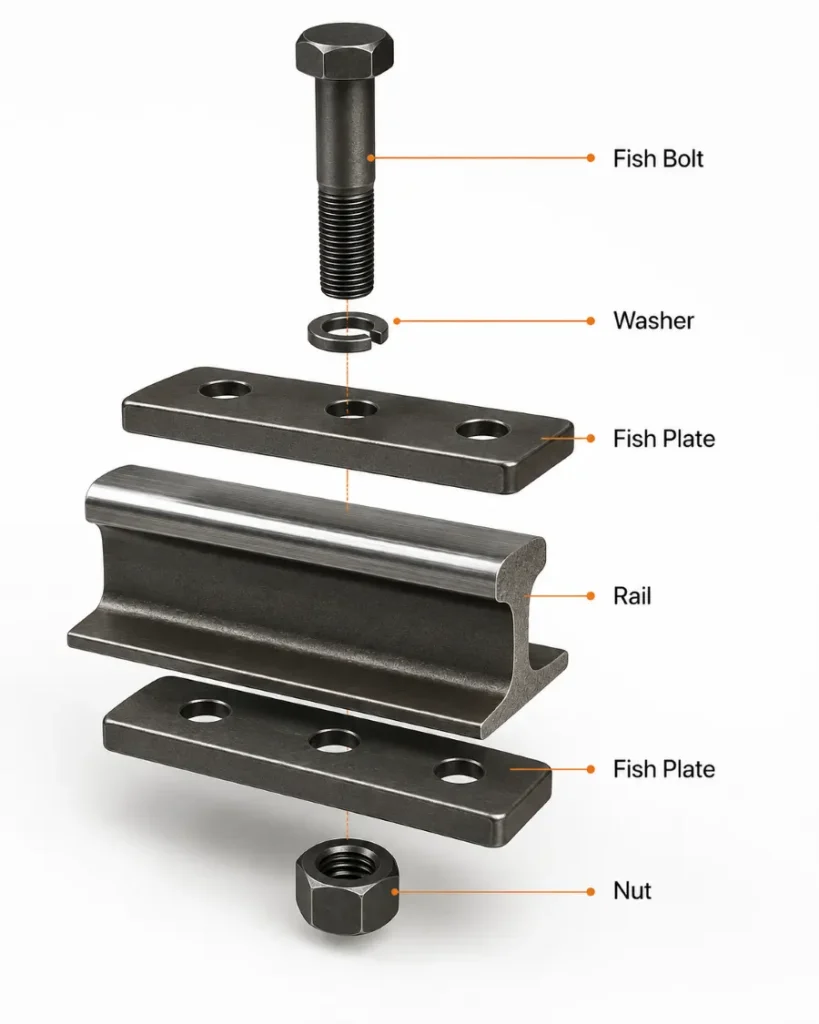
Because of its different cross-sectional geometry, а 136RE Совместный Бар cannot be replaced with a UIC60 fish plate, even though their weights are relatively close.
China has developed its own series of railway rail standards, primarily based on rail weight.
Сегодня, two profiles dominate the national railway system.
The 50 kg rail is commonly used on conventional passenger and freight railways, промышленные железные дороги, and branch lines.
Although newer railways increasingly adopt heavier rail sections, тот 50 kg profile remains an important part of existing railway infrastructure.
The 60 kg rail has become China’s primary rail profile for modern railway construction.
It is widely used for:
Because China’s high-speed railway network is one of the largest in the world, тот 60 kg rail has become one of the highest-volume rail profiles currently in production.
Railways in Russia and many neighboring countries follow the ГОСТ стандартный.
The two most common profiles are 50 рандов и 65 рэндов.
R50 is typically installed on conventional railways with moderate traffic density.
It remains popular across existing railway networks throughout Eastern Europe and Central Asia.
R65 is the dominant heavy-duty rail profile under the GOST system.
Its higher weight and stronger cross-section make it suitable for:
Many international railway projects supplying Russia, Казахстан, Монголия, and neighboring markets continue to specify R65 rails together with matching fastening systems.
There is no single global standard, but several rail profiles dominate international railway construction.
Вообще говоря:
For manufacturers and procurement engineers, identifying the rail profile should always be the first step before selecting fish plates, рельсовые зажимы, железнодорожные колодки, шпалы, or other railway fastening components.
Although railway rails around the world may appear similar in function, their geometry and mechanical behavior can be quite different. Even small variations in head width, толщина полотна, or rail foot dimensions can make two rail profiles completely incompatible.
Для инженеров и отделов закупок, understanding these differences is critical when designing track systems or selecting replacement components.
Below is a practical comparison of the most commonly confused rail profiles.
На первый взгляд, МСЖД60 (60Е1) и 60 kg rail may seem almost identical because both are close in weight and widely used on high-speed railways.
Однако, they are not interchangeable without confirmation of detailed dimensions.
In many international projects, 60 kg rail and UIC60 are sometimes treated as “equivalent in load capacity,” but from a manufacturing perspective, they are not fully interchangeable without engineering verification.
In particular:
This is one of the most common misunderstandings in international railway procurement.
Both profiles are widely used in heavy rail applications, but they belong to completely different design systems.
Even though their weights are similar, UIC60 fish plates cannot be used on 136RE rails.
The consequences of mismatch include:
По этой причине, railway operators always specify rail profile and joint bar type together.
65 рэндов (ГОСТ) and UIC60 are often compared in heavy freight applications, especially in Eastern Europe and international mining projects.
Although both can handle high loads, their design philosophy is different:
R65 prioritizes strength and durability, while UIC60 balances speed and load efficiency.
Selecting the correct rail profile is not only a structural decision, but also a system-level engineering decision. It affects the entire railway track structure, including fastening systems, шпалы, and maintenance cycles.
In real engineering projects, rail selection is usually based on the following key factors:
Axle load is one of the most important parameters.
| Axle Load Level | Recommended Rail Profile |
| Свет (<16 т) | 50 кг, МСЖД54 |
| Середина (16–22 t) | МСЖД54, 115РЭ |
| Тяжелый (22–25 t) | МСЖД60, 132РЭ |
| Very Heavy (>25 т) | 136РЭ, 65 рэндов, 60 kg reinforced |
Higher axle loads require deeper rail sections with better fatigue resistance.
Speed affects dynamic impact and vibration.
Higher speed requires better surface quality and tighter manufacturing tolerances.
Different railways require different performance priorities:
In most real projects, rail profile selection is not optional—it is defined by national standards.
Switching between systems requires full redesign of fastening components.
One of the most critical engineering principles in railway track design is this:
Rail profiles and fastening systems must be designed as a complete system, not as independent components.
A mismatch between rail profile and fastening components can lead to serious operational problems.
Рельсовые зажимы must match rail seat geometry and clamping force requirements.
Например:
Incorrect clip selection may lead to:
Рельсовые колодки act as the elastic interface between rail and sleeper.
Different rail profiles require different pad stiffness and geometry:
As explained in our detailed guide:
Сравнение материалов рельсовых накладок: Резина против ЭВА против полиуретана
Рыбные тарелки (суставные стержни) are one of the most profile-sensitive components in railway systems.
Each rail profile requires a perfectly matched joint bar:
Even small differences in rail head geometry will prevent proper bolt alignment.
Шпалы must be designed according to rail load and fastening system:
Sleeper design determines rail seat geometry, which directly affects clip selection.
The most widely used rail profile globally is МСЖД60 (also known as 60E1). It is commonly used in Europe, high-speed rail systems, and many international railway projects because it offers a good balance between strength, speed capability, and global standardization.
МСЖД60 (60Е1) follows the European EN 13674 стандартный, while 60 kg rail follows the Chinese GB/T standard.
Although they are similar in weight, they are not fully interchangeable because:
In engineering practice, substitution requires full technical verification.
136RE is an AREMA rail profile used mainly in North America.
It is widely used in heavy-haul freight railways such as coal, руда, and container transport corridors.
Нет. UIC60 and 136RE belong to different railway design systems:
They differ in geometry, fastening design, and joint systems. Direct substitution is not recommended.
Heavy-haul railways typically use:
Selection depends on axle load, плотность трафика, и стратегия обслуживания.
Rail profiles are usually marked on the rail web. You can identify them by:
For accurate identification, engineers often use rail profile gauges.
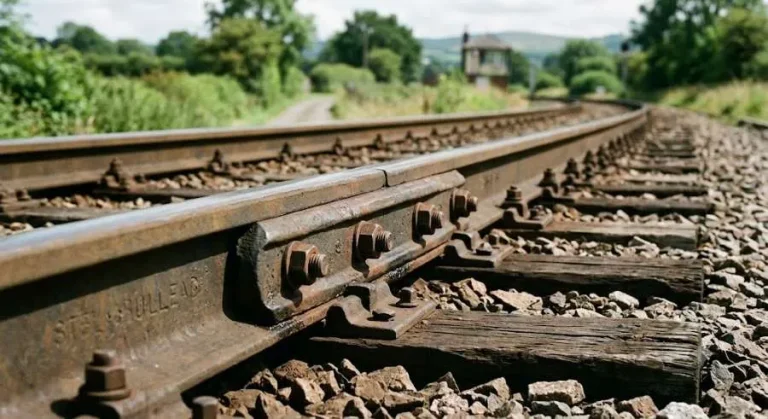
Fish plates must match rail profiles because they connect two rail ends and transfer load across the joint.
If the profile does not match:
This is why each rail type has a dedicated fish plate design.
В Лоянская компания Fonyo Heavy Industries Co., ООО., we supply a full range of railway track components, включая:
With decades of manufacturing experience and international supply capability, we support railway projects in Europe, Северная Америка, Южная Америка, Африка, and Asia.
If you are planning a railway project or need assistance in selecting compatible rail fastening components, our engineering team can help you match the correct system based on your rail profile and application requirements.