WeChat コードをスキャンしてご連絡ください
WeChat コードをスキャンしてご連絡ください
お気軽にメールをお送りください。できるだけ早くご返信させていただきます.
心と魂で未来を創る


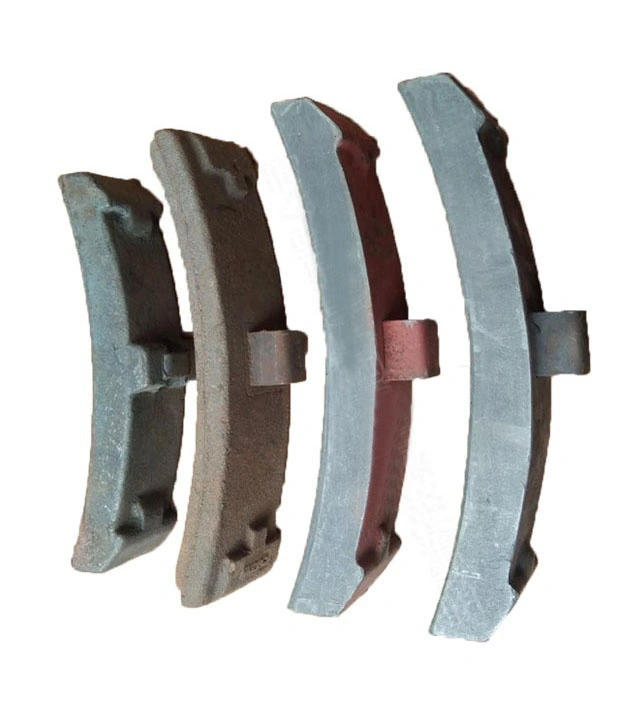
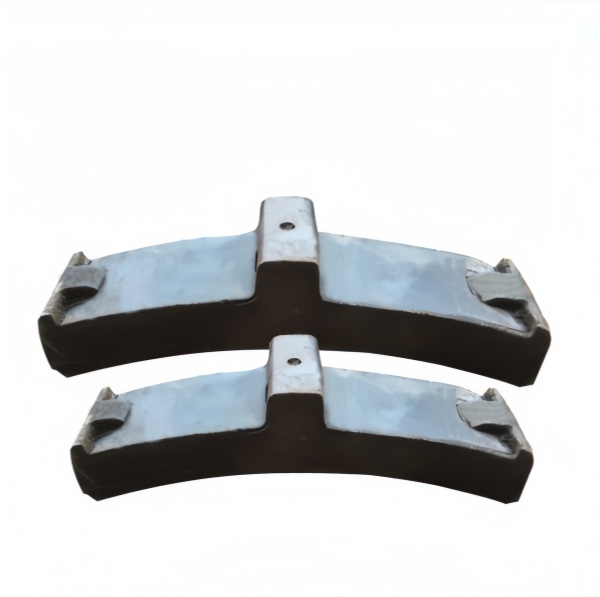
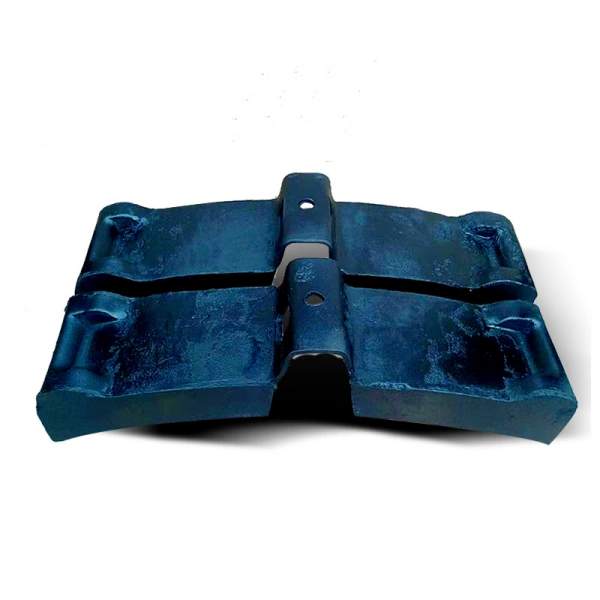
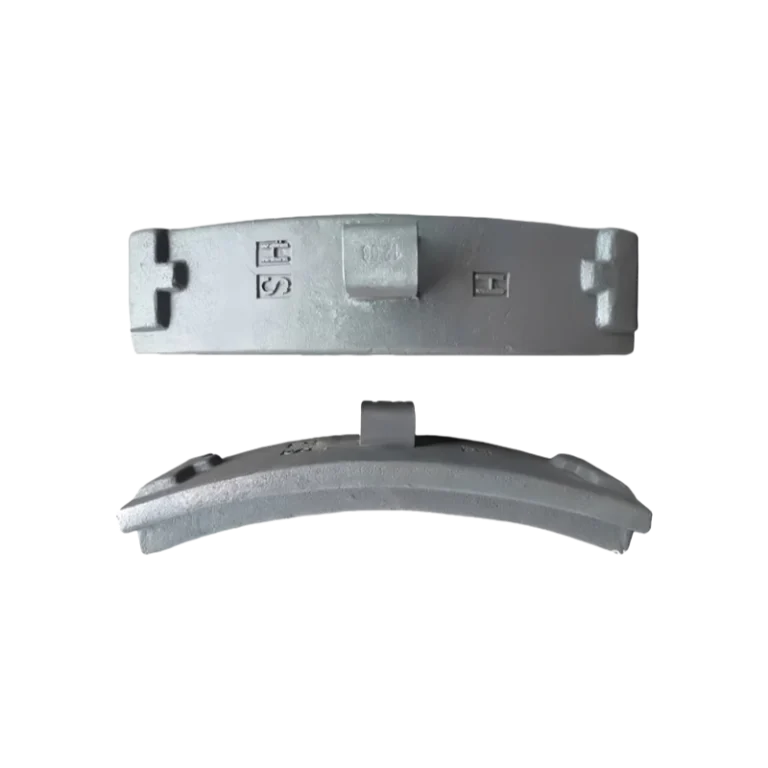
Introduction of Rail Train Brake Shoe
The brake part that directly rubs the wheels to stop the train is called a slipper. A shingle-shaped brake block made of cast iron or other material that holds the wheel tread tightly during braking and stops the wheel by friction. In this process, the braking device needs to convert the enormous kinetic energy into heat and dissipate into the atmosphere. The braking effect is good or bad, but mainly depends on the dissipation ability of friction heat energy. When using this braking method, the friction area of the brake shoe is small, and most of the heat load is borne by the wheel. The higher the train speed, the greater the heat load on the wheels when braking. If cast iron brake shoe is used, the temperature can melt the brake shoe; Even if the more advanced synthetic brake shoe is used, the temperature will be as high as 400~450 ° C. When the temperature of the wheel tread increases to a certain extent, it will make the tread wear, crack or peel, which will affect the service life and also affect the driving safety. It can be seen that the traditional tread brake shoe can not meet the needs of high-speed trains.
の特徴 Rail Train Brake Shoe
(1)good thermal stability. The resin decomposition temperature is high; the actual measurement temperature of 377 degrees Celsius
(2) compression elasticity is low, the noise is small, uniform temperature distribution.
(3)Viscosity is strong, both the aging resistance of the resin and rubber toughness, thermal decay rate is low, restorative
(4)friction resistance, and the surface has good reproducibility.
The Material Evolution of Rail Train Brake Shoe
From the cast iron brake shoe for composite materials across the early train with cast iron material, its high hardness and wear resistance can meet the demand of foundation braking, but is easy to produce metal spark, braking noise, the serious defects such as wheel wear. Along with the development of high-speed railway and overloaded freight, shoe materials has experienced three major innovations:
(1)Powder metallurgy composite material by fund of copper, iron, and graphite powder, ceramic particles sintering molding, this kind of materials with both high friction coefficient and high temperature resistance. 例えば, the copper base brake shoe can still maintain stable friction performance at 500℃ high temperature, and the wear rate of the wheel is reduced by more than 40%, which has become the standard choice for high-speed rail trains.
(2)Carbon fiber reinforced resin base material according to the characteristics of the city railway train frequent start-stop, carbon/aramid fiber hybrid enhanced organic synthetic brake shoe stand out. Its density is only 1/3 of cast iron, but it can maintain excellent braking performance in wet and oil pollution environment, and achieve environmental protection effects of noise reduction of more than 15 デシベル.
(3)Functionally gradient materials (FGM) by laser cladding technology in preparation of substrate surface gradient ceramic layer, the brake shoe friction layer and heat dissipation performance orientation optimization. The experimental data show that the thermal decay resistance of this kind of brake shoe is increased by 60% under emergency braking conditions, and the service life is extended to 300,000 キロメートル.
Application scenarios of Rail Train Brake Shoe
Adjust measures to local conditions of customized solution gave rise to different operating environment difference product matrix: cold high iron: adopting adding mos2 enhanced brake shoe at low temperature, the friction coefficient of deviation of 0.02 or less – 50 ℃ environment. Long and large ramp freight: tungsten copper composite brake shoe with forced air cooling system, continuous braking for 20 minutes temperature controllable within 400℃. Urban rail trains: nonmetallic brake shoe and magnetic track brake work together, achieve “sparkless brake”, perfect adaptation of the underground tunnel environment.
| Performance Feature | |
| Friction Stability (μ value 0.25-0.45) | In the temperature range of -40 ° C to 800 ° C, the fluctuation rate should be less than 10% to avoid the risk of sliding caused by brake “thermal recession”. |
| Wear Compatibility | The wear ratio between brake shoe and wheel should be controlled within 1:8, which not only ensures its own durability, but also reduces the frequency of wheel rotation repair. |
| 耐疲労性 | It is necessary to pass more than 100,000 high-frequency braking tests, and the surface crack growth rate should be less than 0.1mm/ 10,000 回. |
| Environmental Compliance | The EU REACH regulation requires that the copper content is less than 5%, and harmful substances such as asbestos and lead are zero detected. |
| Energy Dissipation Efficiency | The brake shoe of a heavy-duty train needs to have the ability to absorb 30MJ/kg of energy instantaneously, which is equivalent to the impact of a 2-ton weight falling from a height of 150 メートル |
| アプリケーションシナリオ | |
| High Cold Environment and High Speed Rail | adopting adding mos2 enhanced brake shoe at low temperature, the friction coefficient of deviation of 0.02 or less – 50 ℃ environment |
| Long and Large Ramp Freight | tungsten copper composite brake shoe with forced air cooling system, continuous braking for 20 minutes temperature controllable within 400℃. |
| Urban Rail Trains | nonmetallic brake shoe and magnetic track brake work together, achieve “sparkless brake”, perfect adaptation of the underground tunnel environment. |
のパッケージ Rail Train Brake Shoe
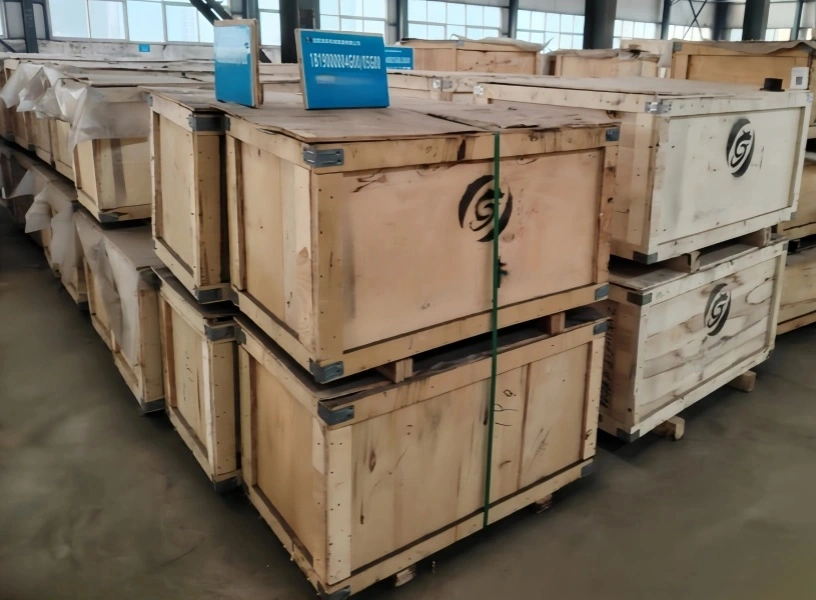
ポリ袋+カートンボックス+木製ケース/パレット, 顧客の要求に応じて
会社概要
洛陽豊洋重工業株式会社, 株式会社. に設立されました 1998, 面積72,600㎡, 以上の 300 従業員, 32 技術者, 含む 5 シニアエンジニア, 11 アシスタントエンジニア, そして 16 技術者. 洛陽工程技術センターとして評価されています, 洛陽テクノロジーR&Dセンター, 国家ハイテク企業と何度も.
弊社の生産能力は 30,000 年間トン. 現在, 私たちは主に鋳鋼を生産しています, 鋳鉄 (ねずみ鉄, ダクタイル鋳鉄, 等), 完成品の加工と部品の組み立て。製品はロシアに輸出されています, 米国, ドイツ, アルゼンチン, 日本, フランス, 南アフリカ,イタリアとその他の国.
よくある質問
Q1: メーカーですか、それとも商社ですか?
あ:私たちはメーカーです. 当社は年に設立されました。 1998, 鋳造業界で約30年の実績, 総面積72,600㎡, 工場建屋面積51,000㎡.
第2四半期. 主な製品は何ですか?
あ: 当社は主に鋼鋳造に注力しています, 鉄鋳物, 完成品加工, および部品組立生産.
Q3: 鋳造部品をどの程度の精度で製造できるか?
あ: 当社はさまざまな鋳造プロセスで鋳造部品を製造する能力を持っています. 生産はISOに厳密に準拠しています 9001, ISO 14001 ISO45001、EN15085, 虹彩.
Q4. サンプル通りに生産してもらえますか?
はい, あなたのサンプルまたは技術図面から生産できます. サンプルを入手した後、図面を作成することもできます.
Q5: 納品前の品質管理はどのように行っていますか?
あ: 品質検査は鋼鋳造部品の品質を保証する非常に重要な要素です. 私たちはフォローします 3 生産プロセス全体における検査回数. 材料試験レポートを提供します, 寸法試験レポート, 納品前に顧客に報告する機械的特性試験レポート.
何か商品にご興味がございましたら,お気軽にお問い合わせください.
電子メール:[email protected]
携帯:008615515321683