WeChat コードをスキャンしてご連絡ください
WeChat コードをスキャンしてご連絡ください
お気軽にメールをお送りください。できるだけ早くご返信させていただきます.
心と魂で未来を創る


Railway accessories are part of the railway lines. Railway equipment is an important part of the railway system, and steel rails are the main feature of railway equipment.
From the fragile cast iron tracks in British mines in the beginning to the high-strength and high-toughness alloy steel rails today, the evolution of materials is itself a metallurgical epic. Modern steel rails are cast from refined molten steel and then undergo high-temperature rolling, with the internal crystal grains being forged into a dense and uniform structure. The just-right proportions of carbon, マンガン, and silicon in the steel make it both hard and tough, capable of withstanding huge pressure without cracking, and able to withstand the repeated impact of wheels billions of times.
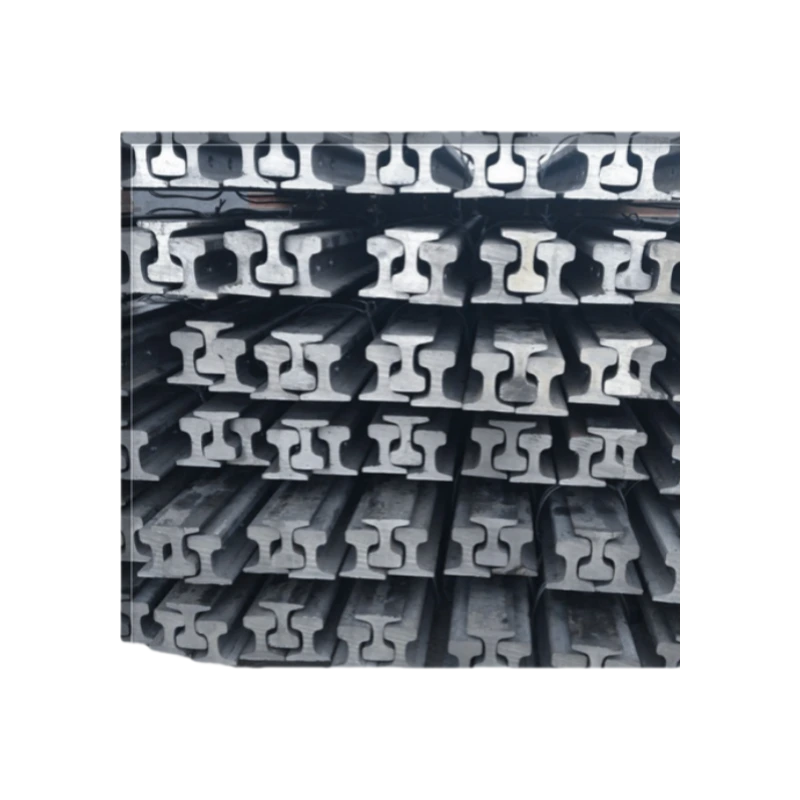
The steel rails themselves are as precise as clocks. Their cross-section is not randomly formed but is an engineered I-shaped structure – the wide tread provides stable support, the slender waist facilitates elastic buffering, and the thick base ensures firm fixation. Taking the widely used UIC60 steel rails as an example, each meter weighs 60 kilograms, and its cross-sectional design is a perfect balance of strength and efficiency.
しかし, even the strongest steel rails cannot fight alone. They need a rigorous supporting system: solid concrete or wooden sleepers are deeply embedded in the ballast and gravel layer to form a stable base; the ingenious fastening system, like a loyal guard, precisely locks the steel rails onto the sleepers and leaves a small gap to accommodate the thermal expansion and contraction of the steel. Railway workers stand beside the steel rails all year round, adjusting the torque of the bolts, measuring the millimeter difference in the track gauge, and it is precisely these meticulous tasks that ensure the smooth and safe operation of the trains while they are speeding.
Steel also has fatigue points. Under the repeated heavy pressure and friction over the years, fine cracks will appear on the surface of the steel rails, and damage gradually accumulates inside. Engineers predict the fatigue life through precise calculations and replace them before the critical point. And the light of technology has never stopped shining on this steel road: seamless track technology, by welding long rails, significantly eliminates the annoying “クリックする” sound and brings a smoother journey; heavy steel rails continuously break through the load-bearing limit; intelligent monitoring systems are like installing sensory nerves on the track, using sensors and data analysis to provide real-time warnings of potential hazards.
Steel rails are classified by the approximate weight in kilograms per meter into heavy rails and light rails:
① Heavy rails.
According to the type of steel used, they are divided into: ordinary manganese steel rails, copper-containing low-carbon steel rails, high-silicon copper-containing steel rails, copper rails, manganese rails, silicon rails, 等. There are mainly three types: 38, 43, そして 50 kg. 加えて, がある 45 kg rails for a few lines, そして 60 kg rails for lines with large transportation volume and high speed are planned to be used. GB2585—81 stipulates the technical conditions of 38-50 kg/m steel rails.
② Light rails.
There are mainly different rail types, のような 9, 12, 15, 22, 30, 等.
(2) Manufacturing and Usage. Steel rails are cast from carbonized steel of the type smelted in a converter or oxygen converter. Their usage is to withstand the operating pressure and impact load of locomotives and vehicles.
(3) Production Plants and Importing Countries. The steel rails currently used in China are mainly produced by some domestic steel mills, such as Anshan Steel, Wuhan Steel, 等. 加えて, due to the large amount of usage, some steel rails and steel rail accessories that meet the technical standards of our country and are determined according to the relevant standards of foreign countries are still imported. The importing countries include Japan, ドイツ, フランス, the United Kingdom, ロシア, オーストラリア, 等.
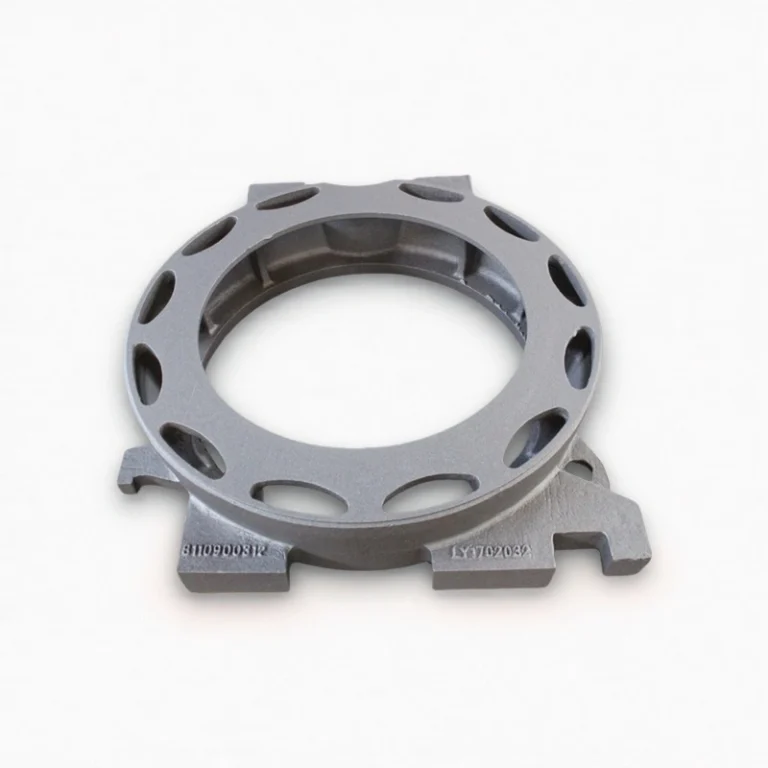
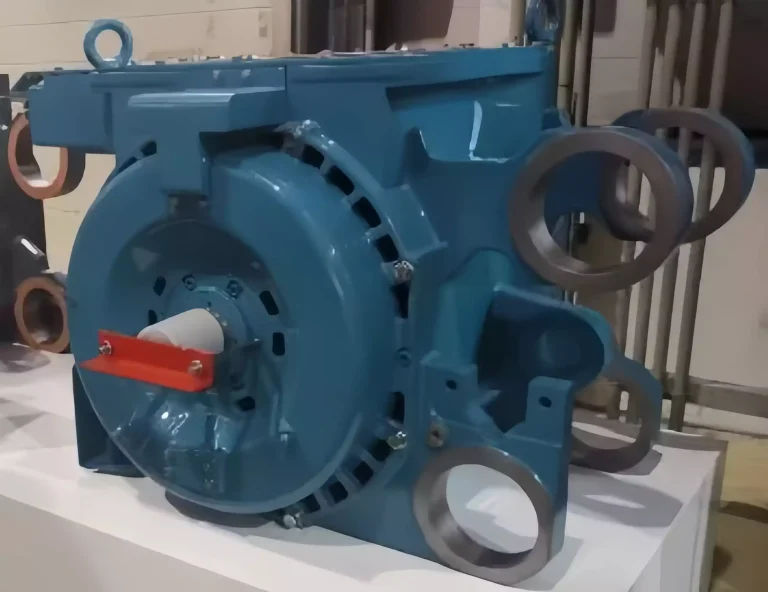
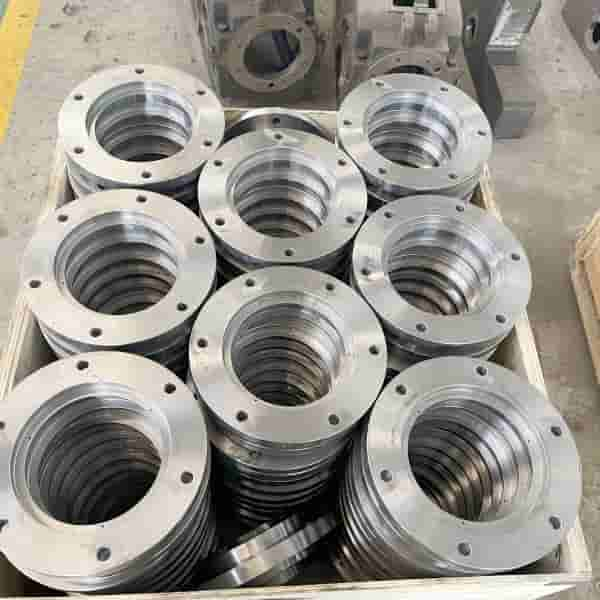
洛陽豊洋重工業株式会社, 株式会社, 1998年に設立された鉄道鋳造部品のメーカーです. 当社の工場面積は72,600㎡です。, 以上の 300 従業員, 32 技術者, 含む 5 シニアエンジニア, 11 アシスタントエンジニア, そして 16 技術者. 弊社の生産能力は 30,000 年間トン. 現在, 私たちは主に鋳物を生産しています, 機械加工, 機関車の組立て, 鉄道車両, 高速鉄道, 鉱山機械, 風力, 等.
当社はCRRCに鉄道部品を供給しています。(以上を含む 20 CRRCの支店および子会社),Gemacエンジニアリングマシナリー, サニーグループ, 中信重工業, 等. 当社の製品はロシアに輸出されています, 米国, ドイツ, アルゼンチン, 日本, フランス, 南アフリカ, イタリアをはじめとする世界中の国.
連絡先:
電子メール:[email protected]
携帯:008615515321683