WeChat コードをスキャンしてご連絡ください
WeChat コードをスキャンしてご連絡ください
お気軽にメールをお送りください。できるだけ早くご返信させていただきます.
心と魂で未来を創る


When people talk about improving the quality of railway ductile iron castings, they often think of better melting control, better molding, or better machining. These points are indeed important. しかし, one factor is sometimes overlooked, even though it has a very strong impact on performance. That factor is sulfur. Although sulfur is a very small part of the chemical composition, it can affect strength, 靭性, and long-term reliability. Because railway parts must work under heavy loads and strong vibration, controlling sulfur becomes even more important.
この記事では, we will explain why sulfur matters, how it harms large castings, and how lowering it can make railway ductile iron castings much safer and more durable. The language will stay simple, and each idea will flow naturally into the next, so the whole article is easy to read.
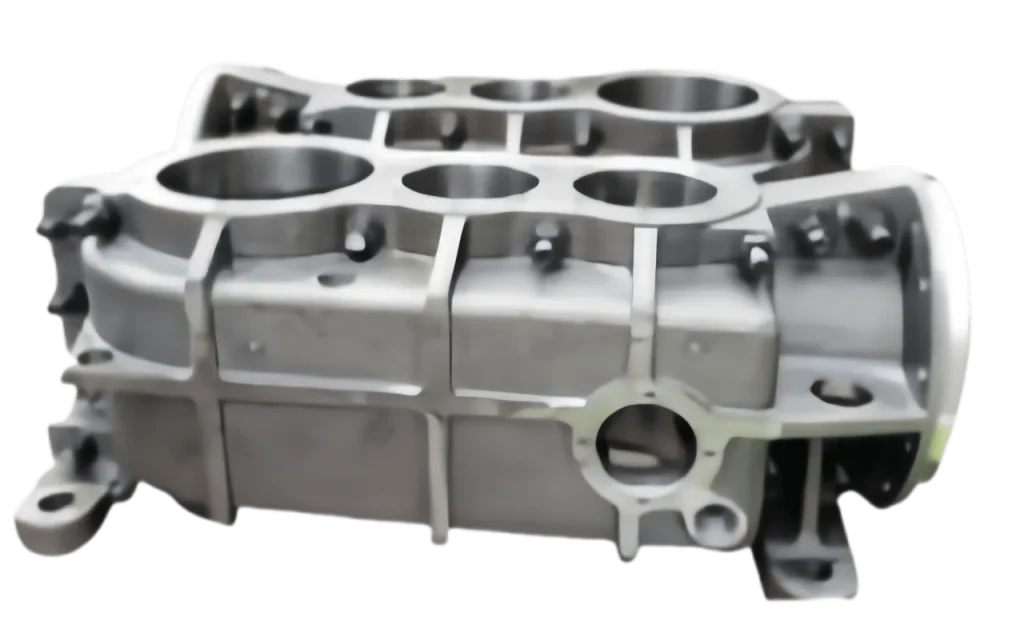
まず始めに, sulfur is considered a harmful element in ductile iron. This is because sulfur reacts with magnesium, which is the key element used to create spherical graphite. When sulfur reacts with magnesium, it reduces the amount of magnesium that can form good spheroidal graphite. 結果として, the microstructure becomes worse, and mechanical properties go down.
さらに, railway components are especially sensitive to this problem. They work under strong shock and long-term vibration. They also face outdoor temperature changes. Because of these conditions, even a small increase in sulfur can make railway ductile iron castings less reliable.
When sulfur content is high, the first problem is the loss of strength. Instead of forming round graphite nodules, the iron may form irregular or worm-like graphite. 結果として, tensile strength and elongation both drop. In thick and heavy castings, this effect is even more obvious.
さらに, sulfur reduces impact toughness. Railway components often operate in cold or low-temperature environments, and toughness becomes very important. 硫黄分が多すぎる場合, the casting may become brittle in winter or under sudden shock loads.
加えて, high sulfur increases the risk of defects, such as porosity, 収縮, or inclusions. These defects can shorten service life because cracks may appear earlier under vibration. This is why controlling sulfur helps prevent early fatigue failure in railway ductile iron castings.
Although sulfur brings many problems, the good news is that it can be controlled. The first and most effective method is choosing low-sulfur raw materials. 例えば, using low-sulfur pig iron and clean steel scrap is a simple way to lower sulfur right from the start.
Another important step is 脱硫. Many foundries use CaC₂, CaO-based agents, or mixed desulfurizers in the furnace. These materials react with sulfur and help remove it from the iron. To make desulfurization effective, the molten iron must stay hot enough, and the slag must be removed at the right time.
It is also helpful to avoid high-sulfur carbon additives. 例えば, using graphitized carbon with very low sulfur content ensures that sulfur does not rise during melting. These steps may look small, but they significantly improve the stability of railway ductile iron castings.
Even after sulfur has been reduced in the furnace, the casting process can still introduce sulfur again. したがって, it is important to prevent re-sulfurization. 例えば, ladles must stay completely dry and clean. If the ladle lining contains moisture or old slag, the iron may absorb new sulfur during tapping.
Besides that, choosing a stable magnesium treatment method is very important. Processes such as Sandwich treatment, tundish cover treatment, or wire feeding can keep the reaction stable. A stable treatment means less violent reaction and lower risk of sulfur coming back into the metal.
加えて, good inoculation helps reduce the negative influence of sulfur. While inoculation cannot remove sulfur, it can help create a more uniform microstructure. This makes railway ductile iron castings more reliable, even when section thickness is very large.
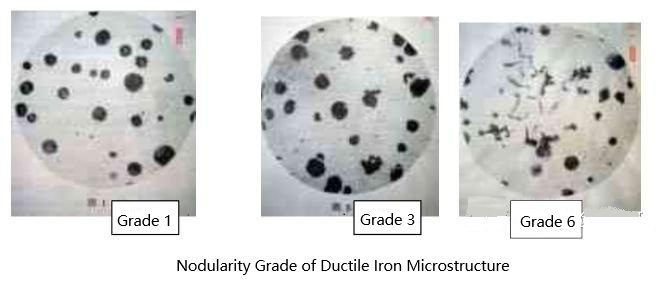
When sulfur levels stay low, many positive improvements appear. First of all, spheroidization becomes much better. The graphite nodules become rounder and more uniform. With better graphite shape, the casting gains higher strength and better ductility.
さらに, low sulfur greatly improves low-temperature toughness. Railway parts must survive winter climates, mountain environments, and sudden impacts. When sulfur is low, the castings stay tougher and more stable.
Another benefit is longer fatigue life. Because sulfur no longer weakens the microstructure, cracks develop more slowly. このようにして, railway ductile iron castings become safer and can stay in service for a much longer time, even under heavy vibration and long running cycles.
For large castings used in the railway industry, the recommended sulfur range is usually below 0.015%, and sometimes even lower. To achieve this, foundries should create a checklist, 含む:
use low-sulfur pig iron
use clean steel scrap
apply correct desulfurization
avoid high-sulfur carbon additives
keep ladles dry and clean
use stable magnesium treatment
perform regular spectrometer analysis
check microstructure and nodule count
With these steps, the quality of railway ductile iron castings becomes much more predictable and consistent.
7. プロバイダー
要約すれば, lowering sulfur content is one of the most effective ways to improve the performance, 信頼性, and service life of large railway ductile iron castings. When foundries control raw materials carefully, monitor furnace conditions, and follow clean melting and pouring practices, the castings become stronger, cleaner, and more consistent. These improvements matter even more for heavy railway parts that must work under constant vibration, shock, and long-term fatigue.
で 洛陽豊洋重工業株式会社, 株式会社. focus on producing high-quality ductile iron castings for railway and wind-power applications. With strict control of sulfur content, stable melting processes, and advanced testing methods, we deliver castings that meet demanding international standards and support customers worldwide. If you are looking for reliable large ductile iron castings with proven quality, feel free to contact us, 私たちのウェブサイトにアクセスしてください www.railwaypart.com for more details, we are ready to support your next project.