WeChat コードをスキャンしてご連絡ください
WeChat コードをスキャンしてご連絡ください
お気軽にメールをお送りください。できるだけ早くご返信させていただきます.
心と魂で未来を創る


鉄道工学に長く携わっているなら, あなたはパターンに気づき始めます. 世界の物流が不安定になるたびに, 鉄道貨物が突然再び必要不可欠になった. What might seem like a traditional transportation system often turns out to be one of the most resilient parts of modern infrastructure.
近年では, geopolitical tensions, shipping disruptions, and rising transportation costs have pushed governments and logistics companies to rethink how goods move across continents. 何十年もの間, global trade has depended heavily on maritime shipping. But when key sea routes become unstable, supply chains begin searching for alternatives. Increasingly, rail freight is emerging as one of the most reliable options.
Two strategic maritime regions illustrate this challenge particularly well: the Strait of Hormuz and the Red Sea. These areas connect critical global trade routes, including access to the Suez Canal. When tensions rise in these regions, shipping insurance increases, transit times become unpredictable, and supply chains face delays.
From an engineering and infrastructure perspective, these vulnerabilities highlight an important reality: global logistics systems need redundancy. That is precisely why rail freight corridors across Eurasia are gaining renewed attention.
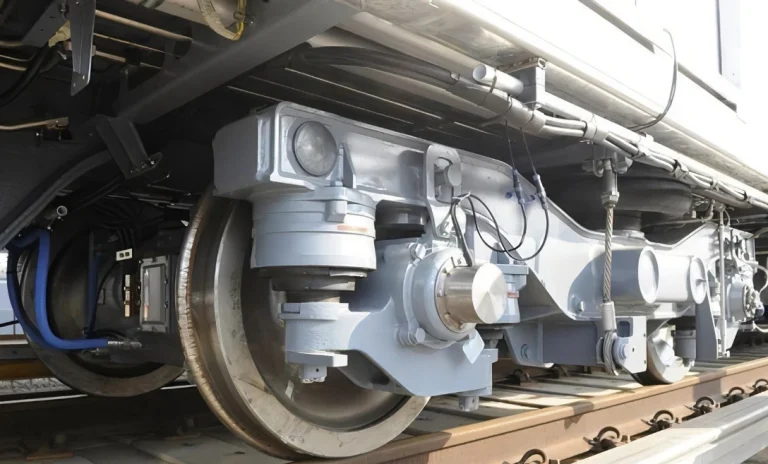
As rail freight networks expand, reliable rolling stock components become increasingly important. Critical parts such as 鉄道の車輪, axles box, and bogie components must withstand heavy loads and long-distance operations.

Global maritime shipping still carries the majority of international trade. しかし, the reliance on narrow chokepoints creates structural risk. A single disruption at a strategic location can affect global logistics for weeks.
When ships are forced to reroute around Africa instead of passing through the Suez Canal, transport times between Asia and Europe can increase by 10 に 15 日. For industries that rely on just-in-time manufacturing, such delays can be extremely costly.
This is where rail freight networks provide a critical advantage. Rail corridors operate on controlled infrastructure networks that are not exposed to maritime risks such as piracy, naval conflicts, or long detours. While rail cannot replace sea transport entirely, it can absorb a significant portion of cargo when maritime routes become unstable.
エンジニアリングの観点から, railways provide predictable routes, scheduled operations, and relatively stable transit times. These characteristics make rail freight particularly attractive for high-value goods, 産業機器, and time-sensitive cargo.
One of the most visible examples of expanding rail freight infrastructure is the China–Europe Railway Express. This international rail network connects manufacturing centers in Asia with logistics hubs across Europe.
Typical rail freight transit times between China and Europe range from 12 に 18 日. This is significantly faster than maritime shipping, which can take more than a month. 同時に, rail freight is much more cost-effective than air cargo.
But speed is not the only advantage. Rail freight also offers stability. Once a rail corridor is established, operations can run on consistent schedules regardless of maritime conditions. For manufacturers and supply chain planners, this predictability is extremely valuable.
しかし, maintaining these long-distance rail freight routes requires robust infrastructure. Tracks must support heavy axle loads over thousands of kilometers. Rolling stock must operate reliably across deserts, mountain ranges, and freezing winters. These engineering challenges place significant demands on railway equipment and components.
In addition to northern Eurasian routes, another corridor has been gaining global attention: the Middle Corridor. This route connects Asia and Europe through the Caspian Sea.
The corridor passes through several countries, including Kazakhstan, アゼルバイジャン, ジョージア, and Turkey, before reaching European markets.
Unlike traditional shipping routes, the Middle Corridor combines multiple transportation systems:
For engineers and infrastructure planners, this corridor represents a major opportunity but also a complex challenge. Rail systems must integrate seamlessly with ports and logistics centers while maintaining high throughput.
Governments along the route are investing heavily in upgrading rail infrastructure, modernizing signaling systems, and expanding freight terminals. As these improvements continue, rail freight along the Middle Corridor is expected to grow significantly in the coming years.

Another region investing heavily in railway infrastructure is the Middle East. Several countries in the Gulf region have launched large-scale railway projects to improve regional logistics and support economic diversification.
One example is the planned GCC Railway. This project aims to connect major economies in the Gulf region, including Saudi Arabia, アラブ首長国連邦, オマーン, カタール, and Kuwait.
The goal is to create a regional railway network capable of supporting high-capacity rail freight operations. Such a system would significantly improve the movement of industrial goods, construction materials, and energy resources.
エンジニアリングの観点から, desert environments present unique challenges. Rail infrastructure must withstand high temperatures, sand intrusion, and heavy freight loads. Track design, rolling stock durability, and component reliability become critical factors in maintaining safe rail freight operations.
Although railways may appear simple from the outside—steel wheels running on steel rails—the engineering behind modern rail freight systems is highly complex.
Freight trains operating across Eurasia can travel thousands of kilometers through dramatically different environments. In northern regions, railways must handle extreme cold and ice. In desert regions, heat and sand can affect both tracks and rolling stock.
Heavy freight trains also generate enormous mechanical stress. Axle loads can exceed 25 トン, and components must endure continuous vibration, 摩擦, and dynamic loading.
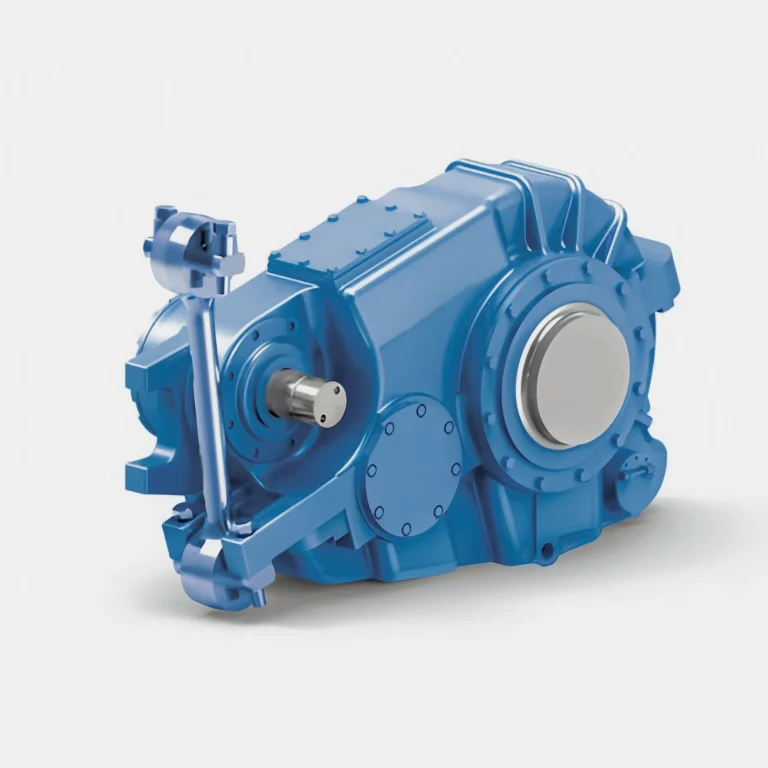
Several critical components play essential roles in rail freight operations:
Each of these components must meet strict mechanical and metallurgical standards. Engineers must carefully design materials, heat treatment processes, and manufacturing tolerances to ensure long-term reliability.
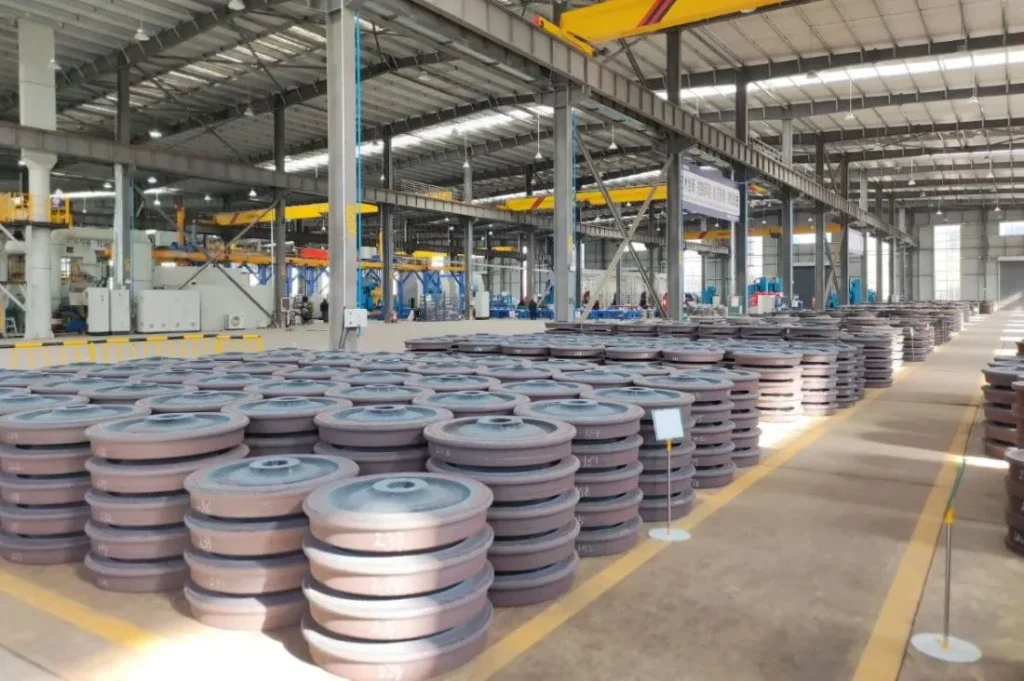
As rail freight corridors expand globally, the importance of reliable railway components becomes even more evident. Infrastructure investments may build tracks and terminals, but it is the rolling stock and mechanical systems that keep trains moving safely.
鉄道の車輪, 例えば, operate under extreme loads and constant contact stress. 時間とともに, wear and fatigue can affect wheel profiles, requiring maintenance or replacement. Proper material selection and manufacturing quality are essential for ensuring long service life.
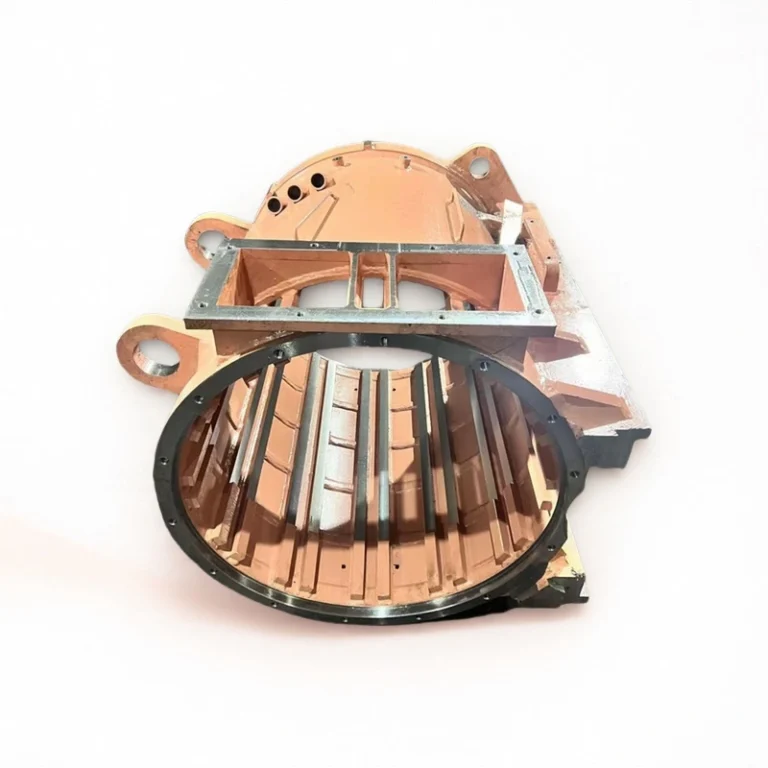
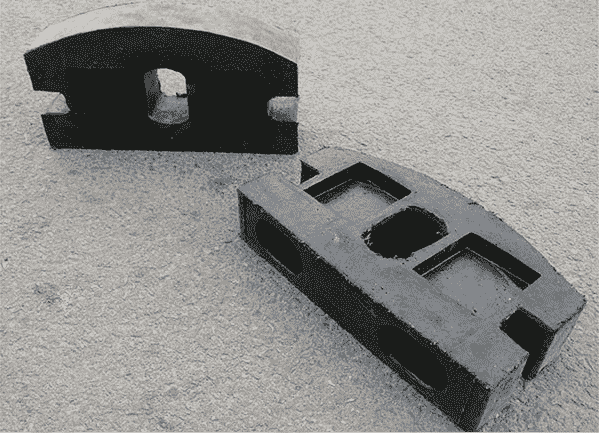
同様に, forged components used in bogies and suspension systems must withstand repeated dynamic loads. Cast steel parts used in couplers, brake systems, and structural assemblies must maintain strength and durability under demanding operating conditions.
For engineers and railway operators, component reliability directly impacts safety, メンテナンス費用, and operational efficiency. As global rail freight networks expand, manufacturers capable of producing high-quality railway components become essential partners in the supply chain.
The renewed focus on rail freight is not simply a short-term response to geopolitical tensions. その代わり, it reflects a broader transformation in how global logistics systems are designed.
Modern supply chains increasingly prioritize resilience and flexibility. Rather than relying on a single transportation mode, companies are building diversified logistics networks that combine sea shipping, road transport, and rail freight.
Railways offer several advantages in this system:
These characteristics make rail freight an increasingly important part of global logistics between Asia, ヨーロッパ, そして中東.
As global rail freight networks continue to expand, reliable engineering and manufacturing capabilities remain essential.
で 洛陽豊洋重工業株式会社, 株式会社., we specialize in manufacturing key railway components used in modern rail freight systems, including railway wheels, 鍛造部品, and cast railway parts. Our products are designed to withstand heavy loads, long-distance operations, 厳しい環境条件.
With advanced manufacturing capabilities and extensive industry experience, we support railway components and manufacture railway parts around the world.
To learn more about our railway components and manufacturing capabilities, ぜひ訪問してください products catalog. If you are interested in any of our products, お気軽にお問い合わせください.