Scan WeChat-koden for at kontakte os
Scan WeChat-koden for at kontakte os
Du er velkommen til at sende os en e-mail, og vi vil svare dig hurtigst muligt.
At skabe fremtiden med hjerte og sjæl


Hvis du arbejder længe nok med jernbaneteknik, du begynder at bemærke et mønster. Når den globale logistik bliver usikker, jernbanegods pludselig blevet afgørende igen. Hvad der kan virke som et traditionelt transportsystem, viser sig ofte at være en af de mest robuste dele af moderne infrastruktur.
I de senere år, geopolitiske spændinger, forsendelsesforstyrrelser, og stigende transportomkostninger har skubbet regeringer og logistikvirksomheder til at genoverveje, hvordan varer bevæger sig på tværs af kontinenter. I årtier, Den globale handel har været stærkt afhængig af søfart. Men når vigtige søveje bliver ustabile, forsyningskæder begynder at søge efter alternativer. I stigende grad, jernbanegods fremstår som en af de mest pålidelige muligheder.
To strategiske maritime regioner illustrerer denne udfordring særligt godt: Hormuz-strædet og Det Røde Hav. These areas connect critical global trade routes, including access to the Suez Canal. When tensions rise in these regions, shipping insurance increases, transit times become unpredictable, and supply chains face delays.
From an engineering and infrastructure perspective, these vulnerabilities highlight an important reality: global logistics systems need redundancy. That is precisely why rail freight corridors across Eurasia are gaining renewed attention.
As rail freight networks expand, reliable rolling stock components become increasingly important. Critical parts such as jernbanehjul, axles box, and bogie components must withstand heavy loads and long-distance operations.

Global maritime shipping still carries the majority of international trade. Imidlertid, the reliance on narrow chokepoints creates structural risk. A single disruption at a strategic location can affect global logistics for weeks.
When ships are forced to reroute around Africa instead of passing through the Suez Canal, transport times between Asia and Europe can increase by 10 til 15 dage. For industries that rely on just-in-time manufacturing, such delays can be extremely costly.
This is where rail freight networks provide a critical advantage. Rail corridors operate on controlled infrastructure networks that are not exposed to maritime risks such as piracy, naval conflicts, or long detours. While rail cannot replace sea transport entirely, det kan absorbere en betydelig del af lasten, når maritime ruter bliver ustabile.
Fra et ingeniørmæssigt perspektiv, jernbaner giver forudsigelige ruter, planlagte operationer, og relativt stabile transittider. Disse egenskaber gør jernbanegodstransport særligt attraktiv for gods af høj værdi, industrielt udstyr, og tidsfølsom last.
Et af de mest synlige eksempler på udvidelse af jernbanegodsinfrastruktur er China-Europe Railway Express. Dette internationale jernbanenetværk forbinder produktionscentre i Asien med logistikknudepunkter i hele Europa.
Typisk transittider for jernbanegods mellem Kina og Europa spænder fra 12 til 18 dage. Dette er væsentligt hurtigere end søfart, hvilket kan tage mere end en måned. På samme tid, jernbanefragt er meget mere omkostningseffektivt end luftfragt.
Men hastighed er ikke den eneste fordel. Rail freight also offers stability. Once a rail corridor is established, operations can run on consistent schedules regardless of maritime conditions. For manufacturers and supply chain planners, this predictability is extremely valuable.
Imidlertid, maintaining these long-distance rail freight routes requires robust infrastructure. Tracks must support heavy axle loads over thousands of kilometers. Rolling stock must operate reliably across deserts, mountain ranges, and freezing winters. These engineering challenges place significant demands on railway equipment and components.
In addition to northern Eurasian routes, another corridor has been gaining global attention: the Middle Corridor. This route connects Asia and Europe through the Caspian Sea.
The corridor passes through several countries, including Kazakhstan, Aserbajdsjan, Georgien, and Turkey, before reaching European markets.
Unlike traditional shipping routes, the Middle Corridor combines multiple transportation systems:
For engineers and infrastructure planners, this corridor represents a major opportunity but also a complex challenge. Rail systems must integrate seamlessly with ports and logistics centers while maintaining high throughput.
Governments along the route are investing heavily in upgrading rail infrastructure, modernizing signaling systems, and expanding freight terminals. As these improvements continue, rail freight along the Middle Corridor is expected to grow significantly in the coming years.

Another region investing heavily in railway infrastructure is the Middle East. Several countries in the Gulf region have launched large-scale railway projects to improve regional logistics and support economic diversification.
One example is the planned GCC Railway. This project aims to connect major economies in the Gulf region, including Saudi Arabia, Forenede Arabiske Emirater, Oman, Qatar, and Kuwait.
The goal is to create a regional railway network capable of supporting high-capacity rail freight operations. Such a system would significantly improve the movement of industrial goods, construction materials, and energy resources.
Fra et ingeniørmæssigt perspektiv, desert environments present unique challenges. Rail infrastructure must withstand high temperatures, sand intrusion, and heavy freight loads. Track design, rolling stock durability, og komponentpålidelighed bliver kritiske faktorer for at opretholde sikker jernbanegodsdrift.
Selvom jernbaner kan virke enkle udefra - stålhjul kører på stålskinner - er teknikken bag moderne jernbanegodssystemer meget kompleks.
Godstog, der kører på tværs af Eurasien, kan rejse tusindvis af kilometer gennem dramatisk forskellige miljøer. I de nordlige egne, jernbaner skal håndtere ekstrem kulde og is. I ørkenområder, varme og sand kan påvirke både spor og rullende materiel.
Tunge godstog genererer også enorm mekanisk belastning. Akselbelastninger kan overstige 25 tons, og komponenter skal tåle konstante vibrationer, friktion, og dynamisk belastning.
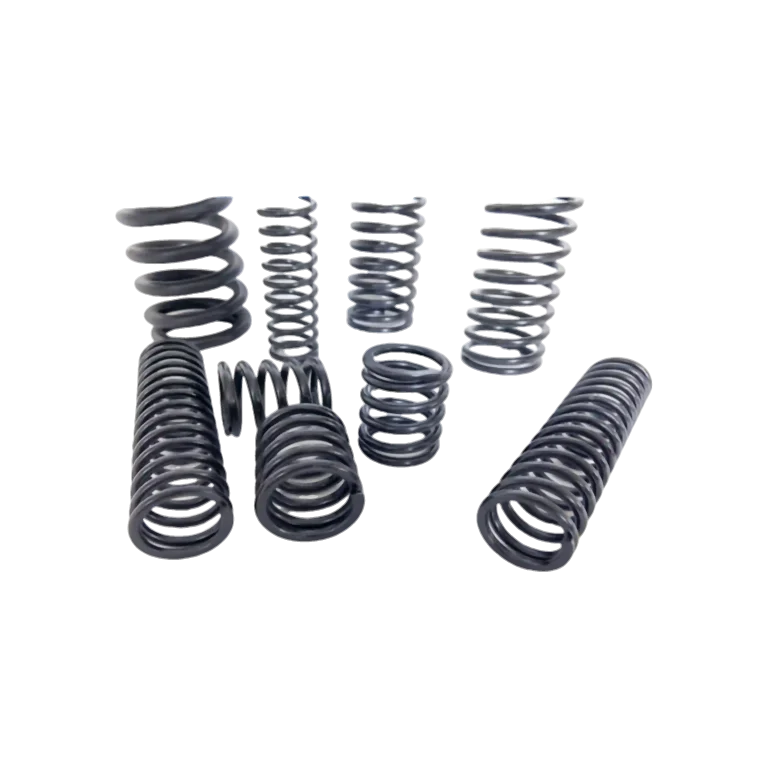
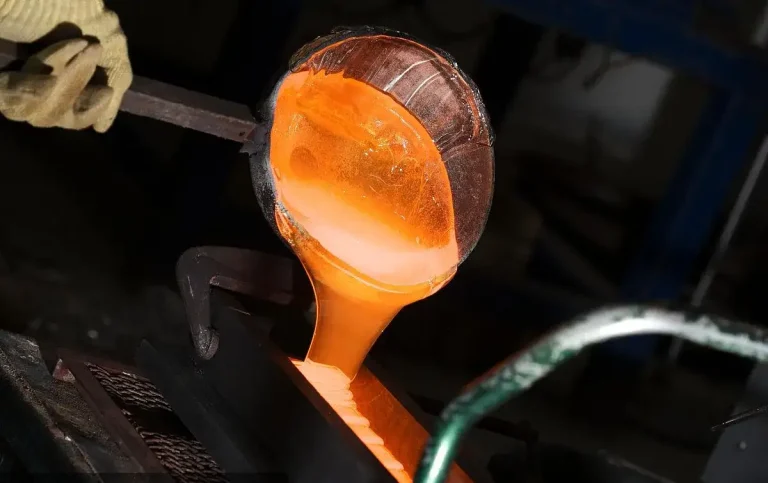
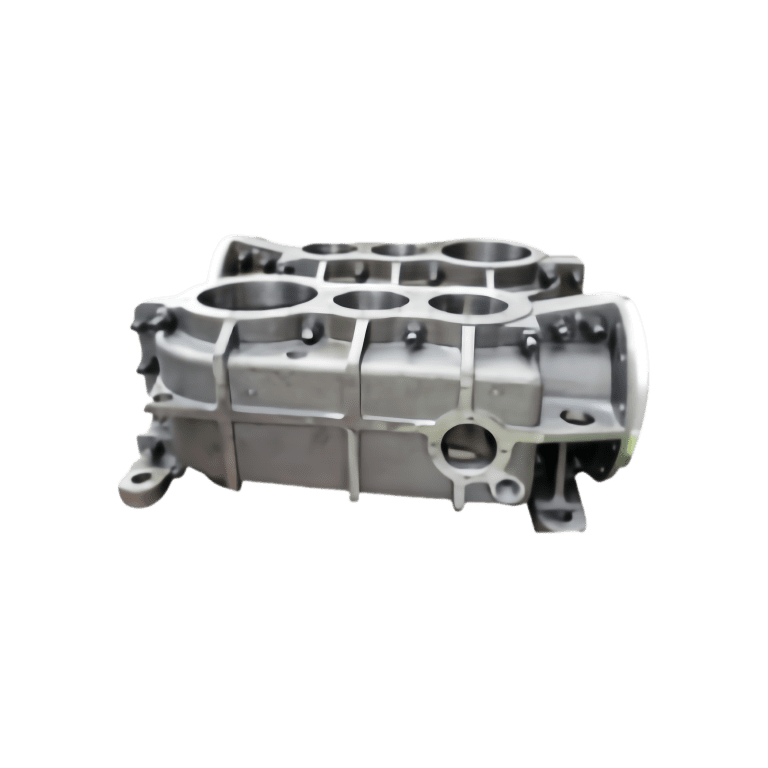
Adskillige kritiske komponenter spiller væsentlige roller i jernbanegodstransport:
Hver af disse komponenter skal opfylde strenge mekaniske og metallurgiske standarder. Ingeniører skal omhyggeligt designe materialer, varmebehandlingsprocesser, og fremstillingstolerancer for at sikre langsigtet pålidelighed.
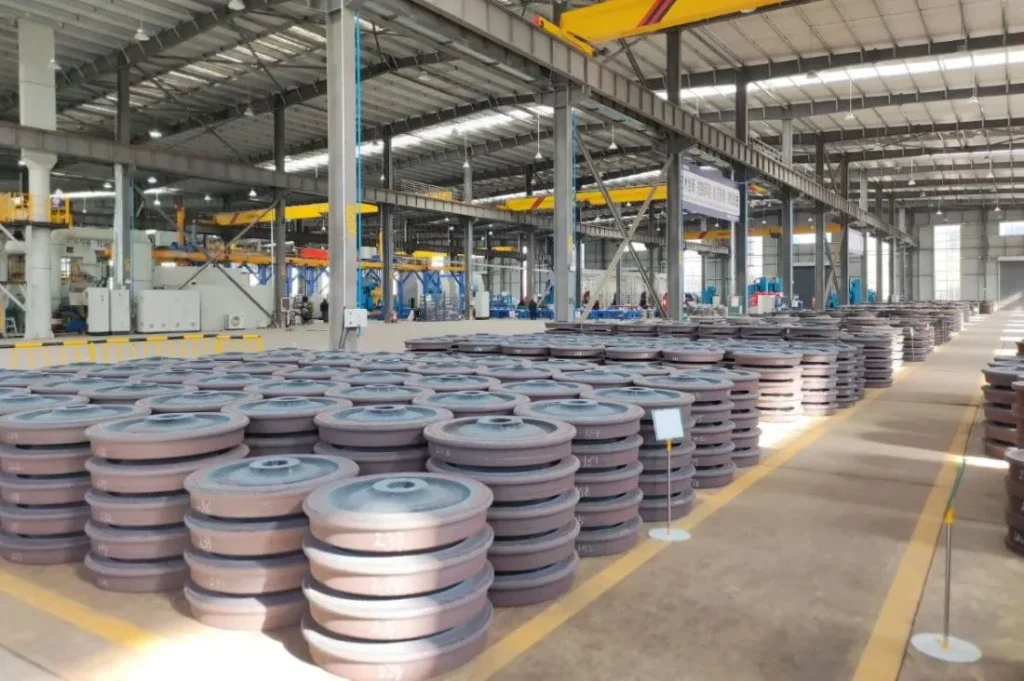
Efterhånden som jernbanegodskorridorer udvides globalt, vigtigheden af pålidelige jernbanekomponenter bliver endnu mere tydelig. Infrastrukturinvesteringer kan bygge spor og terminaler, men det er det rullende materiel og de mekaniske systemer, der holder togene i gang sikkert.
Jernbanehjul, f.eks, fungere under ekstreme belastninger og konstant kontaktbelastning. Over tid, slid og træthed kan påvirke hjulprofiler, kræver vedligeholdelse eller udskiftning. Proper material selection and manufacturing quality are essential for ensuring long service life.
Tilsvarende, forged components used in bogies and suspension systems must withstand repeated dynamic loads. Cast steel parts used in couplers, brake systems, and structural assemblies must maintain strength and durability under demanding operating conditions.
For engineers and railway operators, component reliability directly impacts safety, vedligeholdelsesomkostninger, og driftseffektivitet. As global rail freight networks expand, manufacturers capable of producing high-quality railway components become essential partners in the supply chain.
The renewed focus on rail freight is not simply a short-term response to geopolitical tensions. I stedet, it reflects a broader transformation in how global logistics systems are designed.
Modern supply chains increasingly prioritize resilience and flexibility. Rather than relying on a single transportation mode, companies are building diversified logistics networks that combine sea shipping, road transport, and rail freight.
Railways offer several advantages in this system:
These characteristics make rail freight an increasingly important part of global logistics between Asia, Europa, og Mellemøsten.
As global rail freight networks continue to expand, reliable engineering and manufacturing capabilities remain essential.
På Luoyang Fonyo Heavy Industries Co., Ltd., we specialize in manufacturing key railway components used in modern rail freight systems, including railway wheels, smedede komponenter, and cast railway parts. Our products are designed to withstand heavy loads, langdistanceoperationer, og krævende miljøforhold.
Med avancerede produktionskapaciteter og omfattende brancheerfaring, we support railway components and manufacture railway parts around the world.
For at lære mere om vores jernbanekomponenter og produktionskapacitet, besøg venligst vores produktkatalog. Hvis du er interesseret i nogle af vores produkter, er du velkommen til at kontakte os.