סרוק את קוד WeChat כדי ליצור איתנו קשר
סרוק את קוד WeChat כדי ליצור איתנו קשר
אתם מוזמנים לשלוח לנו מייל ואנו נענה לכם בהקדם האפשרי.
יצירת העתיד בלב ובנשמה


במבט ראשון, רוֹב קליפ מסילה אלסטי נראה דומה להפליא. בין אם הם מותקנים על מסילת משא, קו מטרו, או רכבת מהירה, המטרה הבסיסית שלהם זהה: להחזיק את המסילה בצורה מאובטחת כנגד הישן תוך מתן גמישות מספקת כדי שהמסילה תפעל בבטחה תחת עומסים דינמיים.
בגלל הדמיון הזה, קונים רבים מניחים שבחירת תפס מסילה היא פשוט עניין של בחירת הדגם הנכון מתוך קטלוג. במציאות, תהליך הבחירה הוא הרבה יותר מעורב. תפס מסילה שמתפקד בצורה מהימנה על מסילת רכבת אחת עשוי שלא להתאים לאחרת, גם אם חלקי המסילה נראים זהים.
במשך השנים, עבדנו עם לקוחות המעורבים במסילות משא, רכבות נוסעים, מערכות מטרו, כריית רכבות, ופרויקטים של רכבת תעשייתית. דבר אחד המשותף לפרויקטים האלה הוא שהדיון מתחיל רק לעתים רחוקות עם קליפ המסילה עצמו.
במקום זאת, מהנדסים מנוסים מתחילים בדרך כלל בשאלת שאלה אחרת:
איזה סוג של רכבת אתה בונה?
התשובה קובעת כמעט כל החלטה שאחריה. מהירות הרכבת, עומס סרן, סוג ישן, פרופיל מסילה, תנאי הסביבה, ותקני הרכבת החלים כולם משפיעים על איזו מערכת הידוק תספק את הביצועים הטובים ביותר לטווח ארוך.
במדריך זה, נסביר כיצד מהנדסים ניגשים לבחירת תפס מסילה אלסטי ואיזה גורמים יש לקחת בחשבון לפני קבלת החלטת רכישה.
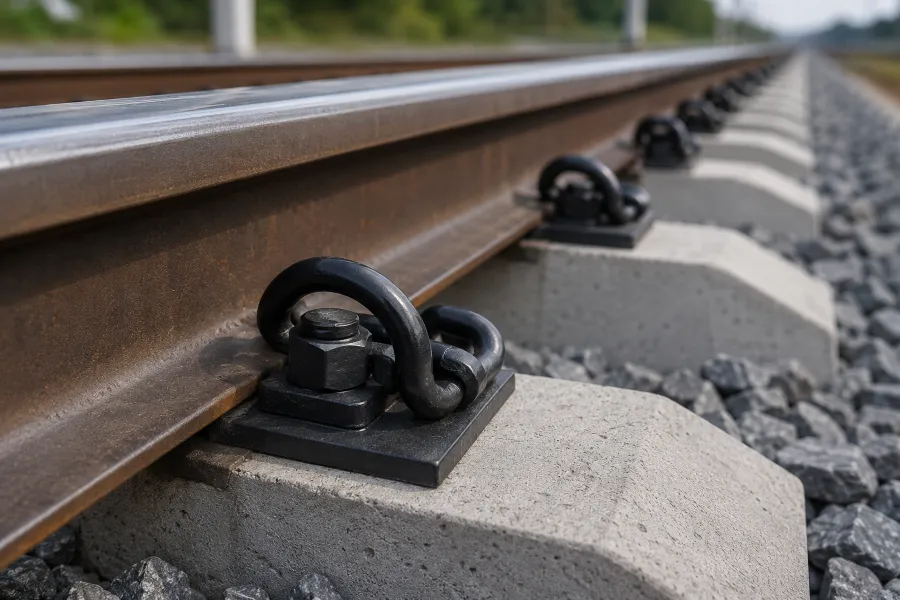
למרות שה קליפ מסילה אלסטי הוא רק מרכיב אחד במערכת הידוק הרכבת, יש לו השפעה משמעותית על יציבות המסלול כולו.
בכל פעם שעוברת רכבת, מערכת ההידוק חווה שילוב של עומסי גלגלים אנכיים, כוחות רוחביים, רֶטֶט, פְּגִיעָה, ותנועה תרמית. במקום להתנגד לחלוטין לכוחות האלה, מערכת ההידוק נועדה לנהל אותם. תפס המסילה מספק את כוח ההידוק הדרוש כדי לשמור על מיקום המסילה בצורה מאובטחת תוך מתן אפשרות לתנועה אלסטית מבוקרת המגנה הן על המסילה והן על המבנה התומך.
כאשר מערכת ההידוק מתוכננת כהלכה, עומסים אלו מחולקים בצורה שווה יותר לאורך כרית המסילה, אֶדֶן, כָּתֵף, ורכיבי הידוק. כתוצאה מכך, תנועת המסילה מופחתת, הרטט נשלט, ומרווחי התחזוקה מתארכים.
לשם השוואה, תפס מסילה לא מתאים עשוי להיראות בתחילה כפועל כרגיל, ובכל זאת לאורך זמן זה יכול לתרום לזחילת מסילה מוגזמת, בלאי לא אחיד של רכיבים, כוח הידוק מופחת, או כשל עייפות מוקדמת. בעיות אלו מתפתחות לרוב בהדרגה והופכות להיות מורגשות רק לאחר שנים של שירות, מה שהופך את הבחירה הנכונה בשלב העיצוב להרבה יותר חשובה ממה שאנשים רבים מבינים.
מסיבה זו, המהנדסים רק לעתים רחוקות בוחרים תפס מסילה על סמך המראה או המחיר שלו בלבד. במקום זאת, הם מעריכים את ביצועי הקליפ כחלק ממערכת ההידוק המלאה לאורך חיי השירות הצפוי של הרכבת.
כאשר דנים בפרויקט רכבת חדש עם לקוח, אחת השאלות הטכניות הראשונות היא פשוטה באופן מפתיע:
באיזה קטע מסילה אתה משתמש?
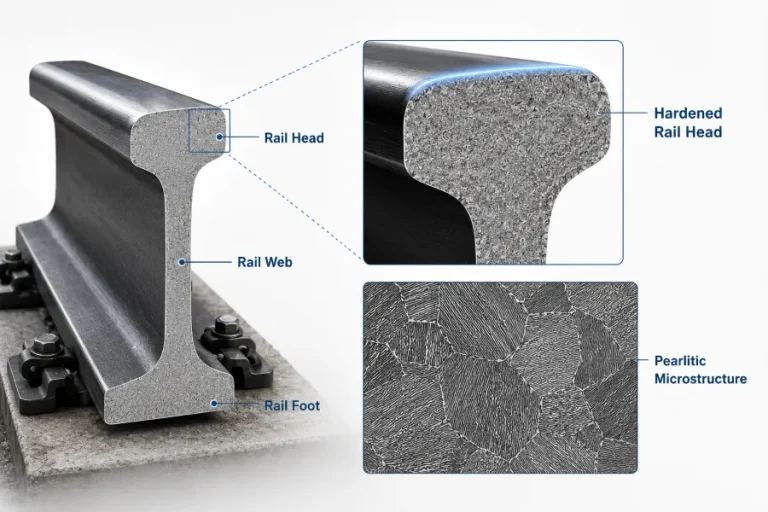
הסיבה היא פשוטה. לפרופילי מסילה שונים יש רוחב רגל שונה, מידות, ומשטחי מגע, כל אלה משפיעים על האופן שבו מערכת ההידוק מפעילה כוח הידוק.
האם הפרויקט משתמש ב-UIC54, UIC60, 60E1, 136מִחָדָשׁ, 115מִחָדָשׁ, או קטע מסילה אחר, תפס המסילה האלסטי חייב להיות תואם לכל מכלול ההידוק במקום להיחשב כרכיב עצמאי.
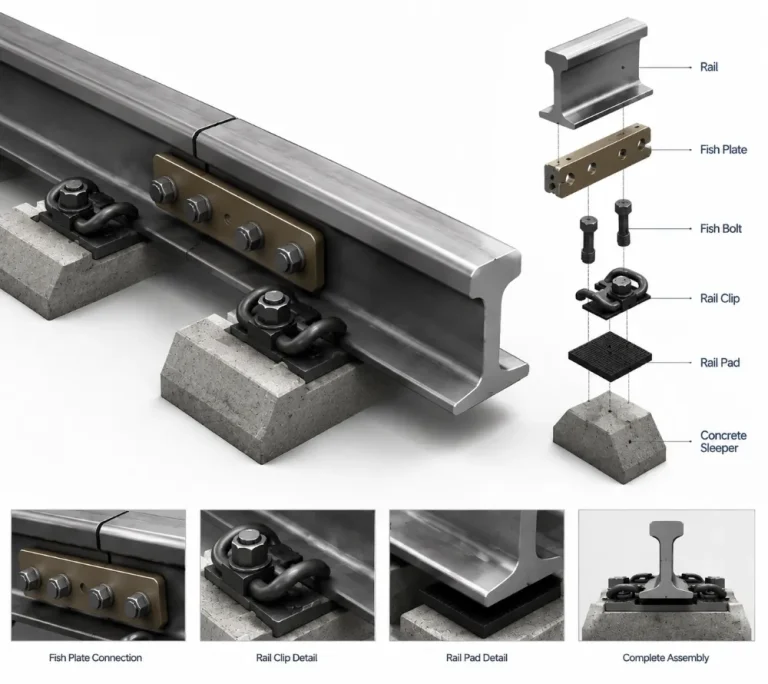
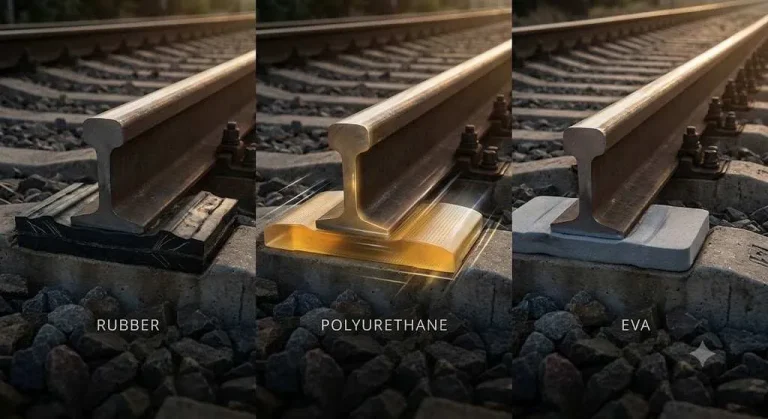
אנשים רבים מניחים שאם שני קליפים נראים דומים, אפשר פשוט להחליף אותם. לְמַעֲשֶׂה, אפילו הבדלי ממדים קטנים עשויים להשפיע על דיוק ההתקנה, כוח הידוק, וביצועים לטווח ארוך. מערכת הידוק מתוכננת כמכלול שלם, עם תפס המעקה, מְבַדֵד, כרית מסילה, כָּתֵף, וסליפר עובדים ביחד.
זו הסיבה מדוע מהנדסים מנוסים בדרך כלל מזהים תחילה את פרופיל המסילה ולאחר מכן בוחרים את רכיבי ההידוק שתוכננו במיוחד עבור אותו קטע מסילה.
גורם חשוב נוסף הוא סוג של אֶדֶן בשימוש בפרויקט.
במבט ראשון, נראה שלישן יש קשר מועט עם תפס המסילה. במציאות, הישן מהווה את הבסיס למערכת ההידוק, משפיע ישירות על אופן העברת העומסים מהמסילה למבנה המסילה.
אדני בטון הם כיום הבחירה הנפוצה ביותר עבור מסילות ברזל מודרניות מכיוון שהם מספקים יציבות מעולה, עֲמִידוּת, ועקביות מימדית. אדני עץ נשארים בשימוש נרחב במסילות ברזל קונבנציונליות מסוימות, גשר מתקרב, ומדורי הצבעה, בעוד אדני פלדה ממשיכים לשרת מסילות ברזל תעשייתיות וכרייה כבדות שבהן חלים תנאי הפעלה שונים. מערכות מסלול לוחות מציגות סידור הידוק נוסף לגמרי, במיוחד בקווי נוסעים מהירים.
כי כל סוג של רדום מתנהג אחרת תחת עומס, מערכת ההידוק חייבת להיות מתוכננת בהתאם. לכן תפס המעקה נבחר יחד עם כרית המעקה, כָּתֵף, לְעַגֵן, ומבודד ולא מטופל כמרכיב אוניברסלי.
כאשר מהנדסים דנים במערכות הידוק, הם בדרך כלל מעריכים את התאימות של המכלול השלם במקום לשאול אם קליפ מסילה בודד יכול להתאים לפרויקט אחר.
מהירות הרכבת היא גורם נוסף המשפיע באופן משמעותי על עיצוב מערכת ההידוק.
שקול שני פרויקטי רכבת שונים לחלוטין. האחת היא רכבת תעשייתית המובילה רכבי תחזוקה במהירויות נמוכות יחסית. השני הוא רכבת נוסעים הפועלת ביותר מ 300 קמ"ש. למרות ששניהם דורשים תפסי מסילה אלסטיים, הציפיות לביצועים שונות לחלוטין.
על מסילות ברזל איטיות יותר, עֲמִידוּת, קלות ההתקנה, ותחזוקה חסכונית הם לעתים קרובות החששות העיקריים. רכבות לשילוח כבד שמות דגש רב יותר על התנגדות לעומסי סרן גבוהים חוזרים ונשנים על פני מיליוני מחזורי העמסה. רכבת נוסעים דורשת איזון בין כוח ונוחות נסיעה, בעוד שמסילות ברזל מהירות דורשות תמיכת מסילה יציבה במיוחד כדי למזער את הרטט ולשמור על גיאומטרית מסילה מדויקת.
זה מסביר מדוע תפסי מסילה שנראים כמעט זהים עשויים להיות מיוצרים עם תכונות מכניות שונות, סובלנות, וביצועי עייפות בהתאם ליישום המיועד שלהם.
מהירויות הפעלה גבוהות יותר דורשות בדרך כלל כוח הידוק עקבי יותר ובקרת ייצור הדוקה יותר מכיוון שאפילו שינויים קטנים בביצועי ההידוק יכולים להשפיע על יציבות המסלול לטווח ארוך.

אם מהירות הרכבת משפיעה על היציבות, axle load largely determines how much work the rail clip must perform throughout its service life.
Unlike many structural components that experience occasional loading, a rail clip is subjected to repeated stress every time a wheel passes over the track. במהלך הפעולה, the clip deflects slightly, returns to its original position, and repeats this process millions of times without interruption.
This repeated elastic movement is exactly what the clip is designed to do. אוּלָם, it also means that fatigue resistance becomes one of the most important performance indicators.
For heavy-haul freight railways, כריית רכבות, and industrial transport systems, maintaining consistent elasticity over many years is often more important than achieving the highest initial clamping force. תפס שמאבד בהדרגה את תכונות הקפיצים שלו או מפתח סדקי עייפות ישפיע בסופו של דבר על יציבות מערכת ההידוק כולה.
מסיבה זו, מהנדסים מקדישים תשומת לב רבה לא רק לעיצוב תפס המסילה אלא גם לאיכות הפלדה הקפיצית, תהליך טיפול בחום, דיוק ייצור, ובדיקות עייפות שבוצעו לפני הלידה.
בפרויקטים רבים של רכבת, חיי השירות של תפס מסילה אלסטי נקבעים פחות על ידי המראה שלו מאשר על ידי איכות תהליך הייצור שלו.
לאחר הגדרת תנאי ההפעלה, מהנדסים בדרך כלל מפנים את תשומת לבם לשאלה אחרת שלעיתים מזלזלים בה: היכן תפעל הרכבת?
לתנאי הסביבה יכולה להיות השפעה משמעותית על הביצועים לטווח ארוך של תפס מסילה אלסטי. A fastening system designed for a dry inland railway may perform very differently when exposed to coastal salt spray, heavy rainfall, desert sand, or freezing winter temperatures.
Corrosion is one of the most common concerns. In coastal regions, airborne salt continuously attacks exposed steel components. Without adequate surface protection, corrosion can gradually reduce the service life of rail clips and other fastening parts. For these projects, engineers often specify protective finishes such as hot-dip galvanizing, דאקרומט, or Geomet coatings, depending on the project’s technical requirements.
Cold climates present a different challenge. As temperatures drop, materials become less ductile, making the quality of the spring steel and heat treatment even more important. A properly manufactured elastic rail clip should maintain its mechanical properties throughout seasonal temperature changes without becoming brittle.
Mining railways and industrial lines introduce another set of operating conditions. אָבָק, לַחוּת, abrasive particles, and heavy traffic increase wear throughout the fastening system. בסביבות אלו, durability and long-term reliability usually take priority over appearance.
מסיבה זו, experienced engineers rarely specify a rail clip without first understanding the environment in which it will operate.
Another question we often receive from customers is whether a rail clip complies with a particular railway standard.
This is an important discussion because railway standards are intended to ensure that every component within the fastening system works together correctly.
תלוי בפרויקט, customers may require compliance with European, American, סִינִית, Australian, or other national railway standards. In addition to these published specifications, many railway authorities also provide project-specific drawings and technical requirements that must be followed during manufacturing.
Rather than viewing standards as a purchasing requirement alone, engineers treat them as the foundation of system compatibility. A fastening assembly that performs well in one railway network may require different dimensions, חומרים, or testing procedures before it can be used in another.
Confirming the applicable standard at the beginning of the project helps avoid unnecessary design changes later and ensures that every fastening component functions as intended after installation.
One of the most common questions from new buyers is:
“Which rail clip is the best?”
במציאות, there is no single answer because every rail clip has been developed to solve a particular engineering problem.
לְדוּגמָה, E Clips are widely used on conventional railway lines because of their simple structure, reliable clamping force, and proven service history. SKL Clips are commonly selected for modern passenger and high-speed railways where stable fastening performance and vibration control are especially important. PR Clips and Nabla Clips are also widely used in different railway systems, each offering characteristics that suit particular track designs and maintenance practices.
Instead of comparing these products as competitors, engineers evaluate how well each design matches the operating conditions of the railway.
The goal is never to choose the most complicated clip or the strongest clip. It is to select the fastening system that provides the right balance of safety, עֲמִידוּת, תחזוקה, and cost throughout the life of the railway.
Two elastic rail clips can look almost identical when placed side by side, yet their performance after years of service may be completely different.
The difference usually lies inside the material rather than on the surface.
High-quality rail clips are typically manufactured from spring steels such as 60Si2MnA or SUP9 because these materials provide the strength and elasticity needed to withstand repeated loading. אוּלָם, selecting the correct steel is only the beginning.
לאחר היווצרות, the clips must undergo carefully controlled heat treatment to achieve the required combination of hardness, קְשִׁיחוּת, and elastic recovery. If the heat treatment process is not properly controlled, the clip may become too brittle or fail to maintain sufficient clamping force over time.
Additional manufacturing processes such as shot blasting and surface coating further improve fatigue performance and corrosion resistance. Although these steps are not immediately visible after installation, they have a major influence on how the rail clip performs throughout millions of loading cycles.
למהנדסים, the appearance of the finished product is important, but the manufacturing process behind it is even more critical.
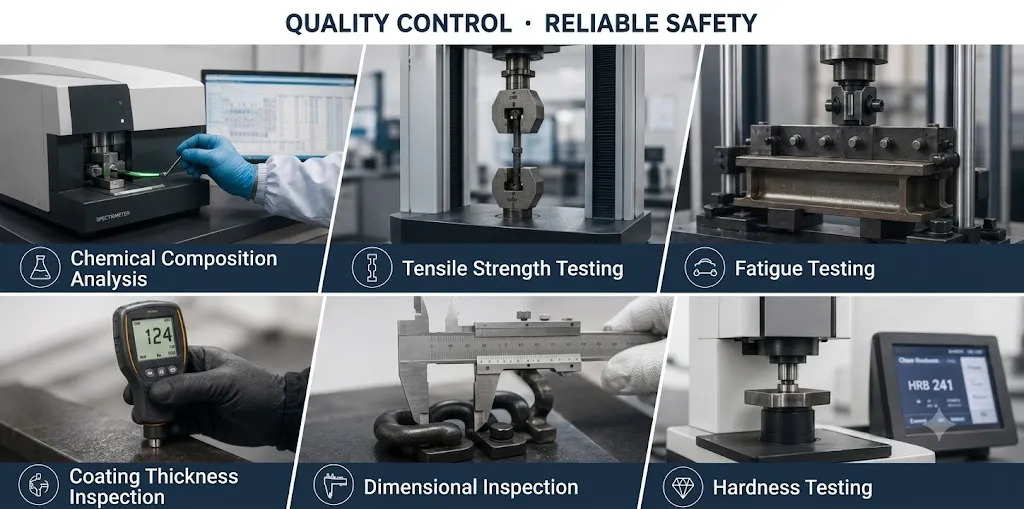
Before an elastic rail clip leaves the factory, it should undergo a series of inspections designed to verify that every batch meets the specified technical requirements.
Dimensional accuracy is checked to ensure proper fit within the fastening assembly. Mechanical properties are verified to confirm that the spring steel has achieved the required performance after heat treatment. Manufacturers also carry out hardness testing, בדיקת עייפות, and coating inspection where applicable.
These inspections are not simply part of a quality control procedure. They provide confidence that every rail clip delivered to the project will perform consistently under real operating conditions.
For railway owners, replacing a defective rail clip after installation is far more expensive than identifying a manufacturing problem before shipment. This is why comprehensive inspection remains an essential part of modern railway manufacturing.
After supporting railway projects in different countries, we have noticed that a few selection mistakes appear repeatedly.
One of the most common is choosing a rail clip based only on its appearance. Two clips may have almost the same shape while differing significantly in material quality, טיפול בחום, חיי עייפות, and long-term clamping performance.
Another mistake is considering the rail clip as an independent product rather than part of the complete fastening system. The clip must work together with the rail section, כרית מסילה, מְבַדֵד, כָּתֵף, and sleeper. Ignoring the compatibility of these components can reduce the overall performance of the track.
Environmental conditions are also sometimes overlooked. A fastening system that performs well in a dry inland environment may require additional corrosion protection when installed in coastal regions or heavy industrial areas.
לְבָסוֹף, some buyers focus primarily on the purchase price without considering maintenance costs over the railway’s service life. Selecting a higher-quality fastening system at the beginning of a project often reduces inspection frequency, replacement costs, and track maintenance in the years that follow.
Selecting the right elastic rail clip is not simply a matter of choosing a product from a catalogue. It is an engineering decision that affects the safety, אֲמִינוּת, and maintenance requirements of the entire railway.
Experienced engineers evaluate the complete operating environment before recommending a fastening system. They consider the rail section, סוג ישן, מהירות הרכבת, עומס סרן, תנאי הסביבה, תקני רכבת, material quality, and manufacturing process as parts of the same engineering solution rather than separate decisions.
Although elastic rail clips represent only one component within the railway fastening system, they play a vital role in maintaining stable rail support over millions of loading cycles. Choosing the right fastening solution at the beginning of a project helps improve long-term track performance while reducing maintenance costs throughout the railway’s operating life.
If you are planning a new railway project or upgrading an existing track, taking the time to evaluate these factors will help you select a fastening system that delivers reliable performance for many years to come.
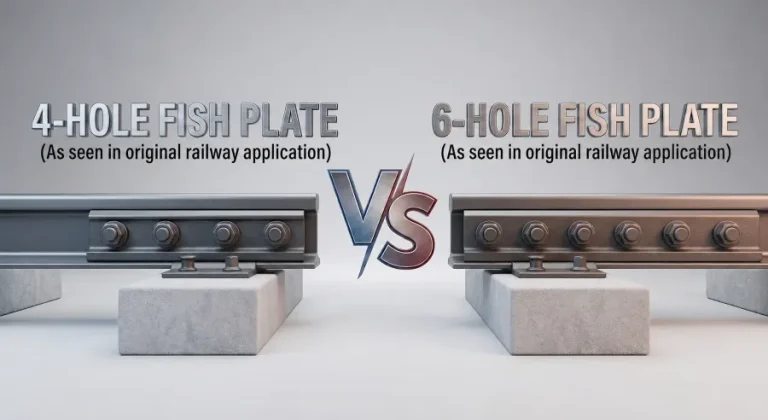
בְּ Luoyang Fonyo Heavy Industries Co., בע"מ., we manufacture a wide range of railway fastening components, including elastic rail clips, רפידות מסילה, צלחות דגים, ברגי דגים, and other railway track parts. Whether you are developing a new railway line or replacing an existing fastening system, our engineering team can help you select fastening solutions that match your rail section, תנאי הפעלה, ודרישות הפרויקט.
The best way to choose an elastic rail clip is to evaluate the entire fastening system rather than the clip alone. Engineers normally begin by confirming the rail section, סוג ישן, מהירות פעולה, עומס סרן, תנאי הסביבה, and applicable railway standard. These factors determine the required clamping force, ביצועי עייפות, הגנה מפני קורוזיה, and compatibility with other fastening components. Selecting a rail clip without considering these conditions may result in premature wear or increased maintenance costs.
Both E Clips and SKL Clips are widely used elastic fastening systems, but they are designed for different railway applications. E Clips are commonly used on conventional railways because of their simple structure and reliable performance. קליפס SKL נבחרים לעתים קרובות עבור מסילות רכבת נוסעים ומהירות גבוהה שבהן כוח הידוק יציב ובקרת רטט חשובים במיוחד. האפשרות המתאימה ביותר תלויה בדרישות הפרויקט במקום שעיצוב אחד טוב יותר מהשני.
לא תמיד. תפסי מסילה נועדו לעבוד עם פרופילי מסילה ספציפיים ומכלולי הידוק. גם אם שני חלקי מסילה נראים דומים, הבדלים במידות רגלי המעקה יכולים להשפיע על דיוק ההתקנה וביצועי ההידוק. מהנדסים בדרך כלל בוחרים תחילה את קטע המסילה ולאחר מכן בוחרים במערכת הידוק תואמת המיועדת לפרופיל זה.
High-quality elastic rail clips are generally manufactured from spring steels such as 60Si2MnA or SUP9. These materials provide excellent strength, גְמִישׁוּת, and fatigue resistance after proper heat treatment. The manufacturing process is just as important as the material itself, since incorrect heat treatment can reduce the service life of the clip.
Service life depends on many factors, כולל עומס סרן, train frequency, תנאי הסביבה, נוהלי תחזוקה, and manufacturing quality. בתנאי הפעלה רגילים, a properly manufactured rail clip can remain in service for many years while maintaining its clamping force. Regular inspection as part of routine track maintenance helps maximize its operating life.
Unlike many structural components, elastic rail clips experience repeated loading every time a train passes. Over their service life, they may undergo millions of loading cycles. Fatigue testing verifies that the clip can maintain its elasticity and mechanical performance without developing cracks or losing clamping force under repeated stress.
Galvanized rail clips offer improved corrosion resistance, making them suitable for coastal regions, humid climates, and industrial environments. אוּלָם, galvanizing is not always the only solution. Depending on the operating conditions, protective coatings such as Dacromet or Geomet may also provide excellent long-term corrosion protection. The appropriate coating should be selected according to the project environment.
כֵּן. Many manufacturers can produce customized rail clips to suit different rail sections, מערכות הידוק, תקני רכבת, and surface protection requirements. Before manufacturing begins, engineers usually review the project drawings and technical specifications to ensure the clip is fully compatible with the complete fastening assembly.