WeChat 코드를 스캔하여 문의하세요
WeChat 코드를 스캔하여 문의하세요
이메일을 보내주시면 최대한 빨리 답변해 드리겠습니다..
마음과 영혼을 다해 미래를 창조하다


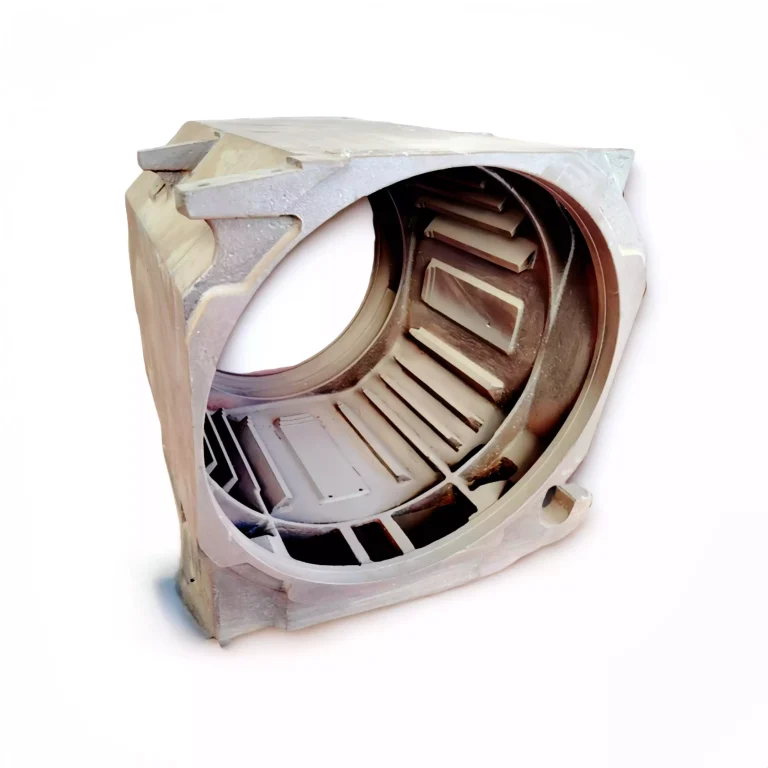
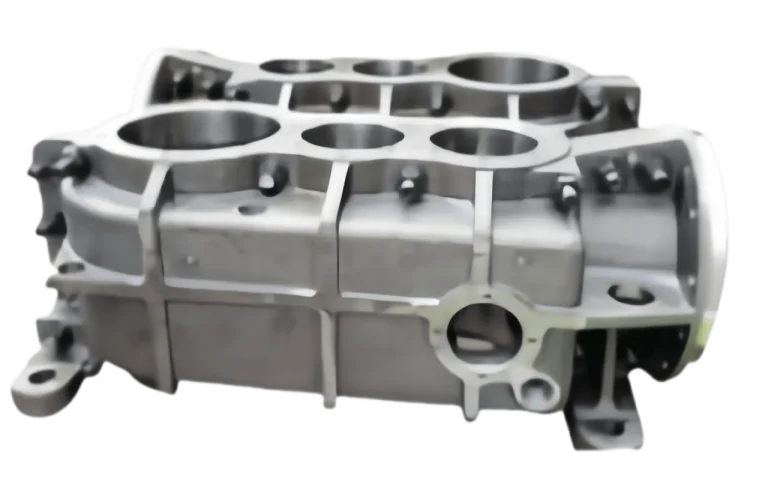
물유리 매몰주조는 다음과 같이 알려져 있습니다. “잃어버린 왁스 주조”. It is a method of obtaining castings by coating several layers of refractory materials on the surface of the wax mold. After it hardens and dries, the wax mold is melted away to make a shell, which is then roasted and poured to obtain a casting. Since the obtained casting has high dimensional accuracy and surface finish, it is also called “investment precision casting”.
The types of alloys that can be produced by investment casting include carbon steel, 합금강, heat-resistant alloy, 스테인레스 스틸, precision alloy, permanent magnetic alloy, bearing alloy, copper alloy, 알루미늄 합금, titanium alloy and ductile iron. The shape of investment castings is generally more complex. The minimum diameter of the hole that can be cast on the casting can reach 0.5mm, and the minimum wall thickness of the casting is 0.3mm.
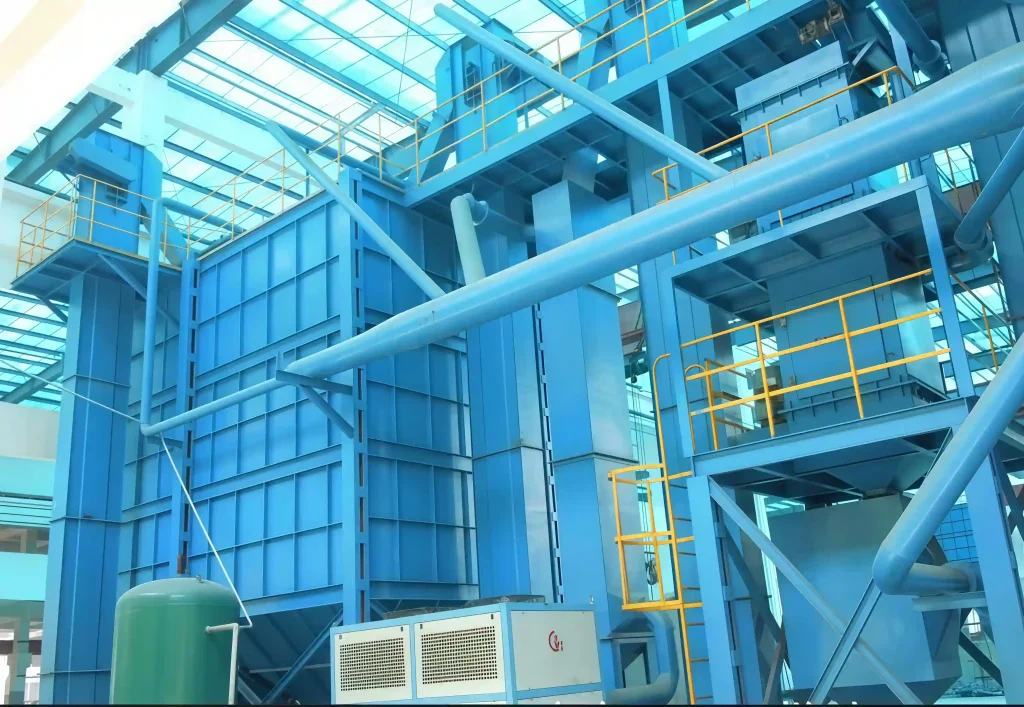
생산 중, some parts that were originally composed of several parts can be designed as integral parts by changing the structure of the parts and directly cast by investment casting to save processing time and metal material consumption, making the part structure more reasonable. The weight of investment castings is mostly a few tenths of a Newton (즉., tens of grams to several kilograms). It is more troublesome to produce too heavy castings by investment casting, but the weight of large investment castings produced so far has reached about 800 Newtons. Solution casting is to make a model with fusible materials, and then coat the model with refractory materials. After hardening, the model is melted and discharged from the mold, thereby obtaining a casting without a parting surface. After the casting is roasted, 부어진다.
물유리 매몰 주조 공정:
1) 왁스 몰드 제작 및 압착:
2)후속 프로세스 흐름
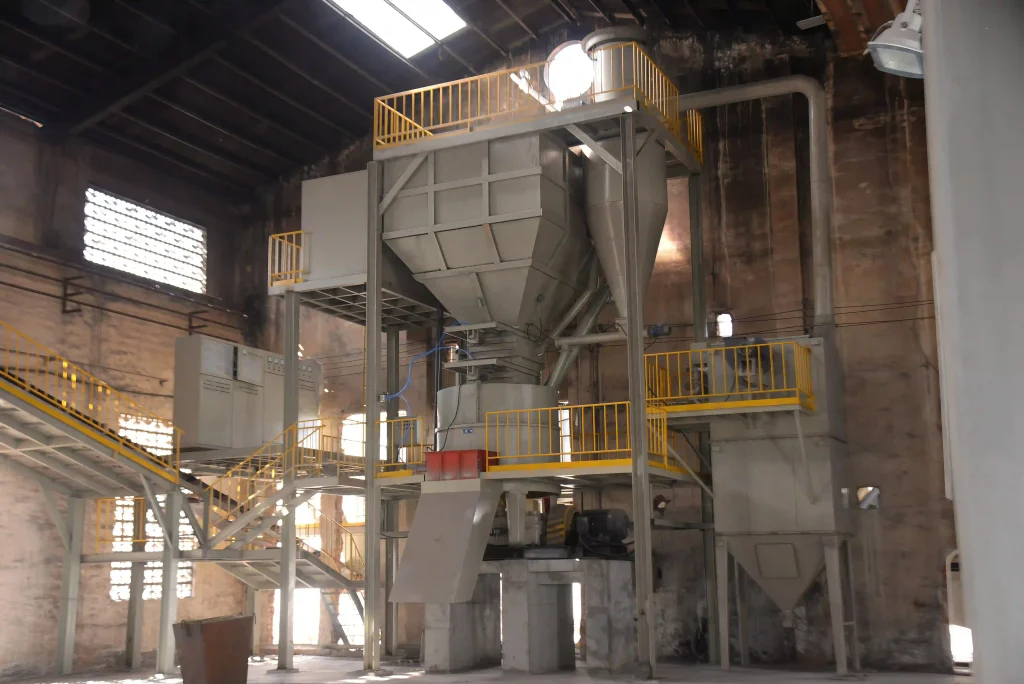
Steel casting processes applicable to water glass investment casting:
Cast carbon steel
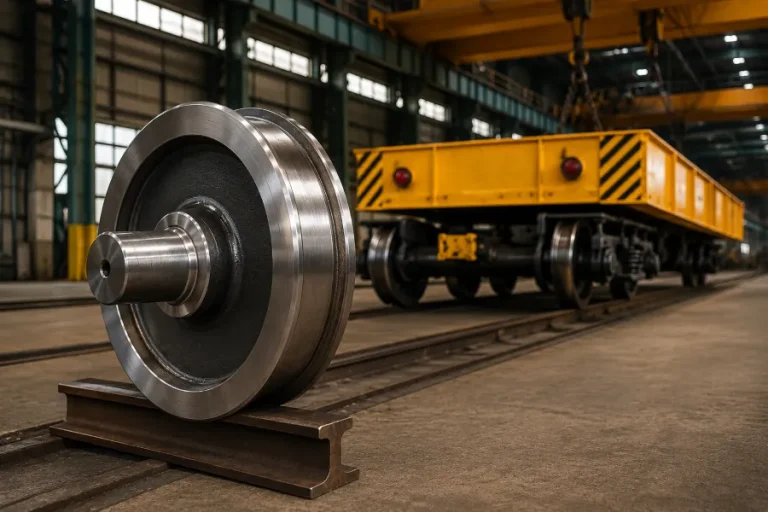
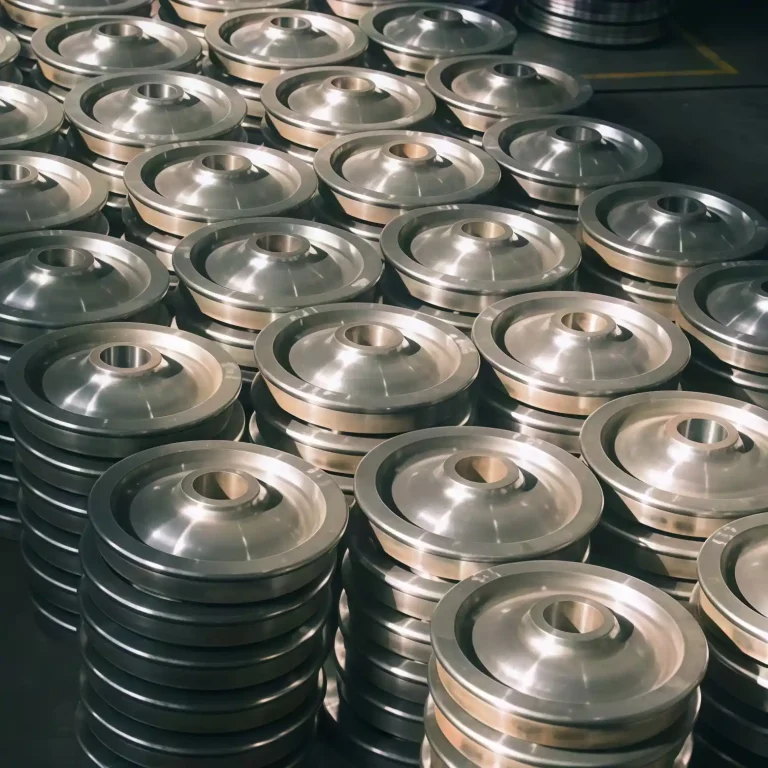
Cast steel with carbon as the main alloying element and a small amount of other elements. Cast low carbon steel contains less than 0.2 탄소, cast medium carbon steel contains 0.2~0.5 carbon, and cast high carbon steel contains more than 0.5 탄소. With the increase of carbon content, the strength of cast carbon steel increases and the hardness increases. Cast carbon steel has high strength, plasticity and toughness, and low cost. It is used in heavy machinery to manufacture parts that bear heavy loads, such as rolling mill frames, hydraulic press bases, 등.; it is used on railway vehicles to manufacture parts that bear large forces and impacts, such as bolsters, 사이드 프레임, wheels and hooks.
Cast low alloy
Cast steel containing alloying elements such as manganese, 크롬, and copper. The total amount of alloying elements is generally less than 5, with greater impact toughness, and can obtain better mechanical properties through heat treatment. Cast low alloy steel has better performance than carbon steel, can reduce the weight of parts and increase service life.
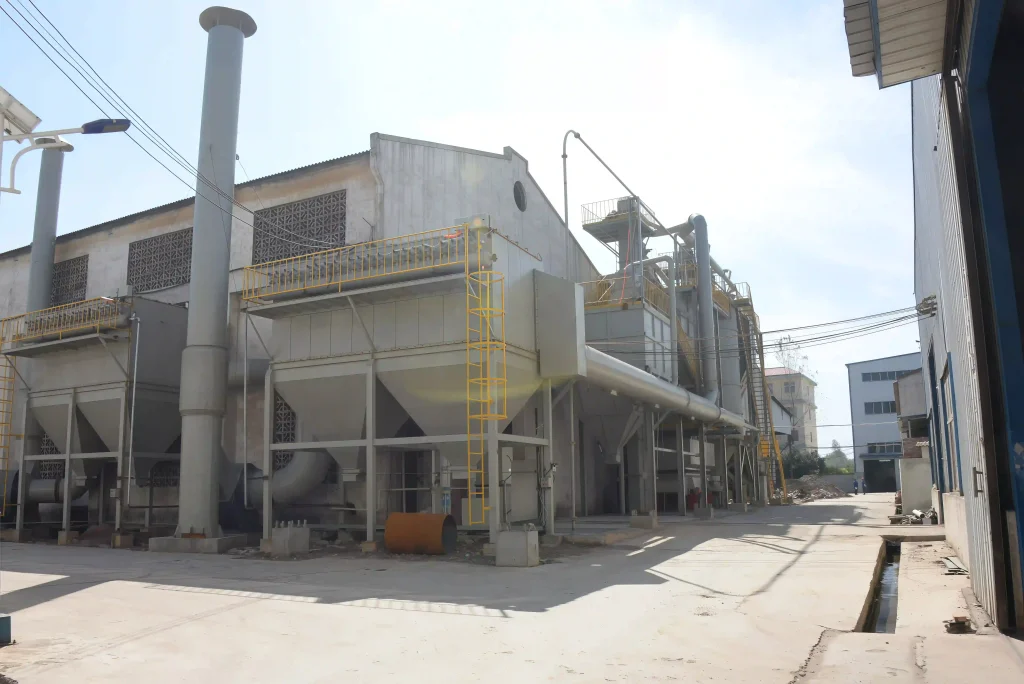
Cast special steel
There are many varieties of alloy cast steels refined to meet special needs, usually containing one or more high-amount alloying elements to obtain certain special properties. 예를 들어, high manganese steel containing 11 14 manganese can resist impact wear and is mostly used for wear-resistant parts of mining machinery and engineering machinery; various stainless steels with chromium or chromium-nickel as the main alloying elements are used for parts working under corrosive or high temperature conditions above 650, such as valve bodies, 슬리퍼, containers for chemical industry or turbine housings of large-capacity power stations.