WeChat コードをスキャンしてご連絡ください
WeChat コードをスキャンしてご連絡ください
お気軽にメールをお送りください。できるだけ早くご返信させていただきます.
心と魂で未来を創る


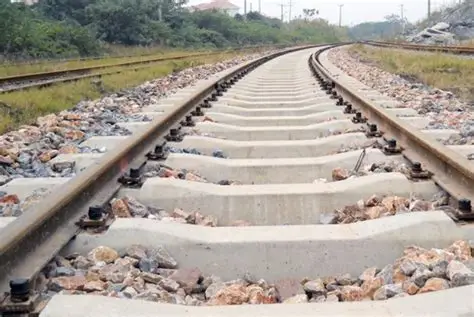
ここで中国に関するニュースを一つお伝えしたいと思います. 12月26日, 2025, 私たちにとって大切な日でした. That’s when the high-speed rail from Xi’an to Yan’an started running. With that line, China’s total high-speed rail network officially reached 50,000 キロメートル. This isn’t just about keeping our number one spot in the world; it also puts us way ahead of everyone else.
In just the last ten days of 2025, we opened seven new lines! Like the Guangzhang and Baoyin lines. On December 26th alone, three major routes started service: Xi’an to Yan’an, the Wuhan-Yichang section of the Shanghai-Chongqing line, and Hangzhou to Quzhou.
By the end of 2025, we’d launched more than 10 new lines, adding another 2,000 kilometers to the network. During our latest Five-Year Plan, we’ve built about 12,000 kilometers of new high-speed rail. That’s nearly one-third more than what we had in 2020.
それで, what makes our network so good? Let me break it down simply.
初め, it’s really dense. Almost all of our cities with over half a million people have a high-speed rail station. Nowadays, if people take a train, eight out of ten choose high-speed rail.
Within a 500-kilometre range, major city clusters are connected by a “1-to-2-hour living circle.” Getting around is very convenient.
Provinces like Guangdong and Shandong each have over 3,000 kilometers of high-speed rail. で 2025, Liaoning and Guizhou also connected all of their cities with high-speed rail. The denser the network, the more it helps the economy, boosting both domestic and international trade.
Building high-speed rail isn’t just about speed. Its real job is to tighten the economic links between cities and regions. Let me give you an example. The new Wuhan-Yichang section is part of the massive Shanghai-Chongqing line, それは 2,100 kilometers long in total. This main line connects some of our most important economic areas including Shanghai, Jiangsu, Anhui, Hubei, Chongqing, and Sichuan.
将来, the trip from Shanghai to Chengdu will drop from 12 hours to just 7. Just imagine how much more efficiently these key cities can work together.
There’s more. Projects like the second Guangzhou-Shenzhen line (which plans to extend to Hong Kong) and the second Beijing-Shanghai line (set to finish around 2027) are great examples. They’re all helping regional economies grow together.
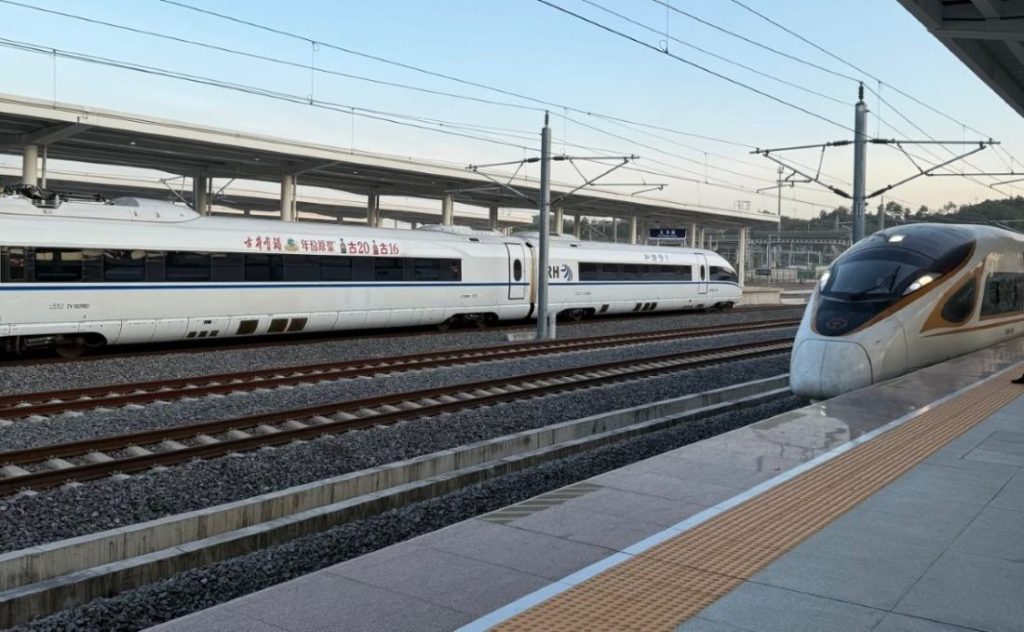
We’ve done well not just because of scale, but because our technology is strong. Take the smart “Fuxing” bullet train on the Beijing-Zhangjiakou line. It’s the world’s first high-speed train that can drive itself at 350 km/h. You could call it our tech showcase.
Its stopping precision is amazing—the error margin is within 10 centimetres. That is what smart rail travel looks like in the future.
また, our new CR450 train model, currently being tested, has already set a new world record by hitting 453 km/h. それで, you see, the future of China’s high-speed rail isn’t just “fast.” It’s “smart.” Intelligent systems will make operations more precise and safer, and the ride more comfortable for everyone.
Now that we’ve passed the 50,000-kilometre mark, our focus is shifting a bit. We’ll concentrate more on two things: making high-speed rail smarter and making it greener.
The pace of building brand-new lines might slow down. その代わり, we’ll add more routes in economically developed, densely populated areas to make travel even more convenient.
What’s more, in our next Five-Year Plan, we’ll weave smart technology and green, low-carbon ideas into every step—from construction and operation to maintenance. By using the best tech, we want to set new standards in both efficiency and environmental protection.
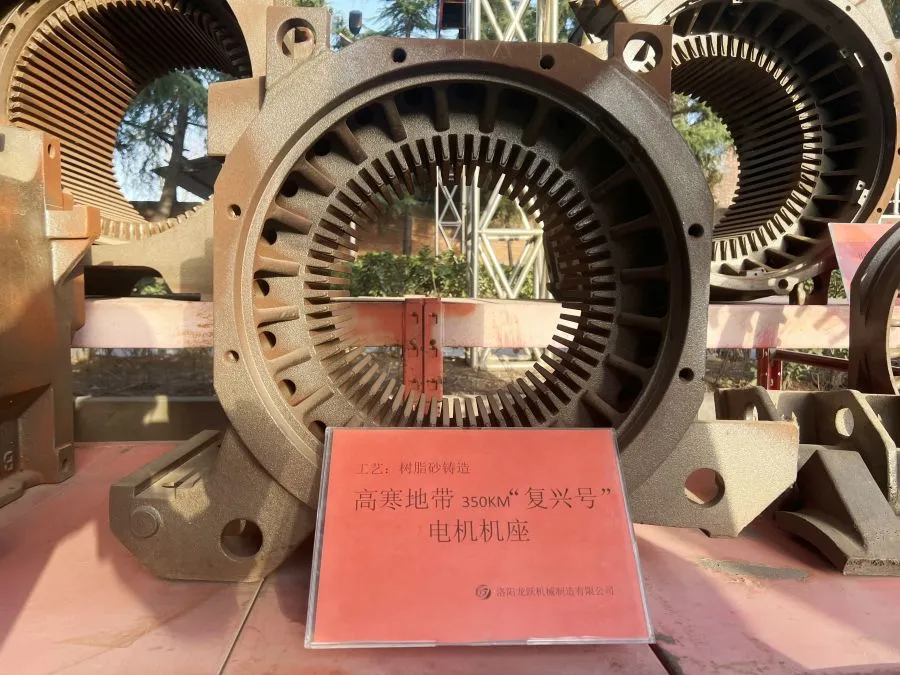
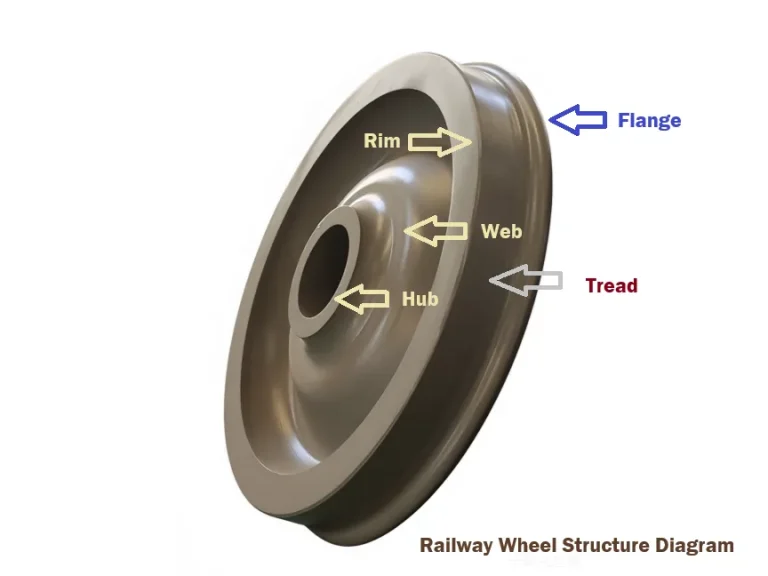
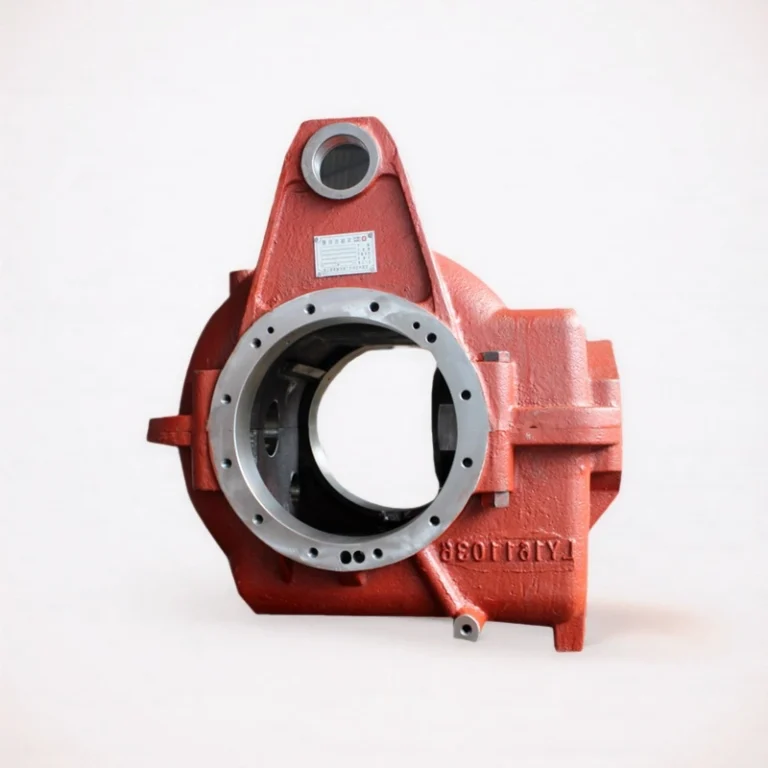
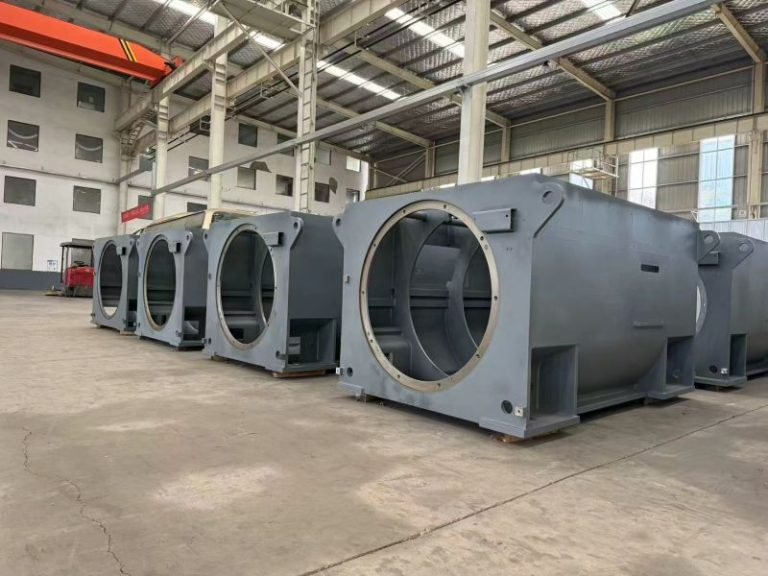
The world sees China’s high-speed rail as a benchmark. I should mention that such a huge system relies on countless high-quality components. 当社 洛陽豊洋重工業株式会社, 株式会社. is proud to supply some of the critical parts for this system such as 鉄道の車輪, Stator End Press Ring for Traction Motor, ギアボックスハウジング, Axle Box Housings, 等.
If you ever need high-quality railway components, feel free to contact us, 洛陽豊洋重工業株式会社, 株式会社. provides products that fully meet the demanding standards of China’s high-speed rail network. To learn more, please visit our website at www.railwaypart.com
You can also contact us directly:
ワッツアップ: +86 15515351287
電子メール: [email protected]