WeChat コードをスキャンしてご連絡ください
WeChat コードをスキャンしてご連絡ください
お気軽にメールをお送りください。できるだけ早くご返信させていただきます.
心と魂で未来を創る


鉄道の車輪は列車の最も重要なコンポーネントの 1 つです. 彼らはそうしなければなりません 重い荷物を運ぶ, 耐摩耗性, 数百万回の回転サイクルに耐えます 耐用年数にわたって. 適切な鋼材を選択することが重要です。 安全性, パフォーマンス, そして耐久性.
この記事では, 私たちは説明します 鋼は何に使われているのか 鉄道の車輪, 高炭素鋼と低合金鋼の違いを含む, の重要性 パーライト微細構造, 熱処理の役割 リム焼き入れ.
鉄道の車輪 極限の労働条件に直面する:
こうした課題があるため、, 鉄道車輪鋼は提供する必要があります:
These properties are achieved through careful steel selection and precise heat treatment.
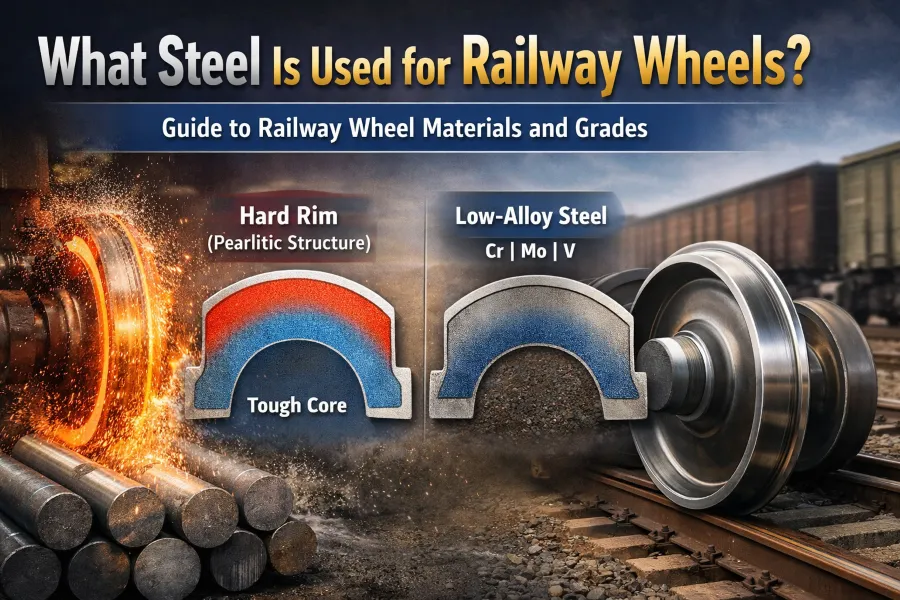
Most railway wheels are made from high-carbon pearlitic steel, sometimes called medium-high carbon steel. This steel provides a balance between hardness and toughness, essential for long-lasting wheels.
Typical composition:
| 要素 | Content |
| 炭素 (C) | 0.55–0.75% |
| マンガン (ん) | 0.60–0.90% |
| シリコン (そして) | 0.15–0.40% |
重要なポイント:
要するに, pearltic railway wheel steel provides an ideal combination of 硬度, 強さ, そして靭性, making it widely used for 貨物, 乗客, and regional trains.
For applications requiring extra performance, low-alloy steels are often used:
Common alloying elements:
| 要素 | 関数 |
| クロム (Cr) | Improves wear and heat crack resistance |
| モリブデン (モー) | Enhances strength and fatigue resistance |
| バナジウム (V) | Refines grain structure and increases toughness |
| Nickel (で) | Improves impact resistance |
Low-alloy steels are designed to resist rolling contact fatigue, 熱亀裂, and wear, extending the wheel’s service life even under heavy loads or high-speed conditions.
Railway wheel steels are strictly regulated under international standards. Two widely recognized standards are:
欧州規格 (で 13262)
European Standard EN 13262 covers several steel grades—ER6, ER7, ER8, and ER9—each with its own specified chemical composition, 機械的特性, and heat treatment requirements. Which one you actually go with depends on factors like the wheel diameter, ブレーキシステム, service load, and the rim hardness you need. It’s worth noting that ER7 and ER8 are steel grades, not just hardness levels, so choosing the right wheel is really about matching performance requirements rather than just picking a grade name.
American Standard (AAR M-107 / M-208)
The American Standard AAR M-107 and M-208 covers several steel classes—A, B, C, and D—each with defined chemical composition and mechanical properties. Which class you choose really depends on the service conditions, 軸重, and fatigue requirements you’re dealing with.
A key process in making railway wheels is リム焼き入れ, which ensures high hardness at the tread while maintaining a tough core.
Process steps:
Benefits:
今日, most modern railway wheels are rim-quenched for optimal performance and safety.
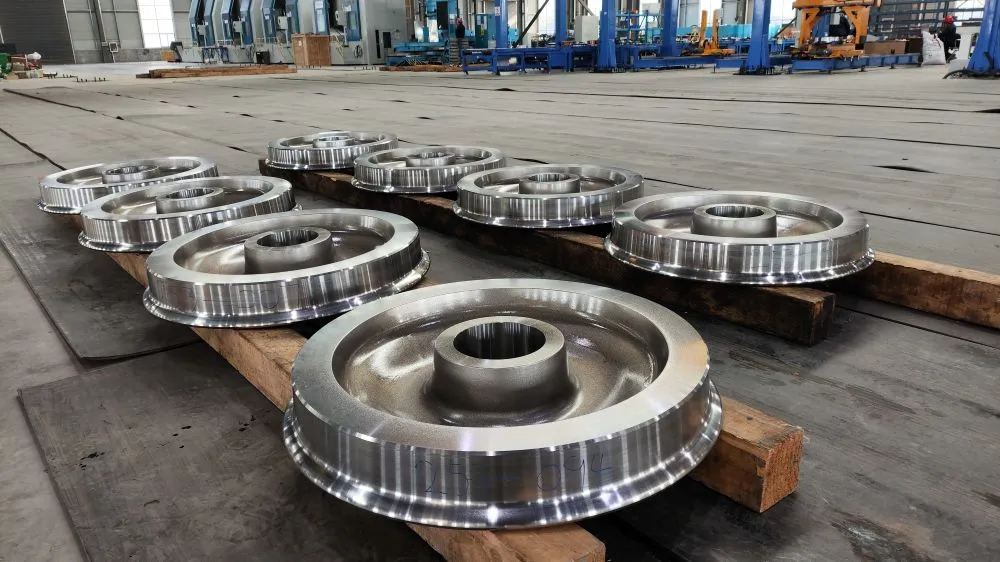
簡単に言えば, の microstructure determines the wheel’s ability to resist wear, 倦怠感, and impact, making pearlitic steel ideal for railway wheels.
鉄道車輪の材質を選択する場合, エンジニアが検討する:
| 要素 | おすすめ |
| サービスの種類 | 乗客, 貨物, 高速, 重量物 |
| 負荷 & 制動 | 必要なリムの硬度と熱処理の深さを決定します |
| 環境条件 | 高温, 熱サイクル, 腐食 |
| 疲労寿命 | 鋼は抵抗しなければならない 転がり接触疲労 数百万サイクル以上 |
ヒント: ホイールは常に次から調達します。 評判の良い鉄道車輪メーカー それを満たす で 13262 または AAR M-107/M-208 規格.
高品質のために 鉄道の車輪, 信頼できます 洛陽豊洋重工業株式会社, 株式会社., 専門家 鉄道車輪メーカー 国際規格に適合し、納期を短縮できるホイールを提供します。 長期的なパフォーマンスと安全性.
お問い合わせ today to request a quote or learn more about our railway wheel solutions.