WeChat コードをスキャンしてご連絡ください
WeChat コードをスキャンしてご連絡ください
お気軽にメールをお送りください。できるだけ早くご返信させていただきます.
心と魂で未来を創る


鉄道輸送の安全性と信頼性は、その基本コンポーネントの性能に大きく依存します。. これらのコンポーネントの多くは, カプラーなどの, ボルスタービーム, サイドフレーム, と車輪, 鋳物です. Choosing the right materials for 鉄道鋳物 is the first step to ensure that these parts can operate stably under long-term and complex working conditions. The selection of materials is not a single-factor consideration but a systematic decision-making process.
Before choosing materials, it is essential to clearly define the loads and environments that the components will be exposed to during use. This is the foundation for all subsequent decisions.
1.1 Mechanical load characteristics: Analyze whether the railway castings mainly bears static loads, dynamic impacts, or cyclic alternating loads. 例えば, couplers need to withstand huge tensile forces and impacts during train connection and operation, while bolster beams and side frames are subject to complex alternating stresses for a long time, with extremely high requirements for fatigue strength.
1.2 Environmental and wear conditions: Is the component exposed to rain, 風, 水分, or corrosive media such as deicing salts? Does it have sliding or rolling friction with other components? 例えば, freight car wheels not only bear huge loads but also the friction between the tread and the rail, and possible braking heat loads are key factors in material selection.
1.3 Geometric complexity and size: Many railway castings components have complex structures, and casting is an ideal process for forming such parts. The casting properties of the material, such as fluidity and shrinkage rate, will directly affect whether a complete and defect-free qualified product can be cast. Large components (フレームなどの) also require materials with good uniformity.
After clarifying the usage requirements, they need to be translated into specific material performance indicators and comprehensively weighed.
2.1 Strength and toughness: Strength determines how much force a component of railway castings can withstand without permanent deformation or fracture. Toughness indicates the material’s ability to resist brittle fracture when there are cracks or notches. For critical safety components, both high strength and high toughness must be present, especially in low-temperature environments, to ensure the material has sufficient impact toughness.
2.2 Fatigue strength: This is one of the most core indicators for railway castings. Due to track irregularities and vehicle vibrations, the stress on components is cyclically changing. The material’s ability to resist this cyclic stress damage directly determines its service life. Choosing materials with high fatigue strength can effectively extend the maintenance cycle and service life of components.
2.3 耐摩耗性: For components with relative motion, such as wheels and bushings, the wear resistance of the material is crucial. It reduces size changes and performance degradation due to wear, lowering maintenance frequency and costs. 一般的に, increasing surface hardness is an effective way to enhance wear resistance.
2.4 Cast ability and weld ability: Materials with good cast ability are easier to obtain sound castings, reducing defects such as shrinkage cavities, 気孔率, and hot cracking. 同時に, considering that some components may need welding repairs during manufacturing or maintenance, the weld ability of the material must also be evaluated. Materials with poor weld ability are prone to cracks after welding, affecting structural integrity.
Based on the above performance requirements, the railway industry has formed several mature casting material systems in practice.
3.1 鋳鋼:
3.1.1 グレードB (ZG230-450) 鋳鋼: It has good strength and excellent toughness, and weld ability. It is often used to manufacture parts that do not bear large impact loads.
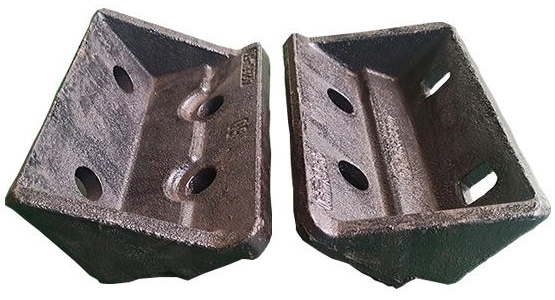
3.1.2 グレードC (ZG25MnCrNiMo) 鋳鋼: This is a high-strength, low-alloy cast steel. By adding elements such as manganese, クロム, ニッケル, とモリブデン, its strength, 靭性, and fatigue performance are significantly improved. It is currently the preferred material for manufacturing key load-bearing components such as freight car bolster beams and side frames.
3.1.3 Grade E (ZG18MnNiCrMo) 鋳鋼: It has higher strength and toughness, especially excellent low-temperature impact toughness, and is used to manufacture more critical components.
3.2 鋳鉄: ダクタイル鋳鉄 (QT400-18, QT500-7, 等): Its mechanical properties are close to those of cast steel, while retaining the good cast ability, wear resistance and shock absorption of cast iron. It is often used to manufacture complex-shaped components of locomotive and vehicle axles, ギアボックス, brake discs and hubs that require shock absorption and wear resistance. Special attention should be paid to its toughness index when choosing it.
3.3 Compacted graphite iron (RuT300, RuT400): Its performance lies between gray cast iron and ductile iron, with excellent thermal conductivity and resistance to thermal fatigue. It is used in the manufacture of engine blocks and brake calipers that are subject to both mechanical and thermal loads.
3.4 Special alloys and new materials:
For components with special requirements, such as high-temperature resistance and extreme wear resistance, special alloys such as high manganese steel and weathering steel are considered. With technological progress, new materials with improved performance through micro-alloying and heat treatment processes are constantly being developed and applied.
Material selection in actual operation is a rigorous, systematic engineering process.
4.1 Failure mode analysis: Study the common failure forms of similar components or under similar working conditions (such as fatigue fracture, 過度の摩耗, 腐食, 等) to determine the performance that needs to be focused on.
4.2 Compliance with standards and regulations: Domestic and international railway industries (such as AAR, で, and TB standards) have clear technical requirements for the materials of various components. 選ぶときは, the relevant standards must be met first.
4.3 Process performance and economic evaluation: Under the premise of meeting performance requirements, consider the cost of materials, casting difficulty, qualification rate, and the complexity of subsequent heat treatment to pursue the best comprehensive economic benefits.
4.4 Prototype testing and verification: For newly selected materials or new designs, strict bench tests and line operation evaluations must be conducted to comprehensively verify their performance under actual working conditions and ensure absolute reliability.
Selecting the right materials for railway castings is a comprehensive decision-making process that starts from the functional requirements of components and ends with long-term operational reliability. It requires designers and engineers to have a deep understanding of the service conditions of components, accurately grasp the core properties of materials, and make scientific balances among strength, 靭性, 疲労寿命, process ability and cost. Only in this way can a solid material foundation be laid for the safe, efficient and long-lasting operation of railway transportation.
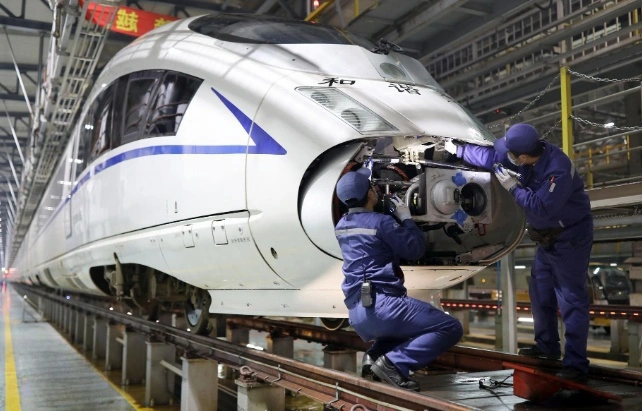
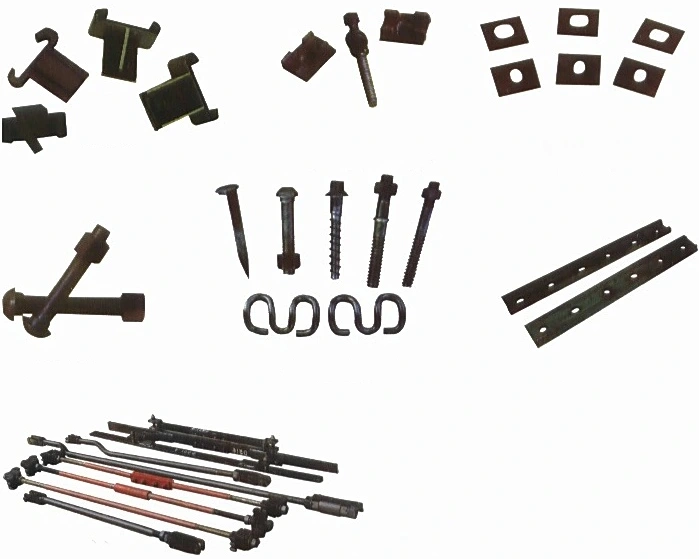
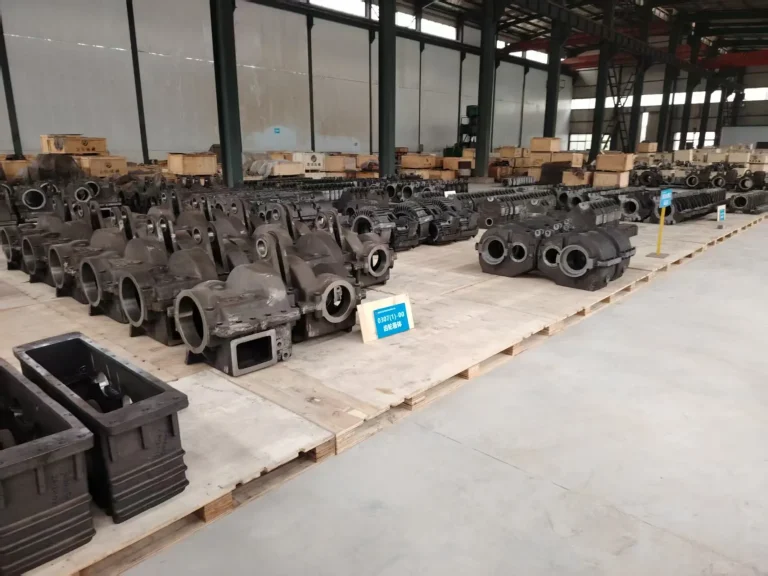
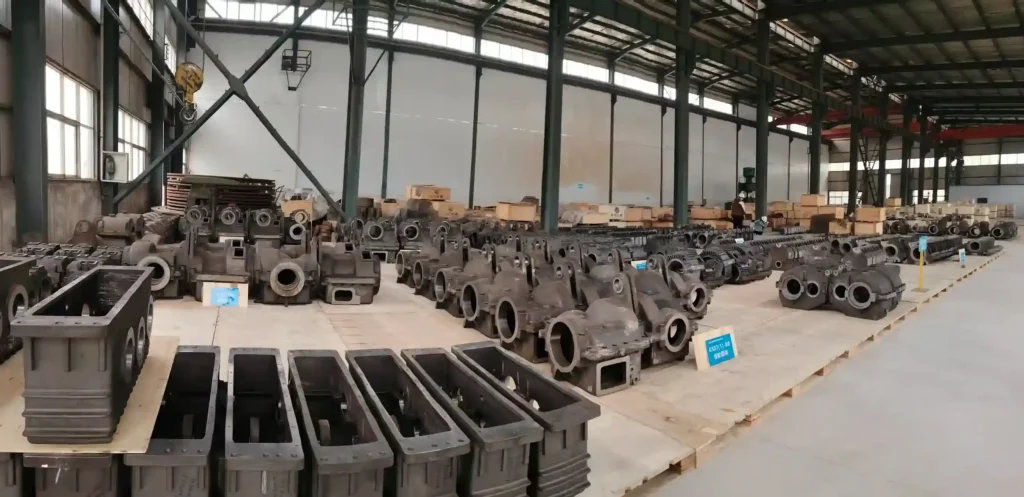
洛陽豊洋重工業株式会社, 株式会社, 1998年に設立された鉄道鋳造部品のメーカーです. 当社の工場面積は72,600㎡です。, 以上の 300 従業員, 32 技術者, 含む 5 シニアエンジニア, 11 アシスタントエンジニア, そして 16 技術者. 弊社の生産能力は 30,000 年間トン. 現在, 私たちは主に鋳物を生産しています, 機械加工, 機関車の組立て, 鉄道車両, 高速鉄道, 鉱山機械, 風力, 等.
当社はCRRCに鉄道部品を供給しています。(以上を含む 20 CRRCの支店および子会社), Gemacエンジニアリングマシナリー, サニーグループ, 中信重工業, 等. 当社の製品はロシアに輸出されています, 米国, ドイツ, アルゼンチン, 日本, フランス, 南アフリカ, イタリアをはじめとする世界中の国.