WeChat コードをスキャンしてご連絡ください
WeChat コードをスキャンしてご連絡ください
お気軽にメールをお送りください。できるだけ早くご返信させていただきます.
心と魂で未来を創る


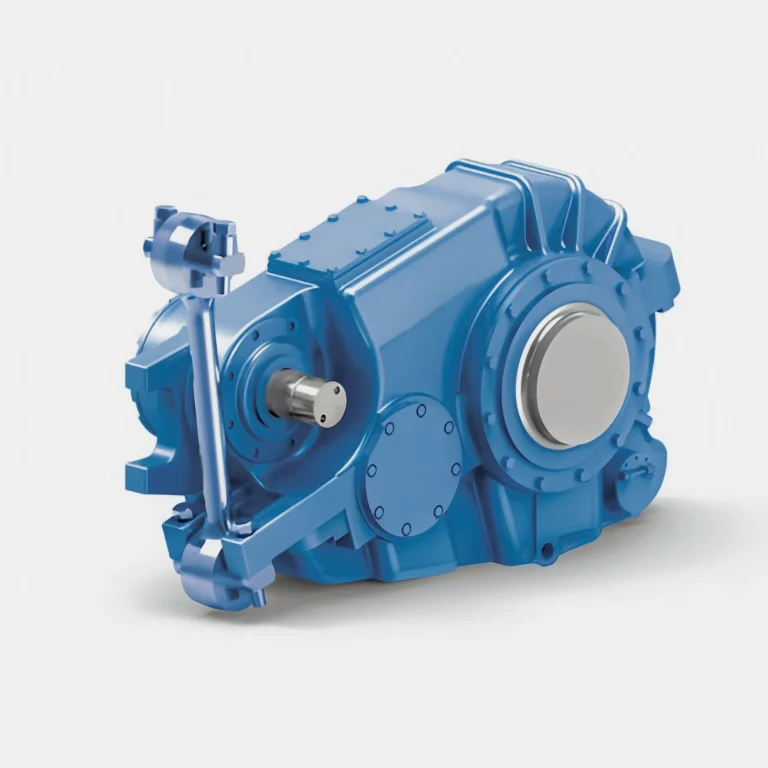
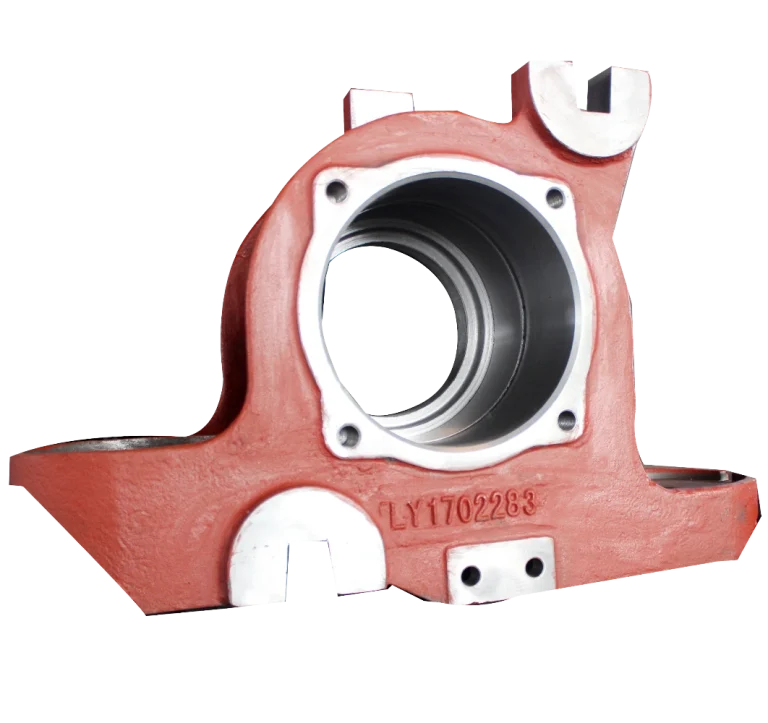
Railway locomotives face immense forces and vibrations while operating. The gearbox housing, a core component of locomotives, acts as a strong home, protecting the precise gears inside. したがって, choosing the right material and manufacturing process for it is crucial. In this context, the gearbox housing made by furan resin sand ductile iron casting stands out as a top-tier choice for railway applications. Here are the five key reasons why.
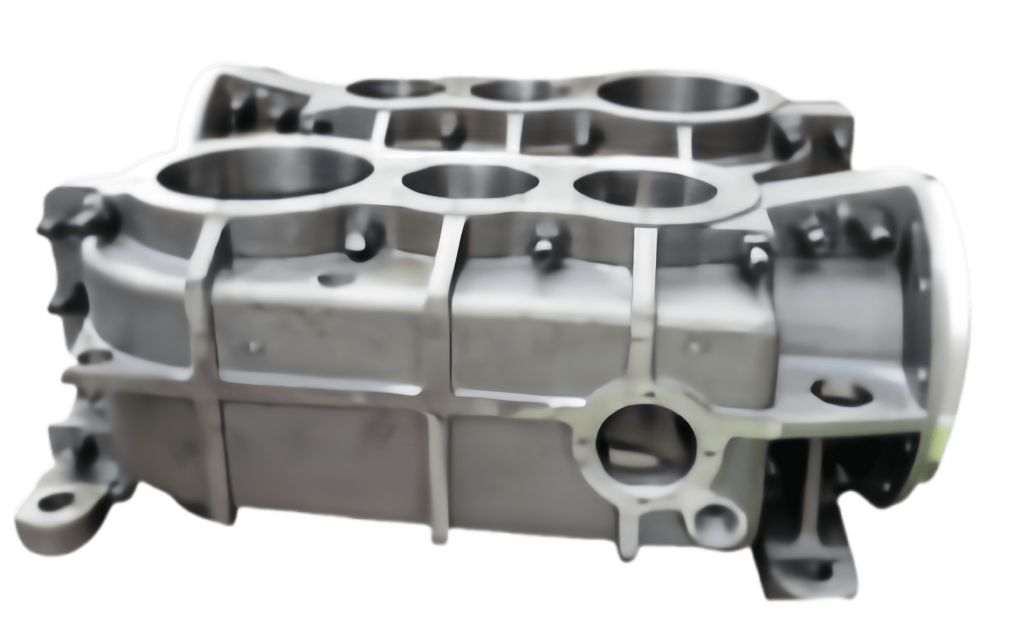
あ ギアボックスハウジング has many holes and surfaces that need to precisely hold bearings and gears. Fortunately, the sand molds used in the furan resin sand process are very hard and do not easily change shape. 結果として, this process yields castings with excellent dimensional accuracy and clear outlines. その結果, it ensures all parts fit together perfectly. By this means, it prevents extra wear and noise caused by size errors, thereby guaranteeing smooth and reliable power transmission, which is vital for train operation.
The material, ダクタイル鋳鉄, has a special ability – it is great at reducing vibrations. 具体的には, it absorbs vibrations much better than steel. For a railway locomotive, which is constantly vibrating, a gearbox housing that can soak up this shaking is very valuable. As a direct result, it significantly lowers the noise and vibrations passed to the train’s body. This leads to a more comfortable ride for everyone on board. さらに, it also helps other sensitive parts last longer.
Modern locomotive gearbox housings often have complex shapes. 例えば, they often include internal strengthening ribs and channels for oil flow. Notably, furan resin sand offers great flexibility in molding. したがって, it allows foundries to create these intricate internal and external shapes perfectly, often by assembling separate sand cores. In turn, this gives designers more freedom to create parts that are both strong and lightweight. 結局のところ, this means the final ギアボックスハウジング is robust but not overly heavy.

The molds made by this process have a very smooth surface. その結果, the final gearbox housing, inside and out, has a good surface finish with low roughness. しかし, this is not just about looks. Critically, a smooth surface has fewer tiny stress points where cracks could start, thus making the housing more resistant to fatigue under constant stress. さらに, the internal structure of the casting is uniform and dense. This combination greatly improves the overall strength and long-term durability of the housing.
After the molten metal is poured, the furan resin sand breaks down and becomes loose when exposed to high heat. This characteristic, known as good collapsibility, makes removing the sand mold very easy. This is particularly important for a complex part like a gearbox housing with many inner corners. Thanks to this property, it allows for easy cleaning without risking damage to the casting from forceful cleaning methods. When this advantage is combined with the naturally stable properties of ductile iron, the final product achieves very consistent and reliable quality from one housing to the next.
要約すれば, for ギアボックスハウジング that meet the rigorous demands of railway locomotives, look no further than the proven method of furan resin sand ductile iron casting from 洛陽豊洋重工業株式会社, 株式会社. Our expertise is built on this advanced process, which delivers the ideal balance of precision, 強さ, 振動減衰, and design flexibility. したがって, partner with us for the reliable foundation your locomotives require. Discover our capabilities at www.railwaypart.com