Scan WeChat-koden for at kontakte os
Scan WeChat-koden for at kontakte os
Du er velkommen til at sende os en e-mail, og vi vil svare dig hurtigst muligt.
At skabe fremtiden med hjerte og sjæl


Vandglas investering støbning er også kendt som “tabt voksafstøbning”. It is a method of obtaining castings by coating several layers of refractory materials on the surface of the wax mold. After it hardens and dries, the wax mold is melted away to make a shell, which is then roasted and poured to obtain a casting. Since the obtained casting has high dimensional accuracy and surface finish, it is also called “investment precision casting”.
The types of alloys that can be produced by investment casting include carbon steel, legeret stål, heat-resistant alloy, rustfrit stål, precision alloy, permanent magnetic alloy, bearing alloy, copper alloy, aluminum alloy, titanium alloy and ductile iron. The shape of investment castings is generally more complex. The minimum diameter of the hole that can be cast on the casting can reach 0.5mm, and the minimum wall thickness of the casting is 0.3mm.
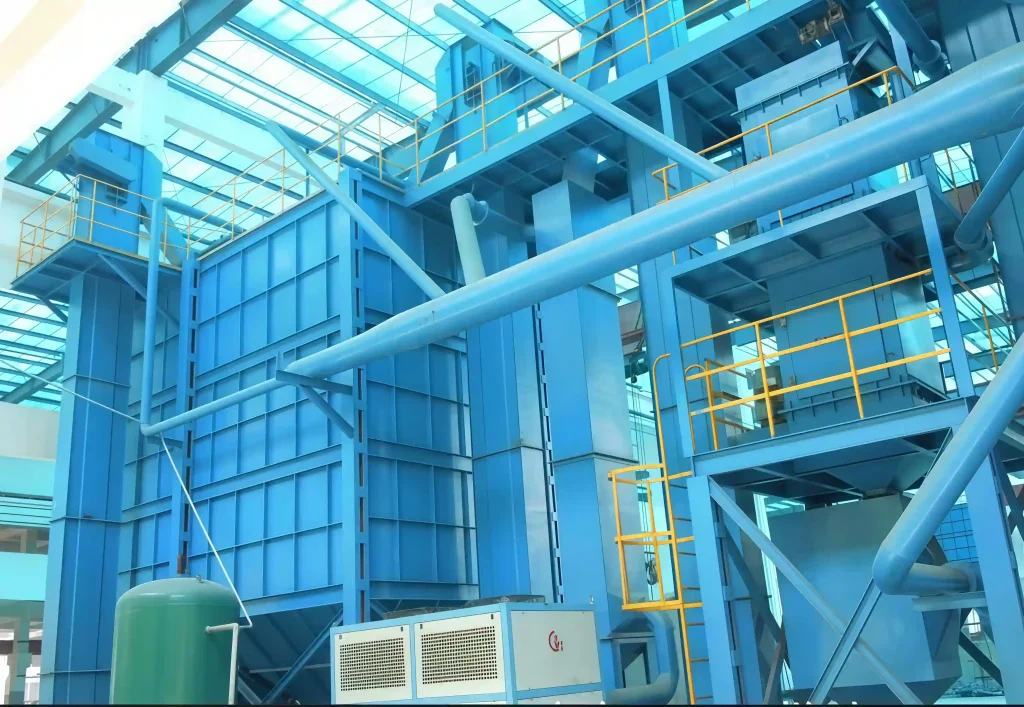
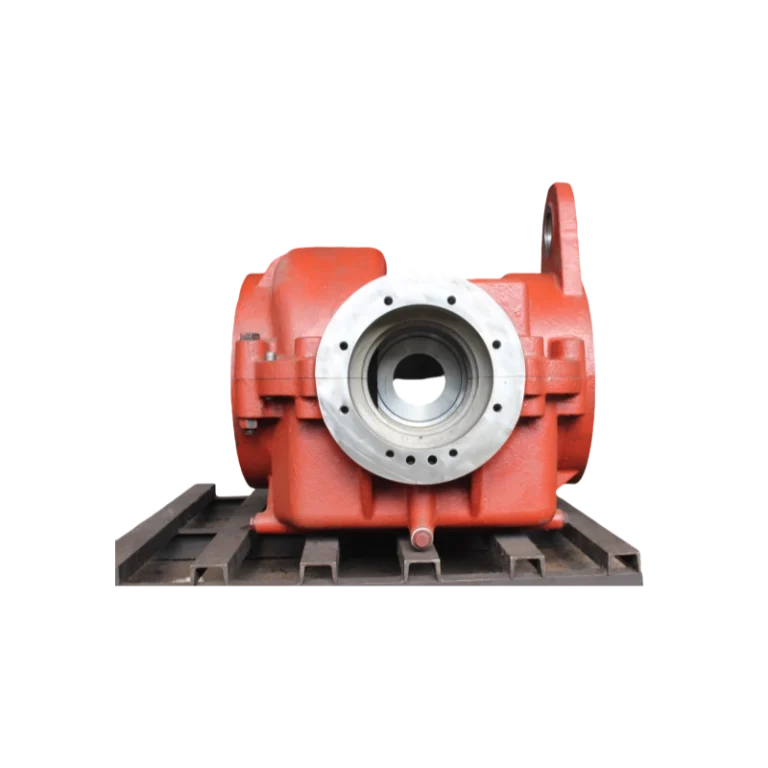
I produktion, some parts that were originally composed of several parts can be designed as integral parts by changing the structure of the parts and directly cast by investment casting to save processing time and metal material consumption, making the part structure more reasonable. The weight of investment castings is mostly a few tenths of a Newton (dvs., tens of grams to several kilograms). It is more troublesome to produce too heavy castings by investment casting, but the weight of large investment castings produced so far has reached about 800 Newtons. Solution casting is to make a model with fusible materials, and then coat the model with refractory materials. Efter hærdning, the model is melted and discharged from the mold, thereby obtaining a casting without a parting surface. After the casting is roasted, it is poured.
Water glass investment casting process:
1) Wax mold making and pressing:
2)Subsequent process flow
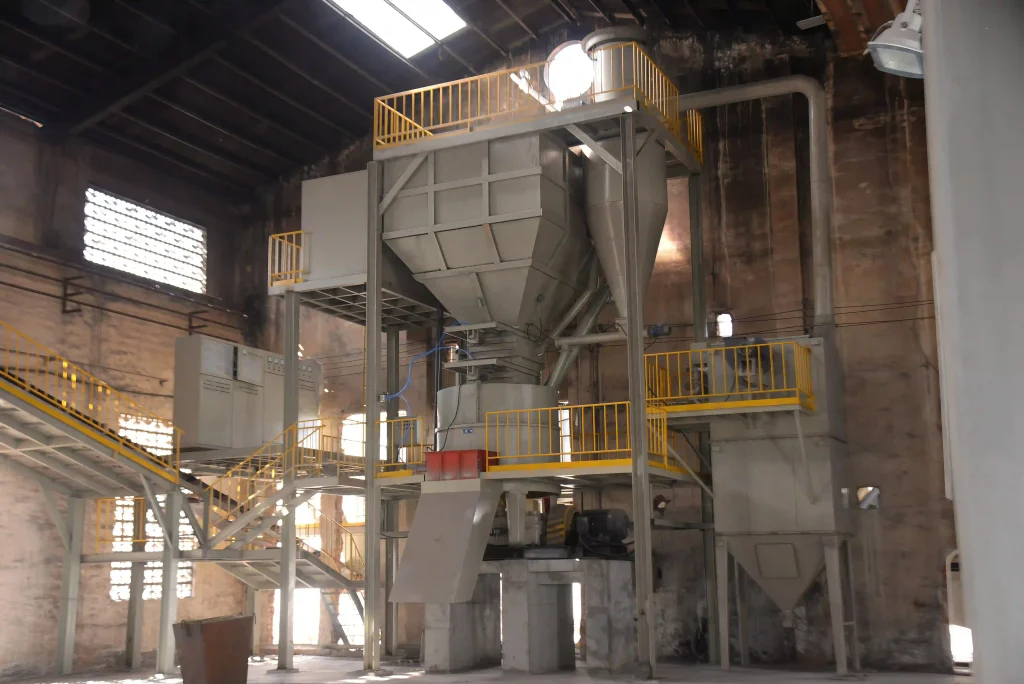
Steel casting processes applicable to water glass investment casting:
Støbt kulstofstål
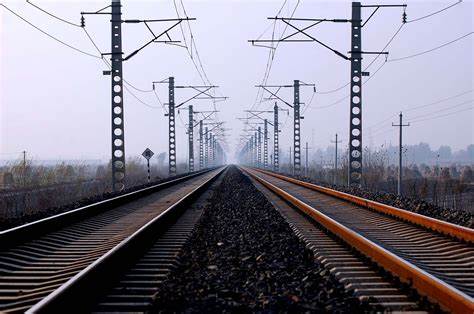
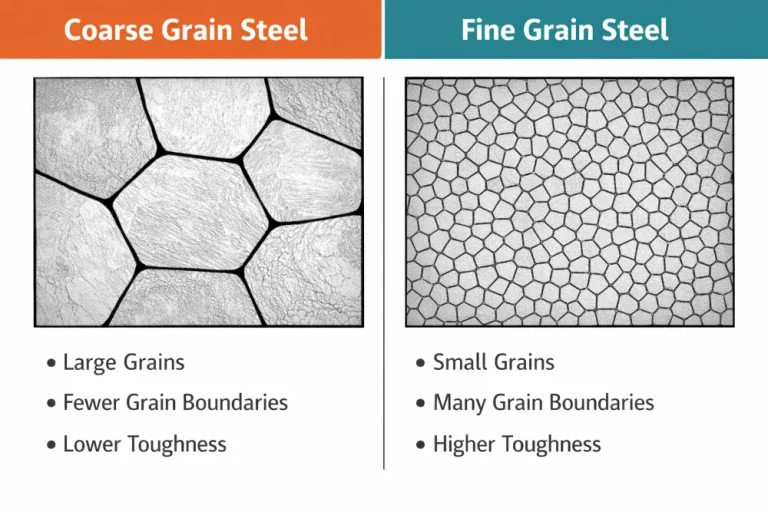
Cast steel with carbon as the main alloying element and a small amount of other elements. Cast low carbon steel contains less than 0.2 kulstof, cast medium carbon steel contains 0.2~0.5 carbon, and cast high carbon steel contains more than 0.5 kulstof. With the increase of carbon content, the strength of cast carbon steel increases and the hardness increases. Støbt kulstofstål har høj styrke, plasticity and toughness, og lave omkostninger. Det bruges i tunge maskiner til fremstilling af dele, der bærer tunge belastninger, såsom valseværksrammer, hydrauliske pressebaser, osv.; det bruges på jernbanekøretøjer til at fremstille dele, der bærer store kræfter og stød, såsom bolster, siderammer, hjul og kroge.
Cast low alloy
Cast steel containing alloying elements such as manganese, krom, og kobber. The total amount of alloying elements is generally less than 5, with greater impact toughness, og kan opnå bedre mekaniske egenskaber gennem varmebehandling. Støbt lavlegeret stål har bedre ydeevne end kulstofstål, can reduce the weight of parts and increase service life.
Støbt specialstål
There are many varieties of alloy cast steels refined to meet special needs, usually containing one or more high-amount alloying elements to obtain certain special properties. F.eks, højt indhold af manganstål 11 14 manganese can resist impact wear and is mostly used for wear-resistant parts of mining machinery and engineering machinery; various stainless steels with chromium or chromium-nickel as the main alloying elements are used for parts working under corrosive or high temperature conditions above 650, såsom ventilhuse, pumper, containers for chemical industry or turbine housings of large-capacity power stations.