قم بمسح رمز WeChat للاتصال بنا
قم بمسح رمز WeChat للاتصال بنا
لا تتردد في مراسلتنا عبر البريد الإلكتروني وسوف نقوم بالرد عليك في أقرب وقت ممكن.
صنع المستقبل بالقلب والروح


لوحة الأسماك السكك الحديدية, تُعرف أيضًا باسم القضبان المشتركة, هي مكونات أساسية تستخدم لربط طرفي السكة والحفاظ على استمرارية المسار. يتم استخدامها على نطاق واسع في خطوط السكك الحديدية الرئيسية, أنظمة المترو, مسارات السكك الحديدية الصناعية, قضبان الرافعة, السكك الحديدية التعدين, وغيرها من مشاريع البنية التحتية للسكك الحديدية.
على الرغم من أن السكك الحديدية الحديثة تستخدم بشكل متزايد السكك الحديدية الملحومة بشكل مستمر (CWR), تظل مفاصل السكك الحديدية ضرورية في الإقبال, الجسور, المسارات المؤقتة, الجوانب الصناعية, أنظمة السكك الحديدية رافعة, وتطبيقات الصيانة. لذلك يعد اختيار لوحة السمك الصحيحة أمرًا بالغ الأهمية لسلامة المسار, نقل الحمولة, والموثوقية على المدى الطويل.
يشرح هذا الدليل أنواع ألواح الأسماك الحديدية, المعايير الدولية, مواصفات المواد, أبعاد, طرق التصنيع, ومعايير الاختيار العملية لمشاريع السكك الحديدية.
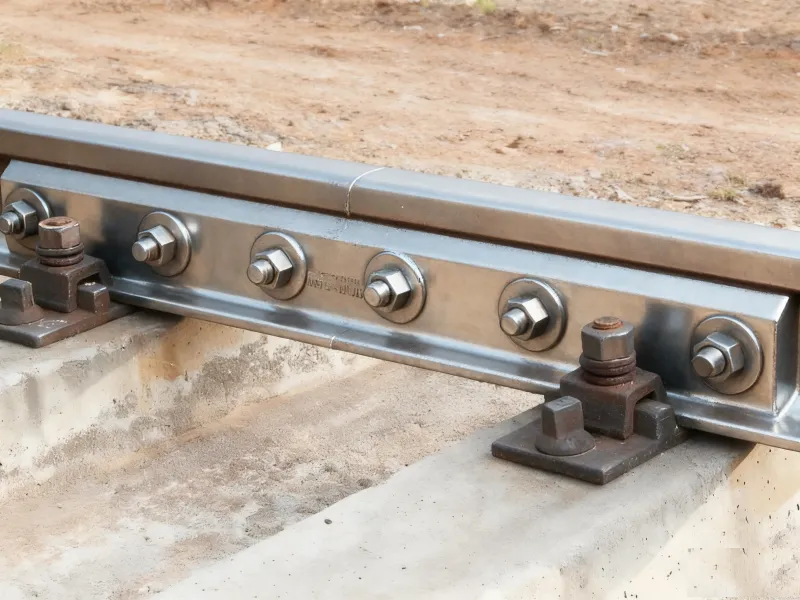
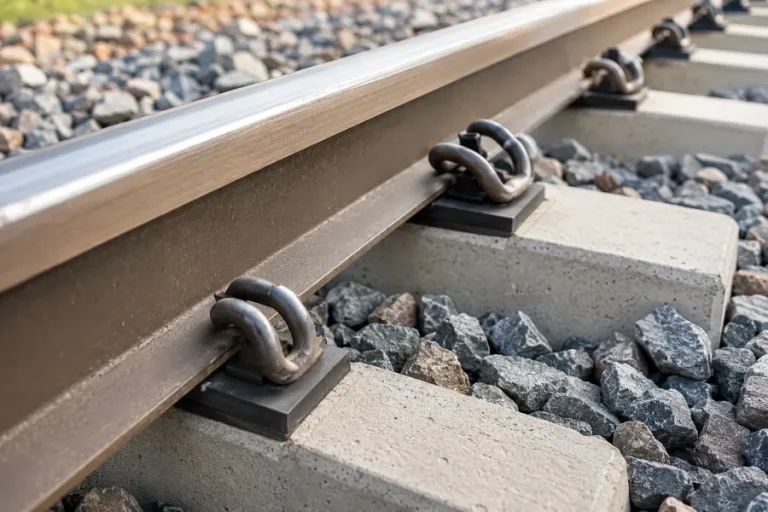
تعتبر لوحة سمكة السكك الحديدية مكونًا واحدًا فقط ضمن مجموعة تثبيت كاملة للسكك الحديدية. في أنظمة المسار المشتركة, تعمل ألواح السمك مع العديد من مكونات المسار الأخرى للحفاظ على محاذاة السكة ونقل أحمال العجلات بأمان عبر هيكل المسار.
تشمل المكونات النموذجية المستخدمة معًا:
يخدم كل مكون غرضًا محددًا. توفر مقاطع السكك الحديدية قوة التثبيت, منصات السكك الحديدية تقلل من الاهتزاز والتأثير, مسامير السمك تؤمن المفصل, ويقوم النائمون بتوزيع الأحمال على الصابورة أو الهيكل الداعم. يعد التفاعل المناسب بين هذه المكونات أمرًا ضروريًا لاستقرار المسار على المدى الطويل.
صفيحة سمك السكك الحديدية عبارة عن شريط فولاذي مزود بفتحات مسامير مثقوبة مسبقًا, مثبتة في أزواج على جانبي وصلة السكك الحديدية. يتم تأمينه بمسامير الأسماك والصواميل, يتم تثبيت طرفي السكة معًا لتشكيل سطح تشغيل مستمر.
تشمل الوظائف الأساسية للوحة الأسماك الحديدية:
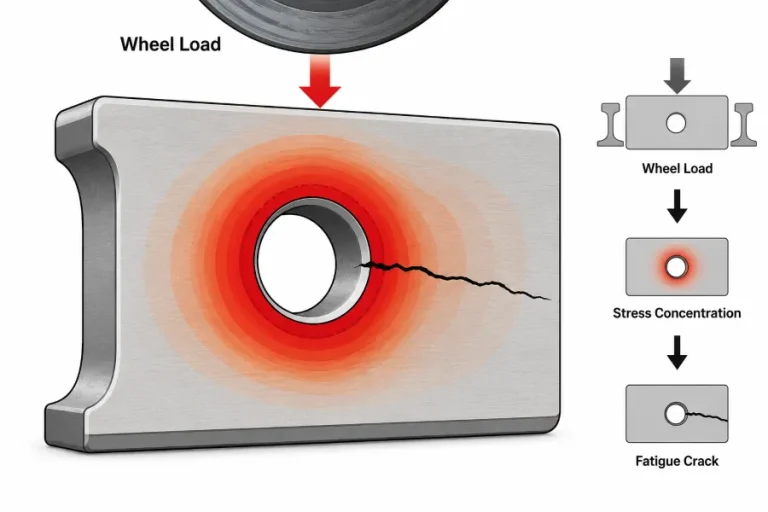
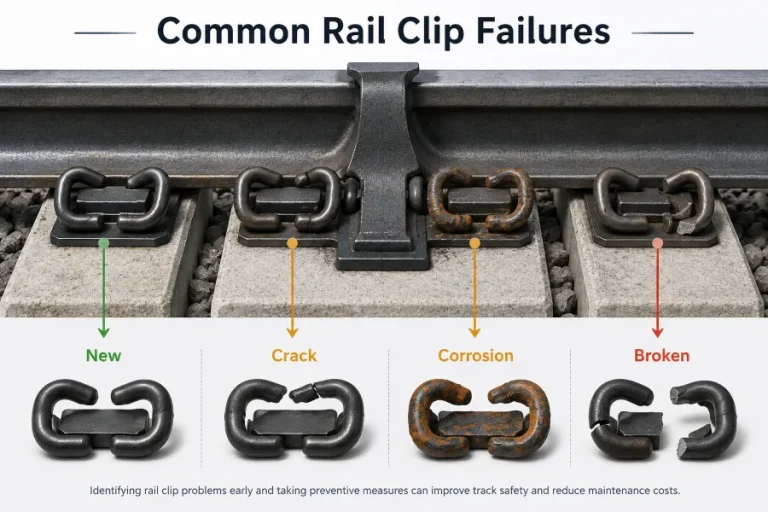
يمكن أن تؤدي لوحة السمك سيئة التحديد أو المصنعة بشكل سيء إلى عجينة نهاية السكة, تخفيف الترباس, ضخ مشترك, تكسير التعب, وفي نهاية المطاف زيادة تكاليف الصيانة.
تقوم شركة Fonyo بتصنيع مجموعة واسعة من ألواح سمك السكك الحديدية القياسية والمخصصة للسكك الحديدية, مترو, صناعي, وتطبيقات السكك الحديدية رافعة.
تشمل الملفات الشخصية الشائعة:
وتستخدم هذه المنتجات على نطاق واسع في مشاريع السكك الحديدية في جميع أنحاء أوروبا, آسيا, أفريقيا, والشرق الأوسط.
تشمل الملفات الشخصية الشائعة في أمريكا الشمالية:
تُستخدم قضبان AREMA المشتركة بشكل شائع في خطوط الشحن الحديدية, توتنهام الصناعية, وشبكات السكك الحديدية للركاب.
لأنظمة السكك الحديدية الصناعية والرافعة, نحن نصنع:
نحن نقدم أيضا:
التصنيع المخصص متاح وفقًا لرسومات العملاء, ملفات تعريف السكك الحديدية, ومواصفات المشروع.
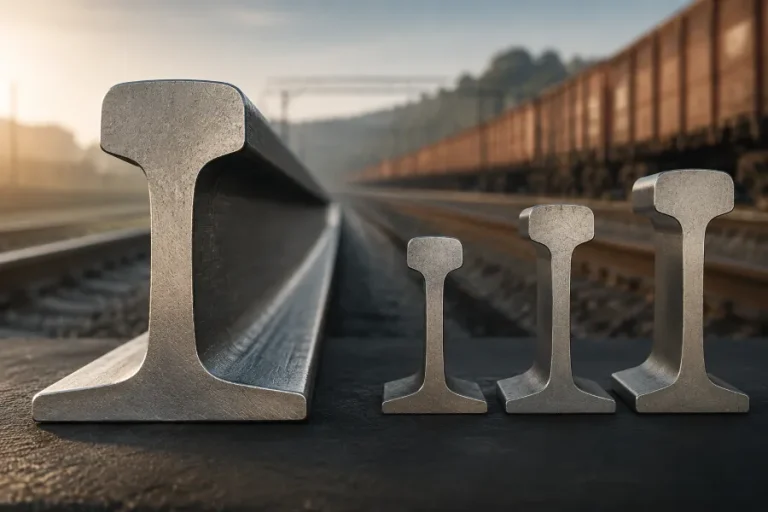
يتم تصنيع ألواح أسماك السكك الحديدية بأبعاد مختلفة اعتمادًا على قسم السكك الحديدية التي تتصل بها. الأنظمة القياسية الثلاثة السائدة هي UIC (الأوروبية), أريما (أمريكا الشمالية), والدين (السكك الحديدية الصناعية). يحدد كل نظام مجموعته الخاصة من ملفات السكك الحديدية وأبعاد شريط المفاصل المقابلة.
الاتحاد الدولي للسكك الحديدية (UIC) يغطي المعيار ملفات السكك الحديدية الأكثر استخدامًا في أوروبا, آسيا, أفريقيا والشرق الأوسط. UIC fish plates are designed to match specific UIC rail sections and comply with UIC 864 performance requirements.
Common UIC fish plate profiles include:
| UIC Rail Profile | Rail Weight (كجم/م) | Typical Application | Fish Plate Section |
| UIC 60 | 60.21 | Mainline, عالية السرعة, لمسافات ثقيلة | UIC 60 |
| UIC 54 | 54.43 | Secondary lines, مترو, السكك الحديدية الخفيفة | UIC 54 |
| UIC 50 | 50.00 | Regional and industrial railways | UIC 50 |
| س 49 | 49.39 | Light-duty sidings, yard tracks | س 49 |
UIC fish plates are typically available in 4-hole and 6-hole configurations, with 6-hole being the standard for mainline applications. They are manufactured from hot-rolled steel with minimum tensile strength of 550-700 MPa depending on the grade specified.
The American Railway Engineering and Maintenance-of-Way Association (أريما) standard governs rail infrastructure in North America. AREMA joint bars are covered under Chapter 4 of the AREMA Manual and are designed for specific AREMA rail sections.
تتضمن ملفات تعريف شريط AREMA المشتركة:
| قسم السكك الحديدية AREMA | Rail Weight (رطل/ياردة) | Typical Application |
| 136 يكرر | 136 | الخط الرئيسي للنقل الثقيل (معيار أمريكا الشمالية) |
| 115 يكرر | 115 | خطوط الشحن والركاب المختلطة |
| 100 يكرر | 100 | خطوط فرعية, توتنهام الصناعية |
| 90 را / 85 مثل | 85-90 | مسارات خفيفة وساحة |
يبلغ طول قضبان وصلات AREMA عادةً 24 بوصة أو 36 بوصة, مع 4 أو 6 فتحات الترباس. عادةً ما تكون متطلبات درجة الفولاذ لكل AREMA هي الدرجة 55 (الحد الأدنى من قوة الخضوع 55 ksi / 380 الآلام والكروب الذهنية) أو أعلى, مع اختبار تأثير شاربي المطلوب لبعض التطبيقات.
| وجه | UIC | أريما |
| وحدة وزن السكك الحديدية | كجم/م | رطل/ياردة |
| المعيار الرئيسي | UIC 864, في 13481 | الفصل أريما 4 |
| الطول النموذجي | 500-800 مم | 24-36 بوصة (610-914 مم) |
| تكوين ثقب الترباس | فتحات مستديرة, 4 أو 6 | فتحات مستديرة أو بيضاوية, 4 أو 6 |
| الأسواق الأولية | أوروبا, آسيا, أفريقيا, الشرق الأوسط | أمريكا الشمالية, أمريكا اللاتينية |
للسكك الحديدية الصناعية, مدارج الرافعات, وأنظمة المسار المتخصصة, تحدد معايير DIN أقسام السكك الحديدية وألواح الأسماك المقابلة. تشمل التطبيقات الشائعة قضبان الرافعة العلوية (سلسلة), قضبان الرافعة الخفيفة (سلسلة كانساس), والسكك الحديدية الألغام.
DIN fish plates are generally lighter than mainline counterparts and may use different bolt patterns. They are specified by the DIN rail profile number — for example, a DIN A 65 fish plate matches an A 65 السكك الحديدية رافعة. These components are often custom-manufactured due to the wide variety of crane rail profiles in service.
Fish plate dimensions vary according to rail profile, rail weight, operating conditions, ومعايير السكك الحديدية المعمول بها.
Typical specifications include:
| Fish Plate Type | Typical Length | Hole Configuration |
| UIC60 | According to UIC standard | 6-فتحة |
| UIC54 | According to UIC standard | 4-فتحة / 6-فتحة |
| UIC50 | According to UIC standard | 4-فتحة |
| 136يكرر | AREMA standard | 4-فتحة / 6-فتحة |
| 115يكرر | AREMA standard | 4-فتحة |
Dimension details should always be verified against the applicable railway standard or project drawings.
For non-standard applications, custom machining and OEM production are available.
Beyond the standard profile-based classification, fish plates are also categorized by their design features and intended use case.
The most common type, designed for general-purpose rail joints on plain line track. Four-hole bars are used on lighter rail sections and secondary lines; six-hole bars provide greater clamping force and are standard for mainline and heavy-haul applications. The additional bolt holes distribute the joint load more evenly and improve resistance to rail-end batter.
Insulated joint bars incorporate a layer of insulating material — typically epoxy-fiberglass composite — between the bar and the rail web. They electrically isolate two track sections for signaling and train detection purposes. The insulation must maintain integrity under cyclic loading, temperature extremes and moisture exposure. Insulated joints are critical components in modern signaling systems and require strict quality control during manufacture.
When two different rail sections need to be joined — for example, transitioning from UIC 60 إلى UIC 54 — a compromise joint bar is used. It has an asymmetric profile: one half matches the heavier rail section and the other half matches the lighter section. Compromise bars are precision-machined to ensure the running surface and gauge face align correctly across the transition.
Joggled fish plates feature an offset or crank in their profile, designed to fit around obstructions at the rail joint. They are commonly used at switch and crossing (س&ج) assemblies, in tight-clearance locations, and where standard fish plates would interfere with adjacent track components. These are typically custom-fabricated items.
The material quality of a fish plate determines its fatigue life, wear resistance and safety margin. Rail fish plates operate under high-cycle fatigue conditions — every wheel pass applies a load cycle at the joint — so material selection is critical.
| Standard System | Typical Steel Grade | Min. قوة الشد (الآلام والكروب الذهنية) | Min. قوة العائد (الآلام والكروب الذهنية) |
| UIC / في | S355J2 / C45 / 55س | 550-700 | 355-420 |
| أريما | درجة 55 / درجة 65 | 517-655 | 380-450 |
| من | St 52-3 / C45 | 520-650 | 355 |
| Special (high-wear) | Heat-treated alloy steel | 800+ | 600+ |
Fish plates may be supplied with the following surface treatments depending on environmental conditions:
Corrosion protection selection should consider the full service environment: رطوبة, salt exposure, chemical exposure (الجوانب الصناعية), and maintenance accessibility.
Material selection directly affects fatigue resistance, wear performance, وخدمة الحياة. Similar material control principles are widely applied to other railway components such as railway wheels, مقاطع السكك الحديدية, المسبوكات البوجي, and fastening system parts.
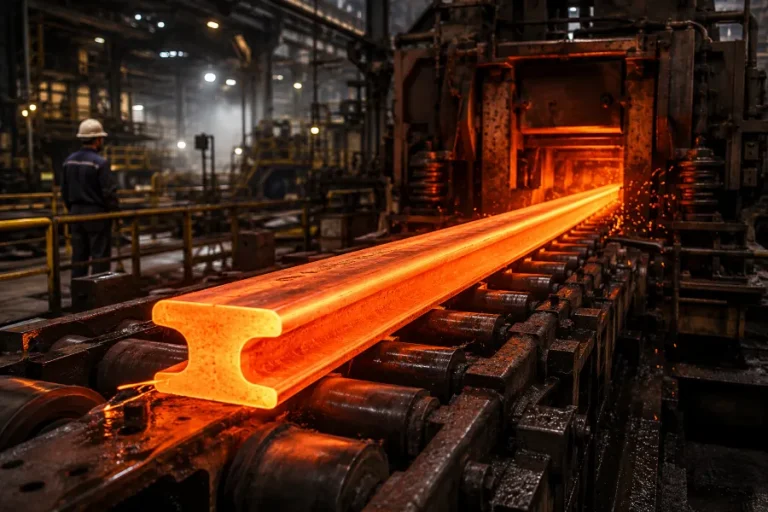
The manufacturing process plays a significant role in determining mechanical performance and dimensional accuracy.
A typical production process includes:
At Fonyo Heavy Industries, every production stage is controlled through documented inspection procedures and full material traceability.
Inspection typically includes:
Third-party inspections such as SGS, بي.في, and TÜV can also be arranged according to project requirements.

Selecting the correct fish plate is important, but selecting the right manufacturer is equally critical.
Key evaluation criteria include:
Manufacturers with experience in railway, مترو, السكك الحديدية الصناعية, and international export projects are generally better equipped to meet project-specific requirements.
The fish plate must match the rail section exactly. Check your rail marking: UIC rails are stamped on the web with the profile designation (على سبيل المثال. “UIC 60”). AREMA rails carry similar markings (على سبيل المثال. “136 يكرر”). If the markings are worn, measure the rail height and head width or consult engineering drawings.
Your project specification will dictate whether UIC, AREMA or DIN standards apply. This is typically driven by geography — European-funded projects specify UIC/EN, North American projects specify AREMA — but may also be determined by the railway operator’s internal standards or the engineering consultant’s design basis.
Key factors to evaluate:
Match the fish plate bolt hole pattern to your fish bolt specification. The most common configurations are:
Bolt hole diameter must correspond to the fish bolt diameter. Common sizes: M22, م24, M27 for UIC systems; 7/8″, 1″ for AREMA systems.
Confirm that the manufacturer provides:
They are the same component. “طبق السمك” is the term used in British and international English; “joint bar” is the North American (أريما) term. Both refer to the steel bars used to connect two rail ends at a joint.
لا. UIC and AREMA rail sections have different profiles, and their fish plates are not interchangeable. Using the wrong standard will result in poor contact at the rail web and fishing angles, leading to accelerated wear and potential failure.
Two — one on each side of the rail web. A standard rail joint uses a pair of fish plates (one left, one right) secured by fish bolts.
Torque values depend on bolt size and grade. For M24 Grade 8.8 مسامير السمك, typical torque is 250-350 نانومتر. For 1″ AREMA bolts, 400-600 ft-lbs is common. Always follow the project specification or manufacturer’s recommendation.
نعم. Fish plates are supplied and installed in matched pairs — the left and right bars are mirror images. Ordering is typically by the pair or by the set (pair + البراغي).
Check the rail marking on the web, or measure the rail profile. Our engineering team can assist with profile identification from rail dimensions or photographs. CAD drawings are available for verification.
Six-hole fish plates provide more clamping force and better load distribution. They are commonly used on mainline and heavy-haul railways. Four-hole fish plates are typically used on lighter rail sections and secondary tracks.
نعم. Custom fish plates can be produced according to customer drawings, rail profile measurements, or project specifications. Engineering review and drawing verification are typically provided before production.
Luoyang Fonyo Heavy Industries manufactures UIC, أريما, من, السكك الحديدية رافعة, and custom rail fish plates for railway infrastructure projects worldwide.
Our engineering team can assist with:
In addition to fish plates, we also supply مسامير السمك, مقاطع السكك الحديدية, منصات السكك الحديدية, عوارض السكك الحديدية, and other railway track components.
Contact us today for technical support, engineering consultation, and quotations.