Bizimle iletişime geçmek için WeChat kodunu tarayın
Bizimle iletişime geçmek için WeChat kodunu tarayın
Bize e-posta göndermekten çekinmeyin; size en kısa sürede cevap vereceğiz.
Geleceği kalp ve ruhla yaratmak


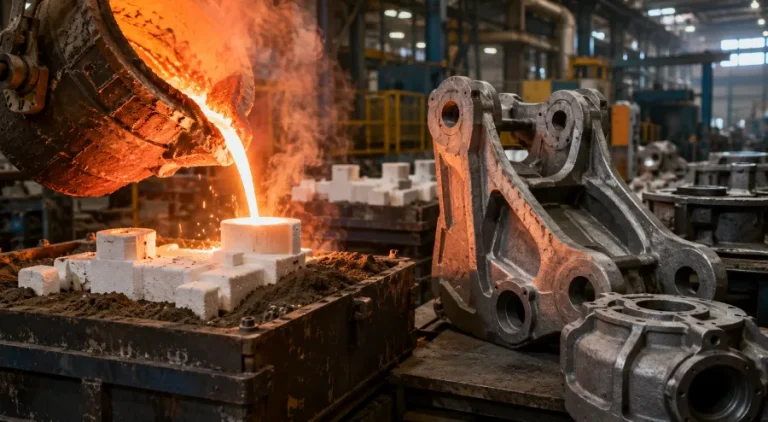
In the field of global demiryolu ekipmanı manufacturing, the standards set by the American Association of Railroads (AAR) are regarded as the industry’s “gold standard”. Aralarında, AAR M-210, as the core specification for casting quality certification, directly affects whether the product can enter the North American and international high-end railway market. For Chinese manufacturing companies, passing this certification is not only a proof of technical strength, but also a “stepping stone” to open up overseas markets. This article will interpret the core requirements of AAR M-210 certification in an easy-to-understand way and provide practical suggestions for companies.
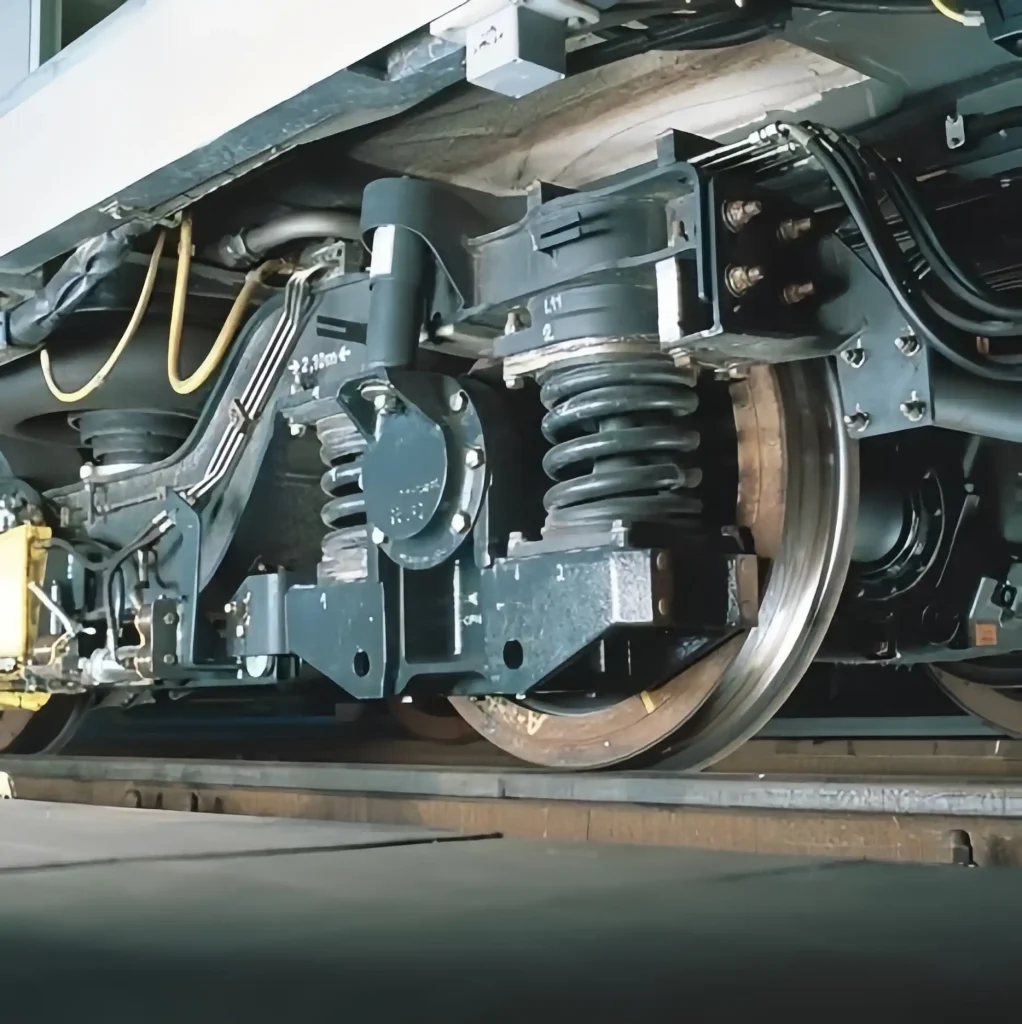
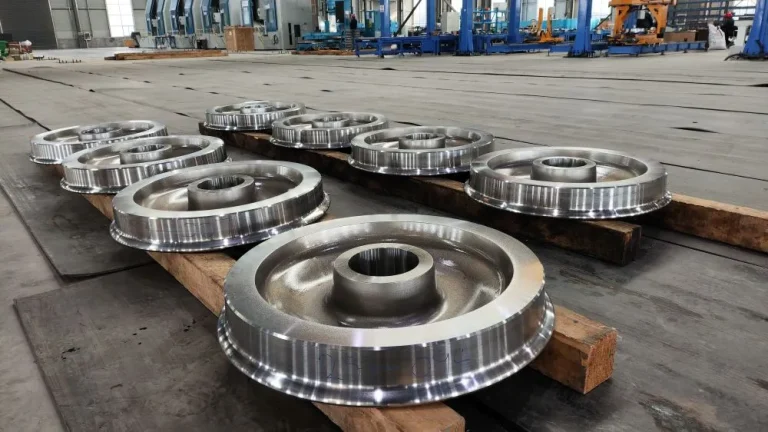
The full name of the AAR M-210 standard is “Railway Casting Quality Specification”, which covers the entire process quality control from raw materials to finished products, and is applicable to the casting production of key components such as trucks, binek otomobiller, and locomotives. Its core goal is to ensure the reliability and safety of castings under extreme working conditions (such as heavy loads, high speeds, and vibrations) through strict material properties, manufacturing processes, and testing requirements.
The North American railway market accounts for nearly 40% of the global railway freight, and has extremely high requirements for supply chain security. Castings that have not passed the AAR M-210 certification may be rejected due to “non-compliance with standards” even if the technology meets the standards. Ek olarak, this certification is also widely recognized in railway powers such as Australia and Brazil, becoming an “invisible threshold” for companies to expand their overseas business.
Chemical composition and mechanical properties: Casting materials must comply with the grades specified by AAR (such as ASTM A148, A216, vesaire.), and verify strength, toughness and other indicators through tensile tests and impact tests.
Restrictions on banned substances: strictly control the content of harmful substances such as lead and mercury to avoid environmental pollution risks.
Case: A company failed to detect excessive sulfur content in the material, resulting in the rejection of the entire batch of castings in the certification, delaying the delivery cycle.
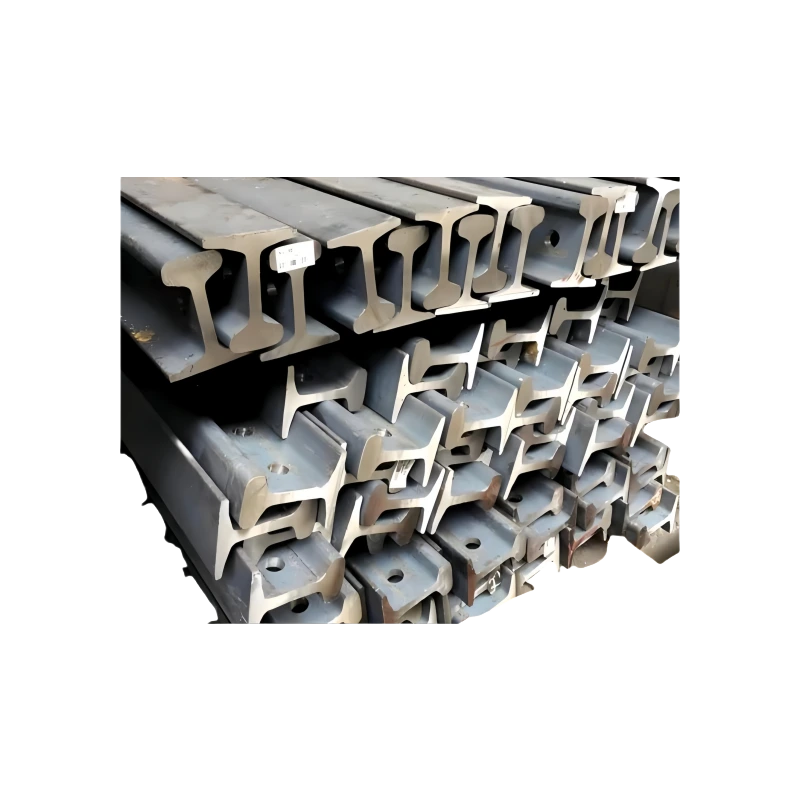
Smelting and pouring: parameters such as melting temperature and deoxidation process need to be recorded to ensure the purity of the molten metal; the pouring system design needs to avoid defects such as shrinkage and pores.
Heat treatment control: Quenching, tempering and other processes must strictly follow the time-temperature curve, and the material properties must be verified through metallographic structure analysis.
Key points: process documents must be traceable, and any parameter deviations must provide a reasonable explanation.
Nondestructive testing: Use “fire eyes and golden eyes” to troubleshoot hidden dangers
Ultrasonik test (UT): Detect internal defects of castings (such as cracks and inclusions), and the sensitivity must reach the level specified by AAR.
Manyetik parçacık testi (MT): Targets surface defects such as cold shuts and folds.
Penetrating testing (PT): Applicable to surface inspection of non-magnetic material castings.
Misunderstanding: Some companies only rely on visual inspection and ignore internal defects, resulting in certification failure.
Castings must comply with the tolerance range marked on the three-dimensional model or drawing, especially for key mating surfaces (such as bearing seats and connection holes).
Tool recommendation: Use a three-coordinate measuring machine (CMM) for full-size inspection and retain the original data.
A third-party agency is commissioned to conduct a simulation audit to identify the weak points of materials, processes or testing links in advance.
By passing the AAR M-210 certification, the company obtains not only a certificate, but also a comprehensive upgrade of its own quality management system. In the wave of transformation from “Çin yapımı” ile “Smart Manufacturing in China”, only by taking international standards as a benchmark can we win long-term competitiveness in the global railway market.
Luoyang Fonyo Ağır Sanayi A.Ş., Ltd.,1998 yılında kurulmuş olup, döküm demiryolu parçaları üreticisidir. Fabrikamız 72.600㎡'lik bir alanı kaplamaktadır., fazlasıyla 300 çalışanlar, 32 teknisyenler, içermek 5 kıdemli mühendisler, 11 yardımcı mühendisler, Ve 16 teknisyenler.Üretim kapasitemiz 30,000 ton/yıl. Şu anda, ağırlıklı olarak döküm üretiyoruz, işleme, ve lokomotif için montaj,vagon,yüksek hızlı trenler, madencilik ekipmanları,rüzgar enerjisi,vb. Ürünlerimiz Rusya'ya ihraç edilmiştir., Amerika Birleşik Devletleri, Almanya, Arjantin, Japonya, Fransa, Güney Afrika,İtalya ve diğer ülkeler.
Temas etmek: Stella Liu
E-posta:satış@railwaypart.com
Mobil:+8615515351287