Bizimle iletişime geçmek için WeChat kodunu tarayın
Bizimle iletişime geçmek için WeChat kodunu tarayın
Bize e-posta göndermekten çekinmeyin; size en kısa sürede cevap vereceğiz.
Geleceği kalp ve ruhla yaratmak


Her emniyetli ve güvenilir tren operasyonunun arkasında, binlerce bileşen düzgün hareket sağlamak için birlikte çalışır. Aralarında, the tren bağlantı elemanı demiryolunun en önemli ancak çoğunlukla gözden kaçırılan bileşenlerinden biridir.
Lokomotifler arasında yer alan, vagonlar, ve yolcu vagonları, araçların bağlanmasından bir demiryolu bağlantı elemanı sorumludur, Muazzam çekme ve itme kuvvetlerinin aktarılması, tren işletmesi sırasında oluşan etkinin azaltılması. Her ne kadar yapısı dışarıdan basit görünse de, modern bir tren bağlantı elemanı, hizmet ömrü boyunca milyonlarca yük döngüsüne dayanması gereken yüksek düzeyde tasarlanmış bir bileşendir.
Binlerce ton malzeme taşıyan ağır yük trenlerinden yüksek hızlı yolcu trenlerine ve şehir içi metro sistemlerine kadar, farklı demiryolu uygulamaları farklı bağlantı elemanları tasarımları gerektirir. Tren bağlantı elemanlarının nasıl çalıştığını ve nasıl üretildiklerini anlamak, demiryolu operatörlerinin ve mühendislerinin güvenliği daha iyi değerlendirmelerine yardımcı olur, güvenilirlik, ve bakım gereksinimleri.
Bu makalede temel işlevler açıklanmaktadır, yaygın türler, anahtar bileşenler, üretim süreci, ve modern demiryolu bağlantı elemanlarının uygulamaları.
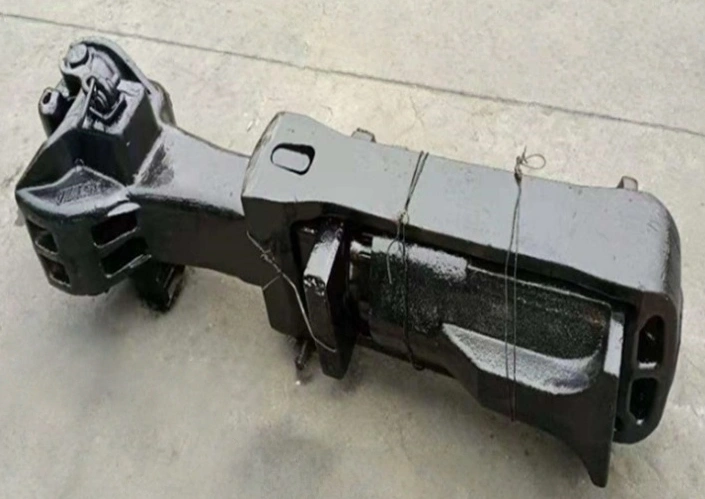
A tren bağlantı elemanı, olarak da bilinir demiryolu bağlantı elemanı, iki demiryolu aracını birbirine bağlamak için kullanılan mekanik bir cihazdır. Lokomotiflerin ve vagonların veya yolcu vagonlarının eksiksiz bir tren ünitesi olarak çalışmasına olanak tanır.
İlk bakışta, bir kuplör yalnızca çelik bir bağlantı cihazı gibi görünüyor. Fakat, asıl rolü çok daha karmaşık. Tren operasyonu sırasında, lokomotifin çekiş kuvvetlerini arkasındaki her araca aktarması gerekir. Fren yaparken, bağlı araçlar arasında oluşan sıkıştırma kuvvetlerine dayanmalıdır. Aynı zamanda, çalıştırmadan kaynaklanan şokları absorbe etmesi gerekiyor, Durmak, kaplin, ve pist koşullarındaki değişiklikler.
Because of these demanding working conditions, railway couplers require excellent strength, yorulma direnci, ve darbe dayanıklılığı. A failure of a coupler can affect the safety and efficiency of the entire train operation, which is why railway manufacturers and operators apply strict standards for design, malzeme seçimi, ve muayene.
The working principle of a train coupler is based on a secure mechanical connection combined with controlled energy absorption.
When two railway vehicles move close to each other, an automatic coupler can lock the two vehicles together without manual operation. The locking mechanism inside the coupler head ensures that the connection remains secure during operation.
Once connected, the coupler transfers longitudinal forces through the train. During acceleration, the locomotive pulls the following vehicles through the coupler system. During braking or downhill operation, the direction of the force changes, and the coupler must withstand compressive loads from the vehicles behind.
Behind the coupler is usually a draft gear system, which plays an important role in reducing impact. Instead of allowing sudden forces to directly transfer to the vehicle frame, the draft gear absorbs and dissipates part of the energy, improving ride stability and reducing wear on railway vehicles.
This combination of mechanical locking and energy absorption allows trains to operate safely under different conditions, including heavy freight transportation, passenger service, and industrial railway operations.
The primary purpose of a railway coupler is connection, but its responsibilities extend far beyond simply joining two vehicles.
A reliable train coupler must maintain a secure connection under continuous changes in load. Freight trains, especially heavy-haul trains, experience extremely high tensile and compression forces during daily operation. The coupler must transfer these forces while maintaining structural integrity over millions of operating cycles.
Another important function is impact management. When a train starts moving, stops suddenly, or passes through uneven track sections, vehicles may move slightly relative to each other. The coupler and draft gear system work together to control these movements and reduce excessive shocks.
Modern automatic couplers may also integrate additional systems such as brake pipe connections, electrical connections, and communication interfaces. This allows multiple railway vehicles to operate as one coordinated system.
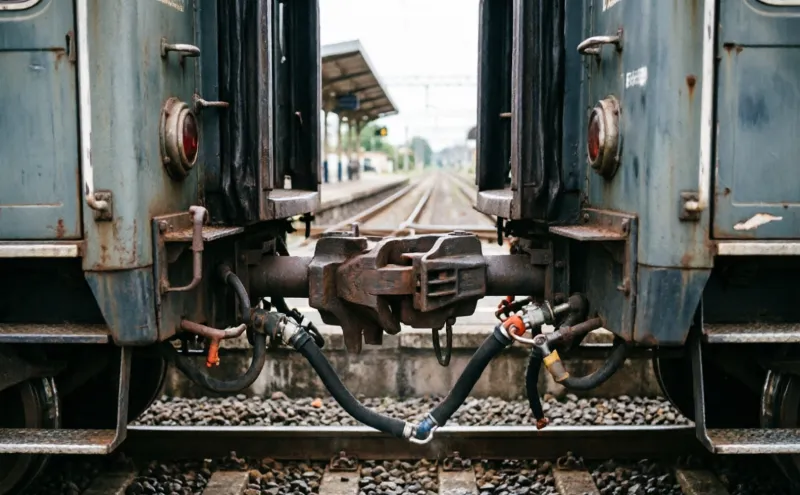
Railway systems around the world use different types of train couplers depending on operating requirements, vehicle design, ve bölgesel standartlar.
The Janney coupler, also called the AAR knuckle coupler, is one of the most widely used automatic couplers in freight railway systems, especially in North America.
Its design uses a rotating knuckle mechanism that automatically locks when two vehicles come together. This design eliminates the need for workers to manually connect vehicles, operasyonel verimliliği ve güvenliği önemli ölçüde artırır.
Because of its high load capacity and durability, the Janney coupler is commonly used on freight wagons carrying heavy commodities such as coal, minerals, and bulk materials.
The SA3 automatic coupler is widely used in Russia and other railway networks based on similar standards. It was developed for heavy freight applications where high pulling capacity and reliable operation are essential.
Compared with many conventional couplers, SA3 couplers are designed to handle large longitudinal forces, making them suitable for long freight trains and demanding operating environments.
The Scharfenberg coupler is mainly used in passenger trains, metro sistemleri, and multiple-unit trains.
Unlike traditional freight couplers, it integrates mechanical connection, electrical connection, and pneumatic systems into one compact unit. This allows rapid automatic coupling and improves the efficiency of passenger train operations.
Yüksek hızlı trenler ve modern şehir içi raylı taşıtlar, hızlı çalışması ve mükemmel hizalama performansı nedeniyle sıklıkla bu tür otomatik kaplini kullanır..
Sıkı kilitli kaplinler, araçlar arasındaki hareketin azaltılmasının önemli olduğu uygulamalar için tasarlanmıştır.
Daha iyi stabilite sağladıkları için yolcu vagonlarında yaygın olarak kullanılırlar., uzunlamasına hareketi azaltın, ve çalışma sırasında yolcu konforunu artırın.
Döner kaplinler, madencilik ve dökme malzeme taşımacılığı gibi endüstriyel demiryolu uygulamaları için özel olarak tasarlanmıştır..
Benzersiz tasarımları, trene bağlı kalarak demiryolu vagonlarının boşaltma sırasında dönmesine olanak tanır. Bu, büyük miktarlarda malzemenin sürekli taşınması ve boşaltılması gereken operasyonlarda verimliliği artırır.
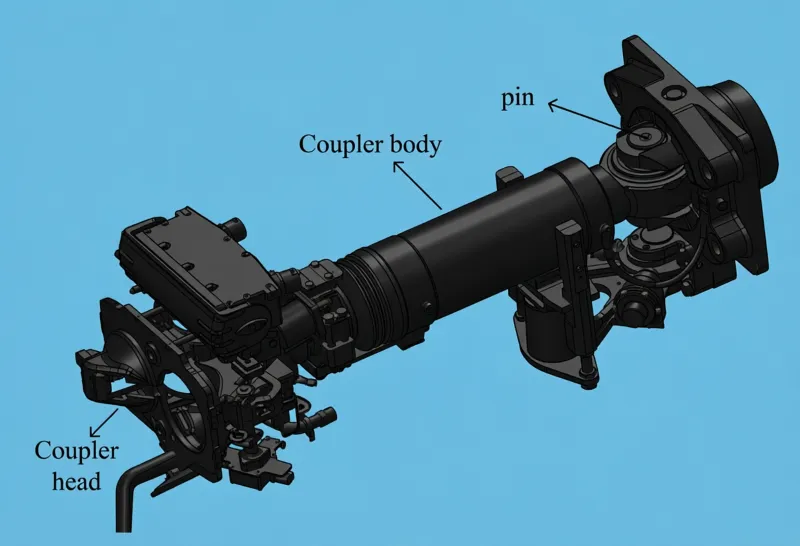
Although train couplers have different designs depending on their applications, most modern railway coupler systems consist of several key components that work together to achieve safe connection and force transmission.
The coupler head is the front part of the system that directly connects with another vehicle. In automatic couplers, the head contains the locking mechanism that allows two vehicles to connect securely without manual operation. The design of the coupler head directly affects connection reliability and load-bearing performance.
Behind the coupler head is the coupler shank, which transfers forces from the coupler head to the vehicle structure. Tren operasyonu sırasında, the shank experiences repeated tensile and compressive loads, so it requires excellent mechanical strength and fatigue resistance.
The kilitleme mekanizması kuplörün diğer bir kritik parçasıdır. Hızlanma sırasında bağlantının güvenli kalmasını sağlar, frenleme, ve titreşim. Güvenilir bir kilitleme sistemi kazara ayrılmayı önler ve demiryolu güvenliği için gereklidir.
The draft gear system Bağlayıcının arkasına monte edilir ve darbe enerjisinin emilmesinden sorumludur. Bir tren başladığında, durur, veya hızı değiştirir, çekme dişlisi ani kuvvet aktarımını azaltır ve hem kaplini hem de araç gövdesini aşırı gerilimden korur.
The kuplör boyunduruğu ve montaj bileşenleri kuplör sistemini demiryolu aracı şasisine bağlayın. Bu parçalar doğru hizalamayı korumalı ve uzun vadeli operasyonel yüklere dayanmalıdır.
Her bileşen farklı bir işlevi yerine getirse de, tam bir sistem olarak çalışırlar. Bir tren bağlantı elemanının performansı yalnızca tek tek parçalara değil aynı zamanda montajın doğruluğuna da bağlıdır, malzeme kalitesi, ve üretim kontrolü.
Tren kuplörleri son derece zorlu koşullar altında çalışır. Tekrarlanan darbelere dayanmaları gerekir, yüksek çekme yükleri, sıkıştırma kuvvetleri, ve çevresel maruziyet. Öyleyse, Malzeme seçimi servis ömrünün ve güvenilirliğin belirlenmesinde önemli bir rol oynar.
Ağır hizmet tipi demiryolu bağlantı elemanlarının çoğu, yüksek mukavemetli çelik veya alaşımlı çelik kullanılarak üretilir. Bu malzemeler dayanıklılık arasında iyi bir denge sağlar., dayanıklılık, aşınma direnci, ve yorulma performansı.
Büyük demiryolu dökümleri için, Dökme çelik, üreticilerin yüksek yapısal mukavemeti korurken karmaşık şekiller üretmesine olanak tanıdığı için yaygın olarak seçilmektedir.. Dökümden sonra, normalleştirme gibi ısıl işlem süreçleri, söndürme, or tempering are often applied to improve mechanical properties and achieve the required toughness.
In some applications where extremely high strength and impact resistance are required, forged steel components may also be used. The choice between casting and forging depends on the coupler design, yükleme koşulları, production requirements, ve geçerli demiryolu standartları.
Regardless of the manufacturing method, the final component must achieve consistent mechanical properties throughout the entire structure. İç kusurlar, poor heat treatment, or improper material selection can significantly reduce the service life of a railway coupler.
The manufacturing process of a train coupler requires precise control from raw material preparation to final inspection.
For cast steel railway couplers, production usually begins with steel melting and chemical composition control. The molten steel is carefully prepared to achieve the required strength and toughness. Dökümden sonra, the coupler body undergoes cleaning and heat treatment to improve its internal structure and mechanical performance.
Machining is then carried out on critical areas where dimensional accuracy is important, such as connection surfaces, mounting holes, and locking components. Even small dimensional deviations can affect coupling performance, so machining accuracy is carefully controlled.
After machining, each coupler must go through strict inspection procedures. Müşteri gereksinimlerine ve demiryolu standartlarına bağlı olarak, inspections may include ultrasonic testing, manyetik parçacık testi, boyutlu ölçüm, sertlik testi, ve mekanik özellik doğrulaması.
A typical manufacturing process can be summarized as:
Steel preparation → Casting or forging → Heat treatment → Machining → Non-destructive testing → Final inspection
Fakat, producing a reliable train coupler is not only about completing these steps. The real challenge is maintaining consistent quality throughout every production stage.
Because train couplers are safety-critical components, railway operators require strict quality control before they are put into service.
Visual inspection is normally the first step, where engineers check the surface condition, machining quality, and possible external defects.
Non-destructive testing methods are widely used to identify internal or surface defects that cannot be seen with the naked eye. Ultrasonic testing helps detect internal discontinuities, while magnetic particle testing is commonly used to identify surface cracks in steel components.
Dimensional inspection is also essential because the coupler must accurately match the corresponding vehicle connection system. Incorrect dimensions may lead to poor coupling performance, aşırı aşınma, or operational problems.
In addition to manufacturing inspection, railway operators usually perform regular maintenance inspections during service. Wear of locking areas, çatlaklar, deformasyon, and abnormal movement are common items checked during maintenance.
A well-designed inspection program helps prevent unexpected failures and extends the service life of railway couplers.
Train couplers are used across almost every type of railway vehicle, but different applications require different designs.
İçinde freight railways, kuplörler must withstand extremely high loads because freight wagons often carry heavy materials over long distances. Heavy-haul railways transporting minerals, coal, and bulk goods place some of the highest demands on coupler strength and durability.
İçinde passenger railway systems, couplers focus more on operational comfort, emniyet, and quick connection. Modern passenger trains often use automatic couplers that integrate mechanical, electrical, and pneumatic connections.
İçin metro and urban rail systems, compact automatic couplers allow rapid train formation and efficient daily operation. These systems are designed for frequent coupling cycles and high passenger service requirements.
Endüstriyel demiryolları, including mining and factory transportation systems, may require specialized coupler designs such as rotary couplers to meet specific loading and unloading requirements.
Güvenilir Bir Demiryolu Bağlantı Elemanı Üreticisi Nasıl Seçilir?
Doğru demiryolu bağlantı elemanı tedarikçisini seçmek, ürün boyutlarını veya fiyatını kontrol etmekten daha fazlasını gerektirir. Çünkü kuplörler demiryolu güvenliğini doğrudan etkiler, Üreticilerin malzeme kontrolünde güçlü yeteneklere sahip olması gerekir, üretim teknolojisi, ve kalite güvencesi.
Güvenilir bir üretici demiryolu işletme koşullarını anlamalı ve farklı uluslararası standartları ve müşteri gereksinimlerini karşılayan ürünler sunabilmelidir..
Üretim deneyimi özellikle karmaşık demiryolu bileşenleri için önemlidir. Çelik döküm konusunda tecrübeli firmalar, ısıl işlem, işleme, ve denetim, üretimin başlangıcından itibaren ürün kalitesini kontrol etmek için daha iyi konumlandırılmıştır.
Ek olarak, advanced testing equipment and complete traceability systems help ensure that every component can be reliably verified throughout its service life.
Luoyang Fonyo Ağır Sanayi A.Ş., Ltd.. is a professional manufacturer specializing in demiryolu bileşenleri, demiryolu boji parçaları Ve demiryolu tekerlekleri. Kuruluş yılı 1998, the company has more than two decades of experience in steel casting, işleme, ısıl işlem, and assembly for railway applications.
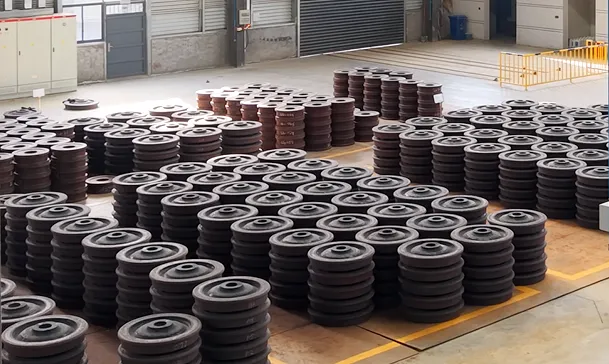
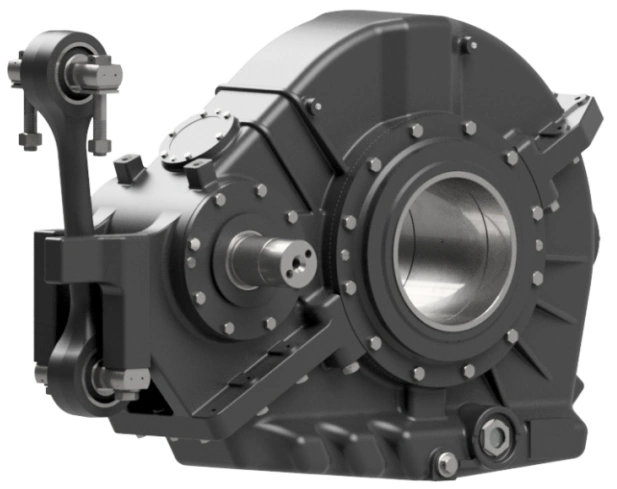
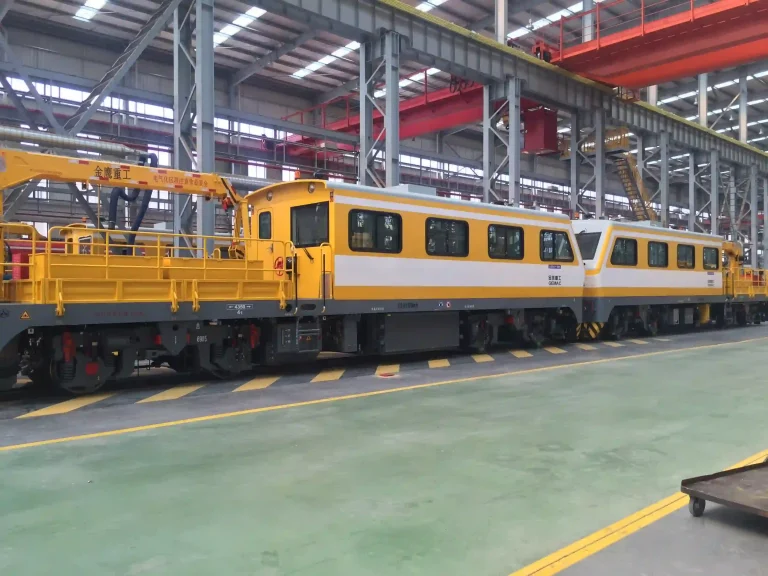
With a factory area of 72,600㎡ and an annual casting production capacity of 30,000 ton, FONYO provides reliable railway components for locomotives, yük vagonları, yolcu trenleri, ve endüstriyel demiryolu sistemleri. The company’s product range covers demiryolu tekerlekleri, demiryolu boji bileşenleri, aks kutusu muhafazaları, şanzıman gövdeleri, and other critical railway structural parts used in demanding operating environments.
Through advanced manufacturing capabilities and strict quality control, döküm dahil, ısıl işlem, hassas işleme, ultrasonik test, manyetik parçacık testi, ve boyutsal muayene, FONYO ensures that every component meets the required standards for strength, dayanıklılık, and long-term service performance.
With extensive experience in railway manufacturing, FONYO continues to provide customized railway component solutions for global customers seeking reliable quality, advanced production capability, and long-term cooperation.