Bizimle iletişime geçmek için WeChat kodunu tarayın
Bizimle iletişime geçmek için WeChat kodunu tarayın
Bize e-posta göndermekten çekinmeyin; size en kısa sürede cevap vereceğiz.
Geleceği kalp ve ruhla yaratmak


In many industrial fields, such as machinery manufacturing, locomotive tracks, aerospace, vesaire., cast iron parts are basic components, and their quality is directly related to the performance and safety of the entire product. Ultrasonic flaw detection technology, like a keen “quality detective”, escorts the quality inspection of cast iron parts.
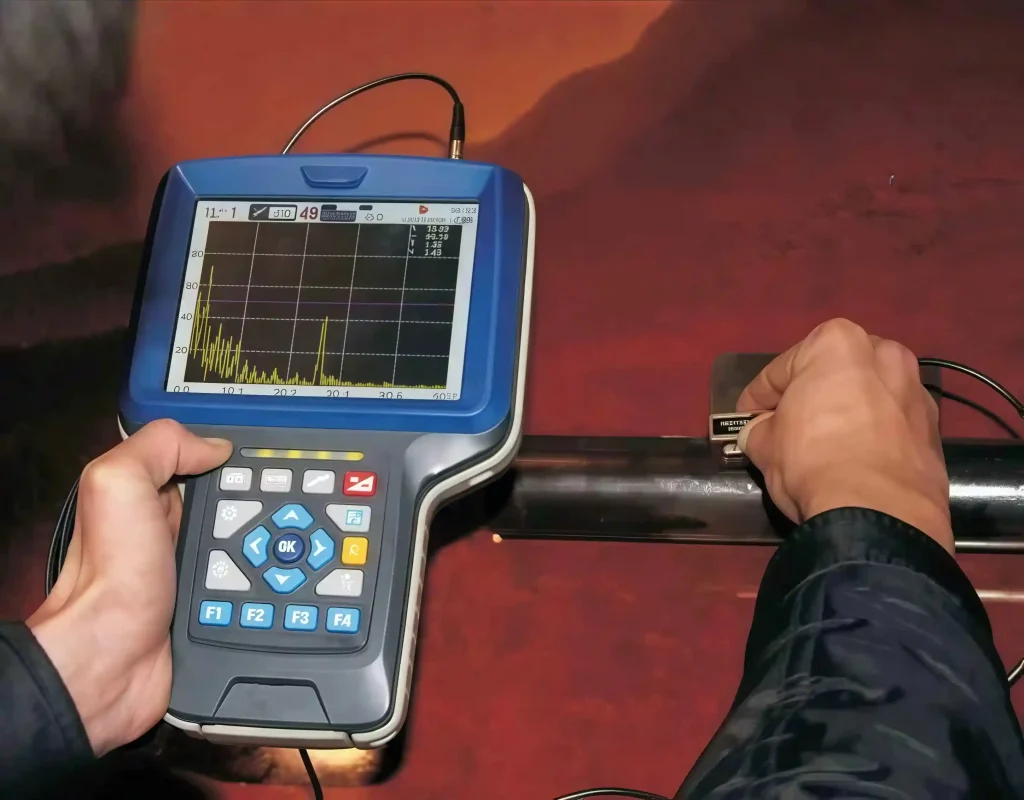
The Secret of Ultrasonic Flaw Detection Principle
Ultrasonic waves are sound waves with a frequency higher than 20,000 Hz.. They have the characteristics of good directionality and strong penetration. Dökme demir parçaların kusur tespitinde, the flaw detector generates high-frequency electrical pulses to stimulate the probe to emit ultrasonic waves. These ultrasonic waves are shot into the interior of the cast iron parts at a specific angle. When encountering the interface of different media, gözenekler gibi, cüruf kalıntıları, cracks and other defects, reflection, refraction and waveform conversion will occur. The reflected ultrasonic waves are received by the probe and converted into electrical signals. Kusur dedektörü tarafından işlendikten sonra, they are displayed in the form of waveforms or images. By analyzing the characteristics of these signals, flaw detectors can determine whether there are defects inside the cast iron parts and the location, size and nature of the defects.
Full analysis of the flaw detection process
When conducting ultrasonic flaw detection on cast iron parts, first of all, the appropriate probe and flaw detection frequency should be selected according to the material, şekil, size and flaw detection requirements of the cast iron parts. Örneğin, for cast iron parts with rough surfaces, a probe with a lower frequency and a larger chip size should be selected to ensure that the ultrasonic wave can be effectively coupled into the workpiece.
Next is surface preparation. The oil, rust, vesaire., on the flaw detection surface of the cast iron parts should be cleaned and polished if necessary to ensure good contact between the probe and the workpiece surface. During flaw detection, the probe moves on the surface of the workpiece in a certain way. Common ones include zigzag scanning, front and back scanning, vesaire., to cover the flaw detection area fully. The flaw detector needs to pay close attention to the display of the flaw detector. Anormal bir sinyal bulunduğunda, konumu, genlik ve diğer bilgiler ayrıntılı olarak kaydedilmelidir, and a comprehensive judgment should be made based on the actual situation of the cast iron parts.
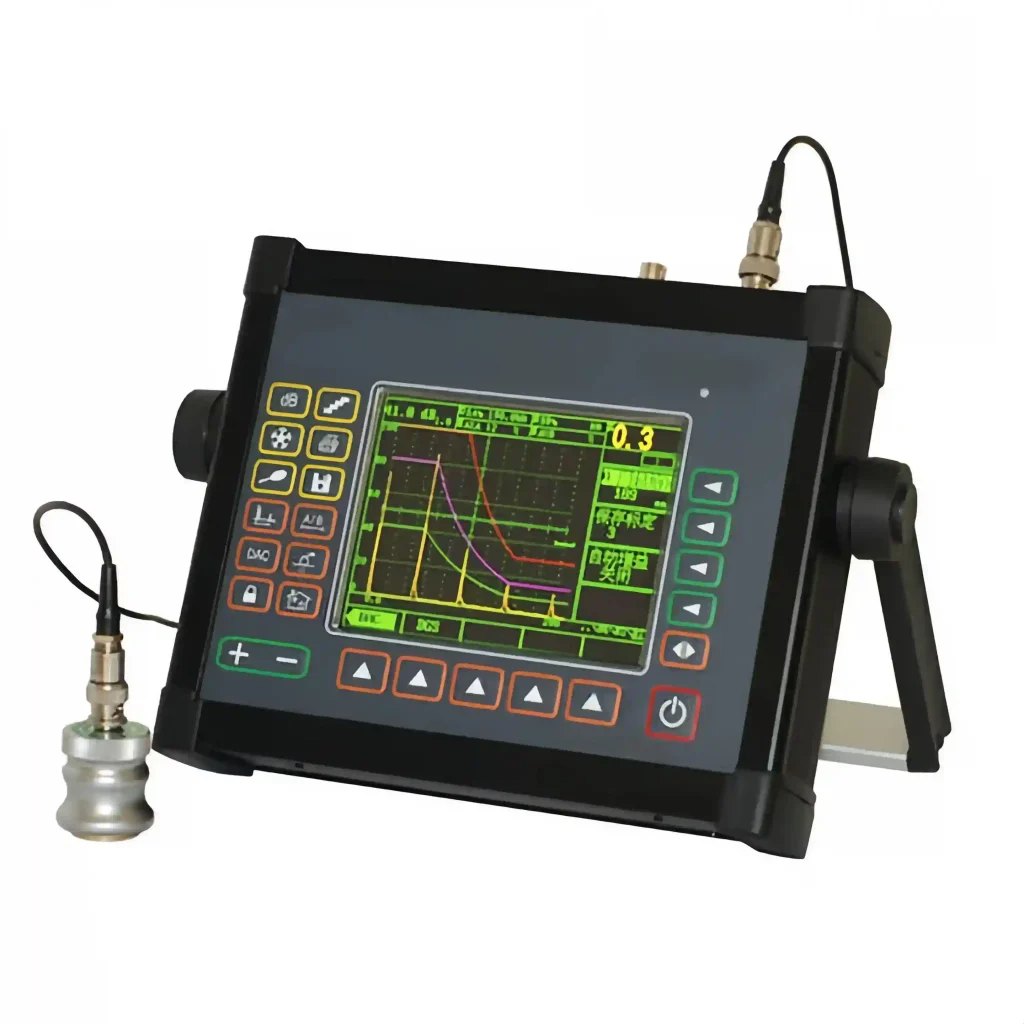
Advantages and challenges of technology
Ultrasonic flaw detection technology has many advantages. It has high sensitivity to detect internal defects of cast iron parts and can detect tiny pores and cracks; it has a fast detection speed and is suitable for quality inspection in large-scale production; İnsan vücuduna zararsızdır ve çeşitli ortamlarda güvenle çalıştırılabilir.. Fakat, the technology also faces some challenges. Dökme demir parçaların yapısı dengesiz, and the ultrasonic wave attenuates greatly when propagating in them, which will affect the detection depth and sensitivity; cast iron parts with complex shapes, such as those with curved surfaces or special-shaped structures, will bring difficulties to the movement of the probe and the location of defects.
With the continuous advancement of science and technology, ultrasonic flaw detection technology is also developing continuously. Digital and intelligent flaw detection equipment continues to emerge, improving the accuracy and efficiency of detection. Gelecekte, ultrasonik kusur tespit teknolojisi, dökme demir parçaların kalitesinin sağlanmasında ve endüstriyel gelişmenin desteklenmesinde daha önemli bir rol oynayacaktır, and will become an indispensable quality guardian in the industrial field.
Tedarikçi
Luoyang Fonyo Ağır Sanayi A.Ş., Ltd.,1998 yılında kurulmuş olup, döküm demiryolu parçaları üreticisidir. Fabrikamız 72.600㎡'lik bir alanı kaplamaktadır., fazlasıyla 300 çalışanlar, 32 teknisyenler, içermek 5 kıdemli mühendisler, 11 yardımcı mühendisler, Ve 16 teknisyenler.Üretim kapasitemiz 30,000 ton/yıl. Şu anda, ağırlıklı olarak döküm üretiyoruz, işleme, ve lokomotif için montaj,vagon,yüksek hızlı trenler, madencilik ekipmanları,rüzgar enerjisi,vb. Ürünlerimiz Rusya'ya ihraç edilmiştir., Amerika Birleşik Devletleri, Almanya, Arjantin, Japonya, Fransa, Güney Afrika,İtalya ve diğer ülkeler.
Temas etmek: Stella Liu
E-posta:satış@railwaypart.com
Mobil:+8615515351287