Отсканируйте код WeChat, чтобы связаться с нами.
Отсканируйте код WeChat, чтобы связаться с нами.
Не стесняйтесь, отправьте нам электронное письмо, и мы ответим вам как можно скорее.
Создаем будущее сердцем и душой


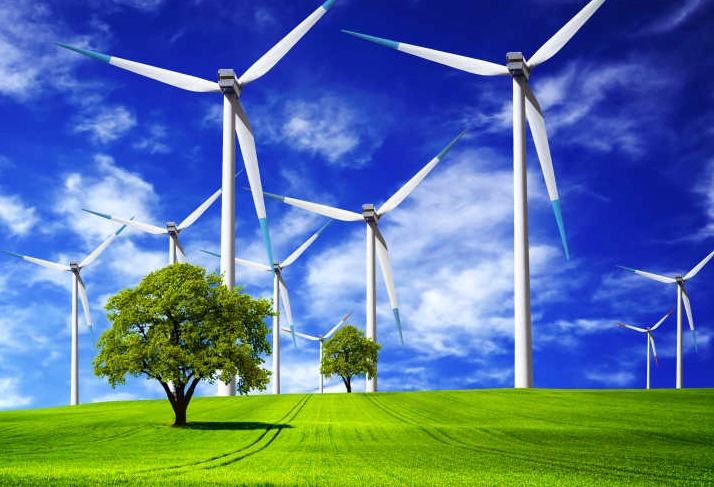
When people talk about casting, images of billowing smoke, molten iron, and dust-filled air may come to mind. This is the stereotypical impression left by traditional casting. Однако, in our factory, we are committed to breaking this stereotype. We firmly believe that providing strength for solid railway parts should not come at the expense of the environment. “Green casting” is not just an empty slogan for us; it is a practice and commitment integrated into every day and every process.
Так, how do we incorporate “green” into this fiery steel industry?
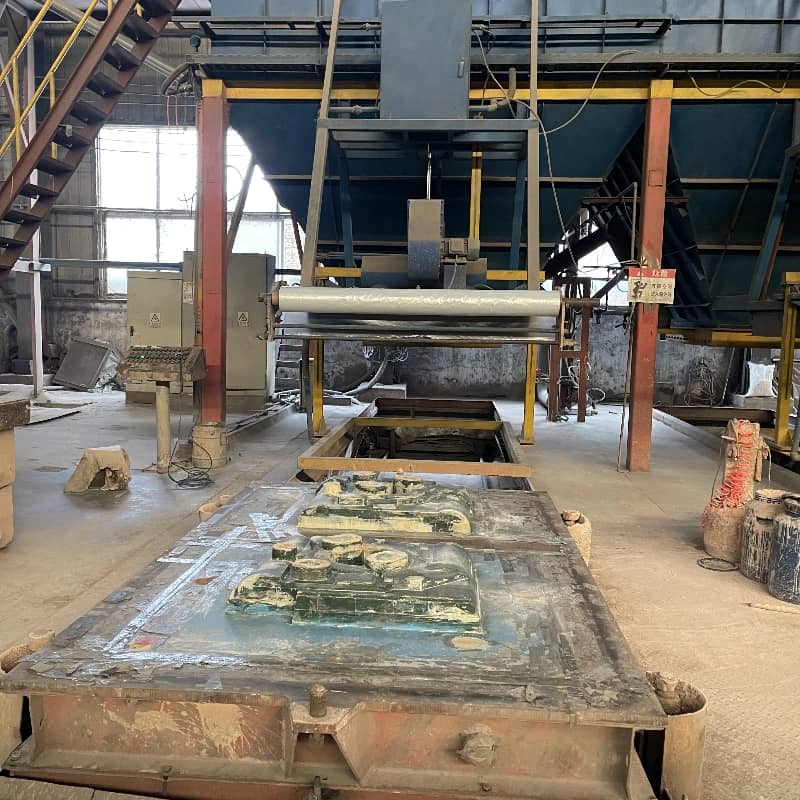
1.1 Melting is the most energy-consuming stage
Upgrade: We have phased out old, energy-intensive cupola furnaces and fully adopted medium-frequency electric furnaces. These furnaces heat metal materials through electromagnetic induction, generating heat directly within the materials, achieving extremely high thermal efficiency. Compared to traditional methods, they can save about 15% к 20% of electricity, provide uniform heating, maintain stable metal composition, and minimize burn-off, thereby enhancing product quality from the source and reducing raw material waste.
Preferred furnace materials: We strictly control the metal furnace materials entering the furnace. We no longer use scrap steel of unknown origin and high impurity content, but instead select high-quality and clean furnace materials and conduct scientific proportioning. This not only reduces the slag and waste gas produced during the smelting process but also makes the subsequent molten steel purer, lowering the energy consumption and cost of “rework”.
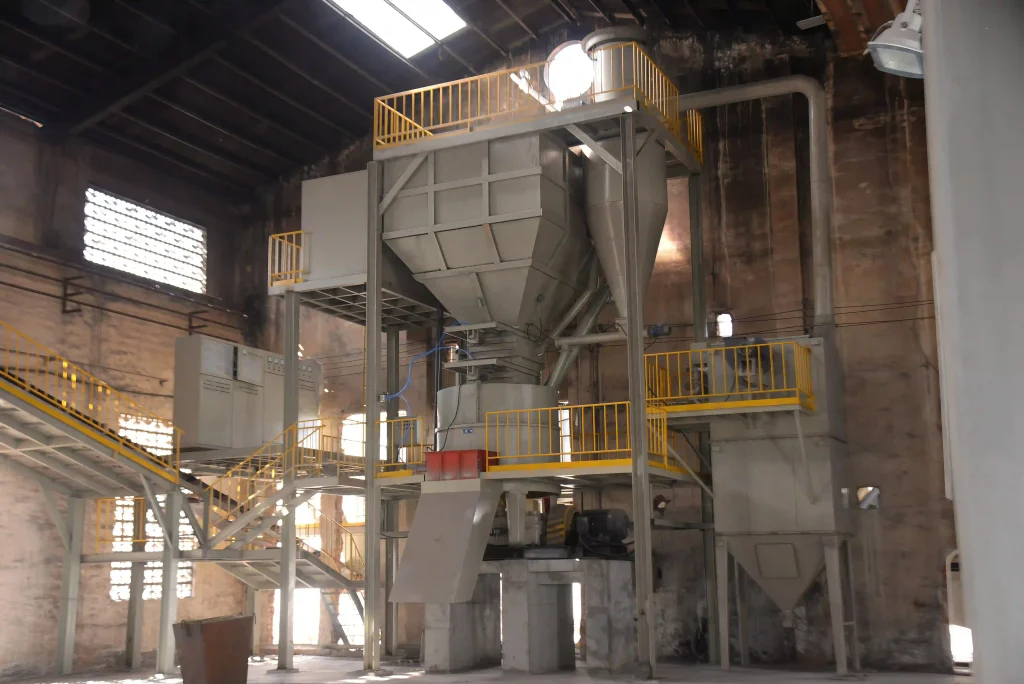
In the molding process, sand casting consumes a large amount of foundry sand. Traditionally, the used sand was discarded as industrial waste, taking up space and polluting the environment.
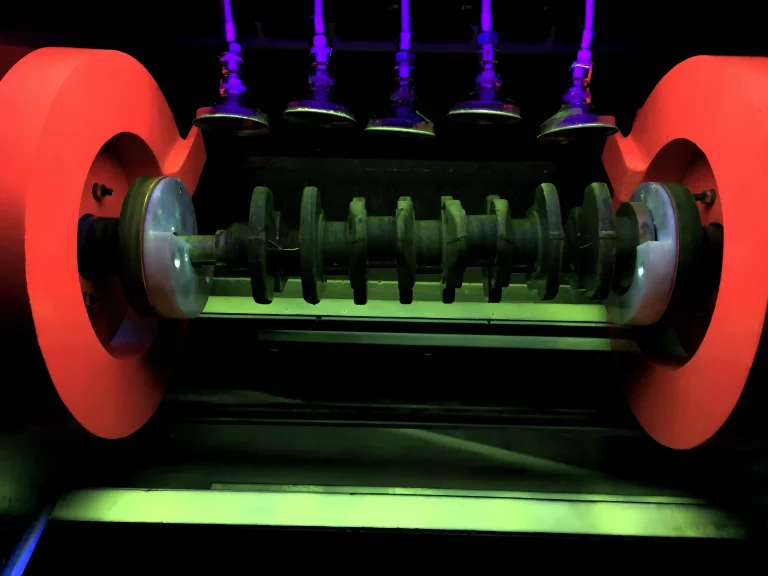
We have invested in a used sand regeneration and recycling system. This system is like a “magician” in our workshop. It can break down, screen, demagnetize, cool, and remove the ineffective clay and coal powder from the used high-temperature sand blocks, restoring the old sand to its original vitality and making it suitable for molding again.
Сейчас, над 90% of the sand used in our workshop is recycled. This not only means that we reduce thousands of tons of solid waste every year but also significantly lowers the demand for new sand, conserving mineral resources.
Emissions are inevitable in the casting process. Our goal is not to eliminate them but to “purify” them to a level that is harmless to the environment through technical means.
2.1. Installing Gas Collecting Hoods on Smoke Sources
The smoke generated during melting and pouring is a key focus of environmental protection. We have installed gas-collecting hoods at all smoke-producing points, as if putting “masks” on the smoke-producing equipment. All collected smoke is sent through pipes to a highly efficient bag filter system.
Inside this system, there are thousands of specially made filter bags. As the smoke passes through, над 99% of the dust particles are intercepted and adsorbed on the surface of the filter bags, while the clean gas is discharged through the chimney in compliance with standards. The collected dust is handed over to qualified units for professional treatment to prevent secondary pollution.
2.2. Recycling Wastewater
Water is used in the cooling and cleaning stages of casting. We have built a complete water recycling and treatment system. All used water does not go directly into the sewer but enters sedimentation tanks and purification equipment. After processes such as coagulation, sedimentation, and filtration, the suspended solids and impurities are removed, and the water becomes as clear as before, then pumped back to the production line for reuse.
This system achieves “zero discharge” of production wastewater. We save precious water resources and eliminate the potential impact on surrounding water bodies.
The essence of green casting lies in the “circular economy”, то есть, finding new value for all “waste”.
3.1. Recovering “Invisible” Energy
During the operation of the medium-frequency electric furnace, the coil needs to be cooled with water, which takes away a large amount of heat. Previously, this heat was directly dissipated into the air, wasted. Сейчас, we have installed a waste heat recovery device to extract the heat from the cooling water, providing heating for our offices and some workshops in winter, achieving a stepwise utilization of energy. This is equivalent to “snatching” back part of the energy from the electric furnace, making every kilowatt-hour of electricity count.
3.2. The Art of Turning Waste into Treasure
In addition to the regeneration of used sand, we also classify and treat other waste materials generated during production. Например, the slag produced during melting can be processed and used as a base material for construction; scrapped castings and gates are all recycled and reused as raw materials for melting, truly achieving “zero waste”.
Наш “green casting” journey is a path of innovation that respects tradition. It requires continuous financial investment and, что еще более важно, an enhanced environmental awareness among all employees. Every small improvement, from the recycling of a drop of water to the regeneration of a grain of sand, embodies our respect and responsibility for this cause.
Because we understand that what we cast is not only the parts that ensure the safe operation of trains but also a sustainable, green and beautiful future for our descendants, this is the responsibility and answer of a modern casting enterprise.
Лоянская компания Fonyo Heavy Industries Co., ООО,Основанная в 1998 году, является производителем деталей для железнодорожного литья. Наш завод занимает площадь 72 600 кв.м., с более чем 300 сотрудники, 32 техники, включая 5 старшие инженеры, 11 помощники инженера, и 16 Техники.Наша производственная мощность 30,000 тонн в год. В настоящее время, в основном мы производим литье, механическая обработка, и сборка для локомотива, вагон, высокоскоростные поезда, горное оборудование,энергия ветра,и т. д..
Мы поставляем железнодорожные детали для CRRC(в том числе более 20 филиалы и дочерние компании CRRC),Гемак инженерное оборудование,Санигрупп, Ситик Хэви Индастриз,и т. д.. Наша продукция экспортируется в Россию., Соединенные Штаты, Германия, Аргентина, Япония, Франция, ЮАР,Италия и другие страны мира.