WeChat 코드를 스캔하여 문의하세요
WeChat 코드를 스캔하여 문의하세요
이메일을 보내주시면 최대한 빨리 답변해 드리겠습니다..
마음과 영혼을 다해 미래를 창조하다


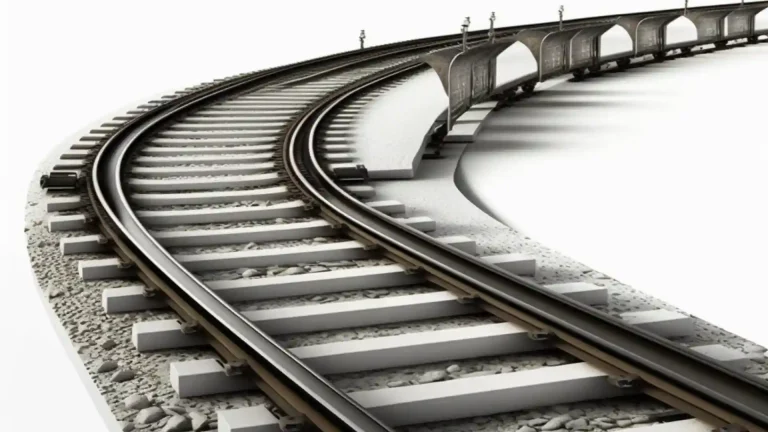
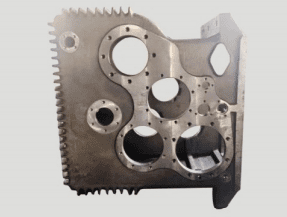
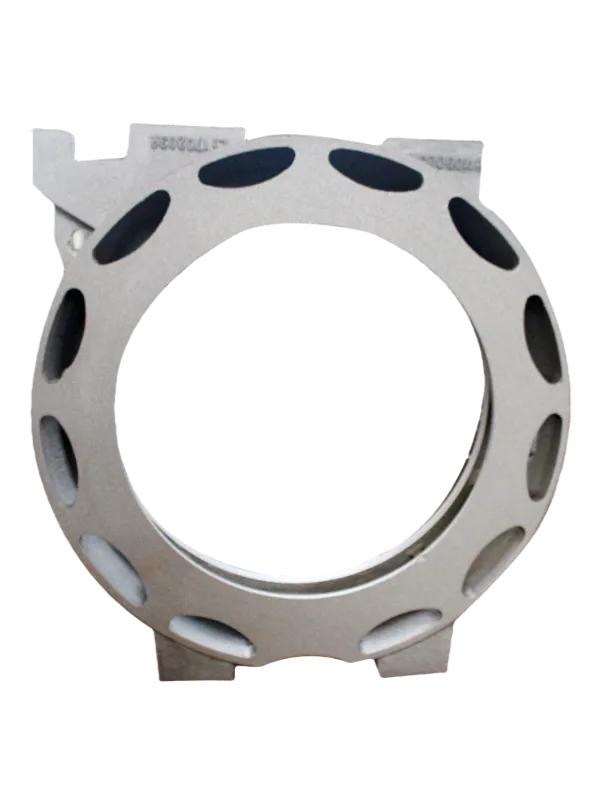
글로벌 중량화물 철도 개발의 새로운 동향. 캐스팅 성능에 대한 과제와 대책 제시. 글로벌 벌크화물 운송의 핵심 동맥으로, the technological evolution of 중거리 철도 has always been closely linked to breakthroughs in casting performance. 현재, 국제적인 중거리 철도 are accelerating their transformation towards “greater axle loads, longer lifespans, and lower lifecycle costs.” This trend poses unprecedented challenges to the material properties, 제조 공정, and design concepts of castings. Achieving high strength, 높은 인성, and high fatigue performance in 주물 through technological innovation has become a key issue supporting heavy-haul railway upgrades.
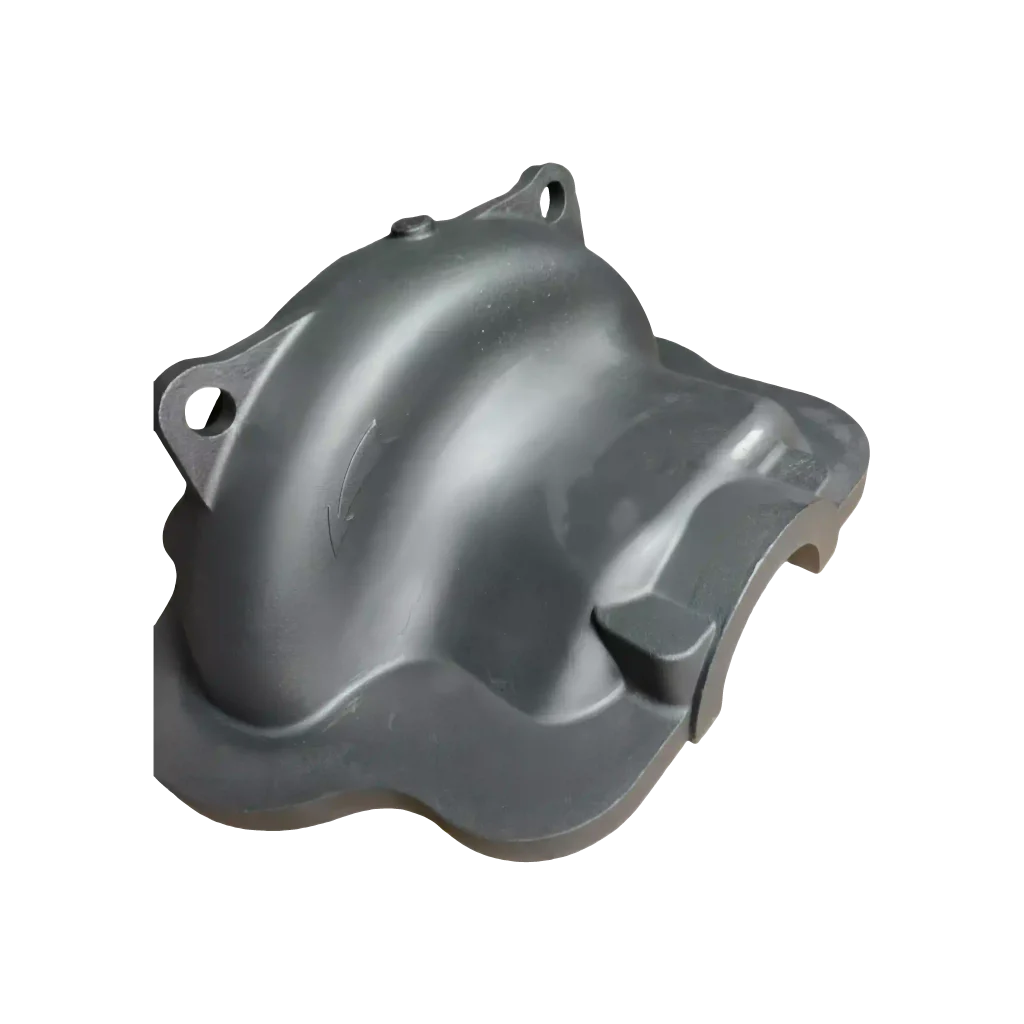
Global heavy-haul railway axle loads have increased from 25 톤으로 30 tons and even 35 톤. Case studies such as the Australian Mine Railway and the Jinzhongnan Heavy-Haul Corridor in China demonstrate that for every ton increase in axle load, the contact stress between wheelset and track increases by approximately 12%, forcing castings to withstand more complex alternating loads. This can shorten the fatigue life of traditional steel castings by over 30%.
Heavy-haul railways are generally designed to last over 30 연령, but castings are susceptible to pitting corrosion and crack propagation in complex environments such as humidity, 열, 소금 스프레이, 그리고 진동. Statistics show that maintenance costs due to casting failures account for 45% of total lifecycle costs, necessitating breakthroughs in material performance.
Although high-strength alloys are expensive, reducing downtime for maintenance (예를 들어, from two to one per year) can reduce maintenance costs per kilometer of track by 28%. This requires a shift in casting design from a simple focus on strength to a comprehensive optimization of performance and cost.
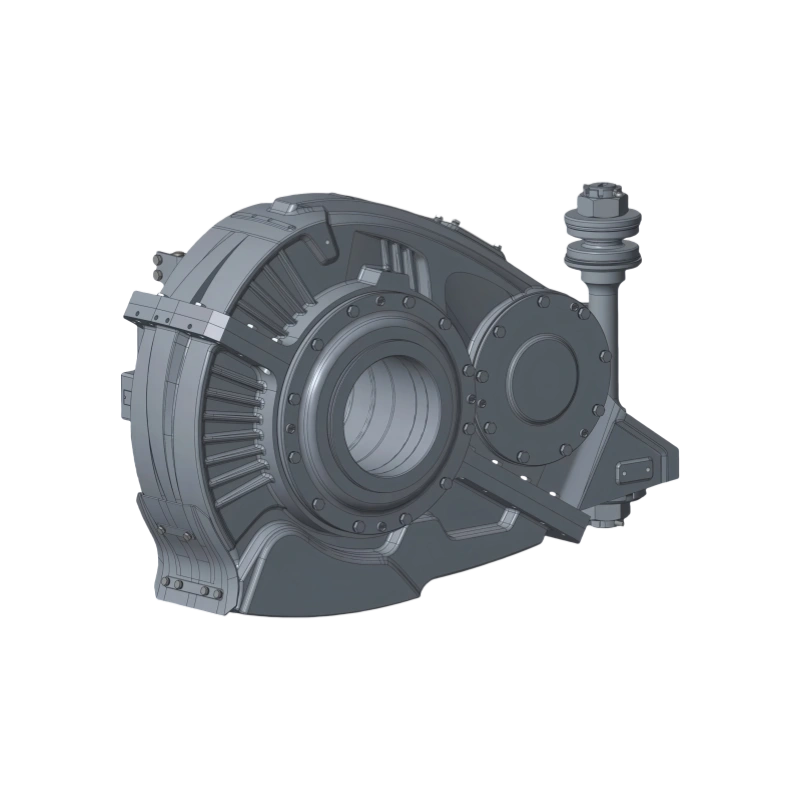
Nano-Particle Strengthening: Adding 0.5%-1.2% nano-TiC particles to cast steel inhibits dynamic recrystallization through grain boundary pinning, increasing tensile strength from 800 MPa to 1100 MPa while maintaining an elongation of over 15%. Low-alloy design: Developing a microalloying system containing niobium (NB) and vanadium (다섯), utilizing precipitation strengthening mechanisms, while maintaining weldability, increases the low-temperature impact energy at -40°C from 47J to 89J, adapting to the needs of extremely cold regions.
Two-stage Quenching Technology: 첫 번째, fully austenize at 920°C, then water cool to 300°C, and then austemper in a 250°C nitrate bath. This creates a composite structure of lower bainite + martensite, achieving a fracture toughness of 65 MPa·√m, 에이 40% improvement over conventional processes.
Laser Local Hardening: 2kW fiber laser scanning is performed on key areas of the wheel hub, increasing the hardness from HRC28 to HRC45. Simulation optimization is also used to prevent deformation and cracking.
In the development of a 120 km/h freight train with a 30-ton axle load, my country adopted a collaborative innovation model based on “재료, 프로세스, and simulation”:
This case study demonstrates that comprehensive performance improvements can reduce the weight of a single carriage by 12% and reduce lifecycle costs by 23%.
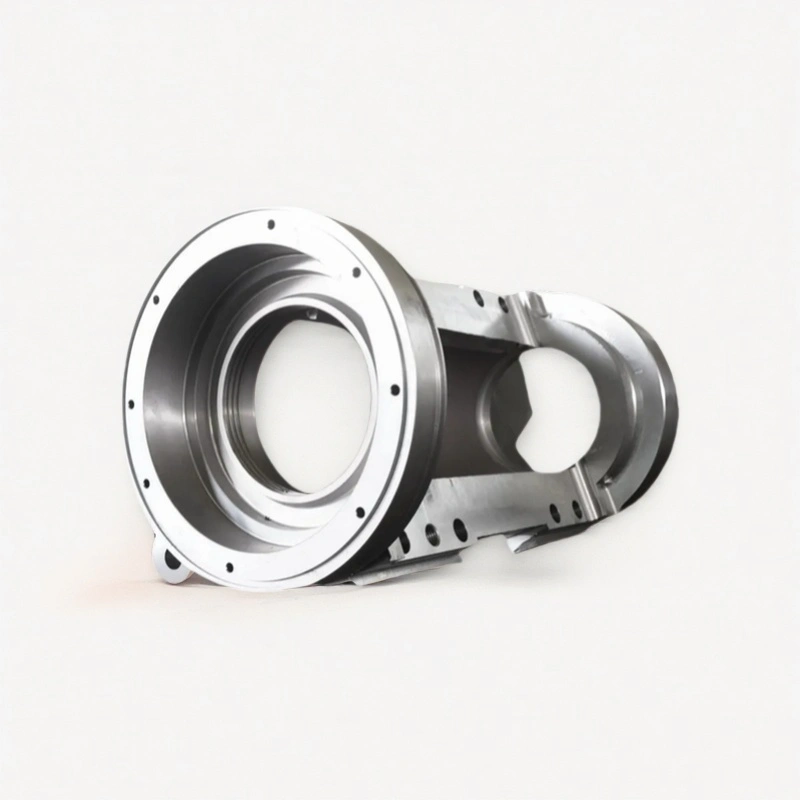
The evolution of heavy-haul railways is reshaping the boundaries of casting technology. Through the deep integration of material genetic engineering, intelligent manufacturing, and digital twins, castings are shifting from “passive load bearing” 에게 “active life prediction.” When axle loads exceed 35 tons and design lifespans extend to 50 연령, casting technology innovation will become more than just an engineering challenge; it will become a strategic pillar supporting the green transformation of the global logistics system. Future heavy-haul railway castings will inevitably forge a path of sustainable innovation, striking a balance between strength, 인성, 그리고 비용 효율성.
뤄양포뇨중공업(Luoyang Fonyo Heavy Industries), 주식회사, 1998년에 설립된 캐스트 철도 부품 제조업체입니다.. 우리 공장의 면적은 72,600㎡입니다., 이상으로 300 직원, 32 기술자, 포함 5 수석 엔지니어, 11 보조 엔지니어, 그리고 16 기술자. 우리의 생산 능력은 30,000 연간 톤. 현재, 우리는 주로 주조물을 생산하고 있습니다, 가공, 기관차 조립 및 조립, 철도 차량, 고속 열차, 광산 장비, 풍력, 등. 우리의 제품은 러시아로 수출되었습니다, 미국, 독일, 아르헨티나, 일본, 프랑스, 남아프리카, 이탈리아 및 기타 국가.
연락하다: 스텔라 리우
이메일: [email protected]
왓츠앱: +86-155-1535-1287