Scan WeChat-koden for at kontakte os
Scan WeChat-koden for at kontakte os
Du er velkommen til at sende os en e-mail, og vi vil svare dig hurtigst muligt.
At skabe fremtiden med hjerte og sjæl


Nye tendenser inden for global udvikling af tunge jernbaner. udgøre udfordringer og modforanstaltninger for casting performance. Som kernepulsåren for global bulklasttransport, the technological evolution of tunge jernbaner has always been closely linked to breakthroughs in casting performance. For tiden, international tunge jernbaner are accelerating their transformation towards “greater axle loads, longer lifespans, and lower lifecycle costs.” This trend poses unprecedented challenges to the material properties, fremstillingsprocesser, and design concepts of castings. Achieving high strength, høj sejhed, and high fatigue performance in afstøbninger through technological innovation has become a key issue supporting heavy-haul railway upgrades.
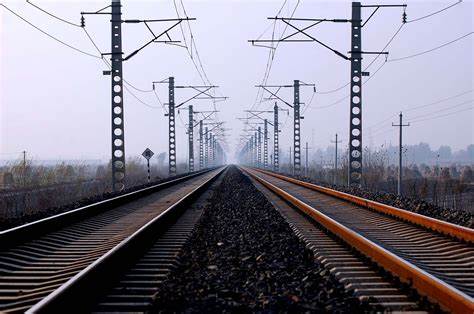
Global heavy-haul railway axle loads have increased from 25 tons to 30 tons and even 35 tons. Case studies such as the Australian Mine Railway and the Jinzhongnan Heavy-Haul Corridor in China demonstrate that for every ton increase in axle load, the contact stress between wheelset and track increases by approximately 12%, forcing castings to withstand more complex alternating loads. This can shorten the fatigue life of traditional steel castings by over 30%.
Heavy-haul railways are generally designed to last over 30 år, but castings are susceptible to pitting corrosion and crack propagation in complex environments such as humidity, varme, saltspray, og vibration. Statistics show that maintenance costs due to casting failures account for 45% of total lifecycle costs, necessitating breakthroughs in material performance.
Although high-strength alloys are expensive, reducing downtime for maintenance (f.eks, from two to one per year) can reduce maintenance costs per kilometer of track by 28%. This requires a shift in casting design from a simple focus on strength to a comprehensive optimization of performance and cost.
Nano-Particle Strengthening: Adding 0.5%-1.2% nano-TiC particles to cast steel inhibits dynamic recrystallization through grain boundary pinning, increasing tensile strength from 800 MPa to 1100 MPa while maintaining an elongation of over 15%. Low-alloy design: Developing a microalloying system containing niobium (NB) and vanadium (V), utilizing precipitation strengthening mechanisms, while maintaining weldability, increases the low-temperature impact energy at -40°C from 47J to 89J, adapting to the needs of extremely cold regions.
Two-stage Quenching Technology: Først, fully austenize at 920°C, then water cool to 300°C, and then austemper in a 250°C nitrate bath. This creates a composite structure of lower bainite + martensit, achieving a fracture toughness of 65 MPa·√m, -en 40% improvement over conventional processes.
Laser Local Hardening: 2kW fiber laser scanning is performed on key areas of the wheel hub, increasing the hardness from HRC28 to HRC45. Simulation optimization is also used to prevent deformation and cracking.
In the development of a 120 km/h freight train with a 30-ton axle load, my country adopted a collaborative innovation model based on “materialer, processer, and simulation”:
Dette casestudie viser, at omfattende præstationsforbedringer kan reducere vægten af en enkelt vogn med 12% og reducere livscyklusomkostningerne ved 23%.
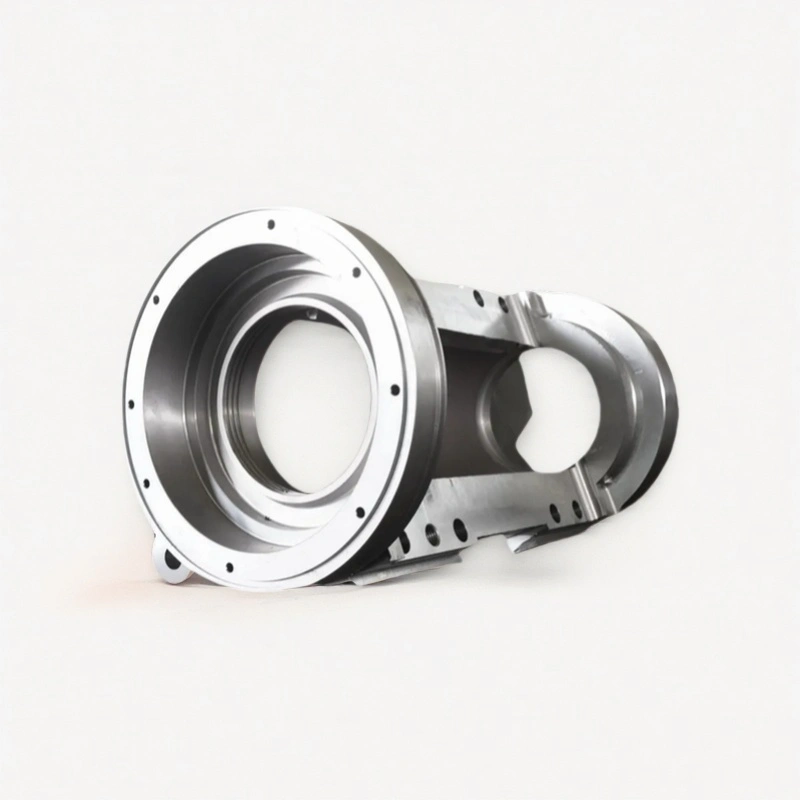
Udviklingen af tunge jernbaner omformer grænserne for støbeteknologi. Gennem den dybe integration af materialegenteknologi, intelligent fremstilling, og digitale tvillinger, støbninger skifter fra “passivt bærende” til “forudsigelse af aktivt liv.” Når akseltryk overstiger 35 tons og design levetid strækker sig til 50 år, støbeteknologisk innovation bliver mere end blot en ingeniørudfordring; det vil blive en strategisk søjle, der understøtter den grønne transformation af det globale logistiksystem. Fremtidige tunge jernbanestøbninger vil uundgåeligt skabe en vej for bæredygtig innovation, skabe balance mellem styrke, sejhed, og omkostningseffektivitet.
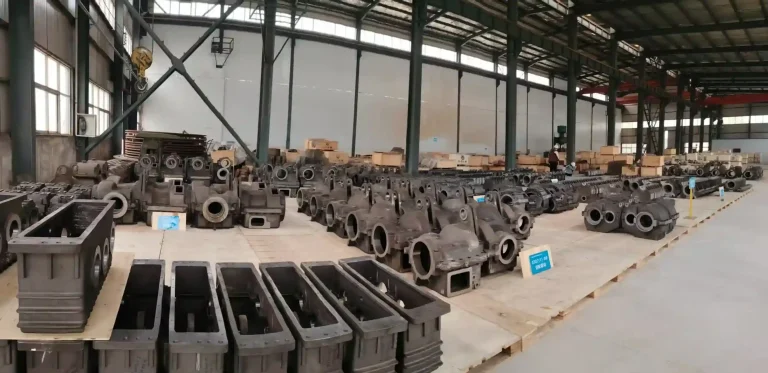
Luoyang Fonyo Heavy Industries Co., Ltd, grundlagt i 1998, er en producent af støbte jernbanedele. Vores fabrik dækker et område på 72.600㎡, med mere end 300 medarbejdere, 32 teknikere, inklusive 5 senioringeniører, 11 assistentingeniører, og 16 teknikere. Vores produktionskapacitet er 30,000 tons om året. For tiden, vi producerer hovedsageligt støbning, bearbejdning, og montage til lokomotiv, jernbanevogn, højhastighedstog, mineudstyr, vindkraft, osv. Vores produkter er blevet eksporteret til Rusland, USA, Tyskland, Argentina, Japan, Frankrig, Sydafrika, Italien og andre lande.
Kontakte: Stella Liu
E-mail: [email protected]
WhatsApp: +86-155-1535-1287