



Scan WeChat-koden for at kontakte os
Scan WeChat-koden for at kontakte os
Du er velkommen til at sende os en e-mail, og vi vil svare dig hurtigst muligt.
At skabe fremtiden med hjerte og sjæl


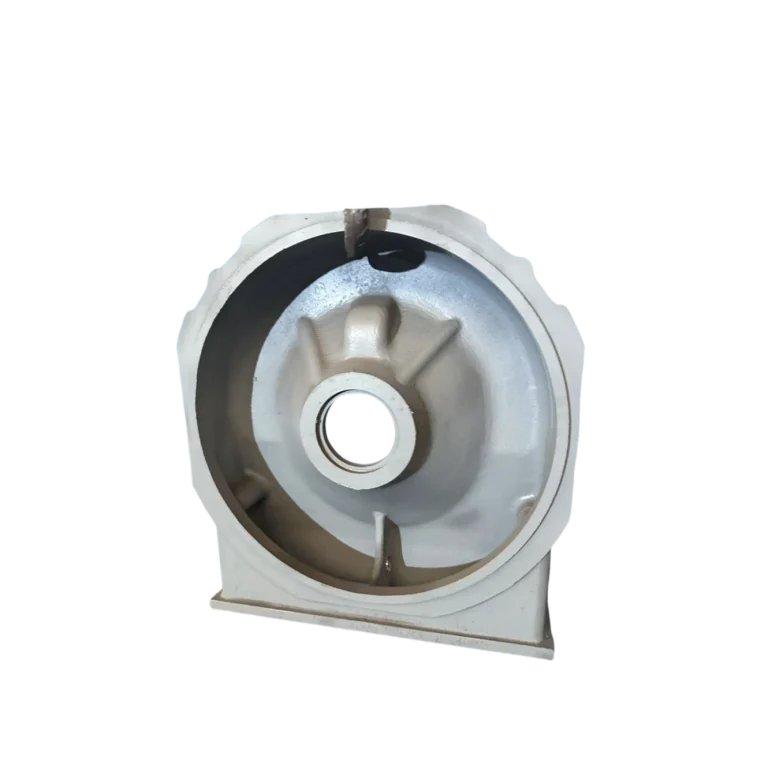
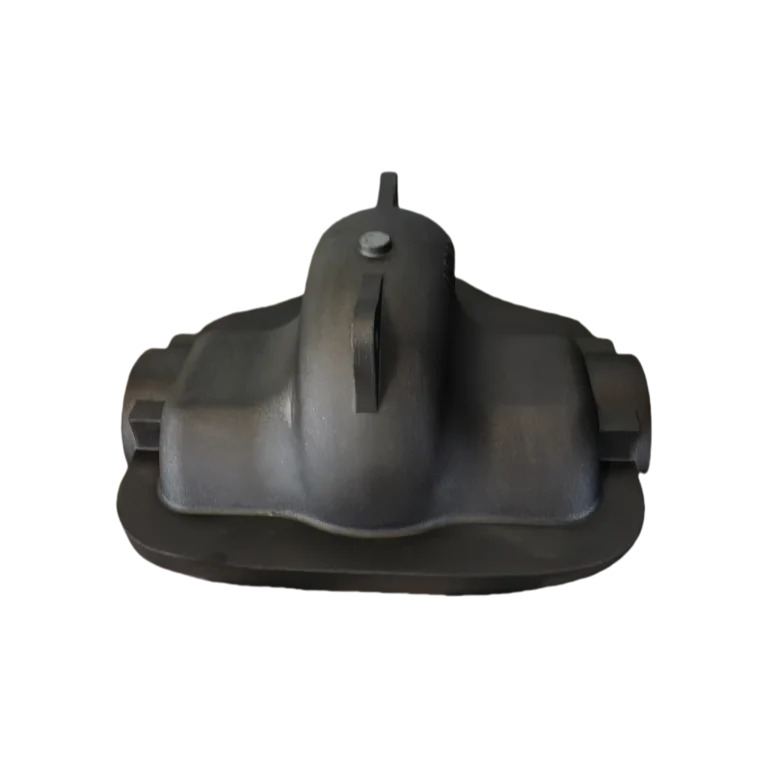
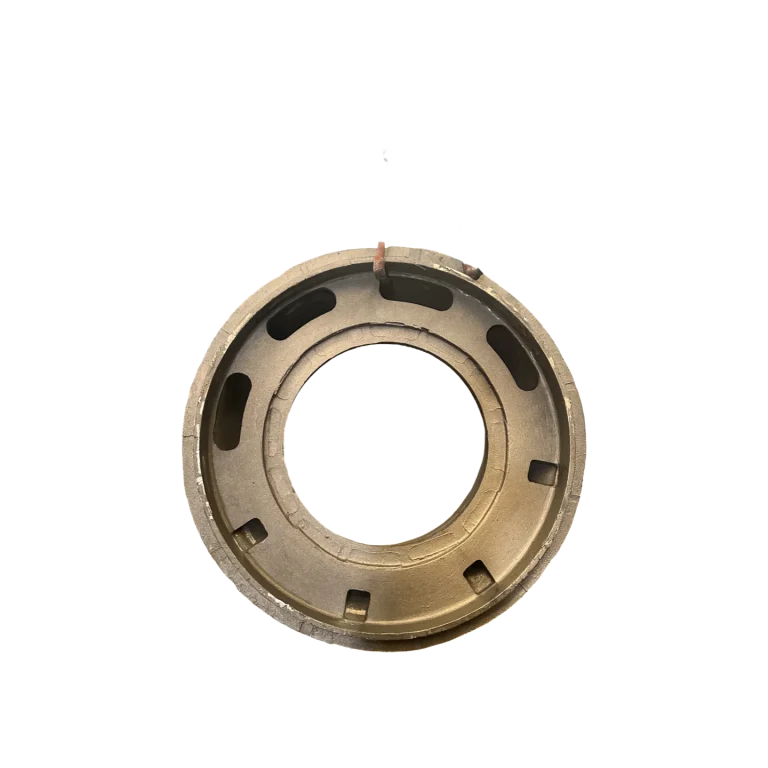
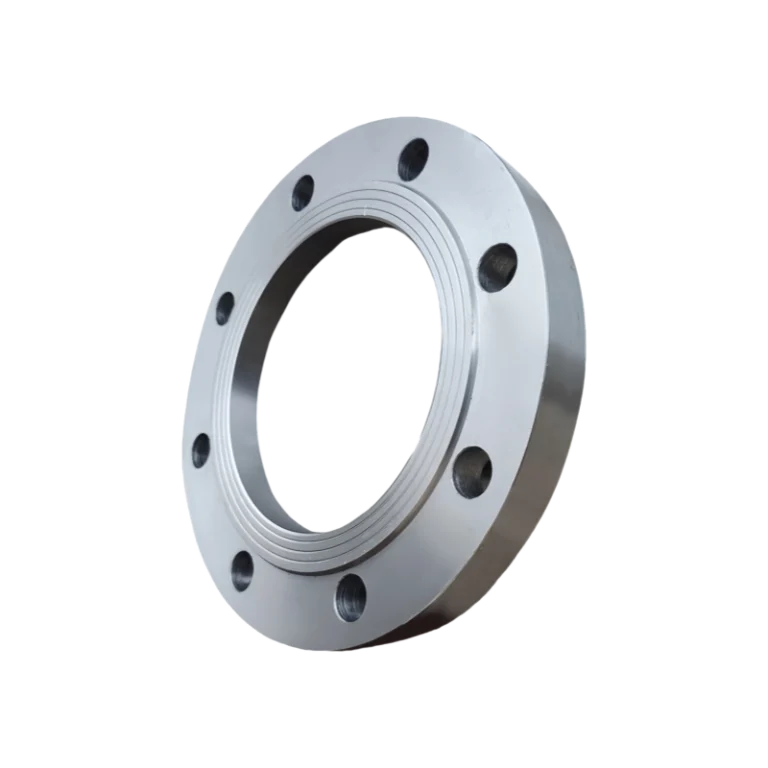
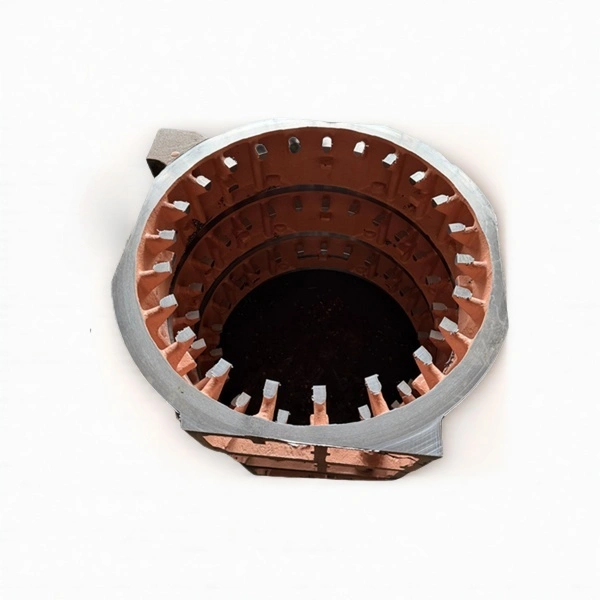
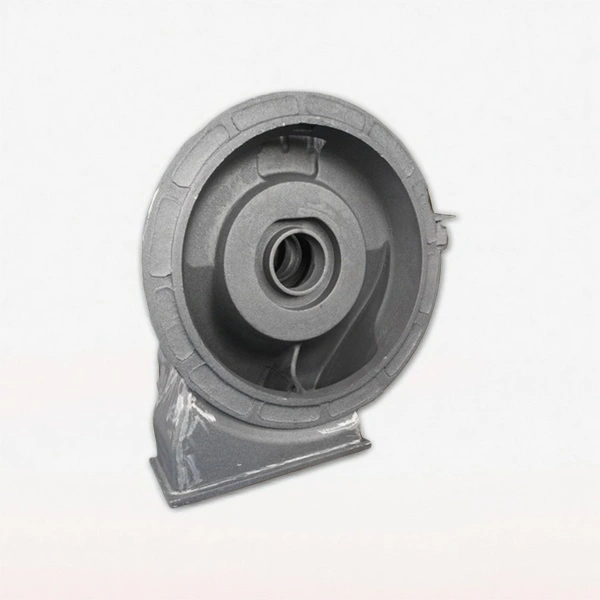
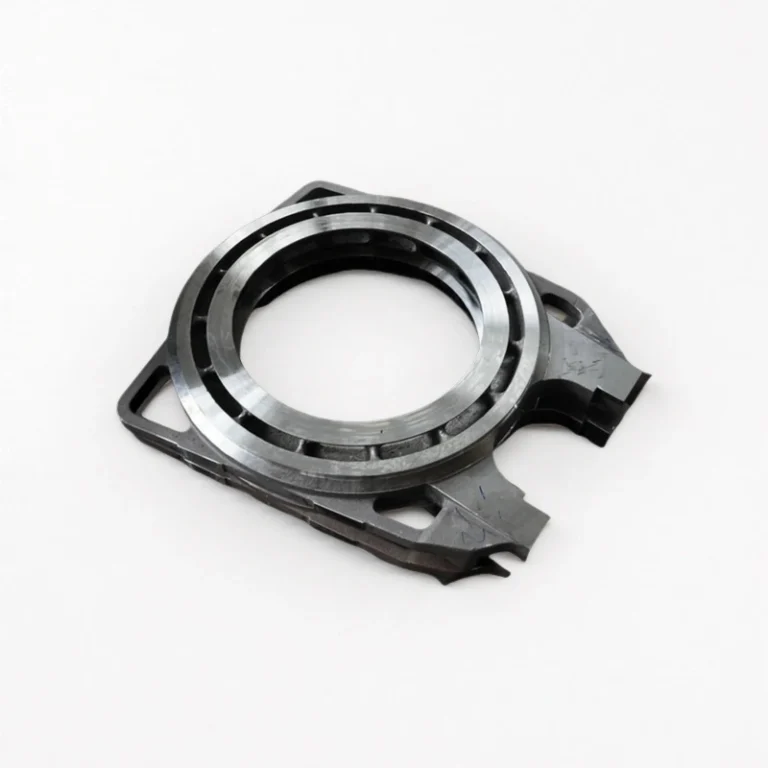
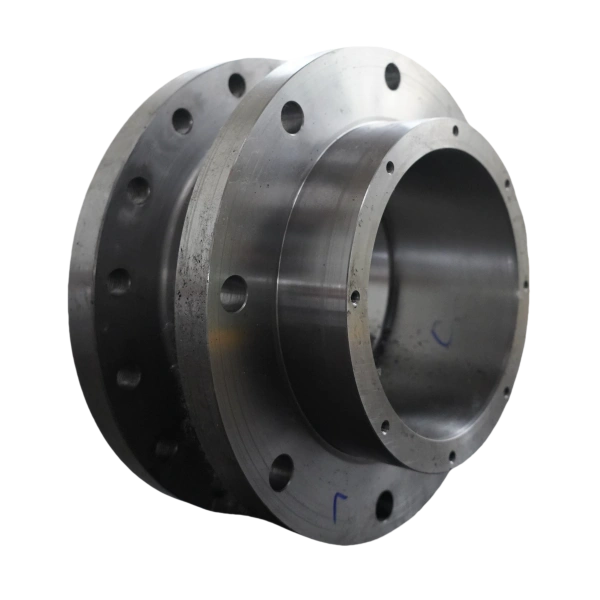
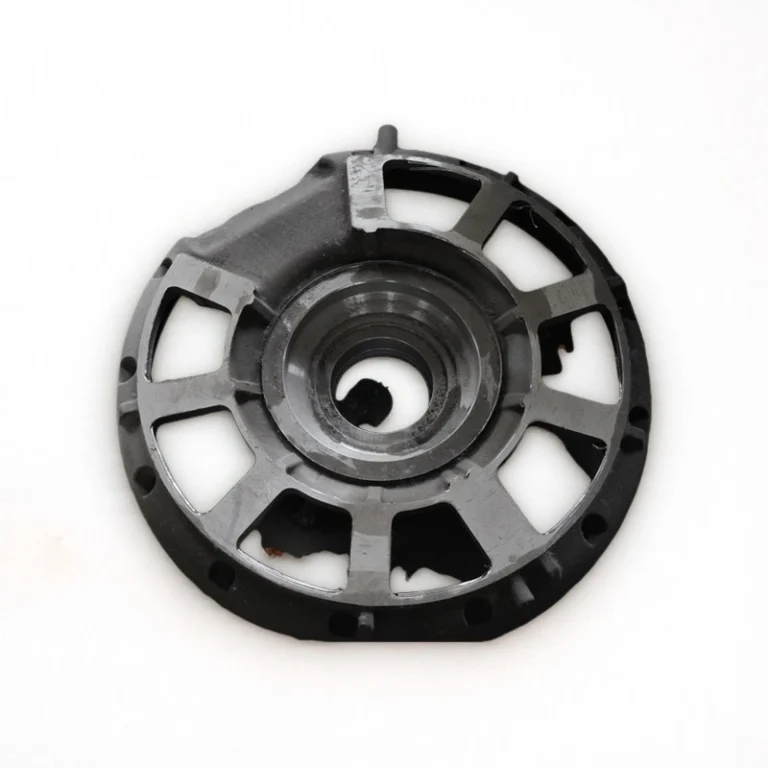
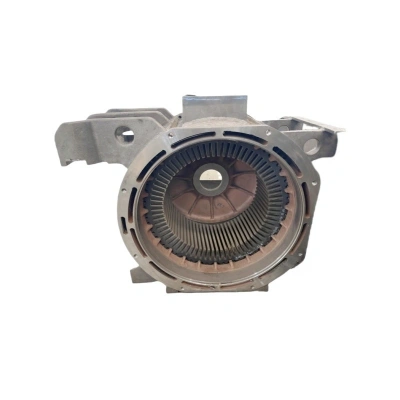
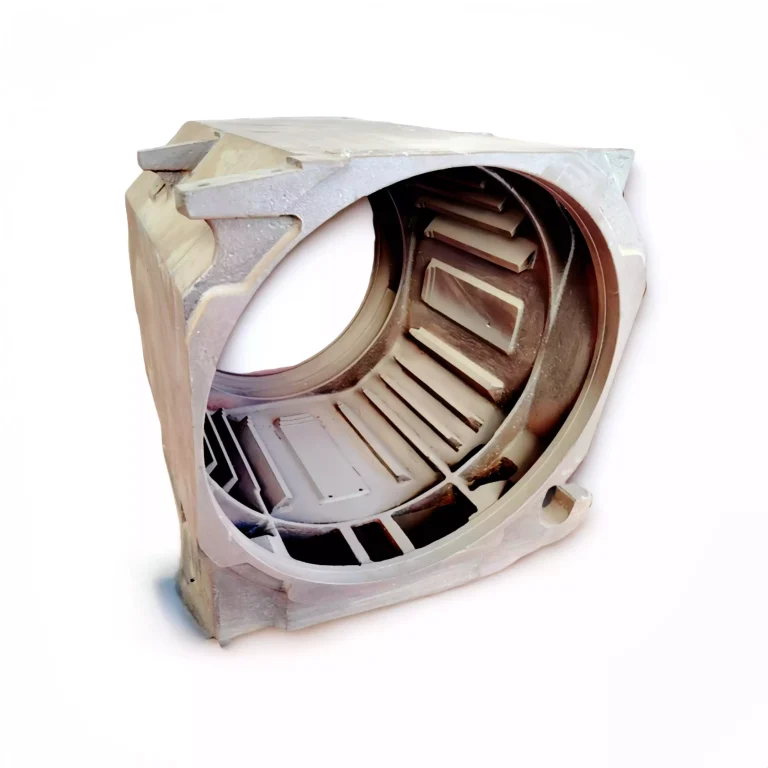
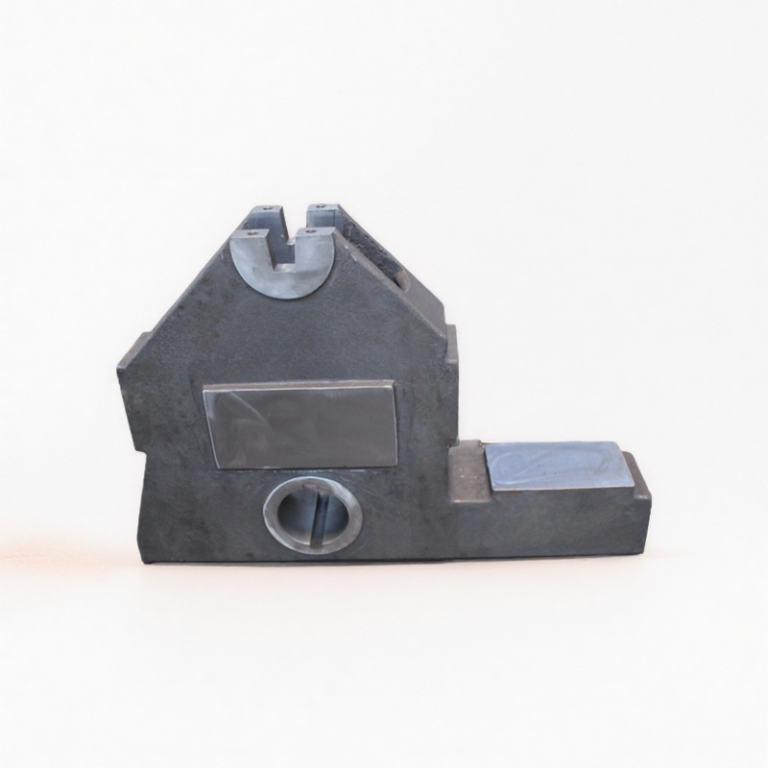
We manufacture locomotive motor components used in railway traction motor systems, inklusive stator presseringe, motor retaining rings, stator klemringe, og rotor holderinge.
These parts are not usually purchased as standard catalog items. Their dimensions, material and manufacturing requirements often depend on the motor design and the original drawing. We therefore manufacture locomotive motor parts according to customer drawings, samples and technical specifications, with production covering both individual replacement parts and serial orders.

De stator trykring is used to hold and compress the stator core assembly. Its dimensions need to match the motor structure accurately so that the stator remains properly positioned during operation.
We manufacture stator press rings according to customer drawings and can provide machining and inspection based on the required tolerances. The manufacturing process is selected according to the material, size and geometry of the ring.
Motor retaining rings are used to secure components within a traction motor and prevent unwanted movement during operation. The ring has to withstand mechanical loading, vibration and repeated operating cycles without losing its required dimensions.
For replacement parts, we can work from an existing drawing or sample. Before production, our engineers review the dimensions and manufacturing requirements to determine a suitable process.
A stator clamping ring provides mechanical support for the stator assembly and helps maintain its position during operation. Dimensional accuracy is particularly important because the ring has to fit correctly with the surrounding motor components.
Depending on the design, the component can be produced through forging or casting followed by machining and heat treatment.
Rotor retaining rings work in a more demanding rotating environment. They must maintain their mechanical integrity while exposed to rotational loads, vibration and repeated operating cycles.
We pay particular attention to material condition, machining accuracy and inspection when producing these components. The final requirements are determined by the customer's drawing and motor application.
The material and manufacturing route depend on the design of the component rather than being fixed for every locomotive motor part.
Carbon steel and alloy steel can be used for suitable applications, while other grades can be considered when specified by the customer. For each order, we review the drawing and technical requirements before confirming the production process.
Depending on the part, our manufacturing route may include smedning eller støbning, varmebehandling, CNC machining and surface finishing. Machining is normally carried out after the primary forming process to achieve the dimensions and tolerances required for assembly.
For components with specific internal quality requirements, ultrasonic testing or magnetic particle testing can be included in the inspection plan.
For locomotive motor components, dimensional accuracy is only one part of the inspection process. Material condition, heat treatment and internal quality may also affect the service performance of the finished component.
Our inspection can include chemical composition analysis, mekanisk prøvning, dimensionsinspektion, ultralydstest (UT) og magnetisk partikeltestning (MT), depending on the component and customer requirements.
Inspection records can be supplied with the finished parts. If a customer has a specific inspection plan or acceptance standard, we can review it before production and include the required checks in the manufacturing process.
Our locomotive motor components are intended for railway traction and other heavy-duty electric motor applications.
They can be supplied for electric locomotives, dieselelektriske lokomotiver, freight and passenger rail vehicles, as well as metro and urban rail systems. The actual component design varies between motor models, so we normally use the customer's drawing or existing component as the basis for production.
Many traction motor components are replacement or OEM parts that are not available as standard products. In these cases, a drawing, old component or sample can provide the starting point for manufacturing.
We can review the available information and discuss the material, fremstillingsprocessen, machining requirements and inspection method before production. For customers who need regular replacement parts, the same manufacturing process can then be applied to serial production after the initial sample or first article has been approved.
This approach is particularly useful when an original component is no longer readily available or when a railway operator needs a reliable source for replacement parts.
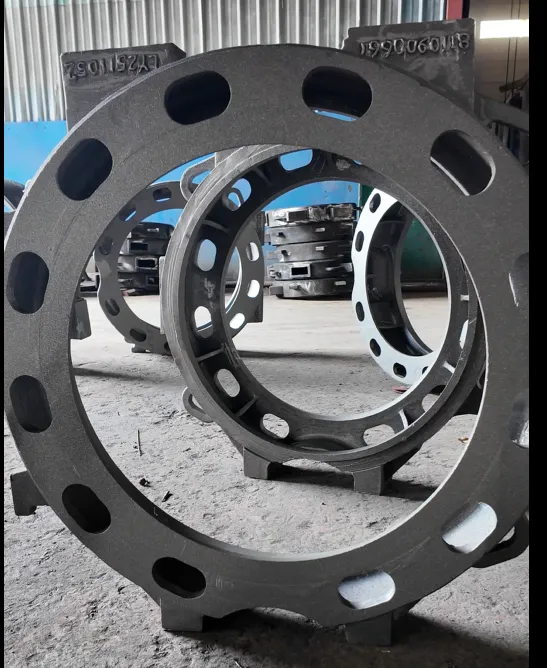
We manufacture stator press rings, motor retaining rings, stator clamping rings and rotor retaining rings. Other locomotive motor structural components can also be evaluated according to customer drawings.
Ja. We can manufacture parts from customer drawings, existing components or samples. Our engineers review the available information before confirming the manufacturing process.
Carbon steel and alloy steel are commonly considered, while other materials can be supplied according to the component design and customer specification.
Depending on the component, inspection can include dimensional inspection, chemical composition analysis, mekanisk prøvning, ultralydstest (UT) og magnetisk partikeltestning (MT). Inspection documentation can be provided according to the agreed requirements.