Отсканируйте код WeChat, чтобы связаться с нами.
Отсканируйте код WeChat, чтобы связаться с нами.
Не стесняйтесь, отправьте нам электронное письмо, и мы ответим вам как можно скорее.
Создаем будущее сердцем и душой


Новые тенденции в мировом развитии тяжеловесных железных дорог. создавать проблемы и контрмеры для эффективности кастинга. Как основная артерия глобальных перевозок сыпучих грузов., the technological evolution of тяжеловесные железные дороги has always been closely linked to breakthroughs in casting performance. В настоящее время, international тяжеловесные железные дороги are accelerating their transformation towards “greater axle loads, longer lifespans, and lower lifecycle costs.” This trend poses unprecedented challenges to the material properties, производственные процессы, and design concepts of castings. Achieving high strength, высокая прочность, and high fatigue performance in отливки through technological innovation has become a key issue supporting heavy-haul railway upgrades.
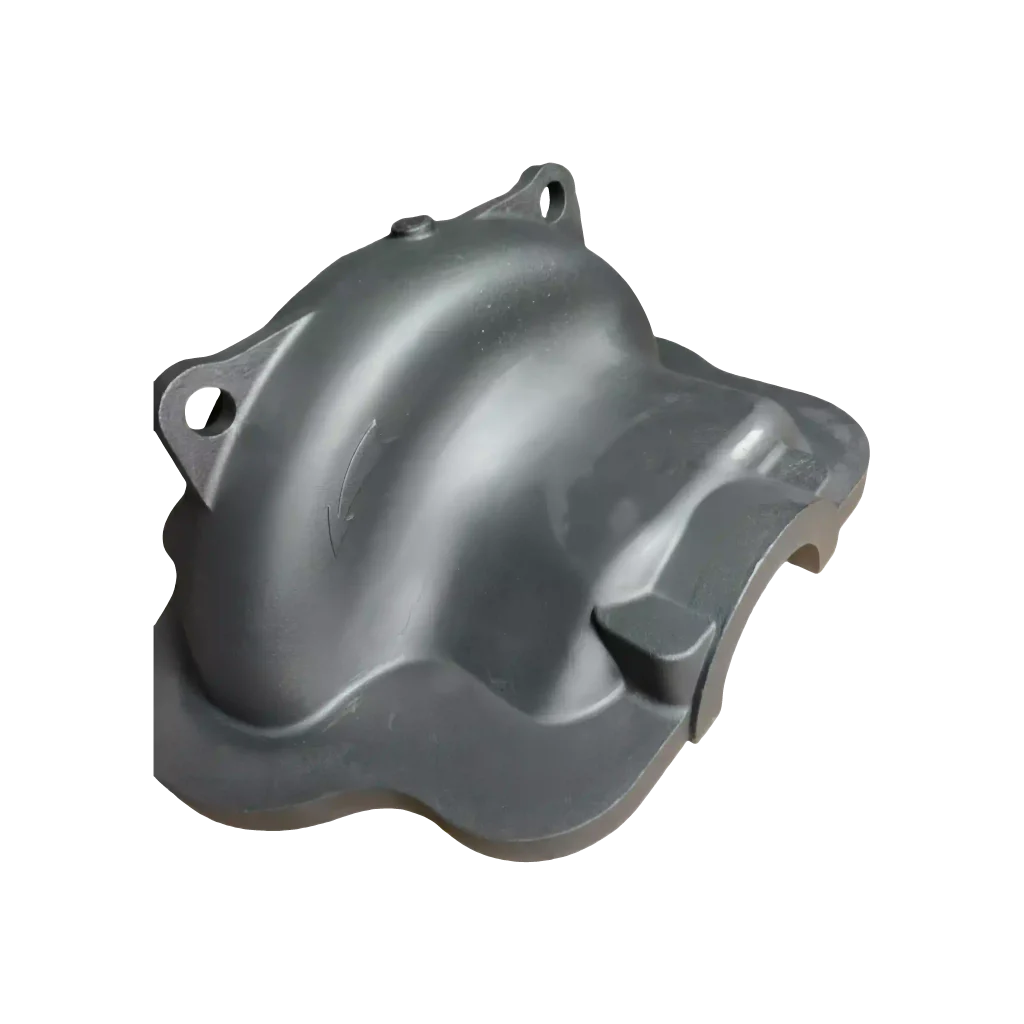
Global heavy-haul railway axle loads have increased from 25 tons to 30 tons and even 35 тонны. Case studies such as the Australian Mine Railway and the Jinzhongnan Heavy-Haul Corridor in China demonstrate that for every ton increase in axle load, the contact stress between wheelset and track increases by approximately 12%, forcing castings to withstand more complex alternating loads. This can shorten the fatigue life of traditional steel castings by over 30%.
Heavy-haul railways are generally designed to last over 30 годы, but castings are susceptible to pitting corrosion and crack propagation in complex environments such as humidity, нагревать, соляной туман, и вибрация. Statistics show that maintenance costs due to casting failures account for 45% of total lifecycle costs, necessitating breakthroughs in material performance.
Although high-strength alloys are expensive, reducing downtime for maintenance (например, from two to one per year) can reduce maintenance costs per kilometer of track by 28%. This requires a shift in casting design from a simple focus on strength to a comprehensive optimization of performance and cost.
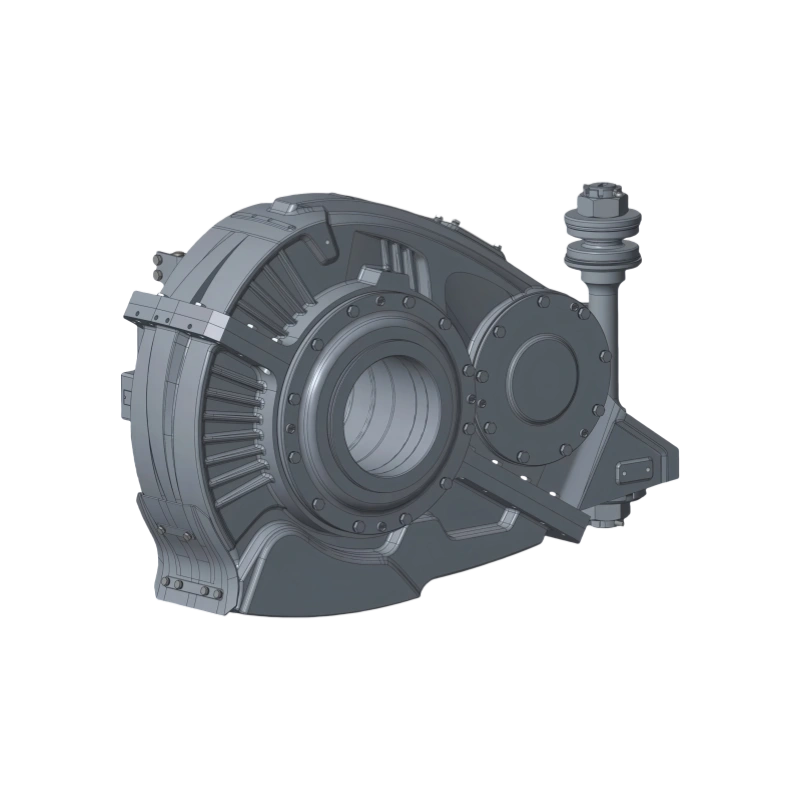
Nano-Particle Strengthening: Adding 0.5%-1.2% nano-TiC particles to cast steel inhibits dynamic recrystallization through grain boundary pinning, increasing tensile strength from 800 MPa to 1100 MPa while maintaining an elongation of over 15%. Low-alloy design: Developing a microalloying system containing niobium (Нб) and vanadium (В), utilizing precipitation strengthening mechanisms, while maintaining weldability, increases the low-temperature impact energy at -40°C from 47J to 89J, adapting to the needs of extremely cold regions.
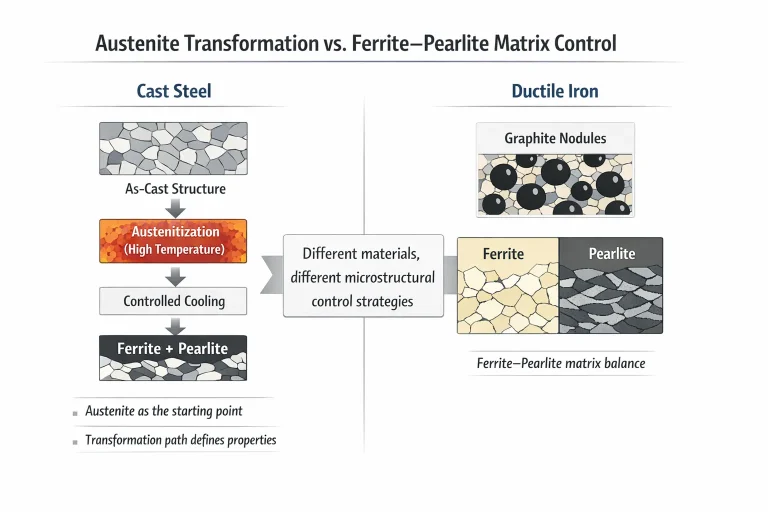
Two-stage Quenching Technology: Первый, fully austenize at 920°C, then water cool to 300°C, and then austemper in a 250°C nitrate bath. This creates a composite structure of lower bainite + мартенсит, achieving a fracture toughness of 65 MPa·√m, а 40% improvement over conventional processes.
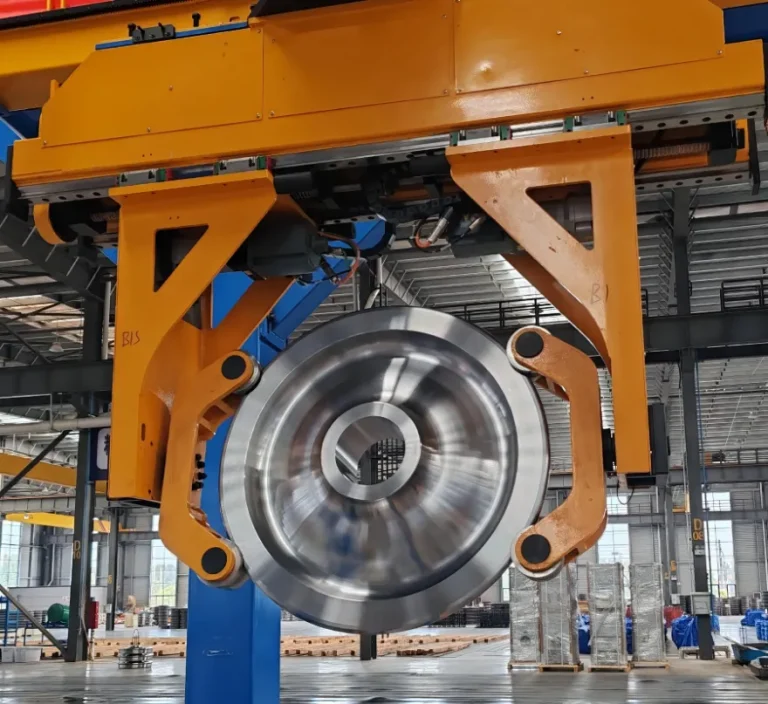
Laser Local Hardening: 2kW fiber laser scanning is performed on key areas of the wheel hub, increasing the hardness from HRC28 to HRC45. Simulation optimization is also used to prevent deformation and cracking.
In the development of a 120 km/h freight train with a 30-ton axle load, my country adopted a collaborative innovation model based on “материалы, процессы, and simulation”:
This case study demonstrates that comprehensive performance improvements can reduce the weight of a single carriage by 12% and reduce lifecycle costs by 23%.
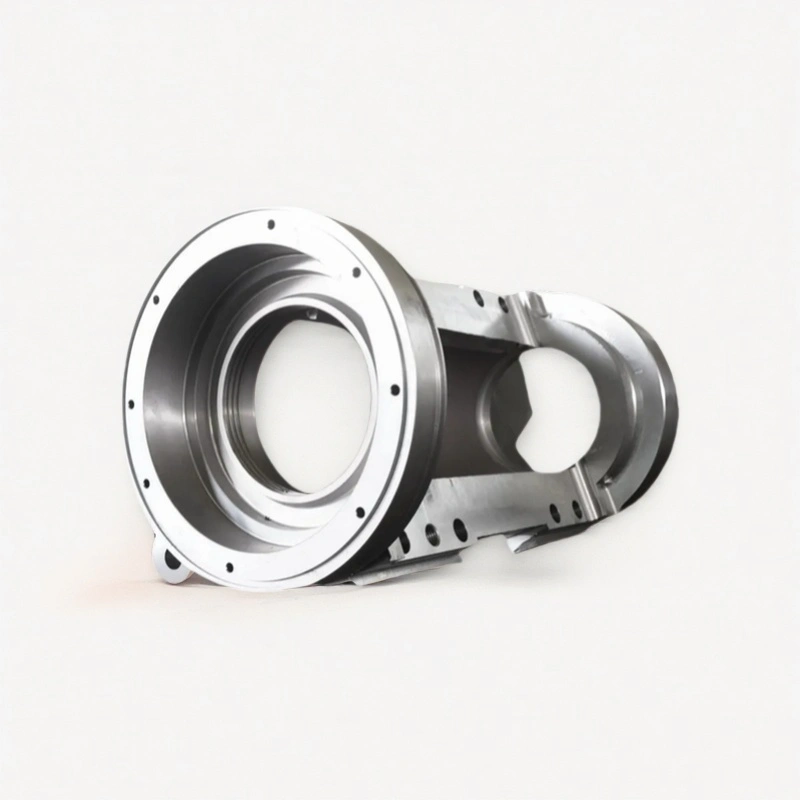
The evolution of heavy-haul railways is reshaping the boundaries of casting technology. Through the deep integration of material genetic engineering, intelligent manufacturing, and digital twins, castings are shifting from “passive load bearing” к “active life prediction.” When axle loads exceed 35 tons and design lifespans extend to 50 годы, casting technology innovation will become more than just an engineering challenge; it will become a strategic pillar supporting the green transformation of the global logistics system. Future heavy-haul railway castings will inevitably forge a path of sustainable innovation, striking a balance between strength, прочность, and cost-effectiveness.
Лоянская компания Fonyo Heavy Industries Co., ООО, основана в 1998 году, является производителем литых железнодорожных деталей.. Наша фабрика занимает площадь 72 600 кв.м., с более чем 300 сотрудники, 32 техники, включая 5 старшие инженеры, 11 помощники инженера, и 16 техники. Наша производственная мощность составляет 30,000 тонн в год. В настоящее время, в основном мы производим литье, механическая обработка, и сборка для локомотива, вагон, высокоскоростные поезда, горное оборудование, энергия ветра, и т. д.. Наша продукция экспортируется в Россию., Соединенные Штаты, Германия, Аргентина, Япония, Франция, ЮАР, Италия и другие страны.
Контакт: Стелла Лю
Электронная почта: [email protected]
WhatsApp: +86-155-1535-1287