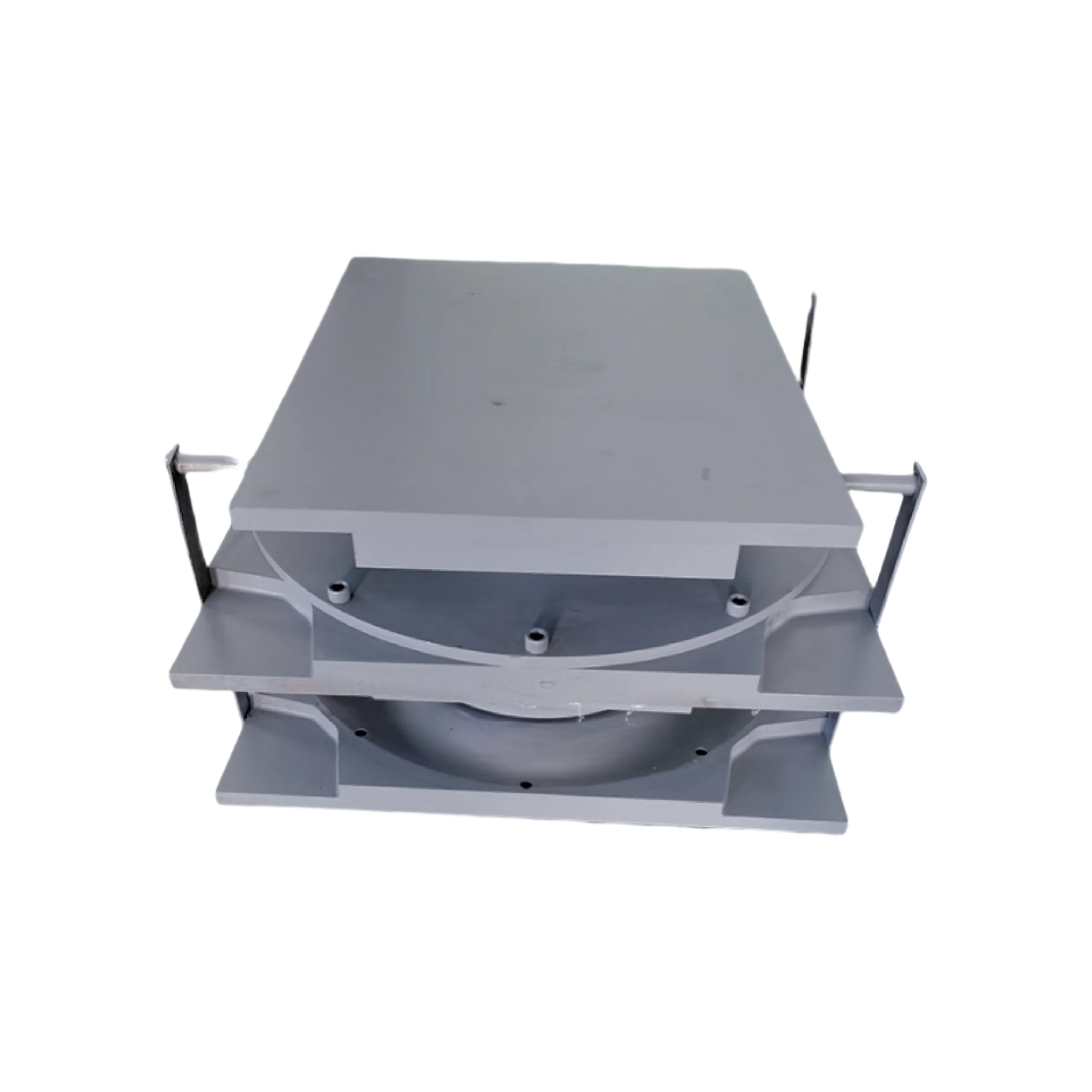
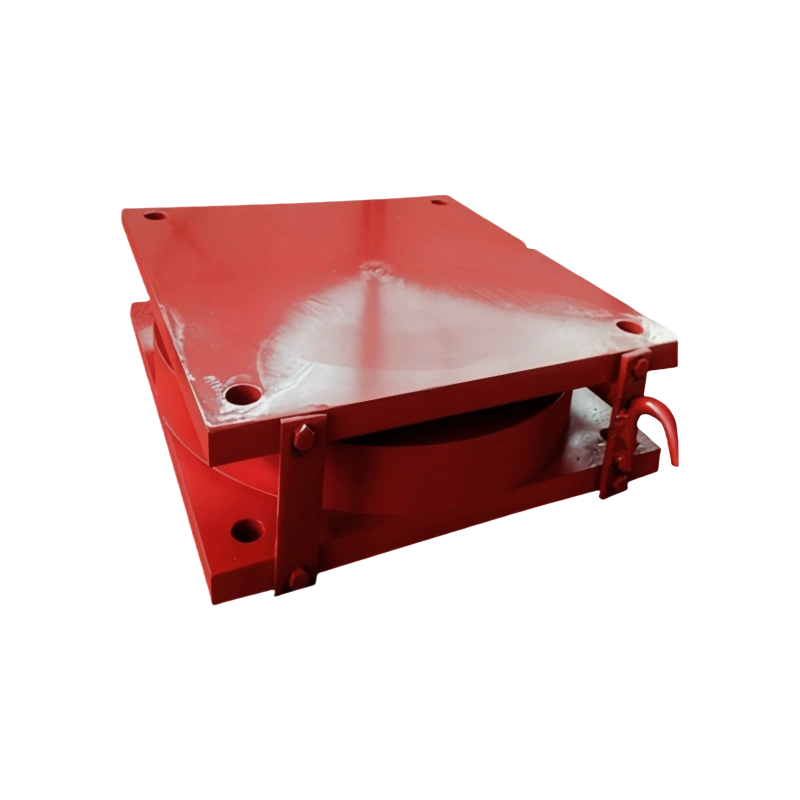
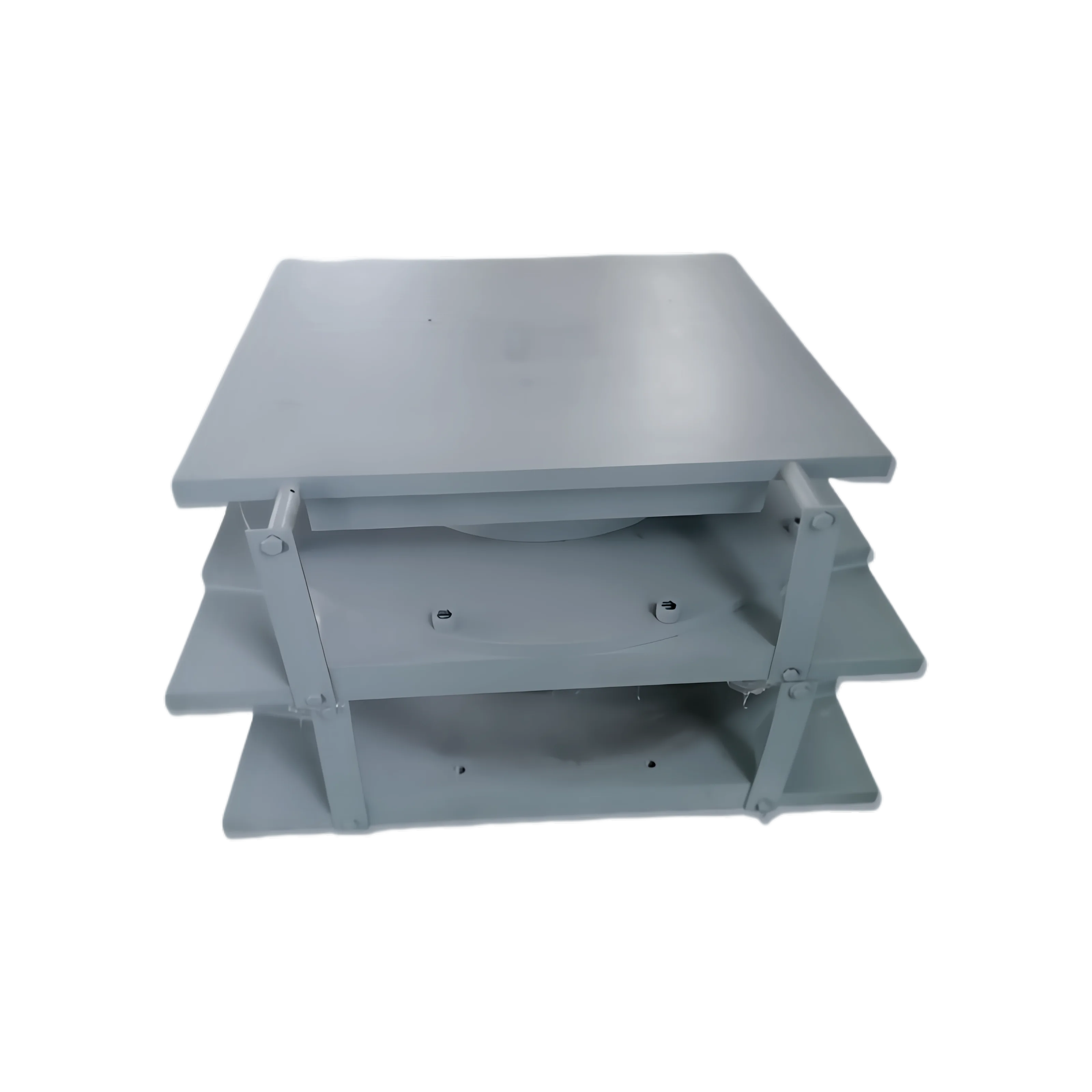
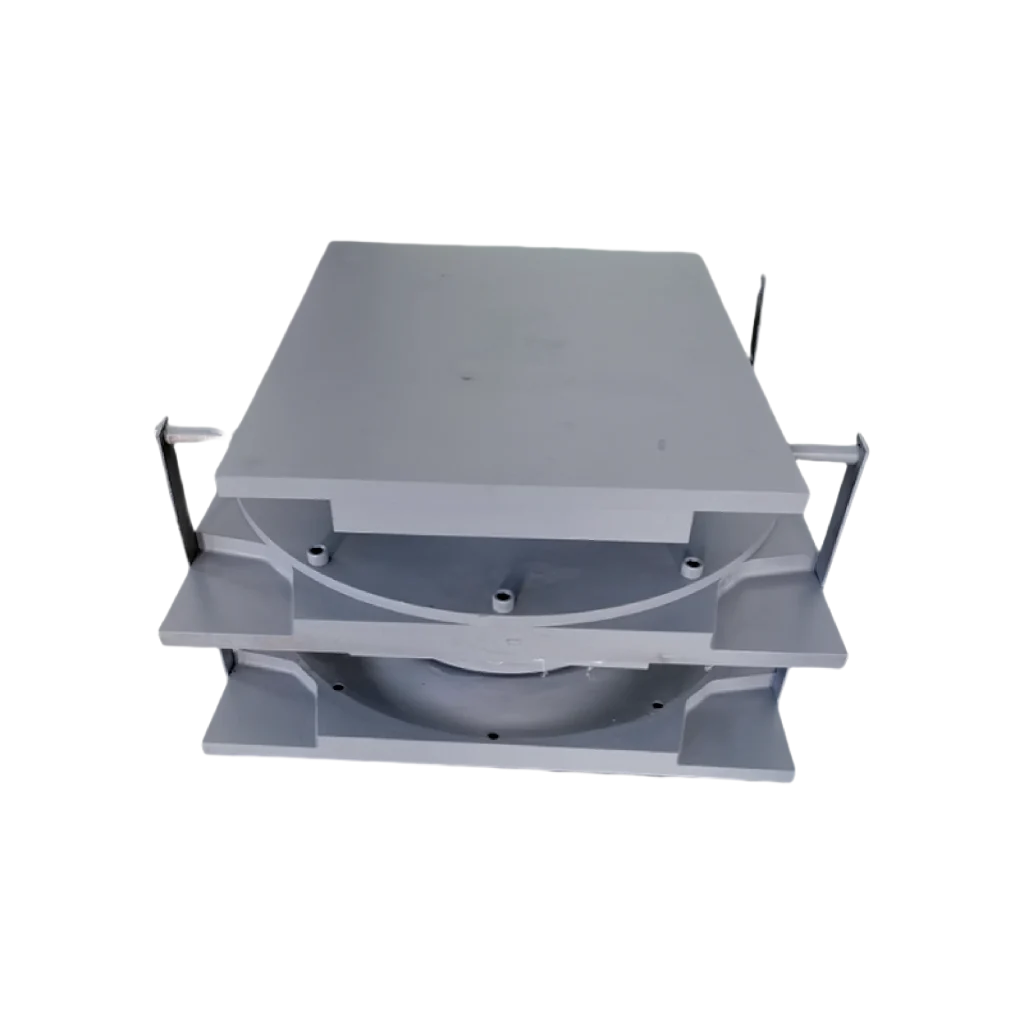
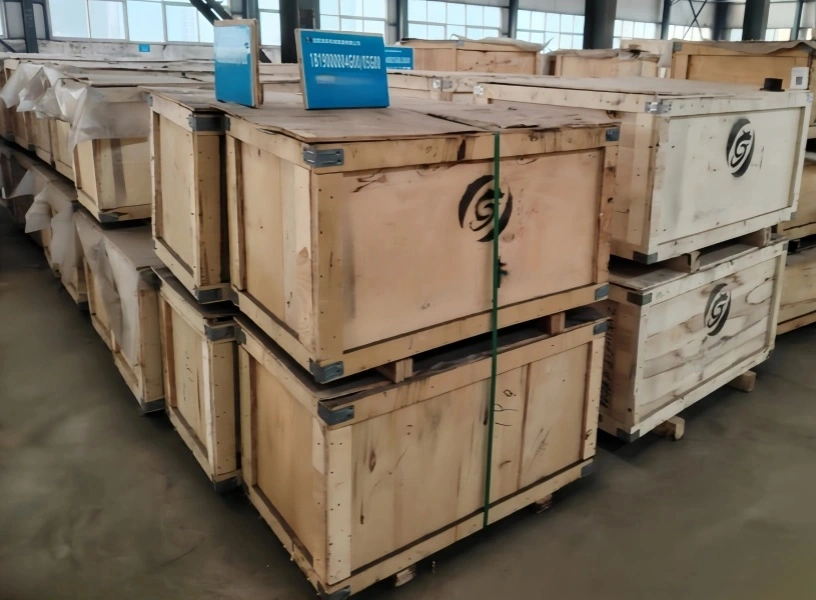
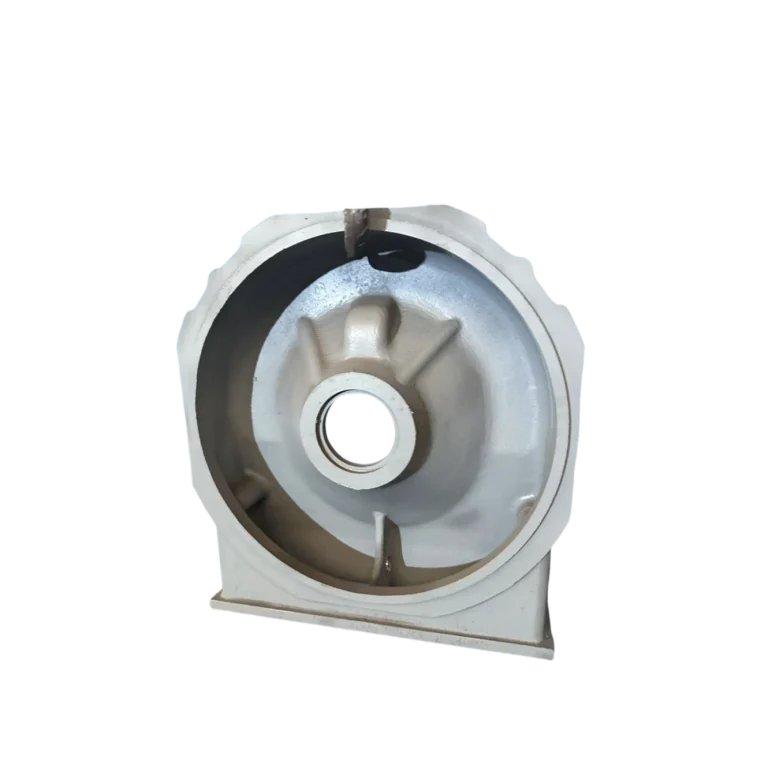
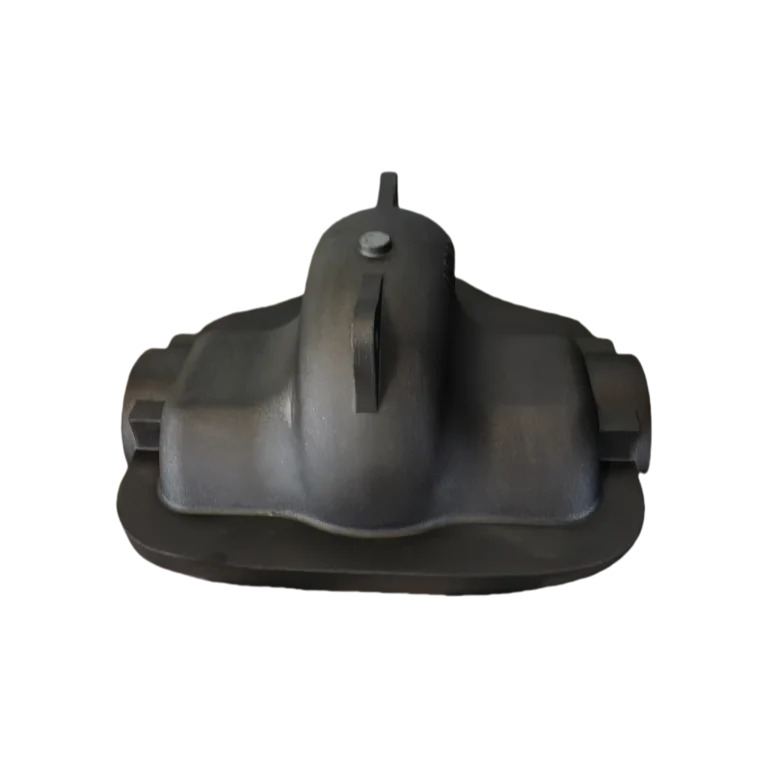
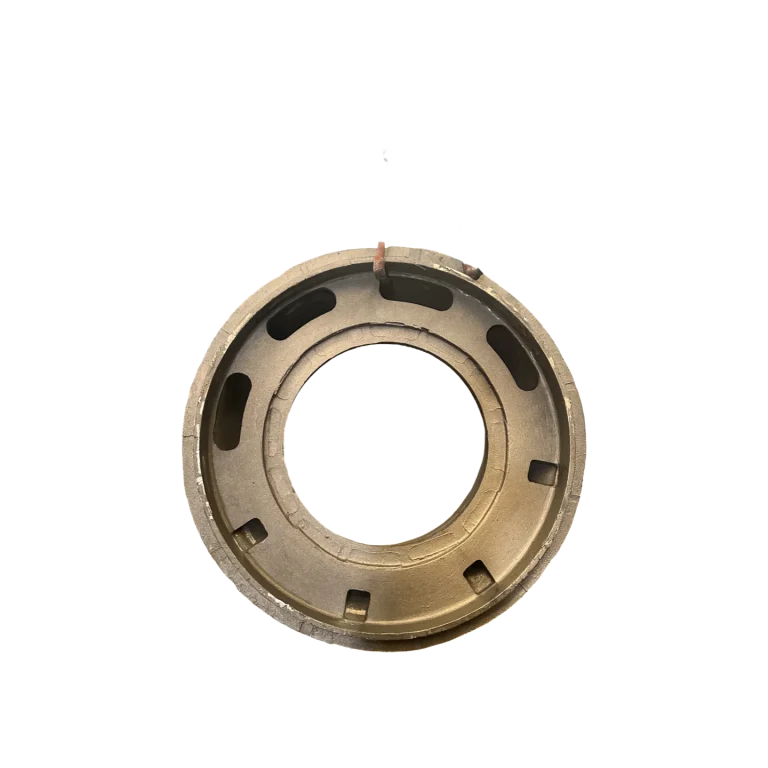
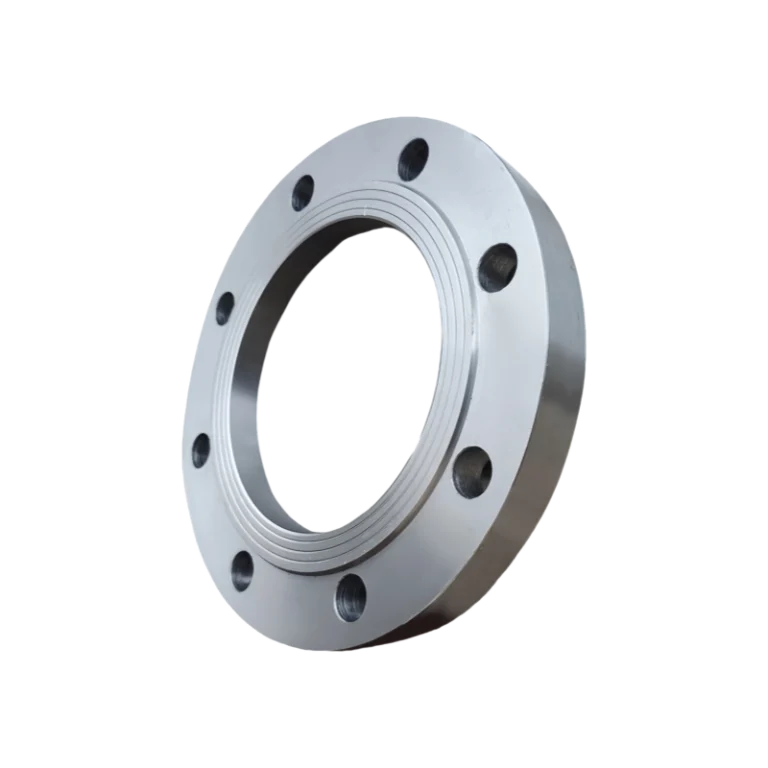
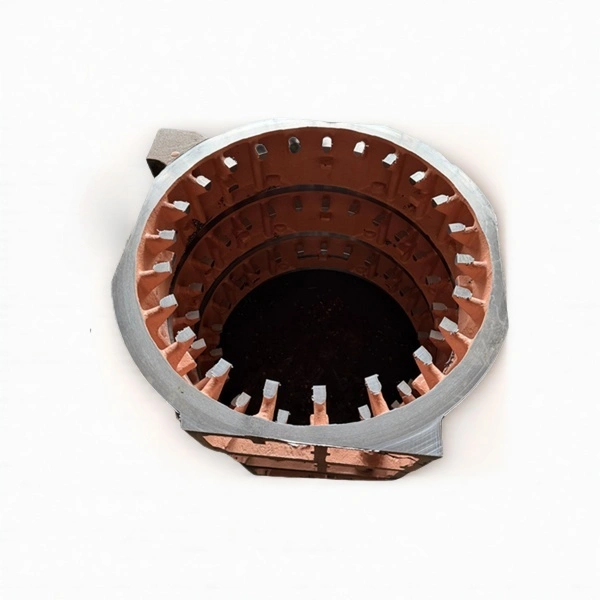
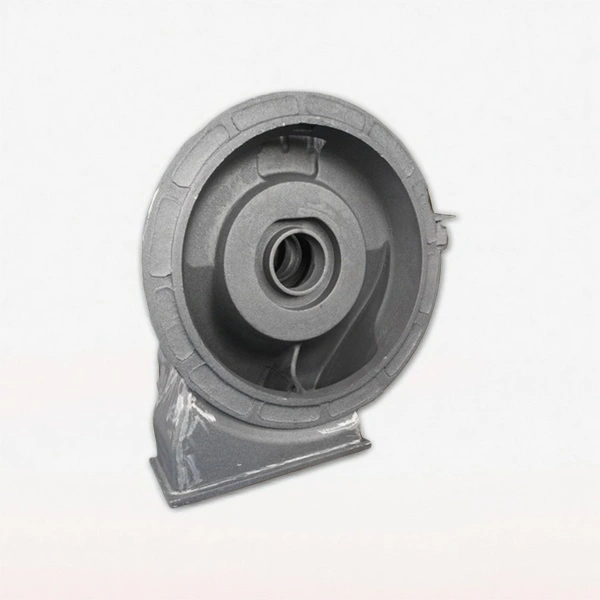
High-speed railway bridge embedded bearing steel baseplates (hereinafter referred to as “base plate”) are core embedded components used for the installation of bearing systems in high-speed railways and large bridge projects. They are made of high-strength hot-dip galvanized steel plates (such as Q345 materials). They are pre-embedded in concrete structures to provide a stable and flat installation base for the bearings, ensuring that the bridge load is evenly transferred to the lower structure. 同時に, they have anti-seismic, shock-absorbing and durability functions, and are key components to ensure the safe operation of high-speed railways.
base plate
Features of Base Plate
1.高い強度と耐久性
Q345 high-strength steel is used, with a tensile strength of ≥345MPa and a yield strength of ≥235MPa. It can withstand train loads, earthquake forces and environmental erosion, and has a service life of more than 50 年.
Surface hot-dip galvanizing treatment (zinc layer thickness ≥85μm), corrosion resistance is improved by 3-5 回, and it is suitable for harsh environments such as high humidity and salt spray.
2.Precise positioning and seismic design
The flatness error of the steel plate is ≤0.5mm, and the hole position deviation is ≤±1mm, ensuring that the support and the steel plate fit tightly to avoid bias or local stress concentration.
The anti-slip coefficient is ≥0.6, and it can withstand horizontal displacement under earthquake and wind loads when filled with epoxy resin mortar.
3.Multifunctional adaptability
It supports a variety of fixing methods such as bolt connection and welding, and is compatible with various types such as plate rubber bearings and spherical steel bearings
The inclined steel plate can be customized according to the longitudinal slope requirements of the bridge to meet the longitudinal slope adjustment accuracy of ±3%.
4.Environmental protection and maintenance cost optimization
Reduce the friction coefficient of the bearing to below 0.03, reduce the vibration and noise of train operation, and extend the bearing maintenance cycle to more than 10 年.
Features of Base Plate
Parameter Category
テクニカル指標
材料
Q345 hot-dip galvanized steel plate
Thickness (mm)
12/16/20/25 (select according to load level)
寸法 (mm)
Conventional: 400×400, 500×500, 600×600 Customization: Match according to the bearing model
Hole specifications
M16/M20/M24 bolt holes, spacing in accordance with GB/T 17955 標準
As the connection medium between the bearing and the concrete structure, the live load and dead load of the train are evenly transferred to the bridge pier to avoid concrete cracking caused by local stress concentration
2.Earthquake resistance and shock absorption
Through high anti-slip coefficient and flexible connection design, it absorbs seismic energy, reduces the risk of shear deformation of the bearing, and ensures the integrity of the bridge structure
3.Improved construction efficiency
The embedded design reduces on-site drilling and welding operations, shortens the construction period by more than 20%, and avoids secondary damage to the concrete structure
4.Reduced maintenance costs
Reduce bearing wear and noise, extend the life of the bearing to more than 10 年, and reduce the maintenance cost of the high-speed rail throughout its life cycle.
Application scenarios of steel plate base
1.High-speed railway bridge engineering
Applicable to the installation of bridge bearings on 350km/h lines such as the Beijing-Shanghai High-speed Railway and the Beijing-Guangzhou High-speed Railway, especially for complex working conditions such as cross-river and cross-sea bridges and elevated sections
2.都市鉄道交通
Pre-embedded bearings for subway and light rail bridges solve the problem of bearing positioning for special lines with small curve radius and large longitudinal slope
3.Existing bridge reconstruction
In the old bridge reinforcement project, the bearing capacity is improved by pre-embedded plates to extend the service life of the bridge
4.Industry and construction
Pre-embedded extension supports for large-scale plant and equipment foundations to provide high-precision connection nodes
Installation and quality control
Construction process
Positioning and laying out → template fixing → steel plate spot welding → concrete pouring → maintenance → bearing installation
Key control points
The horizontal error of the steel plate is ≤1/1000, and the elevation deviation is ≤±2mm
Avoid direct impact on the steel plate during concrete pouring, and adopt a layered vibration process
Quality inspection
Appearance inspection: no detachment of the galvanized layer and no deformation of the steel plate