WeChat コードをスキャンしてご連絡ください
WeChat コードをスキャンしてご連絡ください
お気軽にメールをお送りください。できるだけ早くご返信させていただきます.
心と魂で未来を創る


鋳造業界では, sand casting is the absolute mainstay. When it comes to 砂型鋳造, “樹脂砂” そして “コーティングされた砂” are indispensable. しかし, in practical applications, they each have their own characteristics and uses.
Resin sand, 名前が示すように, is a mixture of raw sand (usually quartz sand) and a synthetic resin binder. Its core technology is “自己硬化性”, which means that the mixed sand will gradually harden on its own.

1. How does it work?
Workers first quickly mix raw sand with a resin binder (often with a catalyst) in a sand mixer. They then quickly fill the mixture into a mold (also called a sand box) and compact it by tamping or vibrating. Once filled, no additional heating is required. With the help of the catalyst, the resin in the sand undergoes a chemical reaction at room temperature, cross-linking and curing. After about a few hours, it becomes a solid sand block. この時点で, the mold is disassembled, revealing a sand mold with an interior shape identical to the part.
2. What are its characteristics?
Flexible size, suitable for large parts: Resin sand is self-hardening and very strong, so it can be used to make very large castings. Resin sand is widely used in large machine tool beds, ship engine blocks, large valves and other “giants”.
Precision and finish: Compared with traditional water glass sand or clay sand, resin sand castings are more precise in size and have a smoother surface.
The process is relatively simple: no complex heating equipment is required, and the site adaptability is good. After molding, the sand mold has high hardness, is easy to carry, and is not easily damaged.
A bit of “smell”: The resin will emit some pungent odor during the curing process, 作業環境の換気要件は比較的高い.
コストに関する考慮事項: 樹脂バインダー自体のコストは安くない, ただし、単品の場合, 小ロットの大型鋳物, 全体的なコストは依然として有利です.
要するに, レジンサンドは、複雑で大規模なブランク鋳物をゼロから構築するのが得意です, 重機製造産業の基礎です.
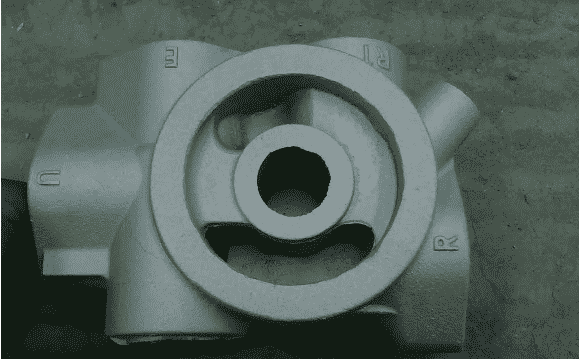
の “コーティングされた” コーティングされた砂の一部が本質です. 固体フェノール樹脂の薄い層でコーティングされたプレコートサンド素材です。, 粒状のものを作る, “プレコートされた” 砂. この砂は室温では緩んでいますが、, その形成は完全に熱に依存します.
1. How does it work?
初め, 金型 (通常は鉄か銅) 加熱機能を内蔵した製品が誕生. 乾燥してコーティングされた砂がこの金型に注入または流し込まれます。, 200~300℃に加熱したものです. 型の近くのコーティングされた砂は高温にさらされます, 表面の樹脂層が急速に溶けて流動します。, その後再び固まります, 厚さ数ミリの硬い殻を形成する. 砂殻が完全に固まるまで数十分〜数分待った後, 型が開いた状態, そして空洞, 滑らかな壁 “砂の殻” 形成される. これは私たちがよく呼ぶものです “シェルモールド” または “シェルコア。”
2. What are its characteristics?
高精度で滑らかな表面: これがコーティングサンドの最大のメリットです. 精密な金型で熱成型されているため、, 得られる砂中子の寸法は非常に正確です, 鋳造部品の内部の穴またはキャビティの表面は非常に滑らかです。, 後続の処理はほとんど必要ありません.
超高効率, バッチ生産に適しています: The heating and curing process is very fast, and a sand core can usually be made in one or two minutes, which is particularly suitable for automated and large-scale production.
High strength and high gas generation: The sand shell made of coated sand is very hard. しかし, the disadvantage is that when pouring molten iron, the resin decomposes due to heat and produces a large amount of gas. If the exhaust design is not good, it is easy to cause porosity defects in the casting.
Expertise in creating the “コア”: Coated sand isn’t primarily used to create the outer mold for the entire casting; rather, it’s specifically used to create the “sand core” placed inside the mold to form the complex inner cavity of the casting. 例えば, 自動車エンジンのシリンダーブロックとシリンダーヘッド内の曲がりくねった水路と油路はすべて個別にコーティングされた砂中子で構成されています.
したがって, 高温の金型を使用して、精巧なディテールを持つ砂中子を迅速かつ正確に複製します。.
より直感的な理解のために, 表を作ってまとめてみましょう:
| 特徴 | Resin sand | コーティングされた砂 |
| ものづくりの真髄 | 化学冷却 (自己硬化性) | 熱硬化 (熱硬化性) |
| 主な用途 | の製造 大型鋳物用砂型全体 | 精密砂中子 中小規模向け -サイズの鋳物 |
| 特徴 | 鋳造サイズが大きく、表面品質が良好 | 鋳物は寸法が正確で、 非常に滑らかな表面仕上げを持っています |
| 生産効率 | 遅い, 硬化するまでに数時間かかる, 単品や小ロットに適しています | 非常に速い , 硬化には数分しかかかりません, 大量に適しています |
| 製造コスト | Material costs are high, but mold and equipment costs are relatively low | The manufacturing cost of metal molds is high , but the efficiency of each piece is high |
| Applicable castings | Machine tool beds, large gears, バルブ, ポンプ本体, 等. | Engine cylinder head, hydraulic valve block, pipe joint, 等. |
洛陽豊洋重工業株式会社, 株式会社, に設立された 1998, 鉄道鋳物部品のメーカーです. 当社の工場面積は72,600㎡です。, 以上の 300 従業員, 32 技術者, 含む 5 シニアエンジニア, 11 アシスタントエンジニア, そして 16 技術者. 弊社の生産能力は 30,000 年間トン. 現在, 私たちは主に鋳物を生産しています, 機械加工, 機関車の組立て, 鉄道車両, 高速鉄道, 鉱山機械, 風力, 等.
当社はCRRCに鉄道部品を供給しています。(以上を含む 20 CRRCの支店および子会社), Gemacエンジニアリングマシナリー, サニーグループ, 中信重工業, 等. 当社の製品はロシアに輸出されています, 米国, ドイツ, アルゼンチン, 日本, フランス, 南アフリカ, イタリアをはじめとする世界中の国.