WeChat コードをスキャンしてご連絡ください
WeChat コードをスキャンしてご連絡ください
お気軽にメールをお送りください。できるだけ早くご返信させていただきます.
心と魂で未来を創る


世界の重工業サプライチェーンにおいて, 1500℃の溶融金属から高精度の部品までの過程は、微妙な化学バランスによって支配されます。. Whether we are manufacturing Stator End Press Ring for Traction Motor for high speed train or Gearbox Housing for a locomotive, the reliability of the steel casting part is written in its chemical “DNA。”
In the foundry industry, the chemical composition of cast steel is centered around what we call the “Big Five” elements. Understanding these is the first step in successful foundry material selection. 今日, we will explore the first three architects of steel: Carbon (C), Silicon (そして), and Manganese (ん).
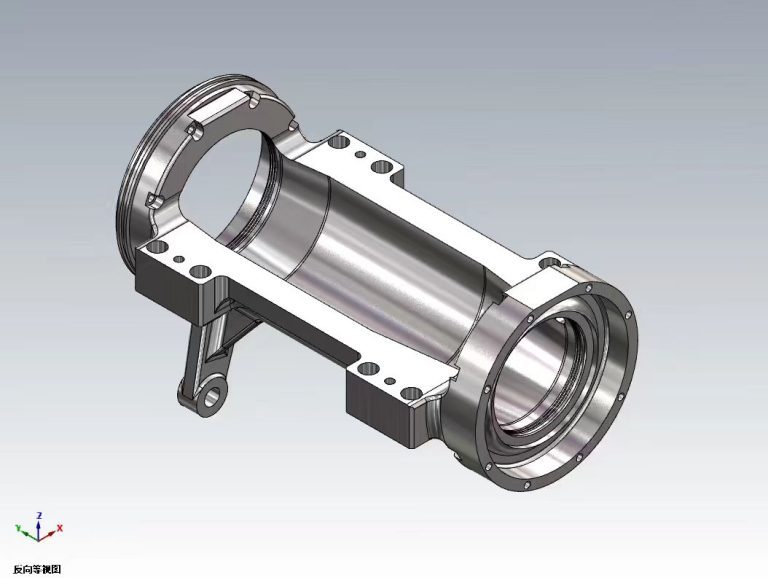
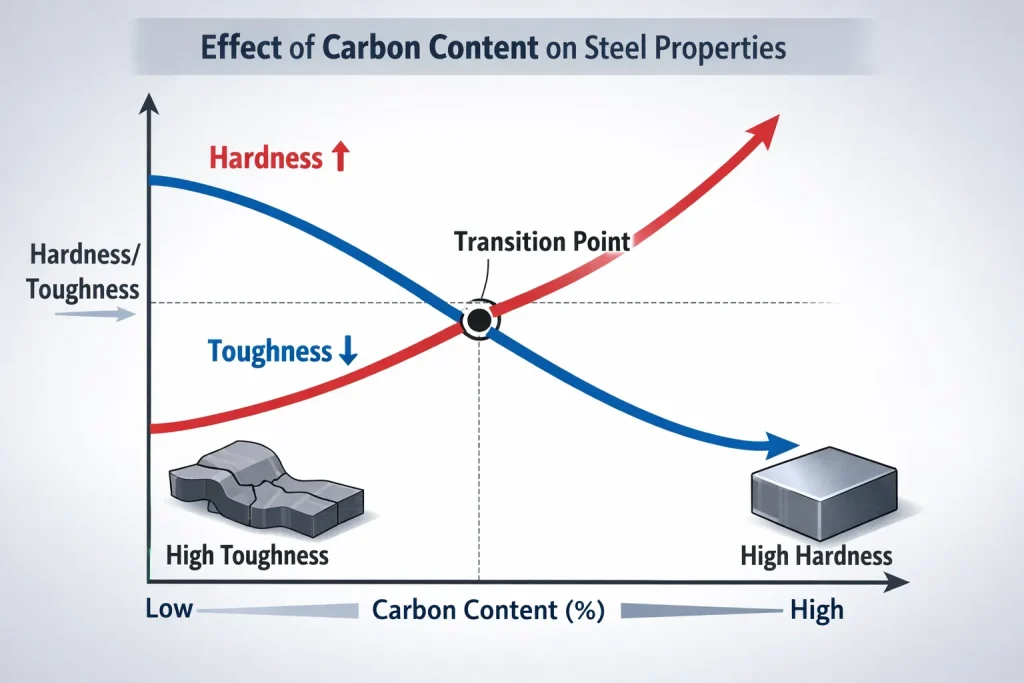
If steel were a person, Carbon would be the muscle. It is the primary steel casting element that determines the mechanical hardness and ultimate tensile strength of the final product.
Carbon atoms sit within the crystal lattice of iron, preventing the layers of atoms from sliding past each other. As Carbon content increases, the steel becomes significantly harder. This is essential for heavy-duty industrial applications where structural integrity is non-negotiable.
しかし, Carbon is a double-edged sword. Excessive carbon reduces ductility, that is the ability of the metal to deform without breaking. High-carbon steel is like a diamond; it is incredibly strong but prone to shattering under sudden impact (brittleness). For engineers, the goal is to find the “Golden Mean.”
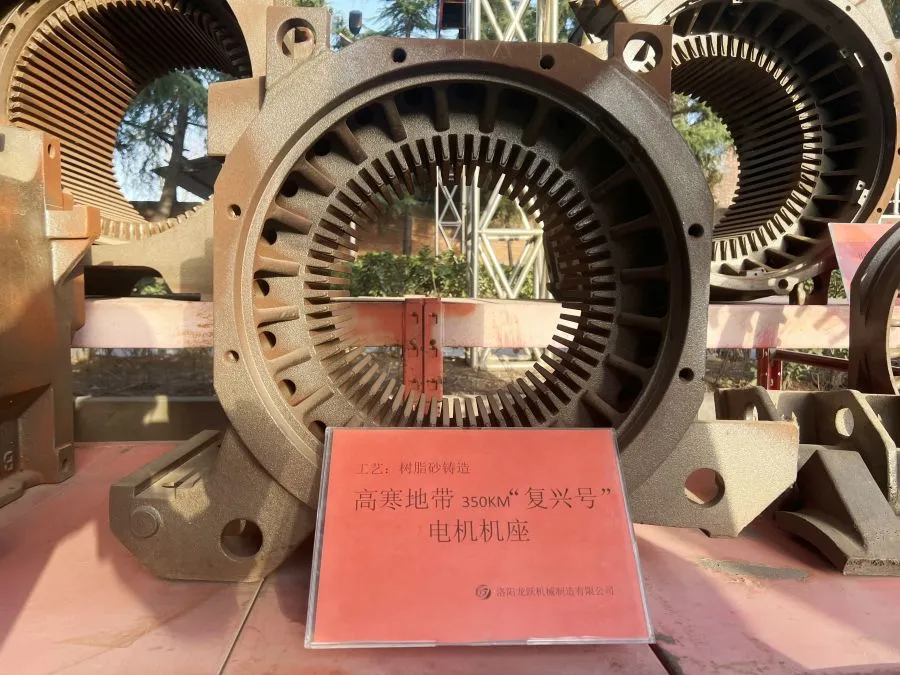
When analyzing the chemical composition of cast steel, Silicon is the “fluidity master.” In the foundry, の “castability” of a metal is just as important as its final strength.
Silicon lowers the melting point slightly and thins the molten metal. This allows the steel to flow like water into complex mold designs, such as the thin ribs of a Motor Stator Base or the intricate internal cooling channels of a Gearbox Housing.
Silicon also acts as a powerful deoxidizer. During melting, steel absorbs oxygen, which can cause internal “gas holes” (porosity) during cooling. Silicon reacts with this oxygen to form silica, which floats to the top as slag, leaving behind a dense, “clean” 鋳造.
Manganese is the “silent protector” in the alloy. It is a critical steel casting element that ensures the component can survive millions of stress cycles without fatigue failure.
Unlike Carbon, Manganese increases “焼入性” and strength without making the steel as brittle. It ensures that a large casting, such as a Traction Seat, is strong from the surface all the way to its thickest core.
One of Manganese’s most vital roles is neutralizing Sulfur. Sulfur is a dangerous impurity that causes “hot shortness”—where the steel cracks while it is still red-hot in the mold. Manganese binds with Sulfur to form harmless Manganese Sulfide (MnS) 内包物, essentially “healing” the steel from within.
In professional foundries like ours, we don’t just look at elements in isolation. we look at the Carbon Equivalent (CE).
The CE formula combines the effects of Carbon, Manganese, and other alloys to predict how well the steel can be welded. A higher CE usually means a harder part but one that requires pre-heating before welding. By calculating the CE for every batch of ZG275-485H or 40Cr, we ensure our clients receive parts that are easy to integrate into their final assemblies.
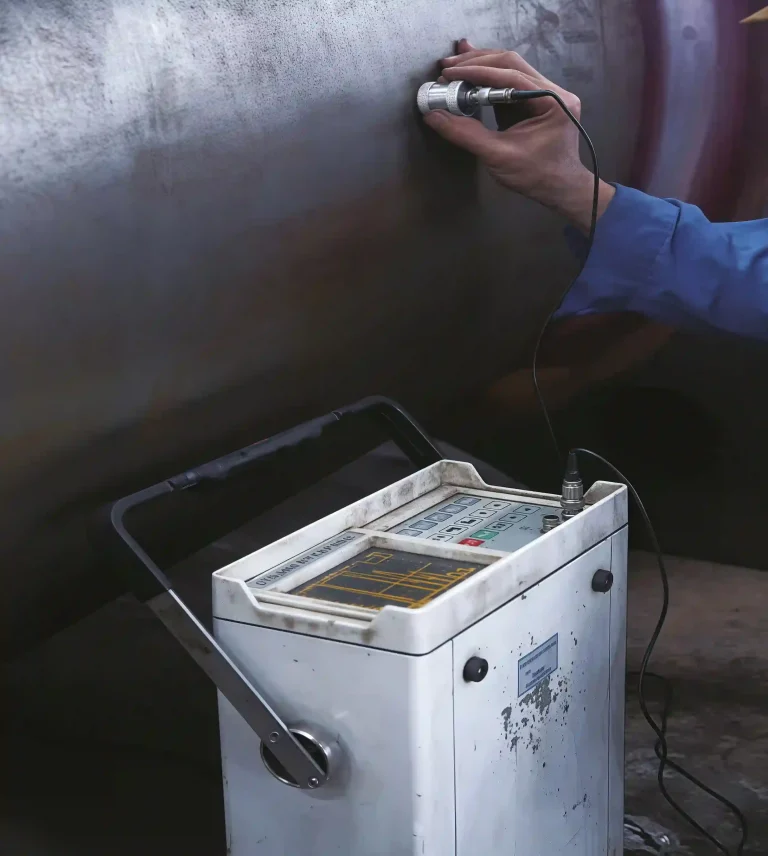
To ensure your Axle Box or Motor Base meets the exact chemical DNA required, we utilize state-of-the-art Optical Emission Spectrometers (OES). Before every pour, a small sample of the molten metal is analyzed in seconds. If the Manganese is 0.05% too low, we adjust it immediately. This level of precision is why our castings are trusted in -40°C wind farms and high-speed rail networks.
で 洛陽豊洋重工業株式会社, 株式会社., we understand that precision starts with the right chemistry. We specialize in high-performance steel casting elements tailored for the most demanding environments.
Our Core Product Range:
Precision casting. Proven chemistry. Global reliability.
👉 Explore our full product catalog:
📧 Inquiry & Technical Support: お問い合わせ
📍 Visit Our Website: www.railwaypart.com