WeChat コードをスキャンしてご連絡ください
WeChat コードをスキャンしてご連絡ください
お気軽にメールをお送りください。できるだけ早くご返信させていただきます.
心と魂で未来を創る


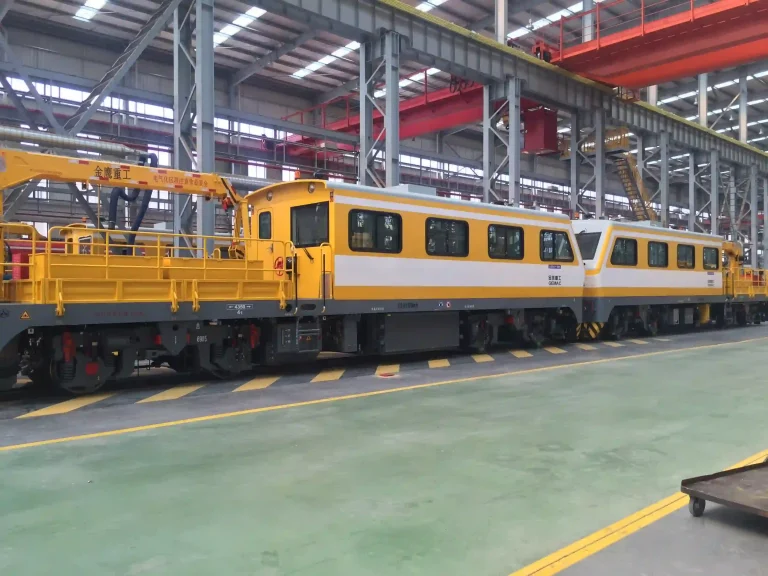
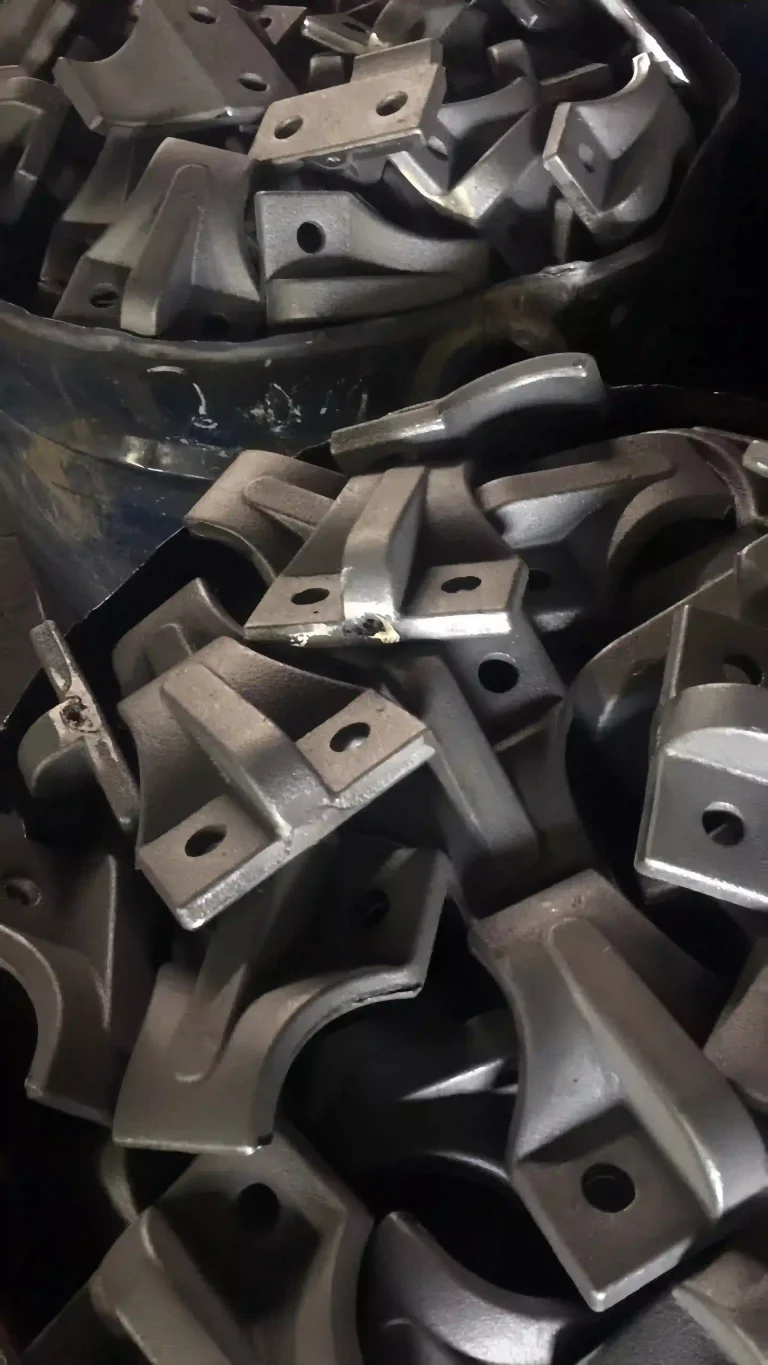
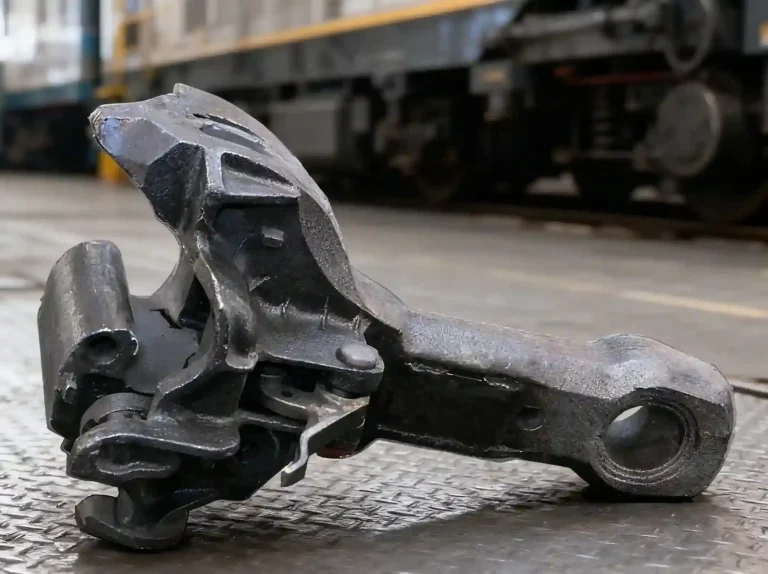
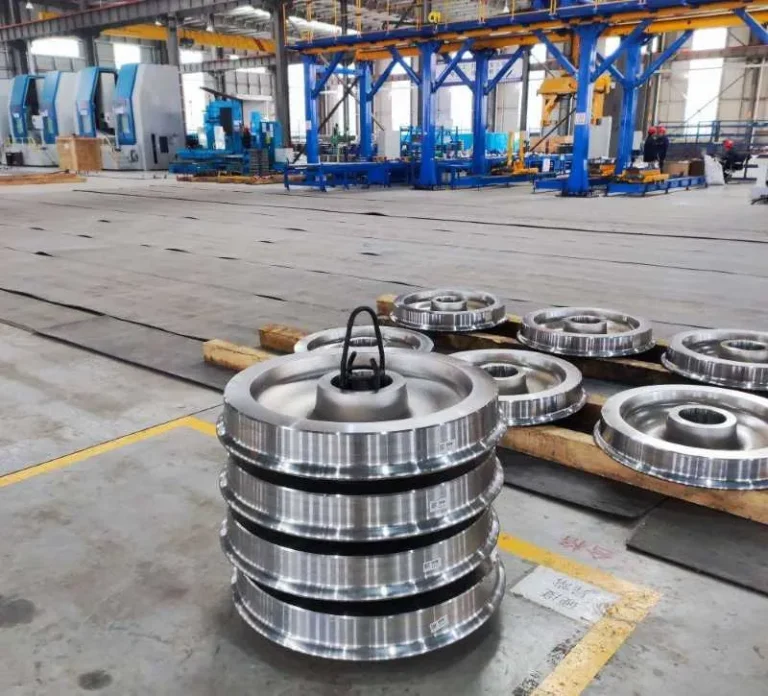
Behind the high-speed train running smoothly at a speed of 350 時速キロメートル, key cast iron components such as bogies and wheels are silently enduring complex stresses. The precise manufacturing of these components cannot do without furan resin sand cast iron technology – a modern casting process that integrates chemical hardening and precision forming. It has become one of the core technologies in railway equipment manufacturing due to its advantages such as hardening at room temperature, high dimensional accuracy and the recyclability of old sand.
The birth of furan resin sand technology originated from the demand for breakthroughs in traditional casting processes.
European and American scientists have discovered that when furfuryl alcohol (the main component of furan resin) is mixed with acidic curing agents, high-strength sand molds can be formed at room temperature. これ “cold hard” property resolves the problems of traditional clay sand requiring high-temperature baking and having low dimensional accuracy, making precision casting possible.

China initiated research on furan resin sand in 1973. Huazhong University of Science and Technology analyzed the membrane structure of the resin through scanning electron microscopy. Shenyang Foundry Research Institute, in collaboration with over 20 units across the country, overcame key technologies such as the selection of raw sand and environmental protection dust removal. で 1979, the State Science and Technology Commission initiated the project “Research on the Process of Large Cast Steel Parts”, promoting this technology from the laboratory to the production line and making China the third country in the world to master this technology.
The core of furan resin sand lies in its unique chemical hardening mechanism and material properties.
When sulfonic acid curing agent comes into contact with furan resin, the hydroxymethyl group (-CH₂OH) in the molecular chain undergoes a cross-linking reaction with the furan ring, forming a three-dimensional network structure. This process does not require heating. At room temperature, it can achieve a tensile strength of 1.5-2.0MPa within 10-30 分, which is more than three times higher than that of traditional clay sand.
Furan resin sand technology has been deeply integrated into railway equipment manufacturing and has become the “molding code” for key components.
In the casting of the sleeper beams of the CRH380A EMU, this technology reduced the porosity defect rate from 8% に 0.3% by optimizing the sand-iron ratio (2.2:1) and the ceramic tube pouring system, decreased the weight of a single piece by 12%, and simultaneously increased the fatigue life by 30%.
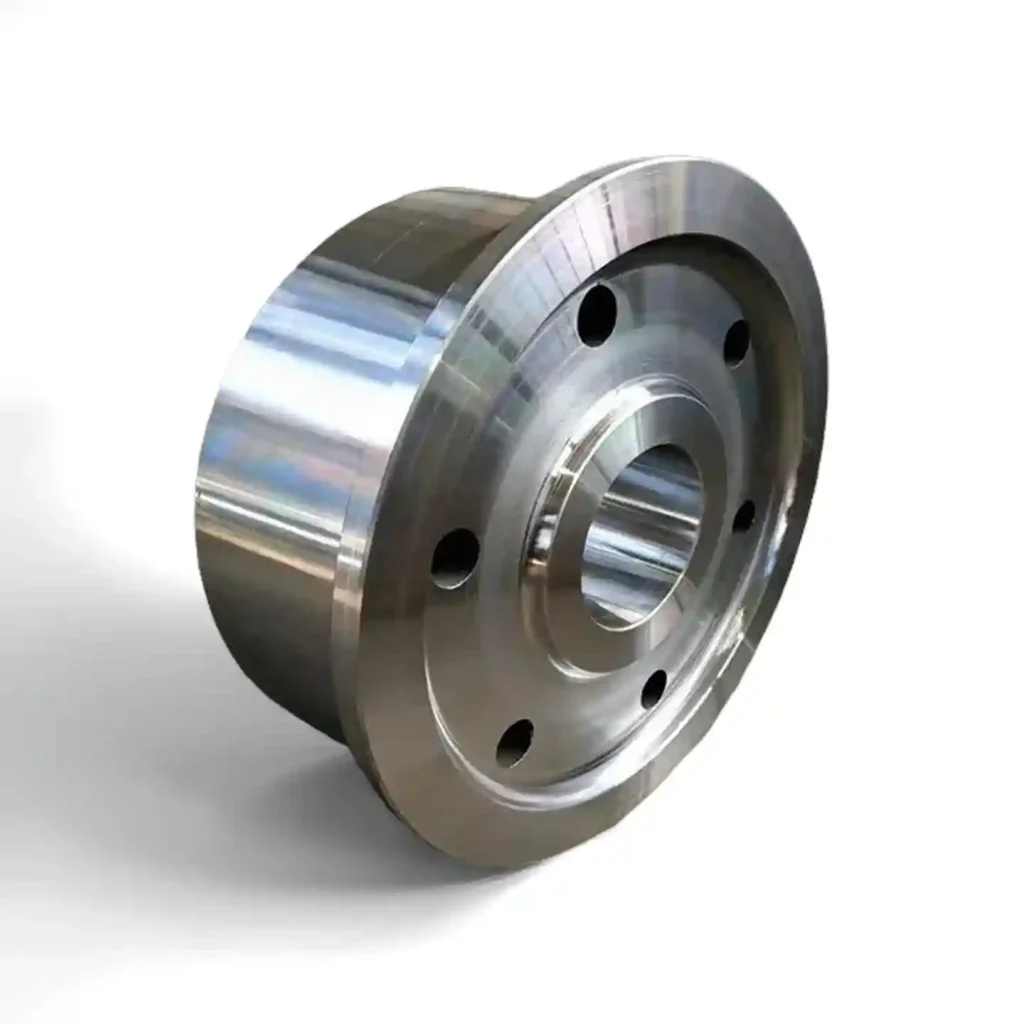
In the casting of the wheelset axle box of the Harmony locomotive, resin sand with 0.5% iron oxide additive was added, which increased the thermal strength of the sand mold to 3MPa (at 900℃), effectively resisting the thermal shock of molten metal, reducing shrinkage porosity defects, and achieving a product qualification rate of 99.2%.
The casting of high-speed rail brake discs uses low-nitrogen resin (nitrogen content ≤0.5%), combined with vacuum melting technology, to control the nitrogen pore defect below 0.1mm. The braking life exceeds 6 百万キロメートル, meeting the strict requirements of high-speed rail with a speed of 350 時速キロメートル.
In response to the “dual carbon” goals and the demand for high-speed rail speed increase, furan resin sand technology is upgrading towards intelligence and greenness.
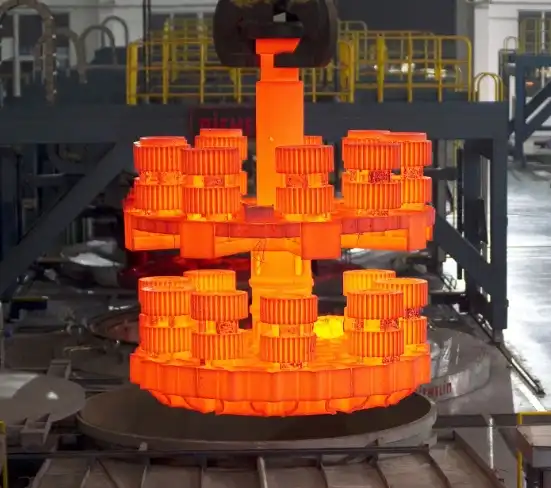
From laboratory test tubes to high-speed rail production lines, furan resin sand technology has transformed an “alternative solution” into a “core process” in just half a century. With breakthroughs in technologies such as nano-modified resins and 3D printed sand molds, it will continue to drive China’s railway equipment manufacturing towards higher precision, greener and smarter directions, providing a solid “invisible support” for the “China Speed”.
洛陽豊洋重工業株式会社, 株式会社, に設立された 1998, is a manufacturer in cast railway parts. 当社の工場面積は72,600㎡です。, 以上の 300 従業員, 32 技術者, 含む 5 シニアエンジニア, 11 アシスタントエンジニア, そして 16 技術者. 弊社の生産能力は 30,000 年間トン. 現在, 私たちは主に鋳物を生産しています, 機械加工, 機関車の組立て, 鉄道車両, 高速鉄道, 鉱山機械, 風力, 等. 当社の製品はロシアに輸出されています, 米国, ドイツ, アルゼンチン, 日本, フランス, 南アフリカ, イタリアとその他の国.