סרוק את קוד WeChat כדי ליצור איתנו קשר
סרוק את קוד WeChat כדי ליצור איתנו קשר
אתם מוזמנים לשלוח לנו מייל ואנו נענה לכם בהקדם האפשרי.
יצירת העתיד בלב ובנשמה


60Si2Mn משמש עבור תפסי מסילה כי מדובר בפלדת קפיצית סיליקון-מנגן עם גבול אלסטי גבוה ועמידות טובה לעייפות. לאחר מרווה וטינון, הוא יוצר מבנה מיקרו מחוסם אחיד המאפשר לקליפס לאגור כוח הידוק כסטייה אלסטית ולהחזיק אותו על פני מיליוני מחזורי עומס. הסיליקון והמנגן בדרגה פועלים יחד כדי להעלות את הגבול האלסטי ולהתנגד להרפיית מתח, וזה בדיוק מה שקליפס קפיצי צריך כדי לשמור על המסילה לחוץ לאורך עשרות שנות שירות.
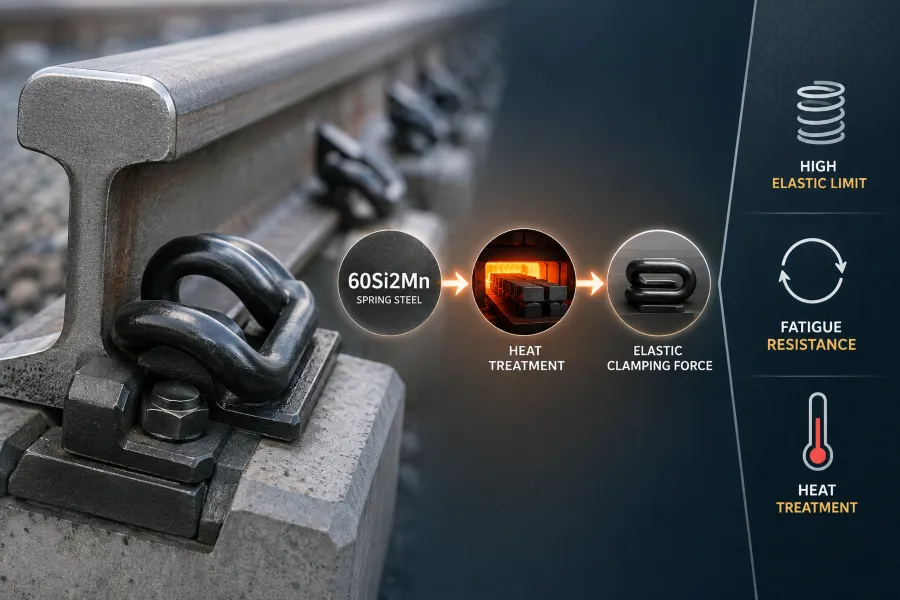
אם אי פעם הסתכלת על מפרט קליפ מסילה וראית “60Si2Mn” כתוב כחומר, ואז ראיתי ציור אחר שאומר “38Si7” אוֹ “60Si2CrA”, שאלת את השאלה שמאמר זה עונה. הקליפ נראה אותו הדבר. זה עושה את אותה העבודה. אז למה יש חשיבות לייעוד החומר?
במבט ראשון, הבחירה נראית כמו פרט: פלדה היא פלדה.
לְמַעֲשֶׂה, חומר קליפ מסילה אינו כל כך פשוט.
תפס מסילה הוא קפיץ. כל עבודתו היא להסיט במהלך ההתקנה, אחסן את ההסטה ככוח הידוק, ולהמשיך לדחוף את רגלית המעקה במשך שנים מבלי להירגע או להיסדק. לא כל פלדה יכולה לעשות את זה. החומר נבחר במיוחד לאופן שבו הוא מתנהג כקפיץ, ו-60Si2Mn הוא אחד מהציונים הנפוצים ביותר מסיבה זו.
אז מה הופך את 60Si2Mn לחומר המתאים לתפסי מסילה, ומה כדאי לבדוק כשהיא מופיעה בציור? מדריך זה עונה מדוע תפסי מסילה 60Si2Mn כל כך נפוצים, ומה באמת מבטיח שם הכיתה.
60Si2Mn היא פלדת קפיצית סיליקון-מנגן, וזה החומר שמאחורי רוב תפסי הרכבת 60Si2Mn שתראו בשירות. השם עצמו אומר לך את ההרכב, במערכת הייעוד הסינית שבה המספר הוא תכולת הפחמן והאותיות הן יסודות הסגסוג.
שם הכיתה מתפרק כך: את “60” מתייחס לתכולת פחמן נומינלית של 0.60%, את “Si2” מציין בערך 2% סִילִיקוֹן, ואת “Mn” מציין מנגן. זה לא שילוב אקראי. פחמן מספק את הכוח, סיליקון משפר את ההתנהגות האלסטית, ומנגן משפר את ההתקשות והחוזק.
בתרגול בינלאומי, 60Si2Mn תואם בערך ל-SAE/AISI 9260, וציונים דומים מופיעים במערכות ייעוד אחרות תחת שמות כמו 60Si7. ההתכתבות קרובה, אך יש לבדוק את מגבלות ההרכב המדויקות ואת התקן הרלוונטי עבור כל פרויקט, כי הציון מוגדר לפי התקן השולט בו.
טווח ההרכב האופייני ל-60Si2Mn, כמפורט בתקן פלדת קפיץ הרלוונטי, הוא בערך 0.56 אֶל 0.64% פַּחמָן, 1.50 אֶל 2.00% סִילִיקוֹן, ו 0.60 אֶל 0.90% מַנגָן, עם הגבלות על זרחן וגופרית. הערכים המדויקים תלויים במהדורה הסטנדרטית ובקבוצת האיכות המטלורגית, ולכן יש להתייחס לחומר תמיד לתקן ולא רק לשם.
לקליפ שחייב לשרוד מיליוני מחזורים, הקומפוזיציה היא רק נקודת ההתחלה. טיפול החום הופך את ההרכב הזה למעיין.
הסיבה שתפסי מסילה עשויים מפלדה קפיצית, במקום פלדה מבנית רגילה, מסתכם בנכס אחד: הגבול האלסטי. והסיבה שתפסי מסילה 60Si2Mn עובדים כל כך טוב היא שהכיתה הזו תוכננה להעלות בדיוק את הנכס הזה.
קפיץ אוגר אנרגיה על ידי הסטה בטווח האלסטי שלו. כאשר העומס מוסר, הוא חוזר לצורתו המקורית ומשחרר את האנרגיה. קליפ מסילה מותקן על ידי הסטתו, ושהסטה היא מה שמייצר את כוח ההידוק על רגל המסילה. ככל שהגבול האלסטי גבוה יותר, ככל שניתן להסיט את הקליפ יותר ויותר כוח הידוק הוא יכול לאחסן מבלי לעוות לצמיתות.
פלדה רגילה מניבה בקלות רבה מדי לעבודה זו. תחת עומס חוזר ונשנה של רכבות חולפות, הוא יאבד בהדרגה את צורתו ואת כוח ההידוק שלו. פלדת קפיצים מתוכננת להתנגד לכך.
סיליקון ומנגן ממלאים כל אחד תפקיד מסוים:
סִילִיקוֹן. הסיליקון הוא האלמנט שמעלה את הגבול האלסטי ומשפר את העמידות בפני הרפיית מתח. הרפיית מתח היא אובדן הדרגתי של כוח ההידוק לאורך זמן כאשר קפיץ נשאר מוסט. לקליפס מסילה שחייב להחזיק את עומס האצבעות שלו במשך שנים, ההתנגדות להרפיה חשובה לא פחות מהכוח הראשוני.
מַנגָן. מנגן משפר את יכולת ההתקשות, כלומר ניתן להקשיח את הפלדה בצורה אחידה יותר דרך החתך במהלך טיפול בחום. זה גם תורם לכוח.
יַחַד, הפחמן, סיליקון ומנגן ב-60Si2Mn נותנים לפלדה גבול אלסטי גבוה, קשיחות טובה וקשיחות נאותה עבור רכיב קפיץ. זה הצד החומרי של התשובה.
הצד השני הוא מה שקורה בתנור.
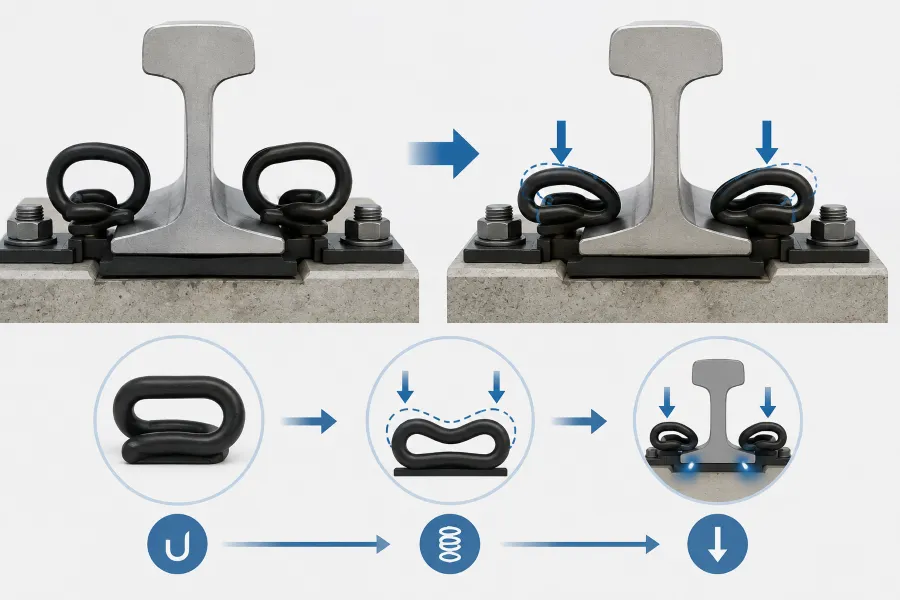
ההרכב של 60Si2Mn שימושי רק מכיוון שהוא מגיב היטב לטיפול בחום. זה מה שהופך את הפלדה לקפיץ שהופך את תפסי מסילות 60Si2Mn לאמינים לאורך חיי השירות שלהם.
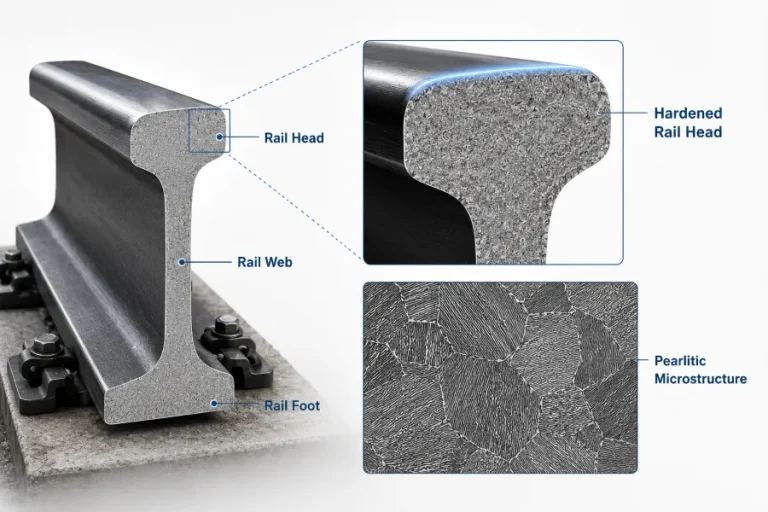
נוצר קליפ מסילה, לאחר מכן מרוווה ומחוסן. מרווה מקשה את הפלדה. טמפרור מקל על שבירות ומייצר את המיקרו-מבנה הסופי שנותן לקליפס את התנהגות הקפיץ שלו. התוצאה היא מבנה מחוסם אחיד עם גבול אלסטי גבוה וקשיחות מספקת כדי למנוע שבר שביר.
הטיפול בחום אינו פרט שיש להניח. טמפרטורת ההמרה, טמפרטורת הטמפרור ובקרת הקירור כולם משפיעים על המאפיינים הסופיים. שני קליפס העשויים מאותו הרכב 60Si2Mn אך מטופלים בחום שונה לא יתנהגו אותו דבר בשירות.
זו הסיבה שדרישות התכונה המכנית לפלדה קפיצית ניתנות בדרך כלל יחד עם מצב הטיפול בחום. עבור 60Si2Mn, חוזק המתיחה שניתן להשיג תלוי בטמפרטורת החיסום: טמפרטורת מזג נמוך יותר נותנת חוזק גבוה יותר וטמפרטורת טמפרור גבוהה יותר נותנת קשיחות רבה יותר. המפרט בוחר את האיזון שהקליפ צריך.
הנקודה המעשית היא זאת “60Si2Mn” על ציור הוא קיצור. הדרישה המלאה היא הציון פלוס טיפול החום פלוס דרישות הבדיקה. ספק שציטט רק את הציון לא אמר לך מספיק. אם אתה עובד על תמונת התחזוקה הרחבה יותר, המדריך שלנו לתחזוקת מסילת רכבת מראה היכן מצב הקליפס יושב בתוך מחזור הבדיקה המלא.
זו השאלה שעומדת בלב העניין. אם 60Si2Mn חזק, why not use a higher-strength steel and get a stronger clip?
Because a rail clip is not chosen for strength alone. It is chosen for the combination of elastic limit, fatigue resistance and resistance to relaxation.
A very high-strength steel may have a high yield strength but poor resistance to stress relaxation, or it may be brittle and prone to sudden fracture under impact. A clip made from such steel could hold enormous clamping force initially and then lose it over time, or crack under a shock load.
The right spring steel balances the properties. It is strong enough to carry the load, elastic enough to store and return energy, tough enough not to fracture, and resistant enough to relaxation to hold its clamping force for years.
That balance is exactly what silicon-manganese spring steel is designed to provide, and exactly why 60Si2Mn rail clips have become a default choice across many fastening systems. This is also why two clips with the same geometry can behave very differently if they are made from different grades: the geometry determines the deflection, but the material determines what happens to the force over time.
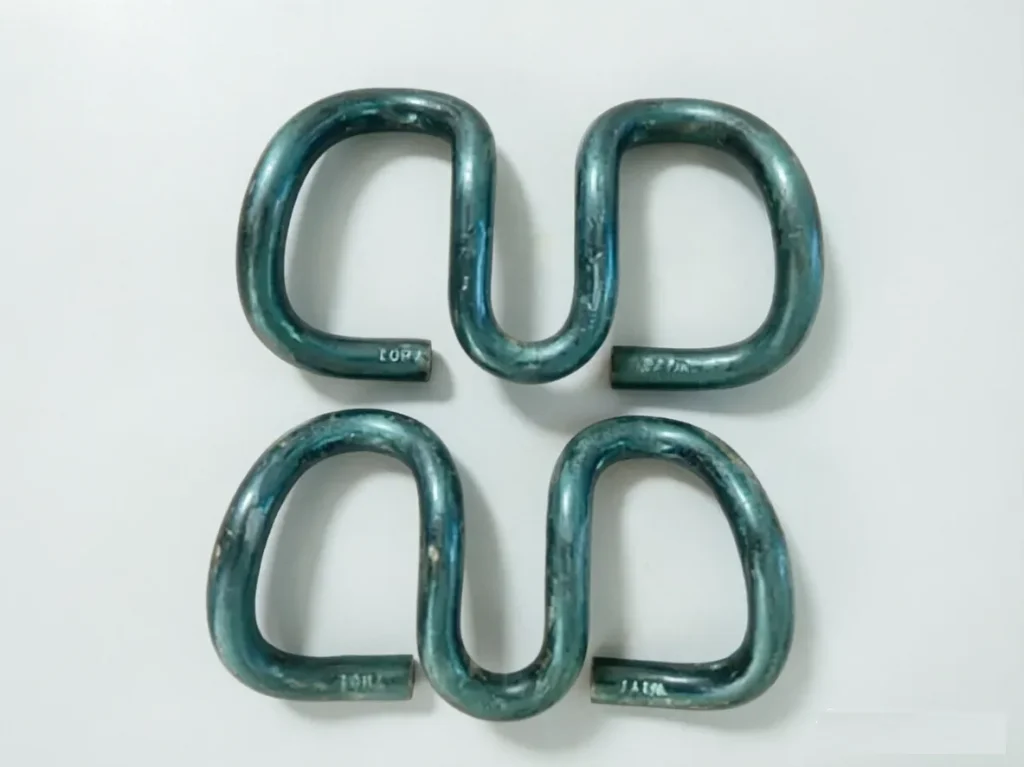
60Si2Mn is common, but it is not the only spring steel used for rail clips. The choice between grades usually comes down to the service conditions and the standard.
| צִיוּן | Typical Role | Why It Is Chosen |
|---|---|---|
| 60Si2Mn | General elastic clips, E-type and SKL designs | Balanced elastic limit, fatigue and availability |
| 60Si2CrA | Higher-strength clips, heavy-haul applications | Chromium improves hardenability and fatigue |
| 38Si7 | Some SKL-type clips | Different alloying balance, commonly in European practice |
| 55Si2Mn | Spring components with lower carbon | Slightly softer, where less strength is needed |
This table is a simplified comparison, not a universal specification. The final material choice depends on the clip design, the toe load required, the standard that applies and the service conditions.
The important point is that these grades are alternatives, not upgrades in a simple ranking. A grade with more chromium or more carbon is not automatically better for every clip. It is chosen where the design or the standard calls for it.
If you are comparing clip types themselves, our guide toE-clip vs SKL clip covers the system differences, while this article focuses on the material they share or trade between.
When buying rail clips, I would not stop at asking whether the material is 60Si2Mn. Ask what the material requirement actually includes.
A reliable supplier should be able to provide:
For larger projects, traceability matters most. If a batch of clips later shows relaxation or cracking, the ability to trace it back to the heat and the heat treatment records is what makes the investigation possible.
The material designation is a promise about how the clip will behave, and that promise is only as reliable as the heat treatment and inspection behind it. המדריך שלנו לrailway standards for wheels explains the same principle for standards in general.
60Si2Mn is used for rail clips because a rail clip is a spring, and silicon-manganese spring steel is engineered to be a spring: high elastic limit, עמידות טובה לעייפות, and resistance to stress relaxation over years of service. The composition sets the foundation, and the quenching and tempering turn it into the component that holds the rail down.
That is why I would not recommend choosing a rail clip based on the material grade alone. Start with the clip design and the toe load. Check the applicable standard. Confirm the heat treatment and the test requirements. Then compare suppliers on the system behind the grade, not the grade name itself.
בְּ Luoyang Fonyo Heavy Industries Co., בע"מ., אנו מייצרים תפסי מסילה אלסטיים in 60Si2Mn and other spring steel grades, together with ברגי דגים, צלחות דגים ו רפידות מסילה, לפי ציורי הלקוח, תקנים ודרישות פרויקט ישימות. For rail clips, we can review the required material grade, טיפול בחום, testing and inspection requirements before production.
אם יש לך ציור, specification or an existing clip sample, שלח לנו את הפרטים. Our engineering team can help check the required clip material, דרישות התקן והייצור החלות לפני הצעת המחיר.
Because 60Si2Mn is a silicon-manganese spring steel with a high elastic limit and good fatigue resistance. לאחר מרווה וטינון, it stores clamping force as elastic deflection and holds it over millions of load cycles, which is what a rail clip needs.
It is a steel grade designation. ה “60” refers to roughly 0.60% פַּחמָן, “Si2” to about 2% סִילִיקוֹן, ו “Mn” to manganese. It is a spring steel roughly equivalent to SAE/AISI 9260.
The typical composition is about 0.56 אֶל 0.64% פַּחמָן, 1.50 אֶל 2.00% silicon and 0.60 אֶל 0.90% מַנגָן, עם הגבלות על זרחן וגופרית. The exact values depend on the applicable standard and quality group.
לֹא. Other spring steels are also used, including 60Si2CrA, 38Si7 and 55Si2Mn. The choice depends on the clip design, the toe load required, the standard and the service conditions.
Not automatically. A rail clip needs elastic limit, fatigue resistance and resistance to stress relaxation together. A very high-strength steel may be more brittle or lose clamping force over time.
טיפול בחום, כיבוי ומינון, turns the steel composition into a spring with a uniform microstructure. Two clips with the same composition but different heat treatment will behave differently in service.
Ask for the grade and applicable standard, the chemical composition of the actual heat, the heat treatment specification, mechanical and hardness test results, fatigue and clamping force data, coating details and traceability.