Escanea el código WeChat para contactarnos
Escanea el código WeChat para contactarnos
No dudes en enviarnos un correo electrónico y te responderemos lo antes posible.
Creando el futuro con corazón y alma


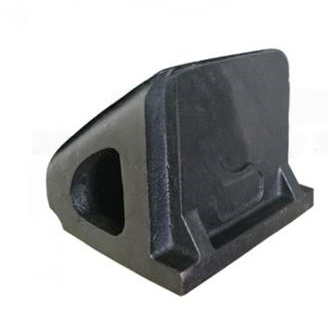
Overview of Railway Wedge
The railway wedge is one of the key components of the railway freight car bogie and plays a vital role in the operation of the vehicle. It is usually installed in the vibration reduction system of the bogie and works in conjunction with the side frame column wear plate, bolster wedge friction surface and other components to consume the vibration energy of the vehicle during operation through friction, convert the vibration and impact of the vehicle into heat energy and dissipate it, thereby effectively reducing the vibration and noise during the operation of the vehicle, improving the stability and comfort of the vehicle operation, and ensuring the safety and efficiency of railway transportation. Its design rationality and manufacturing quality directly affect the operation quality of railway freight cars and the service life of components.
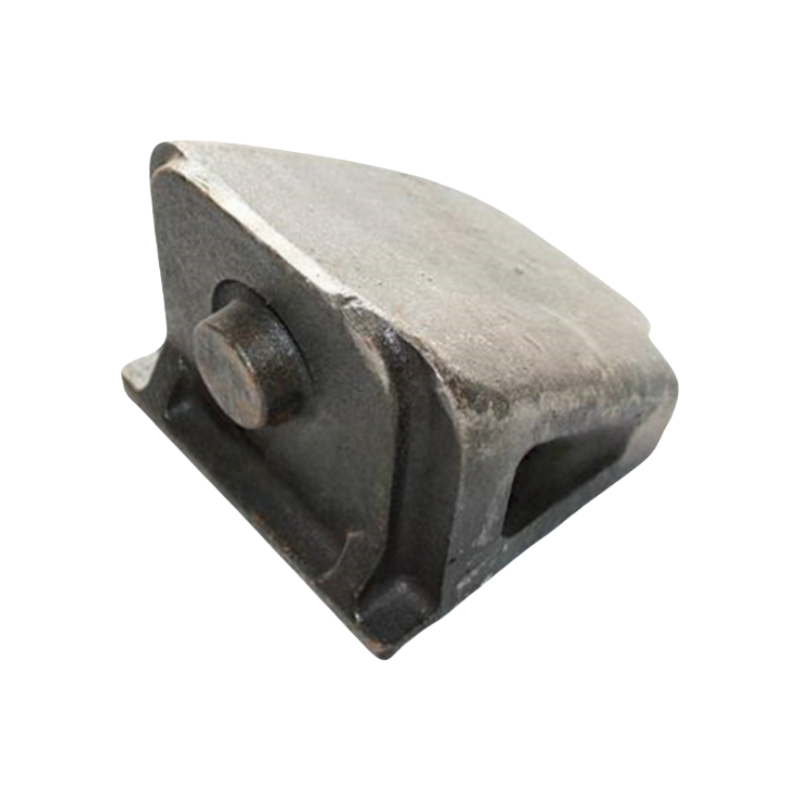
Parameter Table of Railway Wedge
| Categoría de parámetro | Detalles de los parámetros |
| Material | Generalmente, alta resistencia, wear-resistant alloy steel or cast iron materials are used, such as ZG230-450 cast steel or QT450-10 ductile iron, to ensure good strength and wear resistance under complex stress environments. |
| Dimensiones | Depending on the different railway freight car bogie models, the dimensions vary. Common length ranges are between 200-400mm, width between 100-250mm, and height between 80-200mm. The specific dimensions must strictly comply with the corresponding bogie design requirements. |
| Peso | Depending on the size and material, the weight varies, usually between 5-20kg. |
| Rugosidad de la superficie | The surface roughness of the key friction surface is required to be high, generally controlled below Ra3.2μm to ensure good friction performance and matching accuracy. |
| Dureza | The hardness range is usually between HRC30 – 50. The specific hardness value is determined according to the material and usage requirements to ensure sufficient wear resistance and impact resistance. |
| Tilt angle | The tilt angle of the wedge is one of the key parameters, generally between 2° – 5°. Different bogie designs have different requirements. This angle directly affects the performance of the vibration reduction system. |
Features of Railway Wedge
Function of Railway Wedge
Application of Railway Wedge
Railway wedges are widely used in all types of railway freight car bogies, including but not limited to bogies of open wagons, vagones cubiertos, flat wagons, tank wagons and other models. In railway freight transportation, whether it is the transportation of bulk goods such as coal and ore, or the transportation of special goods such as containers and mechanical equipment, the efficient operation of railway freight cars is indispensable. As a key component to ensure the operating quality of railway freight cars, railway wedges play an important role in improving the stability of vehicle operation, reducing wheel-rail wear, and extending the service life of vehicles, providing strong support for the safety and efficiency of railway freight transportation. Al mismo tiempo, with the continuous development of railway technology and the improvement of vehicle operating performance requirements, railway wedges are also constantly innovating and optimizing technology to meet the needs of different models and operating conditions.
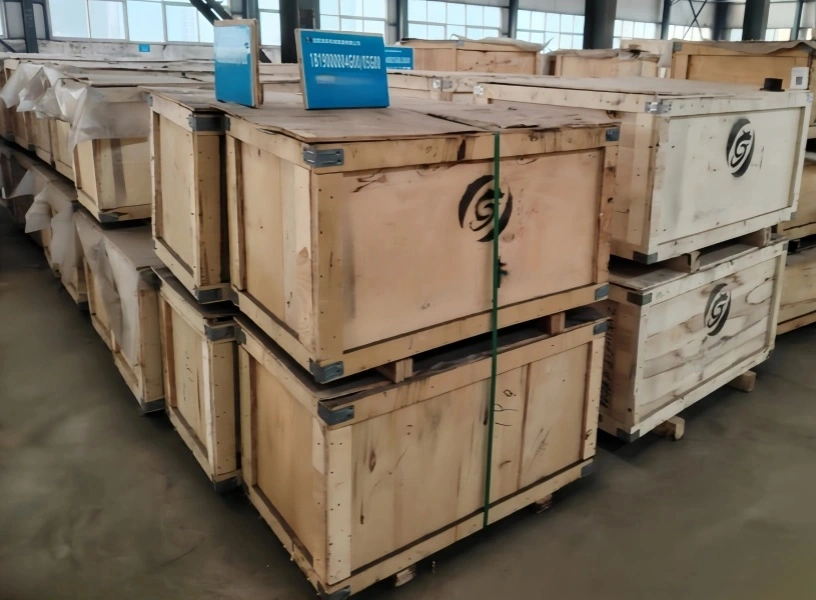
Paquete de Railway Wedge
Polybag+caja de cartón+caja de madera/palé, según la petición del cliente
Perfil de la empresa
Industrias pesadas Co. de Luoyang Fonyo., Limitado. fue fundada en 1998, cubre un área de 72,600㎡, con más de 300 empleados, 32 tecnicos, incluido 5 ingenieros superiores, 11 ingenieros asistentes, y 16 tecnicos. Ha sido calificado como Centro de Tecnología de Ingeniería de Luoyang., Tecnología Luoyang R&Centro D, y Empresa Nacional de Alta Tecnología por muchas veces.
Nuestra capacidad de producción es 30,000 toneladas por año. Actualmente, Producimos principalmente acero fundido., hierro fundido (hierro gris, hierro dúctil, etc.), Procesamiento de producto terminado y ensamblaje de componentes para locomotoras.,automotor,trenes de alta velocidad, equipo de minería,energía eólica,etc. Nuestros productos han sido exportados a Rusia, los estados unidos, Alemania, Argentina, Japón, Francia, Sudáfrica,Italia y otros países..
Preguntas frecuentes
Q1: ¿Es usted un fabricante o una empresa comercial??
A: somos un fabricante. Nuestra empresa fue fundada en 1998, con casi 30 años en la industria de la fundición, una superficie total de 72.600㎡, con un área de construcción de fábrica de 51,000㎡.
Q2. ¿Cuales son sus principales productos??
A: Nos centramos principalmente en la fundición de acero., fundición de hierro, mecanizado de producto terminado, y producción de ensamblajes de componentes para locomotoras., automotor, trenes de alta velocidad, equipo de minería, energía eólica,etc..
Q3: ¿Con qué precisión se pueden producir piezas de fundición??
A: Tenemos la capacidad de producir piezas de fundición con diferentes procesos de fundición.. La producción cumple estrictamente con ISO. 9001, ISO 14001 e ISO45001,EN15085, IRIS.
Q4. ¿Puedes producir según las muestras??
Sí, Podemos producir según sus muestras o dibujos técnicos.. También podemos crear dibujos para usted después de recibir sus muestras..
Q5: ¿Cómo se realiza el control de calidad antes de la entrega??
A: La inspección de calidad es un factor muy importante para garantizar la calidad de las piezas de fundición de acero.. seguimos 3 tiempos de inspección durante todo el proceso de producción. Y proporcionaremos un informe de prueba de materiales., informe de prueba dimensional, y informe de pruebas de propiedades mecánicas a nuestros clientes antes de la entrega.
Si estás interesado en algún producto.,no dude en contactarnos.
Contacto: Estela Liu
Correo electrónico:[email protected]