Escanea el código WeChat para contactarnos
Escanea el código WeChat para contactarnos
No dudes en enviarnos un correo electrónico y te responderemos lo antes posible.
Creando el futuro con corazón y alma


En la gran narrativa de la construcción ferroviaria, La tecnología del hierro fundido es como una piedra angular., Apoyar el funcionamiento eficiente y estable del sistema ferroviario.. entre ellos, La tecnología de hierro fundido de espuma perdida., as a brilliant new star, is bringing unprecedented changes to the manufacturing of componentes ferroviarios with its unique charm and outstanding performance, and playing an inspiring symphony of the integration of traditional craftsmanship and modern technology.
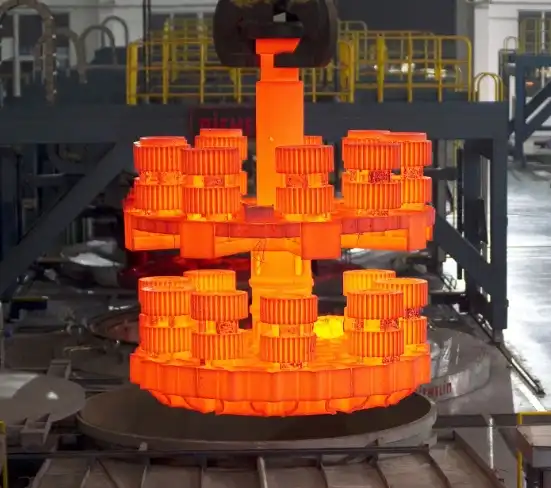
The core of the lost foam cast iron technology lies in the word “disappearance”. It ingeniously uses foam polystyrene plastic to create a solid mold that is the same shape as the casting. This mold is not a component that needs to be removed in traditional casting, but directly participates in the casting process. When the high-temperature molten metal is poured in, the foam plastic mold rapidly vaporizes and disappears under the effect of heat. The molten metal then occupies the space left in the mold. Después de enfriar y solidificar, the required casting is formed. This process is like a magical spell. The foam mold quietly fades away at high temperatures, leaving only precisely formed metal castings.
El “white zone” process can be regarded as the soul of the entire lost foam cast iron technology. It covers steps such as bead foaming, foam molding, string assembly, coating and drying. According to professional statistics, 80% a 90% of the final casting quality depends on the fineness of this process. Take the manufacturing of railway track plates as an example. The production of foam patterns requires a strict process of pre-foaming, molding and shaping. During the pre-expansion stage, it is necessary to precisely control the expansion degree of the beads to ensure their uniform density. During the molding process, parameters such as the temperature, pressure and time of the mold all need to be precisely controlled. Any deviation in any link may cause the foam pattern to deform, which in turn will affect the quality of the subsequent castings. And combining them into strings is to ingeniously connect multiple foam patterns, preparing for the subsequent pouring. The coating application and drying process should not be overlooked either. The quality and uniformity of the coating directly affect the surface quality of the casting. During the drying process, it is necessary to ensure that the coating adheres firmly to the foam pattern to prevent it from falling off during the pouring process.
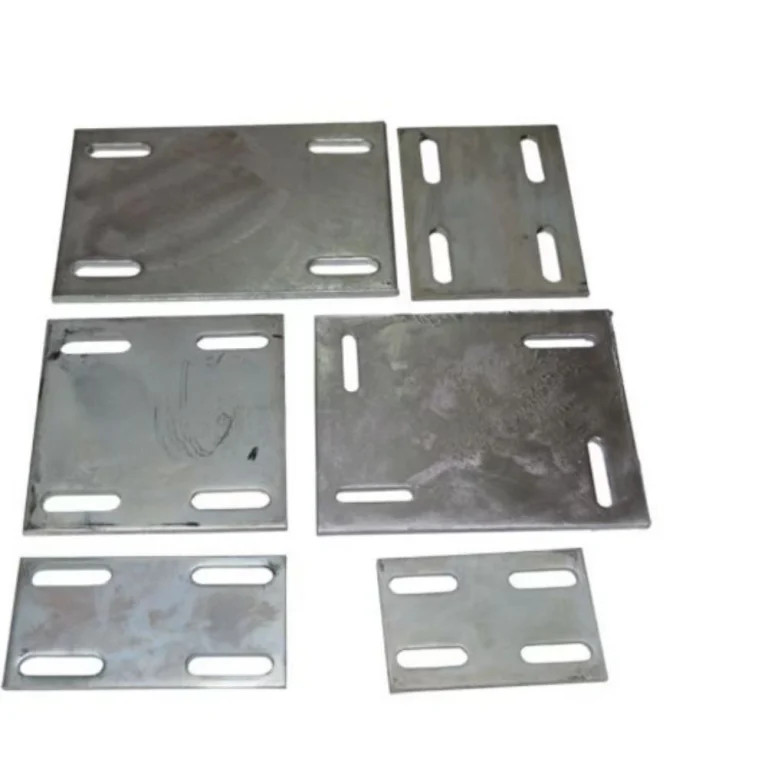
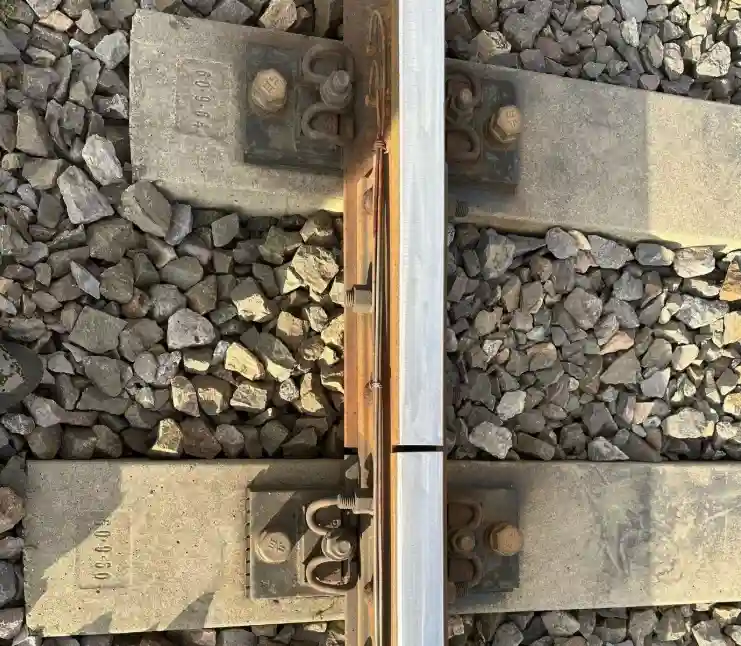
The application scope of lost foam cast iron technology in rail systems is extremely wide, and it is the unsung hero ensuring the stable operation of rails. Components such as track sleepers, track supports and anti-climbing devices all rely on lost foam cast iron technology to be fabricated. These components not only have to bear the huge weight and frequent impacts of the train, but also ensure the smoothness and stability of the track. Take the track sleeper seats as an example. The sleeper seats made by the lost foam cast iron technology can be precisely designed according to the actual force conditions of the track. Their internal structure is more reasonable, which can effectively disperse the pressure generated during train operation and reduce the wear and deformation of the sleepers. The rail supports, through precise size control, closely adhere to the tracks, providing reliable lateral support for the tracks and preventing lateral displacement of the tracks during train operation. The anti-crawling device, with its unique structural design, effectively prevents the longitudinal crawling of the track caused by the braking or starting of the train, ensuring that the geometric dimensions of the track always remain within the specified range.
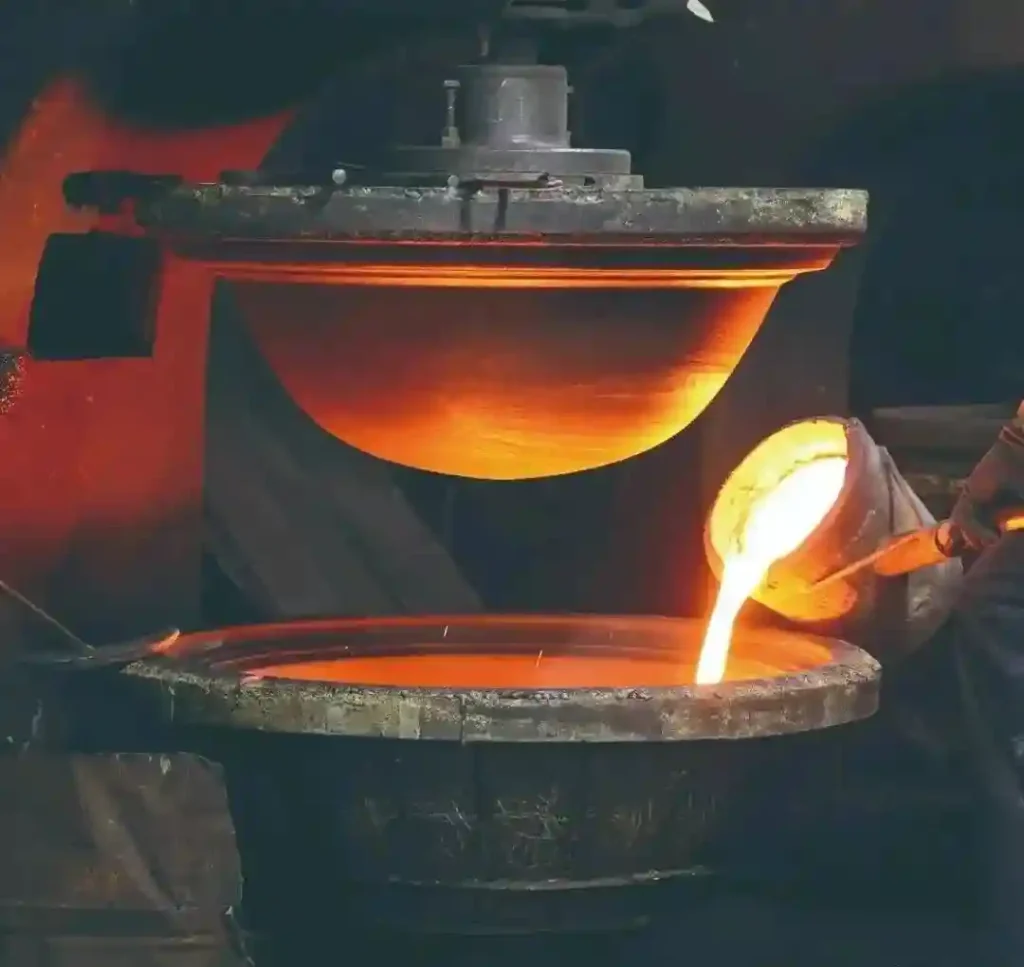
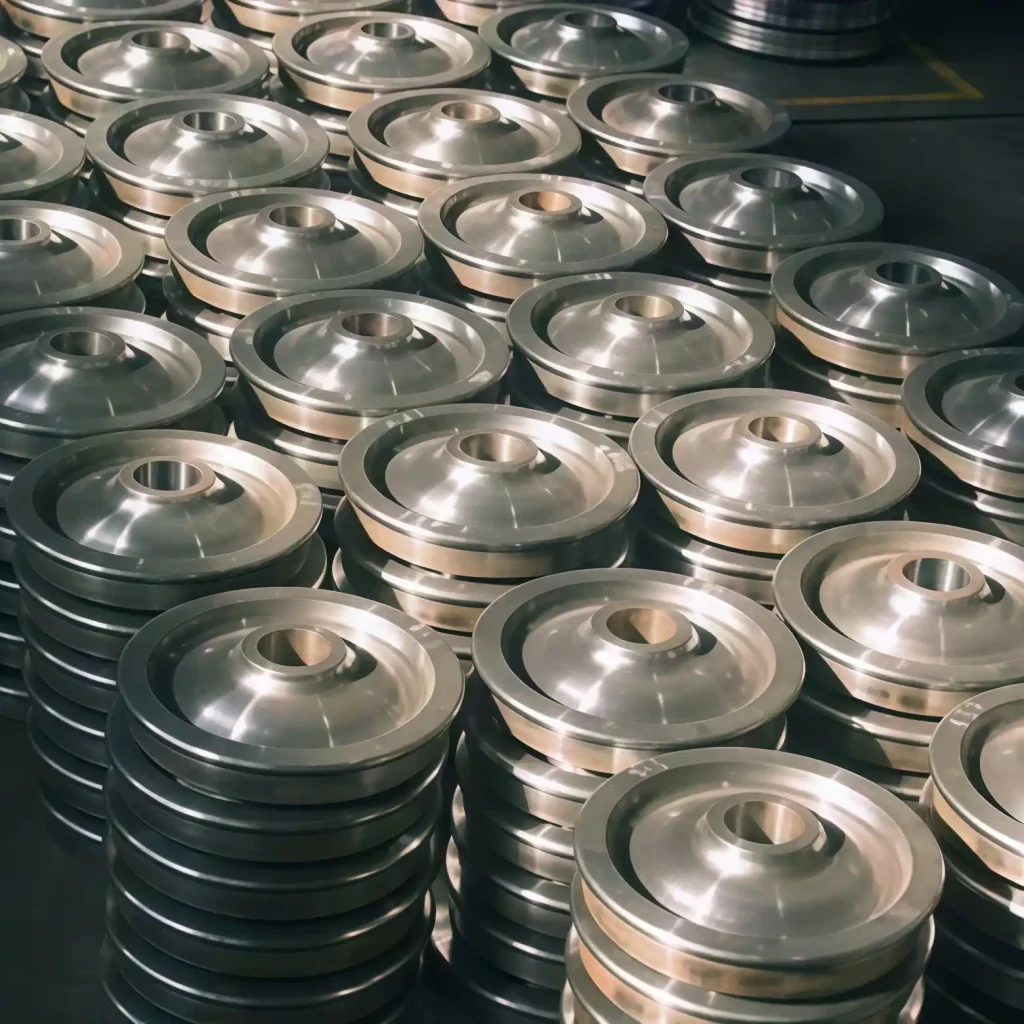
In the field of locomotive and rolling stock, the lost foam cast iron technology also plays an irreplaceable role. The wheel rims and brake discs of a locomotive are key components that ensure the safety of train operation. As the contact point between the locomotive and the track, the wheel rims need to have good wear resistance and anti-peeling performance. Through lost foam technology, engineers can optimize material formulas and heat treatment processes, significantly extending the service life of wheel rims. Por ejemplo, by adopting a special alloy formula and precise heat treatment temperature control, a hard and wear-resistant metal layer can be formed on the surface of the wheel rims, while maintaining sufficient toughness and strength inside, effectively resisting the huge friction and impact forces generated during train operation. Brake discs are an important component of the train’s braking system, and their performance directly affects the braking effect and safety of the train. The brake discs manufactured by lost foam cast iron technology feature a uniform microstructure and excellent heat dissipation performance. They can maintain good braking performance even at high temperatures, ensuring that the train can stop in a timely and safe manner.
The reason why lost foam cast iron technology has been widely applied in the railway field is attributed to its significant technical advantages. En primer lugar, it is a nearly no allowance precision forming technology, with high dimensional accuracy of castings and low surface roughness, approaching the level of investment casting. This means that in the subsequent processing, a large amount of cutting volume can be reduced, production efficiency can be improved, and production costs can be lowered. En segundo lugar, this technology does not require traditional processes and equipment such as sand mixing, fabricación de núcleos, and molding. The process is simplified, making it easy to achieve mechanized and automated production. It requires less equipment investment and occupies a small area. Además, lost foam technology also provides sufficient freedom for the structural design of castings, has strong adaptability, and has almost no restrictions on alloy types, casting sizes, and production quantities. Whether it is a simple geometric shape or a complex curved surface structure, they can all be easily achieved through lost foam technology.

With the advancement of technology, the lost foam cast iron technology is also constantly innovating and developing. Por ejemplo, the pressure lost foam technology reduces defects by applying pressure through sealing. Durante el proceso de vertido, a certain pressure is applied to the mold to enable the molten metal to fill every corner of the mold more thoroughly, thereby reducing the occurrence of defects such as porosity and shrinkage porosity. Vacuum low-pressure lost foam technology, combined with anti-gravity casting, enhances the filling capacity. By using a vacuum environment to lower the boiling point of the molten metal and adopting the anti-gravity casting method, the molten metal can flow more smoothly into the mold, thereby improving the internal quality of the casting. Vibration lost foam technology refines the structure of castings by mechanical vibration. By applying vibration during the solidification of molten metal, it can break the growth of dendrites, making the grains finer and more uniform, thereby enhancing the mechanical properties of the castings. Semi-solid lost foam technology enhances density by controlling the solid-liquid ratio. By heating the metal material to a semi-solid state for casting, it can effectively reduce defects such as shrinkage cavities and porosity, and improve the density and performance of the castings.
In the face of these challenges, the railway industry and foundry enterprises need to enhance cooperation and innovation to jointly promote the continuous progress of lost foam cast iron technology. By increasing investment in research and development, cultivating high-quality technical talents, and strengthening cooperation among industry, academia and research, we will continuously break through technical bottlenecks and provide more high-quality and efficient cast iron components for the development of the railway industry.
Industrias pesadas Co. de Luoyang Fonyo., Limitado, fundada en 1998, es un fabricante de piezas de ferrocarril de fundición. Nuestra fábrica tiene una superficie de 72.600㎡, con más de 300 empleados, 32 tecnicos, incluido 5 ingenieros superiores, 11 ingenieros asistentes, y 16 tecnicos. Nuestra capacidad de producción es 30,000 toneladas por año. Actualmente, Producimos principalmente fundición., mecanizado, y montaje para locomotora, automotor, trenes de alta velocidad, equipo de minería, energía eólica, etc.. Nuestros productos han sido exportados a Rusia., los estados unidos, Alemania, Argentina, Japón, Francia, Sudáfrica, Italia y otros países..
Contacto: Estela Liu
Correo electrónico: [email protected]
WhatsApp: +86-155-1535-1287