قم بمسح رمز WeChat للاتصال بنا
قم بمسح رمز WeChat للاتصال بنا
لا تتردد في مراسلتنا عبر البريد الإلكتروني وسوف نقوم بالرد عليك في أقرب وقت ممكن.
صنع المستقبل بالقلب والروح


التركيب الهيكلي
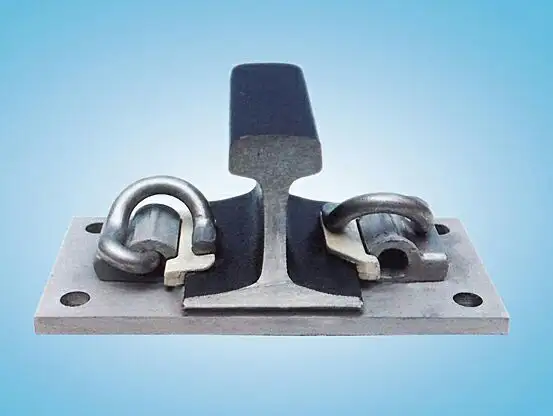
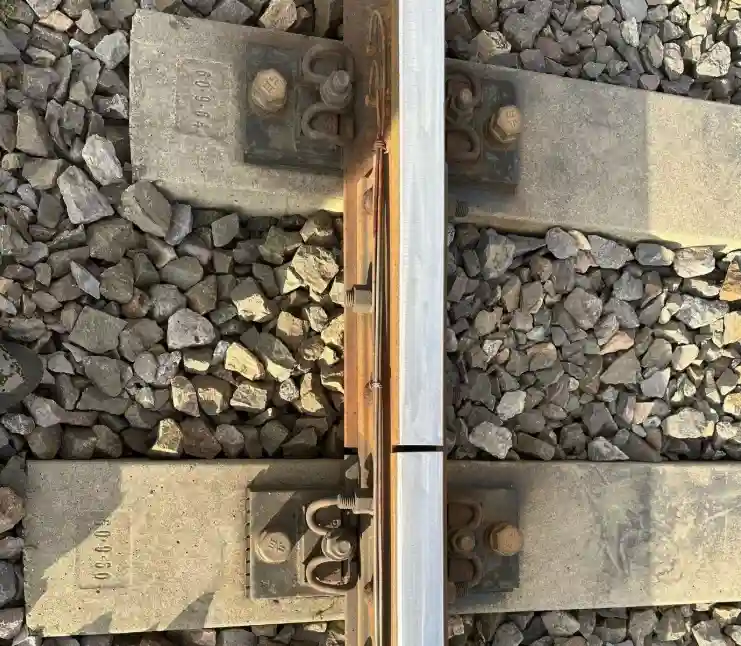
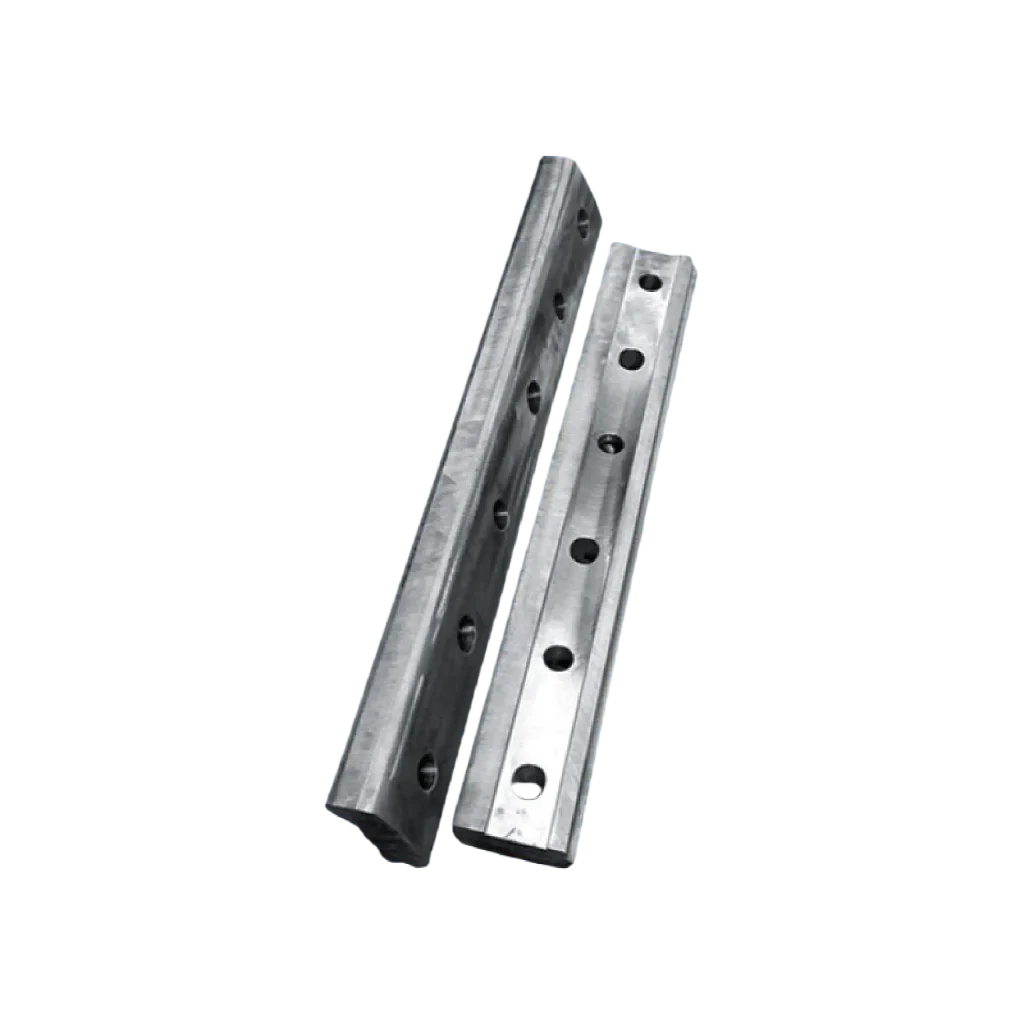
أطباق السمك, مثل غامض “رسول اتصال” في عالم السكك الحديدية, تُعرف أيضًا باسم قضبان السكك الحديدية المشتركة, جبائر السكك الحديدية أو الخشب الرقائقي, هو دور رئيسي في ربط اثنين من السكك الحديدية. هيكلها رائع, مثل عمل فني منحوت بعناية, مع ثقب المسمار المركزي, وعلى جانبي المحور الأفقي لثقب المسمار, إنها تمارس دورها “ربط السحر” وجه العمل. يتناسب سطح العمل العلوي بإحكام. يتناسب سطح العمل العلوي بإحكام مع الجزء السفلي من رأس السكة, ويتصل سطح العمل السفلي بالجزء العلوي من أسفل السكة. يمتد الجزء الخلفي من سطح العمل العلوي لبعض صفائح الأسماك إلى أعلى ليشكل قسمًا انتقاليًا أعلى من سطح السكة, الذي يشكل قوس جسر عالي, الأطراف الوسطى والمنخفضة على طول طبق السمك. This design could reduce the impact of the wheel on the rail joint, increase the continuity of the longitudinal deformation of the rail at the joint, and improve the smoothness of the train when passing.
In terms of material, rail joint bars are generally made of ductile iron, Q235 steel or 55# فُولاَذ. Ductile iron has good toughness and wear resistance, Q235 steel is a commonly used carbon structural steel with good strength and plasticity, و 55# steel has high hardness and strength. The selection of these materials ensures the stability and durability of the track splint in different environments and use conditions.
Function of fish plate
The track splint is like an important gear in the precision machine of the railway track system and plays a vital role. It can firmly connect two rails to form a continuous track as a whole so that the train can pass through the track joint smoothly and smoothly. During the train running, the rails will be subjected to huge pressure and impact force. Fish plates are like a skilled “force distribution master”, with its own solid “body” and exquisite force design, the force is evenly spread on the two tracks, cleverly avoiding the loosening and deformation crisis of track joints, and playing a harmonious movement for the safety and stability of railway transportation.
Development history around the world
1.Britain
The United Kingdom holds the distinction of being the cradle of railway transportation, and the history of fish plate utilization could be traced as far back as the early 19th century. It was in 1825 that the Stockton to Darlington Railway, the world’s inaugural railway line, was constructed and commenced operations in the UK. During that period, the fish plates employed were predominantly crafted from wood or rudimentary metallic configurations.. With the development of railway transportation, the performance requirements for track joint bars became higher and higher. In the mid-19th century, Britain began to use cast steel and cast iron track plywood, which had higher strength and durability and could meet the growing demand for railway transportation.
In the late 19th century and early 20th century, the British railway system underwent large-scale expansion and reconstruction, and the design and manufacturing technology of track plywood continued to improve. British engineers conducted in-depth research on the shape, size and material of track plywood and formulated a series of strict standards and specifications to ensure the quality and interchangeability of track joint bars. These standards and specifications are not only widely used in the UK, but also have an important impact on railway construction in other countries in the world.
2. Historical development of fish plates in the United States
Railway construction in the United States began in the 1830s, and the use of fish plates also rose. في الأيام الأولى, the United States mainly imported track joint bars from the United Kingdom, but with the development of the domestic steel industry, the United States began to produce track plywood independently. In the mid-19th century, American steel companies adopted advanced casting technology to produce high-quality cast steel and cast iron rail joint bars to meet the needs of domestic railway construction.
في أوائل القرن العشرين, American railway transportation entered a period of rapid development; railway mileage increased rapidly, and the demand for track joint splints also increased significantly. In order to meet the development needs of heavy-duty railways and high-speed railways, American engineers improved and innovated fish plates. على سبيل المثال, rail joint bars with shock-absorbing functions were developed, which can effectively reduce the vibration and noise generated when trains pass; insulating track splints were developed for electrified railways, which improved the safety and reliability of railway transportation.
3.ألمانيا
Germany has always been a world leader in railway technology, and the development of fish plates is no exception. In the mid-19th century, Germany began to build railways on a large scale and put forward strict requirements on the quality and performance of rail joints. German steel companies adopted advanced smelting technology and precision casting technology to produce track joint plates with high strength, high toughness and high wear resistance.
In the 20th century, German engineers focused on the innovative design of fish plates and continuously launched new track splint products. على سبيل المثال, adjustable track clamps have been developed, which can adjust the clamping force according to the wear of the rails, extending the service life of the track clamps and rails; track clamps with self-lubricating function have been developed, which reduce the friction between the track clamps and the rails and reduce maintenance costs.
4. اليابان
The construction of railways in Japan began in the 1870s, and the use of track clamps also began. في الأيام الأولى, Japan mainly imported track clamps from Europe and the United States, but with the development of the domestic steel industry, Japan began to produce fish plates independently. في أوائل القرن العشرين, the Japanese railway system underwent large-scale expansion and reconstruction, and the demand for track clamps continued to increase.
Based on learning and drawing on advanced technologies from Europe and the United States, Japanese engineers have improved and innovated track clamps in combination with their actual conditions. على سبيل المثال, track clamps suitable for small radius curve tracks have been developed to improve the driving safety of trains on small radius curve tracks; track clamps with high corrosion resistance have been developed, which are suitable for areas with marine climates and severe industrial pollution.
5. الصين
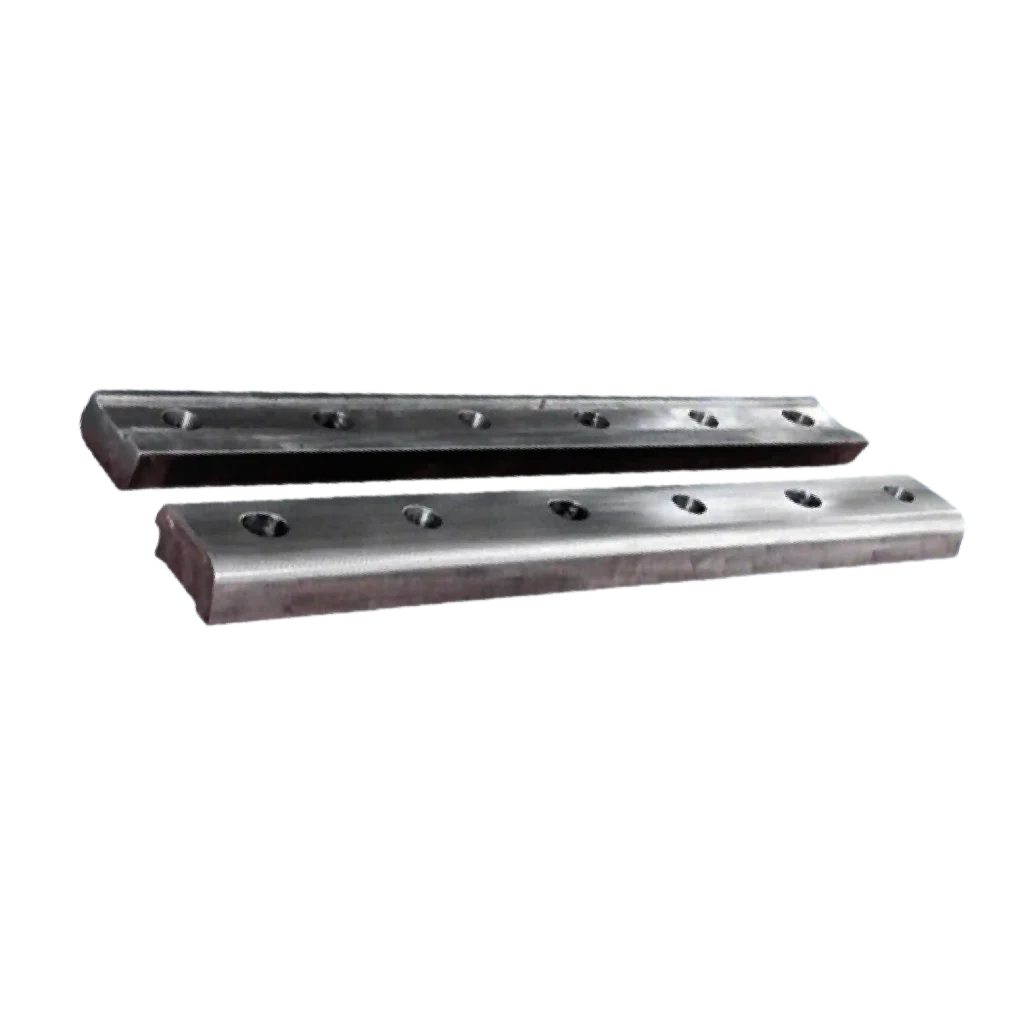
Although the railway construction in China started relatively late, the development process is extremely rapid. At the end of the 19th century, China officially opened the railway construction project and introduced the application of road cleats. In the early stages of railway construction, most of the road cleats used in China relied on imports, or were produced using simpler manufacturing processes. After the middle of the 20th century, with the vigorous rise of China’s steel industry and the substantial increase in the speed of railway construction, China began to produce high-quality plywood by itself, إنه, بدأت الصين في إنتاج ألواح وصلات الطرق عالية الجودة بشكل مستقل.
في العقود القليلة الماضية, حققت تكنولوجيا السكك الحديدية في الصين تقدما كبيرا, واستمر تحسين مستوى تصميم وتصنيع الخشب الرقائقي. لقد طور المهندسون الصينيون سلسلة من منتجات الخشب الرقائقي الجديدة, مثل صفائح السمك عالية القوة, لوحات الأسماك المعزولة, أطباق السمك ذات الشكل الخاص, إلخ., لتلبية احتياجات خطوط السكك الحديدية المختلفة وظروف التشغيل. في نفس الوقت, كما شاركت الصين بنشاط في صياغة معايير السكك الحديدية الدولية, الترويج لتكنولوجيا الخشب الرقائقي الصينية للعالم.
في عملية تطوير الخشب الرقائقي, قامت بلدان مختلفة بتحسين وابتكار الخشب الرقائقي بشكل مستمر وفقًا لظروفها الوطنية واحتياجات النقل بالسكك الحديدية. من الخشب الرقائقي الخشبي والمعدني البسيط إلى الفولاذ المصبوب الحديث, الحديد الزهر والخشب الرقائقي عالي القوة, تم تحسين المستوى الفني وأداء الخشب الرقائقي بشكل مستمر, تقديم مساهمات هامة للسلامة, الكفاءة والتنمية المستدامة للنقل بالسكك الحديدية.