قم بمسح رمز WeChat للاتصال بنا
قم بمسح رمز WeChat للاتصال بنا
لا تتردد في مراسلتنا عبر البريد الإلكتروني وسوف نقوم بالرد عليك في أقرب وقت ممكن.
صنع المستقبل بالقلب والروح


When we marvel at the lightning-fast speed and smoothness of high-speed trains, we often attribute the credit to advanced locomotives and vehicles as well as intelligent control systems. لكن, what underpins this grand vision are just two seemingly ordinary steel rails. What is less known is that these two hard steel rails have been enduring tremendous pressure and wear since their installation. And rail grinding, this seemingly simple and rough “manual work”, is actually a highly sophisticated “medical skill” that integrates materials science, ديناميات, and precise measurement. It is an indispensable safety valve for the safe, سلس, and economical operation of modern railways.
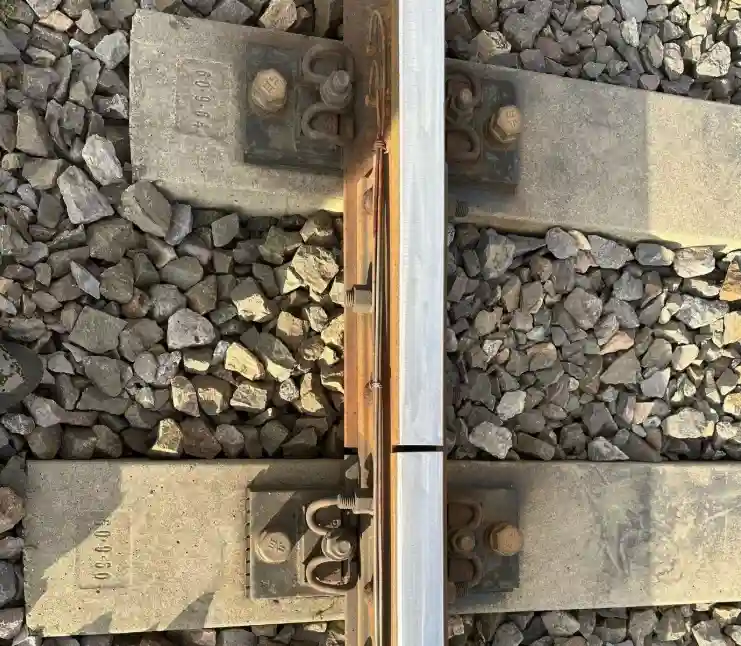
In the eyes of ordinary people, grinding is nothing more than removing the unevenness on the surface of the rail. لكن, the core concept of modern rail grinding has already transcended the passive “repair”, advancing to active “prevention” و “management”. Its role is a multi-dimensional and systematic project, and its far-reaching significance mainly lies in the following aspects:
1.1. The priority for ensuring train safety
The contact relationship between the train wheels and the rail is one of the most precise mechanical relationships in the world. لكن, under repeated rolling, the surface of the rail will produce a series of “damages”, directly threatening train safety.
1.2 Eliminating wave wear: This is the periodic wear on the top surface of the rail, resembling waves. When the train passes through the wave wear section at high speed, it will generate intense vibrations and noise. It will not only affect the comfort of the ride. But more terrifyingly, it will significantly increase the dynamic force between the wheel and the rail. So it will potentially cause fatigue fractures of components and even triggering derailment risks. Grinding operations can precisely level these “waves”, restoring the smoothness of the rail surface, fundamentally eliminating this safety hazard.
1.3 Repairing peeling and falling off: In curved sections or areas with frequent braking, the surface of the rail will develop tiny cracks due to excessive contact stress, which will then develop into metal flake-like peeling or falling off. These defects are like “traps” on the rail surface. So they can easily cause damage to the wheel tread and expanding rapidly under high-speed impact, forming a vicious cycle. Grinding can promptly remove these fatigue layers, preventing cracks from spreading inward and avoiding catastrophic accidents.
1.4 Preventing rail head cracking: In heavy-load railways, the rail interior is prone to small cracks (cracking). Through regular preventive grinding, the plastic deformation layer and microscopic crack initiation points on the rail head surface can be eliminated, effectively delaying the generation of internal fatigue cracks, playing a crucial role in “preventing small problems from growing into big ones”.
What grinding brings is not only safety, but also tangible economic benefits. It achieves cost reduction and efficiency improvement through the optimization of the geometric shape of the wheel-rail contact.
2.1 Significantly reducing running resistance: A smooth rail surface can greatly reduce the rolling resistance of the train. Studies have shown that after good grinding, the traction energy consumption of the train can be reduced by a considerable proportion. For busy trunk lines with hundreds or thousands of trains operating daily, the cumulative energy-saving effect over the long term will be a huge asset, and it also responds to the requirements of green and low-carbon transportation.
2.2 Extending the service life of assets: Grinding actively manages the profile of the rail, making the contact stress between the wheel and the rail more evenly distributed, avoiding local rapid wear caused by stress concentration. This not only extends the lifespan of the rail itself but also reduces the wear of the wheels, تحقيق “joint extension” for both the wheels and the rails, significantly reducing the costs of material procurement and maintenance and replacement.
2.3 Reduce maintenance workload: Smooth tracks mean less impact and vibration on locomotives and vehicle components (such as fasteners, النائمون), thereby reducing the failure rate and maintenance frequency of this related equipment, and freeing up valuable operational resources.
For railways passing through urban areas, noise control is a serious challenge. Rail wave wear and surface roughness are the main sources of rolling noise. High-precision grinding can effectively reduce the vibration excitation of the rail surface, reducing noise at the source and creating a quieter environment for residents along the railway line. It also significantly improves the quietness and comfort of the train interior, making the journey no longer a torment.
Today’s rail grinding is no longer a rough operation; it is a precise science.
4.1 Profile grinding: This is the most advanced form of grinding. It is not simply smoothing but obtains the real-time profile of the rail through a laser measurement system based on the specific conditions of the line (such as curve radius, vehicle type), and compares it with the ideal target profile. The computer control system on the grinding train precisely commands the angle and pressure of each grinding stone, like a “digital sculptor”, re-carving the worn-out rail profile back to the optimal geometry to achieve the best wheel-rail fit.
4.2 Preventive grinding: Before obvious damage occurs to the rail, remove the thin layer of fatigue layer regularly. هذا “small amount, multiple times” استراتيجية, with the minimum material removal, exchanges for the longest rail lifespan and the highest safety, is the most cost-effective maintenance strategy.
4.3 Restorative grinding: For sections with severe damage, it is carried out with a large grinding amount, aiming to quickly restore the basic state of the rail surface, and is a necessary means to ensure immediate safety.
With the development of big data, the Internet of Things, and artificial intelligence technologies, rail grinding is moving towards intelligence. The future “intelligent grinding train” will be able to integrate historical data of the railway lines, real-time monitoring information, and even weather forecasts, automatically generating the optimal grinding plan, تحقيق قفزة من “periodic maintenance” ل “on-demand maintenance”, and further enhancing the safety and economy of the railway system.
Rail grinding, this art carried out amid sparks flying, quietly safeguards the health of thousands of railway lines. Although it is not as eye-catching as the speeding trains, it is one of the most solid foundations supporting the modern railway transportation edifice. It uses the power of technology, revealing the essence in the details, integrating safety, economy, and comfort. Recognizing the importance of grinding and continuously investing in technological innovation in this field is precisely our wise move towards a safer, more efficient, and more sustainable railway future.
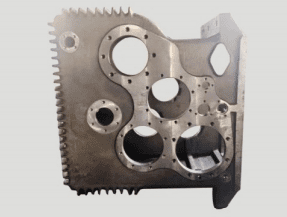
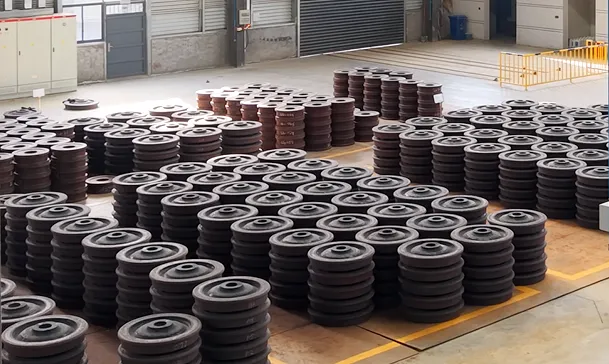
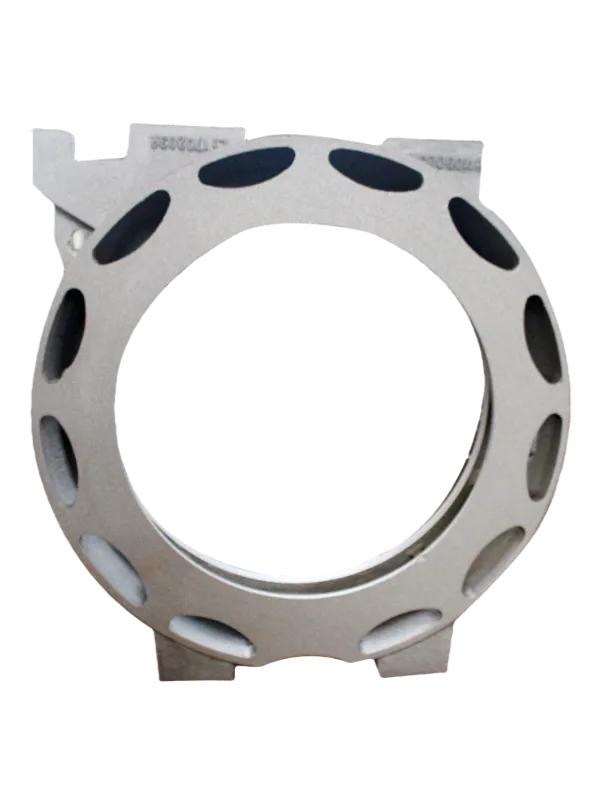
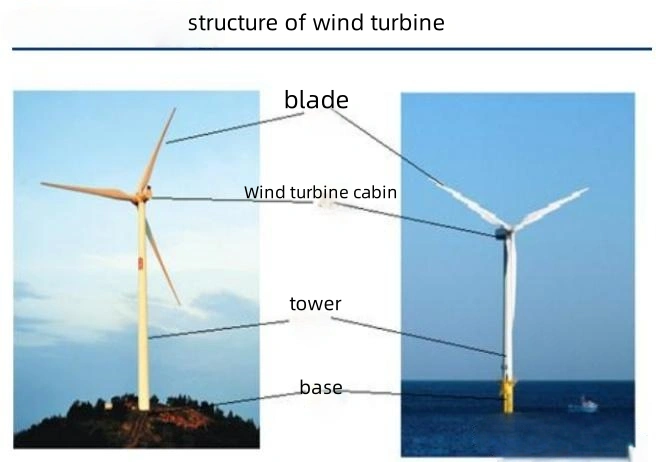
شركة لويانغ فونيو للصناعات الثقيلة, المحدودة,تأسست في عام 1998، وهي شركة مصنعة لأجزاء صب السكك الحديدية. مصنعنا يغطي مساحة 72,600㎡, مع اكثر من 300 موظفين, 32 الفنيين, مشتمل 5 كبار المهندسين, 11 المهندسين المساعدين, و 16 الفنيين.قدرتنا الإنتاجية 30,000 طن سنويا. حالياً, نحن ننتج بشكل رئيسي الصب, بالقطع, والتجمع للقاطرة, عربة السكك الحديدية, القطارات عالية السرعة, معدات التعدين,طاقة الرياح,إلخ.
نحن نقوم بتوريد قطع غيار السكك الحديدية إلى CRRC(بما في ذلك أكثر من 20 الشركات الفرعية والشركات التابعة لـ CRRC),الآلات الهندسية جيماك,ساني جروب, سيتي للصناعات الثقيلة,إلخ. وقد تم تصدير منتجاتنا إلى روسيا, الولايات المتحدة, ألمانيا, الأرجنتين, اليابان, فرنسا, جنوب أفريقيا,إيطاليا وبلدان أخرى في جميع أنحاء العالم.