Scannen Sie den WeChat-Code, um mit uns Kontakt aufzunehmen
Scannen Sie den WeChat-Code, um mit uns Kontakt aufzunehmen
Schicken Sie uns gerne eine E-Mail und wir werden Ihnen so schnell wie möglich antworten.
Mit Herz und Seele die Zukunft gestalten


Strukturelle Zusammensetzung
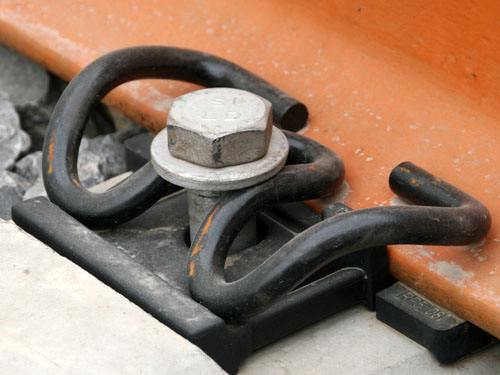
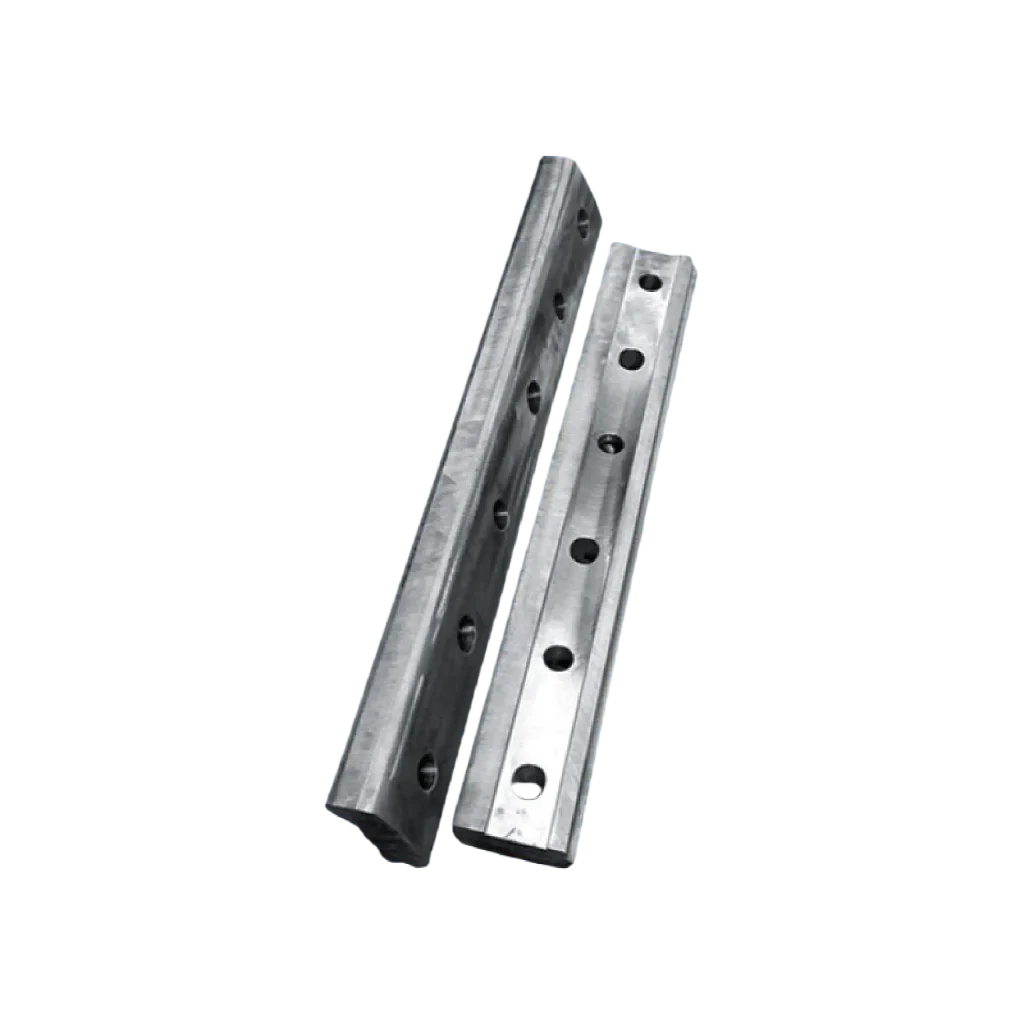
Fischteller, wie ein geheimnisvolles “Verbindungs-Messenger” in der Welt der Eisenbahnschienen, auch als Schienenverbindungsstäbe bekannt, Schienenschienen oder Sperrholz, is a key role in connecting two rail. Its structure is exquisite, like a carefully carved work of art, with a central screw hole, and on both sides of the horizontal axis of the screw hole, it exerts its “connecting magic” working face. The upper working surface fits tightly The upper working surface fits tightly with the lower part of the rail head, and the lower working surface contacts the upper part of the rail bottom. The rear part of the upper working surface of some fish plates extends upward to form a transition section higher than the rail surface, which forms a bridge arch with high, middle and low ends along the length of the fish plate. This design could reduce the impact of the wheel on the rail joint, increase the continuity of the longitudinal deformation of the rail at the joint, and improve the smoothness of the train when passing.
In terms of material, rail joint bars are generally made of ductile iron, Q235 steel or 55# Stahl. Ductile iron has good toughness and wear resistance, Q235 steel is a commonly used carbon structural steel with good strength and plasticity, Und 55# steel has high hardness and strength. The selection of these materials ensures the stability and durability of the track splint in different environments and use conditions.
Function of fish plate
The track splint is like an important gear in the precision machine of the railway track system and plays a vital role. It can firmly connect two rails to form a continuous track as a whole so that the train can pass through the track joint smoothly and smoothly. During the train running, the rails will be subjected to huge pressure and impact force. Fish plates are like a skilled “force distribution master”, with its own solid “body” and exquisite force design, the force is evenly spread on the two tracks, cleverly avoiding the loosening and deformation crisis of track joints, and playing a harmonious movement for the safety and stability of railway transportation.
Development history around the world
1.Britain
The United Kingdom holds the distinction of being the cradle of railway transportation, and the history of fish plate utilization could be traced as far back as the early 19th century. It was in 1825 that the Stockton to Darlington Railway, the world’s inaugural railway line, was constructed and commenced operations in the UK. During that period, the fish plates employed were predominantly crafted from wood or rudimentary metallic configurations.. With the development of railway transportation, the performance requirements for track joint bars became higher and higher. In the mid-19th century, Britain began to use cast steel and cast iron track plywood, which had higher strength and durability and could meet the growing demand for railway transportation.
In the late 19th century and early 20th century, the British railway system underwent large-scale expansion and reconstruction, and the design and manufacturing technology of track plywood continued to improve. Britische Ingenieure haben die Form eingehend untersucht, Größe und Material von Gleissperrholz und formulierte eine Reihe strenger Standards und Spezifikationen, um die Qualität und Austauschbarkeit der Gleisverbindungsstangen sicherzustellen. Diese Standards und Spezifikationen sind nicht nur in Großbritannien weit verbreitet, sondern haben auch einen wichtigen Einfluss auf den Eisenbahnbau in anderen Ländern der Welt.
2. Historische Entwicklung von Fischplatten in den Vereinigten Staaten
Der Eisenbahnbau in den Vereinigten Staaten begann in den 1830er Jahren, und auch die Verwendung von Fischgerichten nahm zu. In den frühen Tagen, Die Vereinigten Staaten importierten hauptsächlich Schienenverbindungsstäbe aus dem Vereinigten Königreich, sondern mit der Entwicklung der heimischen Stahlindustrie, Die Vereinigten Staaten begannen unabhängig mit der Produktion von Gleissperrholz. In the mid-19th century, American steel companies adopted advanced casting technology to produce high-quality cast steel and cast iron rail joint bars to meet the needs of domestic railway construction.
In the early 20th century, American railway transportation entered a period of rapid development; railway mileage increased rapidly, and the demand for track joint splints also increased significantly. In order to meet the development needs of heavy-duty railways and high-speed railways, American engineers improved and innovated fish plates. Zum Beispiel, rail joint bars with shock-absorbing functions were developed, which can effectively reduce the vibration and noise generated when trains pass; insulating track splints were developed for electrified railways, which improved the safety and reliability of railway transportation.
3.Deutschland
Deutschland war schon immer weltweit führend in der Bahntechnik, und die Entwicklung von Fischplatten ist keine Ausnahme. In the mid-19th century, Deutschland begann im großen Stil mit dem Bau von Eisenbahnen und stellte strenge Anforderungen an die Qualität und Leistung der Schienenverbindungen. Deutsche Stahlunternehmen haben fortschrittliche Schmelztechnologie und Präzisionsgusstechnologie übernommen, um Gleisverbindungsplatten mit hoher Festigkeit herzustellen, hohe Zähigkeit und hohe Verschleißfestigkeit.
Im 20. Jahrhundert, Deutsche Ingenieure konzentrierten sich auf das innovative Design von Laschen und brachten kontinuierlich neue Schienenschienenprodukte auf den Markt. Zum Beispiel, Es wurden verstellbare Gleisklemmen entwickelt, die die Klemmkraft entsprechend dem Verschleiß der Schienen anpassen kann, Verlängerung der Lebensdauer der Gleisklemmen und Schienen; Es wurden Gleisklemmen mit Selbstschmierfunktion entwickelt, which reduce the friction between the track clamps and the rails and reduce maintenance costs.
4. Japan
The construction of railways in Japan began in the 1870s, and the use of track clamps also began. In den frühen Tagen, Japan mainly imported track clamps from Europe and the United States, sondern mit der Entwicklung der heimischen Stahlindustrie, Japan began to produce fish plates independently. In the early 20th century, the Japanese railway system underwent large-scale expansion and reconstruction, and the demand for track clamps continued to increase.
Based on learning and drawing on advanced technologies from Europe and the United States, Japanese engineers have improved and innovated track clamps in combination with their actual conditions. Zum Beispiel, track clamps suitable for small radius curve tracks have been developed to improve the driving safety of trains on small radius curve tracks; track clamps with high corrosion resistance have been developed, which are suitable for areas with marine climates and severe industrial pollution.
5. China
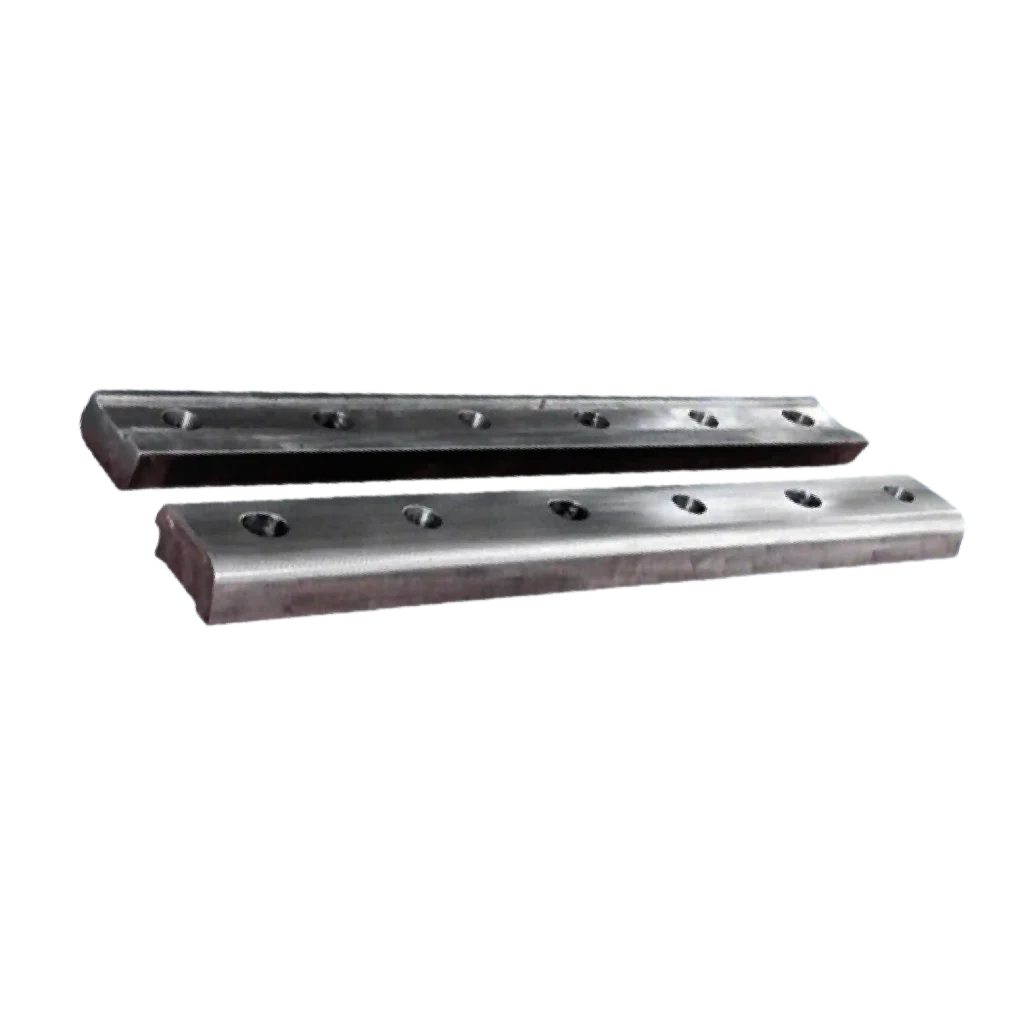
Although the railway construction in China started relatively late, the development process is extremely rapid. At the end of the 19th century, China officially opened the railway construction project and introduced the application of road cleats. In the early stages of railway construction, most of the road cleats used in China relied on imports, or were produced using simpler manufacturing processes. After the middle of the 20th century, with the vigorous rise of China’s steel industry and the substantial increase in the speed of railway construction, China began to produce high-quality plywood by itself, das heißt, China began to independently produce high-quality road joint plate.
In the past few decades, China’s railway technology has made great progress, and the design and manufacturing level of plywood has continued to improve. Chinese engineers have developed a series of new plywood products, such as high-strength fish plates, insulated fish plates, special-shaped fish plates, usw., to meet the needs of different railway lines and operating conditions. Gleichzeitig, China has also actively participated in the formulation of international railway standards, promoting Chinese plywood technology to the world.
In the process of the development of plywood, different countries have continuously improved and innovated plywood according to their own national conditions and railway transportation needs. From early wooden and simple metal plywood to modern cast steel, cast iron and high-strength alloy plywood, the technical level and performance of plywood have been continuously improved, making important contributions to the safety, efficiency and sustainable development of railway transportation.