قم بمسح رمز WeChat للاتصال بنا
قم بمسح رمز WeChat للاتصال بنا
لا تتردد في مراسلتنا عبر البريد الإلكتروني وسوف نقوم بالرد عليك في أقرب وقت ممكن.
صنع المستقبل بالقلب والروح


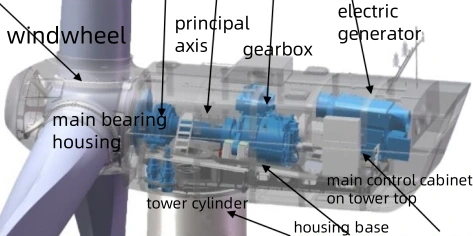
The production process of gearboxes is closely related to their structural composition. حالياً, the main structure of gearboxes in توربينات الرياح is a first-stage planetary gear plus two-stage parallel gears and two-stage planetary gears plus one-stage parallel gears, mainly used in wind turbines with power ranging from 650KW to 3MW. They consist of gears, محامل, المساكن, lubrication systems and some accessories. The processing technology of gears includes rough machining of gears, surface processing, heat treatment process and fine surface processing of gears.
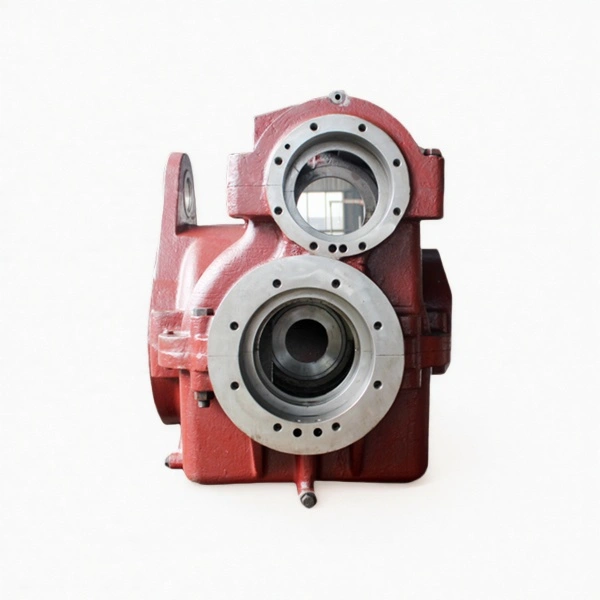
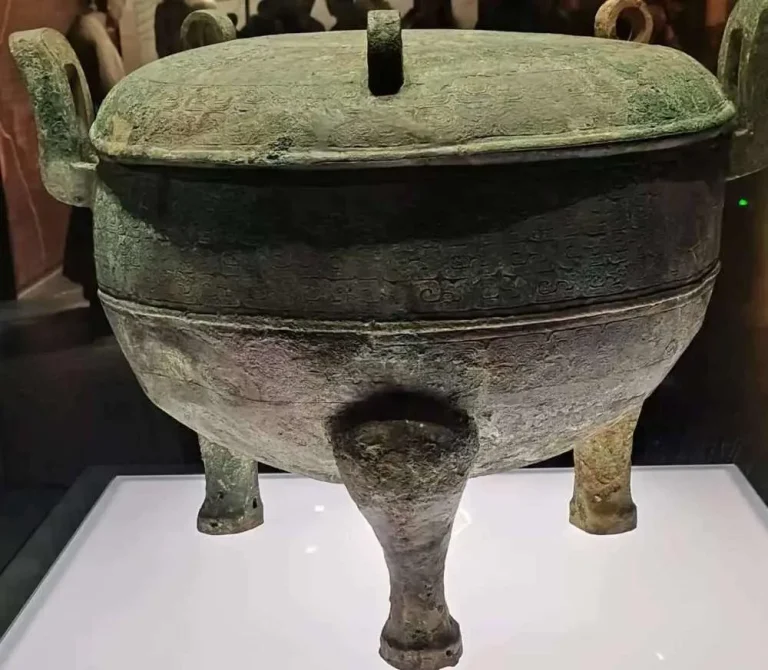
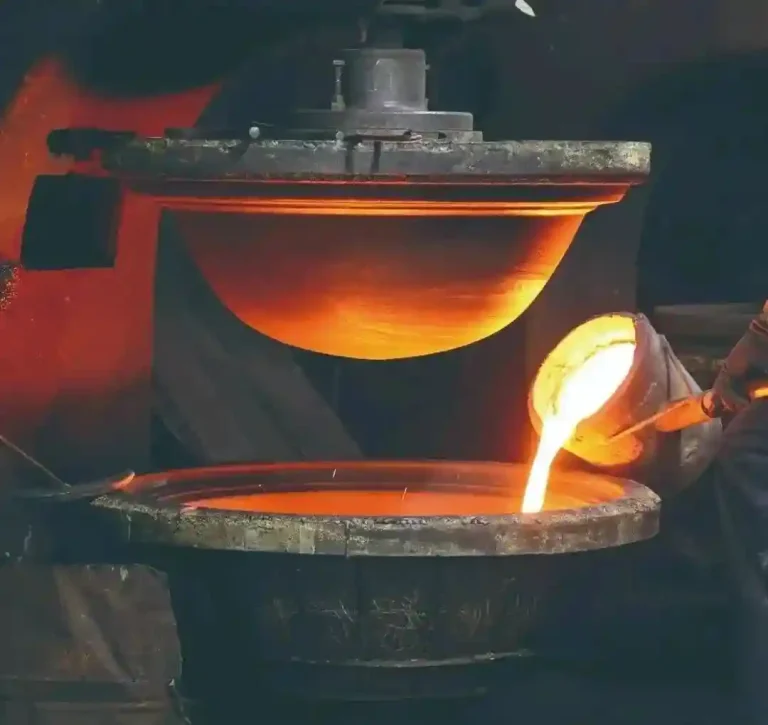
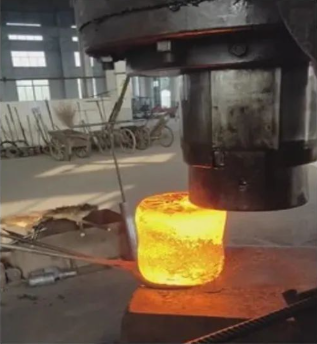
The raw materials for gears are mainly forgings and castings, among which forgings are the most commonly used, as shown in Figures 1 و 2.
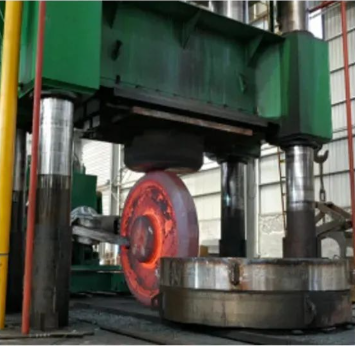
1. Tooth surface processing: The damaged parts are first subjected to heat treatment to improve their cutting processing characteristics, making them easier to cut. Then, rough processing is carried out. According to the design requirements of the gears, the damaged parts are first processed into a rough shape, with a considerable amount of allowance retained; then, semi-finish processing and turning, rolling, gear hobbing, إلخ., are carried out.
2. Gear heat treatment and tooth surface finishing
After the basic shape of the gears is formed, they are subjected to heat treatment to improve the mechanical properties of the gears. Depending on the usage requirements and the materials used, heat treatment methods such as quenching and tempering, carburizing and quenching, and tooth surface high-frequency induction heating quenching are adopted. أخيراً, the gears are subjected to finishing processing, including fine adjustment of the reference and fine processing of the tooth shape.
3. Gear inspection
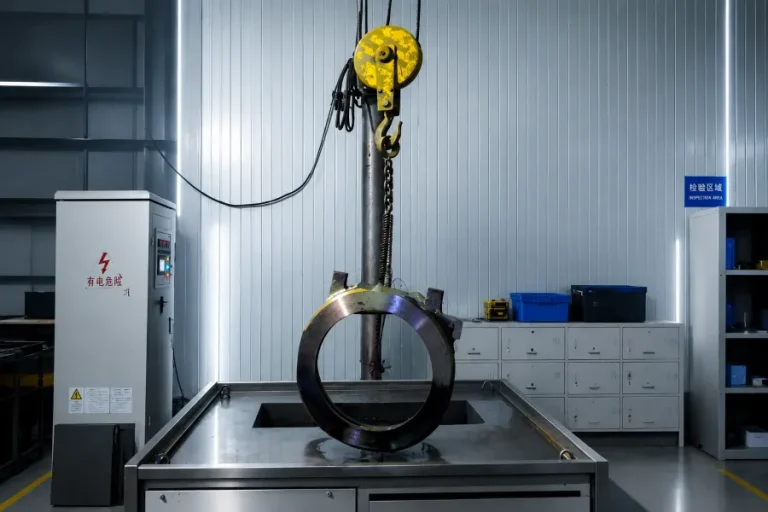
After the gear processing is completed, it is also necessary to inspect the gears. The common inspection method is to use a gear-measuring instrument for inspection. The main inspection items include whether the processing accuracy meets the requirements, such as the deviation of helix angle and pressure angle, as well as the accuracy of tooth profile and tooth direction shaping.
4. Gear assembly
During gear assembly, it is necessary to check whether the load distribution is uniform when the gears mesh. The conventional method is the coloring inspection method. After the individual inspection of the gears is completed, they are assembled, and the operation of the gearbox is tested to check the overall operation of the gearbox. The main inspections include whether there is abnormal noise or vibration, whether the oil temperature at each lubrication point is normal, and whether the gears are overloaded.
Gearbox operating characteristics
High load: Wind turbine gearboxes are subjected to significant loads and impacts, so their materials and structural designs must meet the requirements of high strength.
High speed: The rotational speed of wind turbine gearboxes is high, so the machining accuracy and dynamic balance requirements of the gears must be very high.
Complex environment: Wind turbine gearboxes are usually installed on the top of the wind turbines and are in harsh environments, so their protection grades must be very high.
Common fault phenomena
Common fault phenomena of wind turbine gearboxes include:
1. Gear wear: Gear wear is the most common fault of gearboxes, which can lead to decreased gear accuracy, increased noise, and reduced efficiency.
2. Bearing damage: Bearing damage can cause increased vibration and increased heat generation in the gearbox.
3. Lubrication failure: Lubrication failure can lead to increased friction between gears and bearings and accelerated wear.
4. Sealing failure: Sealing failure can cause contamination inside the gearbox, exacerbating the wear of gears and bearings.
Fault inspection and repair methods
1. Gear wear
Check for wear marks on the surface of the gears.
Measure the tooth thickness and pitch of the gears.
Use a gear wear detector for inspection.
2. Bearing damage
Check for abnormal phenomena such as vibration and noise in the bearings.
Measure the temperature rise of the bearings.
Use a bearing vibration detector for inspection.
3. Lubrication failure
Check the quality and quantity of the lubricating oil.
Check if the oil circuit of the lubrication system is unobstructed.
Use an oil analysis instrument for inspection.
4. Sealing failure
Check the sealing parts are damaged.
Check if there are contaminants inside the gearbox.
Use a sealing leakage detector for inspection.
The gearbox of a توربينات الرياح is an indispensable component in wind power generation equipment, playing a crucial role in transmission and energy conversion. With the continuous development of wind power technology, the gearbox of wind turbines is also improved, moving towards larger size, lighter weight, ذكاء, and environmental sustainability. Through regular maintenance and fault resolution, the gearbox can operate normally, improving the efficiency and reliability of the wind power generation system.
1. Large-scale
To adapt to larger wind turbine generators, the gearbox of a wind turbine is developing towards larger dimensions to increase the transmission ratio and output power.
2. خفيف الوزن
To reduce the weight of the entire wind turbine generator, the design of the gearbox will tend to be lightweight, using high-strength lightweight materials and advanced manufacturing processes.
3. Intelligent
By applying the Internet of big data and artificial intelligence technologies, the gearbox of wind turbines can be remotely monitored, fault predicted, and optimized for maintenance, improving work efficiency and reliability.
4. Environmental sustainability
In the selection of gear materials and the design of the lubrication system, more emphasis is placed on environmentally friendly materials and lubricants to reduce energy consumption and environmental pollution.
Surface processing of the gear pair first undergoes heat treatment to improve its cutting processing characteristics, facilitating cutting. Then, rough processing is carried out according to the requirements of gear design, first machining the rough part into a general shape, retaining more allowance; then, semi-finish processing and turning, rolling, gear hobbing, إلخ.
2. Gear heat treatment and surface finishing
After the basic formation of the gear, it undergoes heat treatment to improve the mechanical properties of the gear, according to the usage requirements and the different materials used; there are quenching and tempering, carburizing and quenching, surface high-frequency induction heating quenching, إلخ. أخيراً, the gear is subjected to fine processing, fine adjusting the benchmark, and fine processing the tooth shape.
3. Gear inspection
After the gear is processed, it also needs to be inspected. The conventional inspection method uses a gear measuring instrument for inspection, mainly checking whether the processing accuracy meets the standards, such as the helix angle, pressure angle deviation, and the accuracy of tooth profile and tooth direction shaping.
4. Gear assembly
During gear assembly, it is necessary to inspect whether the load distribution during meshing is uniform. The conventional method is the coloring inspection method. After the gear is inspected separately, it is assembled, and the operation of the gearbox is tested to check the overall operation of the gearbox. Mainly check whether there is abnormal noise or vibration, whether the oil temperature at each lubrication point is normal, and whether the gear is overloaded.
Gearbox operating characteristics
High load: Wind turbine gearboxes are subjected to significant loads and impacts, so their materials and structural designs must meet the requirements of high strength.
High speed: The rotational speed of wind turbine gearboxes is high, so the machining accuracy and dynamic balance requirements of the gears must be very high.
Complex environment: Wind turbine gearboxes are usually installed on the top of the wind turbines and are in harsh environments, so their protection grades must be very high.
Common fault phenomena
Common fault phenomena of wind turbine gearboxes include:
1. Gear wear: Gear wear is the most common fault of gearboxes, which can lead to decreased gear accuracy, increased noise, and reduced efficiency.
2. Bearing damage: Bearing damage can cause increased vibration and increased heat generation in the gearbox.
3. Lubrication failure: Lubrication failure can lead to increased friction between gears and bearings and accelerated wear.
4. Sealing failure: Sealing failure can cause contamination inside the gearbox, exacerbating the wear of gears and bearings.
Fault inspection and repair methods
1. Gear wear
Check if there are any wear marks on the surface of the gears.
Measure the tooth thickness and tooth pitch of the gears.
Use a gear wear detector for inspection.
2. Bearing damage
Check if there are any abnormal phenomena, such as vibration and noise from the bearings.
Measure the temperature rise of the bearings.
Use a bearing vibration detector for inspection.
3. Lubrication failure
Check the quality and quantity of the lubricating oil.
Check if the oil circuit of the lubrication system is unobstructed.
Use an oil analysis instrument for inspection.
4. Sealing failure
Check if the sealing parts are damaged.
Check if there are pollutants inside the gearbox.
Use a sealing leakage detector for inspection.
Development Trends
The gearbox of a توربينات الرياح is an indispensable component in wind power generation equipment, playing a crucial role in transmission and energy conversion. With the continuous development of wind power technology, the gearbox of wind turbines is also evolving and improving, moving towards larger size, lighter weight, intelligence and environmental sustainability. Through regular maintenance and fault resolution, the gearbox can operate normally, improving the efficiency and reliability of the wind power generation system.
1. Large-scale
To adapt to increasingly larger wind turbine generators, the gearbox of wind turbines is developing towards larger dimensions to increase the transmission ratio and output power.
2. خفيف الوزن
To reduce the weight of the entire wind turbine generator, the design of the gearbox will tend to be lightweight, using high-strength lightweight materials and advanced manufacturing processes.
3. Intelligent
By applying the Internet of Things, big data and artificial intelligence technologies, the gearbox of the wind turbine can be remotely monitored, fault-warned and maintained, improving work efficiency and reliability.
4. Environmental sustainability
In the selection of gear materials and the design of lubrication systems, more and more attention is paid to environmentally friendly materials and lubricants to reduce energy consumption and environmental pollution.
مزود
شركة لويانغ فونيو للصناعات الثقيلة, المحدودة, تأسست في عام 1998، وهي شركة مصنعة لأجزاء صب السكك الحديدية. مصنعنا يغطي مساحة 72,600㎡, مع اكثر من 300 موظفين, 32 الفنيين, مشتمل 5 كبار المهندسين, 11 المهندسين المساعدين, و 16 الفنيين. قدرتنا الإنتاجية هي 30,000 طن سنويا. حالياً, نحن ننتج بشكل رئيسي الصب, بالقطع, والتجمع للقاطرة, عربة السكك الحديدية, القطارات عالية السرعة, معدات التعدين, طاقة الرياح, إلخ.
نحن نقوم بتوريد قطع غيار السكك الحديدية إلى CRRC(بما في ذلك أكثر من 20 الشركات الفرعية والشركات التابعة لـ CRRC), الآلات الهندسية جيماك, ساني جروب, سيتي للصناعات الثقيلة, إلخ. وقد تم تصدير منتجاتنا إلى روسيا, الولايات المتحدة, ألمانيا, الأرجنتين, اليابان, فرنسا, جنوب أفريقيا, إيطاليا وبلدان أخرى في جميع أنحاء العالم.
اتصال: كاثي
بريد إلكتروني:[email protected]
متحرك:008615515321683