قم بمسح رمز WeChat للاتصال بنا
قم بمسح رمز WeChat للاتصال بنا
لا تتردد في مراسلتنا عبر البريد الإلكتروني وسوف نقوم بالرد عليك في أقرب وقت ممكن.
صنع المستقبل بالقلب والروح


When the Eastern Zhou “Pan Chi” Bronze Ding sits in the Luoyang Museum, its patina hides an ancient Chinese invention: sectional mold casting. Three thousand years ago, artisans used clay molds for casting ritual vessels. اليوم, this wisdom has evolved into modern sand casting, shaping vital components like high-speed rail railway casting parts. This is the story of a casting technology that bridges time.
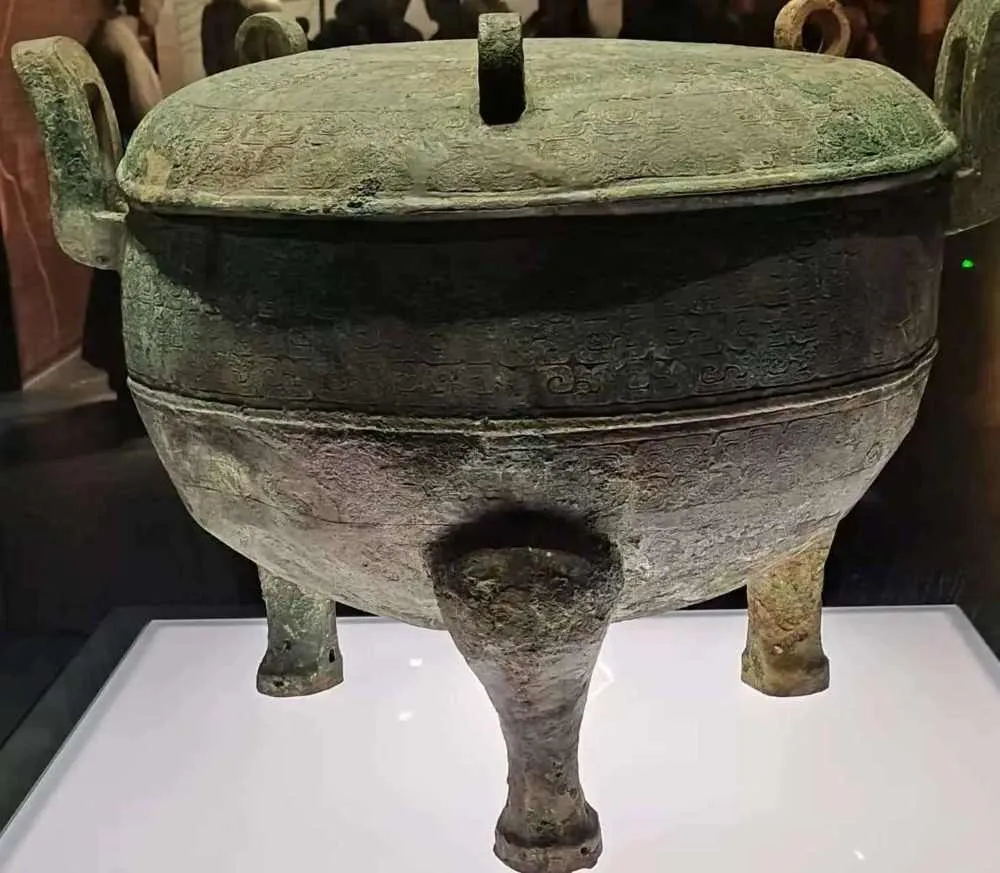
1. The Casting Code in Bronze Vessels
1.1 The Step-by-Step Process
The discovery of the Zenghouyi Bells revealed ancient mastery of casting:
1.1.1 Model Making: A solid clay model was carved with intricate patterns.
1.1.2 Mold Creation: Clay pieces were pressed onto the model to create sectional molds.
1.1.3 صب: Molds were assembled, filled with molten bronze, and then broken to reveal the final piece.
1.2 Core Principle
هذا “soft clay shapes hard bronze” casting method laid the foundation for all future casting innovations.
2. From Clay to Sand: The Evolution of Modern Casting
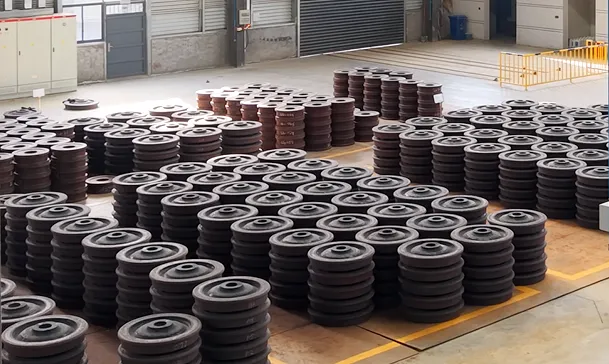
Industrialization needed better methods than fragile clay molds. Sand casting was the answer. It kept the mold-cavity principle but used durable, reusable sand molds. This made it perfect for mass production.
2.1 Ancient vs. Modern Casting
| Aspect | Sectional Mold Casting | Modern Sand Casting |
| Mold Material | Fragile clay (one-time use) | Reusable sand + المجلدات |
| Production Scale | Handmade, low volume | Automated, high volume |
| Key Applications | Ritual bronzes, bells | Automotive engines, أجزاء صب السكك الحديدية |
2.2 Why Sand Casting is Ideal for Railway Parts
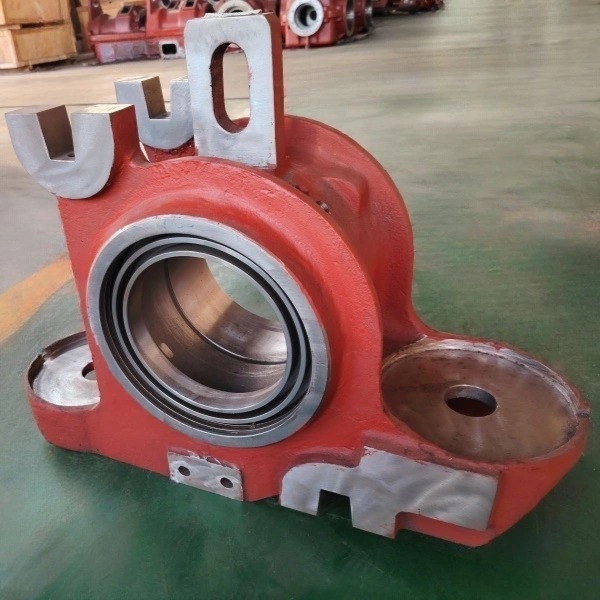
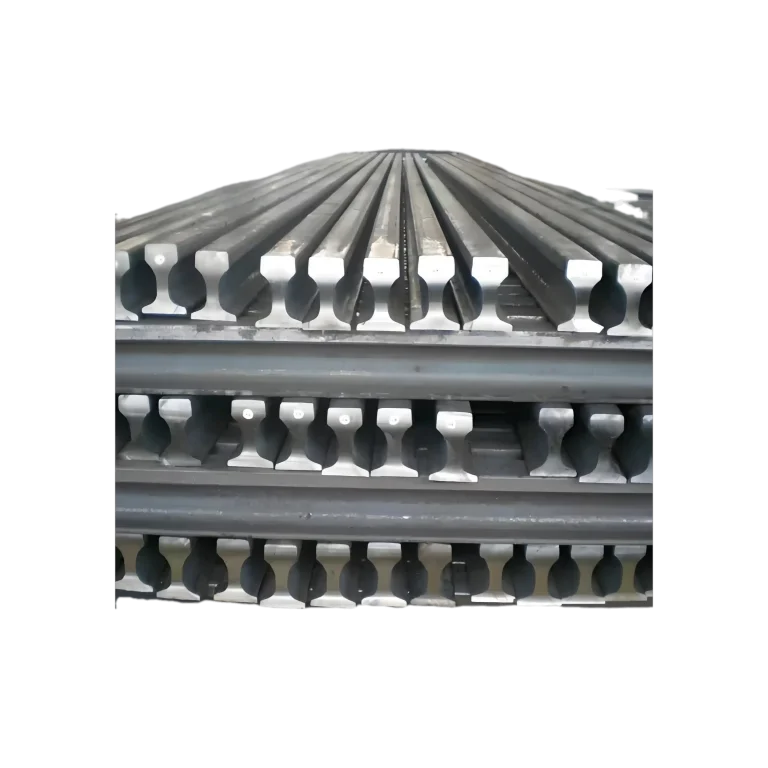
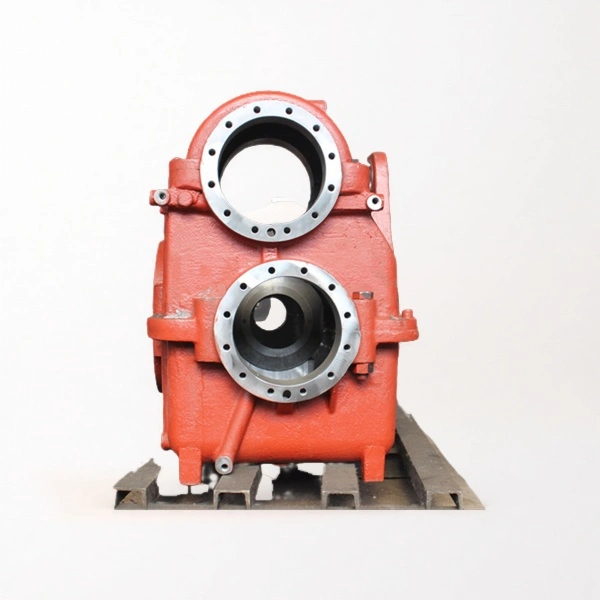
High-speed trains need complex, strong, and reliable components. Sand casting delivers this for railway casting parts like bogies and gearboxes.
2.2.1 Complex Shapes: Sand molds easily form intricate curves and hollow structures.
2.2.2 Material Choice: It works with الحديد الزهر, فُولاَذ, and aluminum for different needs.
2.2.3 Cost-Effective: Sand is abundant, lowering the cost of producing railway casting parts.
3. Our Sand Casting: Building Safety for Railways
We combine traditional casting knowledge with modern tech to make trustworthy railway casting parts.
3.1 Our Technical Edge
3.1.1 Digital Design: 3D modeling simulates the sand casting process to prevent flaws.
3.1.2 Smart Production: Automated sand handling and robotic pouring ensure consistency.
3.1.3 Strict Testing: X-ray and ultrasonic checks ensure a 99.5%+ pass rate, with CRCC certification.
3.2 Key Projects
3.2.1 Bogie Frames for ‘Fuxing’ trains: Over 5,000 units in service, with zero failures.
3.2.2 خفيف الوزن Gearboxes: Made via sand casting, they are 30% lighter, boosting energy efficiency by 8%.
4. مزود
4.1 شركة لويانغ فونيو للصناعات الثقيلة, المحدودة. هي شركة رائدة في تصنيع المسبوكات والمكونات الصناعية الثقيلة, متخصصة في توفير المسبوكات الفولاذية عالية الجودة, بما في ذلك الكربون الصلب, حديد الدكتايل, ارتفاع المنغنيز الصلب, سبائك الصلب, والمسبوكات الفولاذية المقاومة للحرارة. مع نموذج خدمة شامل يدمج التصميم, صب, بالقطع, والخدمة, تضمن Fonyo أن كل منتج يلبي معايير الجودة والأداء الصارمة لتلبية الاحتياجات المطلوبة لمختلف الصناعات الثقيلة.
4.2 إذا كنت تبحث عن مورد موثوق به للمسبوكات الصناعية الثقيلة وقطع غيار الآلات, على سبيل المثال, جزء صب حديد الدكتايل, شركة لويانغ فونيو للصناعات الثقيلة, المحدودة. هو خيارك المثالي. قم بزيارة الموقع الرسمي لفونيو (www.railwaypart.com) لمزيد من المعلومات عن المنتج والدعم الفني!